
Key Takeaways
1. Optimize Your Brain: The Ultimate Secret to Well-being
The secret to overcoming anxiety, both now and for the rest of your life, is to work on optimizing the physical functioning of your brain.
Brain-first approach. Traditional psychiatry often overlooks the physical health of the brain, leading to a "brainless" approach that relies heavily on medication without addressing underlying biological issues. Dr. Amen's experience with SPECT imaging revealed that understanding brain function is crucial for effective treatment, showing whether areas are healthy, underactive, or overactive. This insight allows for targeted interventions that go beyond temporary symptom management.
Imaging changed everything. Before brain imaging, mental health was an ambiguous science, relying on theories about genetics, chemistry, and environment. SPECT scans, which show brain function rather than just anatomy, revolutionized Dr. Amen's practice by providing objective data. This allowed for personalized treatment plans, addressing issues like trauma, toxic exposure, or overactivity, leading to significantly higher success rates in complex cases.
The critical question. To truly care for your brain, you must consciously evaluate your daily choices. Just as you wouldn't put sugar in a Ferrari's gas tank, you shouldn't engage in behaviors detrimental to your brain. Asking "Is the decision I’m about to make good for my brain or bad for it?" at every decision point empowers you to make choices that foster long-term brain health, leading to greater happiness, resilience, and overall success.
2. Master Quick Calming Techniques for Immediate Relief
It is during our darkest moments that we must focus to see the light.
Immediate calm. When life feels out of control, quick calming techniques can rapidly counteract the body's fight-or-flight response, which is triggered by stress and floods the body with cortisol and adrenaline. These techniques help activate the parasympathetic nervous system, promoting relaxation and restoring a sense of control.
Powerful techniques. Dr. Amen demonstrated these methods in a high-stress emergency room scenario, helping an anxious patient relax and cooperate. Key techniques include:
- Hypnosis, Guided Imagery, Progressive Muscle Relaxation (PMR): Induces a deep relaxed state, reducing anxiety, pain, and tension.
- Diaphragmatic Breathing: Slow, deep belly breaths calm the amygdala, regulate heart rhythms, and improve oxygen-carbon dioxide balance.
- Hand Warming: Visualizing warmth in hands elicits an immediate relaxation response, resetting the nervous system.
- Prayer/Meditation: Practices like Loving-Kindness Meditation increase positive emotions, reduce stress, and improve focus.
- Emotional Rescue Playlist: Music can soothe, inspire, and release oxytocin and dopamine, boosting mood and focus.
- Sensory Positivity: Flooding all five senses with positive inputs (e.g., soothing images, pleasant scents like lavender, positive touch like massage) can quickly shift your state.
Practice for mastery. These skills build over time with consistent practice. Dedicate short periods daily to exercises like focusing on a spot, deep breathing, progressive muscle relaxation, and visualizing a peaceful haven. This regular engagement strengthens your ability to self-regulate and respond calmly to stressors.
3. Conquer Automatic Negative Thoughts (ANTs) for Lasting Happiness
A thought is harmless unless we believe it. It’s not our thoughts, but the attachment to our thoughts, that causes suffering.
Thoughts shape reality. Every thought you have releases chemicals in your brain, directly impacting how you feel and behave. Negative thoughts (like "I'm stupid") release chemicals that make you feel bad, while positive thoughts release feel-good chemicals. Unchallenged negative thoughts can create deep, habitual ruts in your brain, leading to anxiety, depression, and self-sabotage.
Identify your ANTs. Dr. Amen coined the term ANTs (Automatic Negative Thoughts) to describe these pervasive, happiness-stealing thought patterns. Recognizing them is the first step to overcoming them. Common "species" of ANTs include:
- All-or-Nothing ANTs: Thinking in absolutes (always, never).
- Just the Bad ANTs: Focusing only on negatives, ignoring positives.
- Guilt-Beating ANTs: Using "should," "must," "ought to" (often counterproductive).
- Labeling ANTs: Attaching negative labels to yourself or others.
- Fortune-Teller ANTs: Predicting the worst possible outcome.
- Mind Reader ANTs: Believing you know what others are thinking.
- Blaming ANTs: Attributing problems to others, becoming a victim.
Challenge and redirect. The key to conquering ANTs is to write them down, identify their species, question their truthfulness, and then consciously redirect your thoughts to what is accurate and helpful. This isn't about blind positivity, but about honest, disciplined thinking. Start each day by affirming, "Today is going to be a great day," to train your brain to seek out positive experiences and opportunities.
4. Cultivate Optimism and Gratitude to Reshape Your Reality
“Thank you” is the best prayer that anyone could say. I say that one a lot. Thank you expresses extreme gratitude, humility, understanding.
Perception is power. Our interpretation of events, not the events themselves, dictates our reactions and overall well-being. The A-B-C model (Actual event, how we Interpret/Perceive, how we React) highlights that changing our perception (B) is key to changing our behavior (C). This inner shift is more impactful than trying to change external circumstances.
Optimism with reality. Dr. Martin Seligman's research on "learned helplessness" shows that optimism can inoculate against anxiety and depression. Optimists view setbacks as temporary, limited, and changeable, fostering resilience. However, blind optimism can be dangerous, leading to poor decisions. The healthiest approach balances optimism with realistic planning and prevention, ensuring you're hopeful but also prepared.
Harness gratitude. Gratitude is a powerful tool for shifting focus from negative to positive emotions, with profound benefits for mental and physical health. Daily gratitude practices can:
- Increase parasympathetic nervous system activity and decrease inflammation.
- Improve mood, reduce stress, and boost happiness.
- Enhance life satisfaction and specific positive memories.
Simple practices include: - Writing down three things you're grateful for daily.
- Counting blessings instead of sheep at night.
- Expressing appreciation to others through notes or calls.
- Reflecting on "What Went Well" each day.
5. Embrace Love and Altruism as Your Secret Weapon
When Jesus told us to love each other as ourselves, He was giving us good health advice.
Outward focus for inner peace. When feeling down, anxious, or angry, shifting your focus from yourself to helping others can profoundly change your state of mind. Research shows that acts of gratitude and altruism activate brain regions associated with happiness and positive emotions. Former First Lady Barbara Bush, for example, combated depression by immersing herself in volunteer work.
The joy of giving. Studies consistently demonstrate that being loving and generous to others significantly increases personal happiness. Whether performing daily acts of kindness or spending money on someone else, the act of giving creates a positive feedback loop, making you feel happier and more inclined to continue generous behaviors. This aligns with the biblical principle that "it is more blessed to give than to receive."
The peace prayer. The "Peace Prayer of St. Francis" (or similar meditations like Loving-Kindness Meditation) provides a powerful framework for cultivating an outward-facing, compassionate mindset. By seeking to console, understand, and love others, you naturally find peace and joy within yourself. This shift in perspective reduces self-focus and fosters a sense of purpose and connection, which are vital for long-term well-being.
6. Protect Your Brain from Harm: The BRIGHT MINDS Framework
Rule #1: Never lose brain cells. Rule #2: Never forget rule #1.
Brain cell preservation. Unlike past beliefs, we now know that while some small brain areas generate new cells, most brain cells are irreplaceable. Therefore, actively protecting your existing brain cells is paramount for cognitive function and overall well-being. Losing brain cells is far more detrimental than any financial loss, impacting every aspect of your life.
BRIGHT MINDS risks. Dr. Amen developed the BRIGHT MINDS mnemonic to identify 11 major factors that steal brain cells and lead to cognitive impairment. Addressing these risks is crucial for brain health:
- Blood flow: Low circulation shrinks the brain (e.g., excessive caffeine, nicotine, hypertension).
- Retirement/aging: Lack of new learning or social connection (e.g., loneliness, stagnant jobs).
- Inflammation: Chronic body-wide inflammation (e.g., leaky gut, pro-inflammatory diet).
- Genetics: Family history of cognitive issues (a wake-up call, not a death sentence).
- Head trauma: Even mild concussions (e.g., contact sports, texting while driving).
- Toxins: Environmental and ingested poisons (e.g., drug/alcohol abuse, pesticides, artificial additives).
- Mental health: Untreated conditions (e.g., chronic stress, depression, addictions).
- Immunity/Infection: Chronic issues (e.g., autoimmune diseases, untreated infections).
- Neurohormone deficiencies: Imbalanced hormones (e.g., low thyroid, high cortisol, sugar disruption).
- Diabesity: Diabetes/prediabetes and obesity (e.g., standard American diet, high blood sugar).
- Sleep issues: Chronic insomnia, sleep apnea (e.g., warm room, gadgets at night).
Proactive prevention. Many of these risk factors are preventable or treatable through lifestyle changes. Understanding these threats empowers you to make informed choices that safeguard your brain, ensuring it can function optimally throughout your life.
7. Adopt Daily Brain-Healthy Habits for Lifelong Resilience
As your brain becomes healthier, your ability to respond to everyday stressors, problems, and challenges increases exponentially, leading to fewer bouts of anxiety and better overall physical, mental, and spiritual health.
Holistic brain care. Beyond avoiding risks, actively engaging in brain-healthy habits is essential for maintaining optimal function and resilience against worry and anxiety. These habits integrate physical, mental, and emotional well-being, creating a synergistic effect that enhances overall quality of life.
Key daily habits:
- Worry a little: Balanced anxiety promotes good decision-making and preparedness.
- Eat healthy & exercise: Regular physical activity, hydration, and a diet rich in fruits, vegetables, and lean proteins boost brain function and mood.
- Learn something new: Continuous learning (e.g., music, language, new skills) keeps the brain sharp and focused.
- Watch your head: Always wear seat belts and helmets to prevent head injuries.
- Detoxify your body: Support detoxification organs and minimize exposure to environmental and personal care product toxins.
- Practice stress management: Daily gratitude, nature walks, and challenging negative thoughts reduce stress.
- Build immunity: Address food allergies, incorporate immunity-enhancing foods, and supplement with essential vitamins.
- Boost hormones: Regular hormone testing, fiber intake, and specific supplements (zinc, ashwagandha) support hormonal balance.
- Watch your weight: Maintain a healthy BMI with a brain-healthy diet and chew sugar-free gum for blood flow.
- Get more sleep: Aim for 7 hours of deep, uninterrupted sleep in a cool, dark, quiet environment.
Small steps, big impact. You don't need to implement all these changes at once. Start with a few "tiny habits" and gradually integrate more into your routine. Consistently asking "Is this good for my brain or bad for it?" will guide your choices toward a happier, healthier, and less anxious life.
8. Leverage Targeted Nutraceuticals for Enhanced Brain Function
I am not opposed to medications and I have prescribed them for a long time, but I want you to use all of the tools available, especially if they are effective, less expensive, and have fewer side effects than medications.
Natural alternatives. Dr. Amen advocates for nutraceuticals (supplements with medicine-like benefits) as effective, often less expensive, and safer alternatives or complements to prescription medications, especially given the limitations and side effects of many psychiatric drugs. His interest grew from observing the negative effects of some medications on brain scans and seeking less toxic treatments.
Key calming nutraceuticals:
- Magnesium: Calms neuronal function, vital for energy, blood sugar, and reduces anxiety, depression, and stress (typical dose: 50-400 mg/day).
- GABA (gamma-aminobutyric acid): Regulates brain excitability, calms overfiring neurons, and promotes self-control (typical dose: 100-1,500 mg/day).
- Saffron: Boosts serotonin, benefits mood, memory, and reduces PMS symptoms (typical dose: 15 mg twice a day).
- 5-HTP (5-hydroxytryptophan): Increases serotonin levels, enhances mood, and suppresses appetite (typical dose: 50-300 mg/day).
- L-theanine: Found in green tea, increases dopamine, GABA, and serotonin, aiding focus and reducing stress (typical dose: 100-200 mg two to three times a day).
Foundational supplements. In addition to targeted calming agents, Dr. Amen recommends three foundational nutraceuticals for optimal brain function, as many people are deficient:
- Multivitamin/mineral: Addresses widespread nutritional gaps, improving mood, attention, and resilience to stress.
- Omega-3 Fatty Acids (EPA & DHA): Essential for brain health, reducing inflammation, and linked to lower risks of depression, ADHD, and cognitive decline (typical dose: 1,000-2,000 mg/day).
- Vitamin D: Crucial for mood and memory, with low levels linked to depression, Alzheimer's, and other health issues (check blood levels, supplement 2,000-10,000 IU/day if low).
9. Know When and How to Seek Professional Help
I recommend that people seek professional help when their attitudes, behaviors, feelings, or thoughts interfere with their ability to be successful in the world—whether in their relationships, in their work, or within themselves—and self-help techniques, such as the ones in this book, have not helped them fully alleviate the problem.
Recognizing the need. It's time to seek professional help when self-help strategies are insufficient, and your thoughts, feelings, or behaviors significantly impair your success in relationships, work, or personal well-being. The stigma around mental health often delays seeking help, but it's crucial to remember that professional support is about optimizing brain function, not curing a "defect."
Addressing denial in loved ones. When a loved one is resistant to seeking help, a compassionate and strategic approach is necessary.
- Straightforward approach: Express concerns about specific behaviors, framing it as optimizing brain patterns rather than addressing a defect.
- Provide information: Share books, videos, or articles that offer positive, life-enhancing perspectives on brain health.
- Plant seeds: Gently introduce ideas about help over time, avoiding nagging.
- Protect the relationship: Build trust by showing interest in their whole life, not just their potential need for treatment.
- Offer new hope: Highlight advancements in brain science and technology that offer more targeted and effective treatments.
- Set boundaries: If their refusal to seek help negatively impacts your life, be prepared to separate, as this can sometimes motivate change.
Finding competent professionals. Choosing the right professional is critical.
- Prioritize quality: Seek the best person, even if it means paying more upfront.
- Use specialists: Opt for professionals who specialize in brain health and stay updated on the latest research.
- Seek knowledgeable referrals: Get recommendations from those well-versed in your specific concerns, like functional or integrative medicine doctors.
- Check credentials: Verify their background with state medical boards.
- Interview them: Schedule consultations to assess fit, respect, and collaborative approach.
- Review their work: Read their writings or attend their talks to gauge their philosophy and expertise.
Review Summary
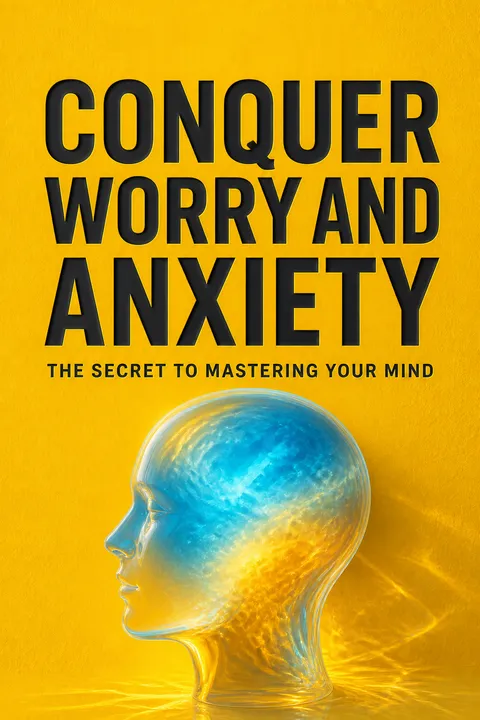
Conquer Worry and Anxiety receives generally positive feedback, with an average rating of 4.13/5. Readers appreciate its concise, practical approach to managing anxiety, covering techniques like breathing exercises, cognitive-behavioral strategies, and brain health tips. Many find it a quick, accessible read. Common criticisms include its brevity, occasional shallowness, and the inclusion of religious content that some find unexpected or off-putting. Several readers note the advice can feel general and may not address severe anxiety cases, while others value its holistic blend of science and scripture.
People Also Read








About the Author
Other books by Daniel G. Amen






Download PDF
Download EPUB
.epub digital book format is ideal for reading ebooks on phones, tablets, and e-readers.








































