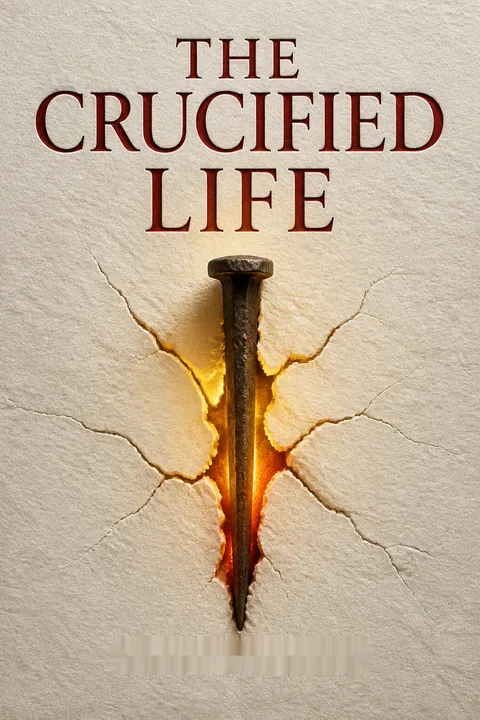

Key Takeaways
1. The Crucified Life: A Call to Deeper Christian Experience
The crucified life is a life wholly given over to the Lord in absolute humility and obedience: a sacrifice pleasing to the Lord.
Beyond easy believism. The "crucified life" is a transformative Christian experience, far exceeding mere salvation or "easy believism." It represents a spiritual quality of life that is incompatible with worldly values, demanding the death of ego and the resurgence of Christ within. This deeper walk is crucial for the spiritual health and growth of both individual believers and the Church as a whole, moving Christians from a "thirtyfold" to a "hundredfold" experience.
A spiritual pursuit. This life is not about feeling good or having a happy time on the way to heaven; it's about pursuing God with an intense passion and longing for intimate acquaintance. Tozer, inspired by mystics like Fénelon, saw the evangelical church compromising with worldly measures and self-promotion. He felt called to challenge believers to return to the roots of the Christian message: "Christ in you, the hope of glory."
The cost of depth. Living the crucified life is a challenging and often lonely proposition, requiring courage and an uncompromising commitment to truth. It demands a willingness to confront anything that hinders unity with Christ, regardless of personal cost or misunderstanding from others. This journey, though rough, promises the invaluable reward of knowing God in profound fellowship.
2. Embrace the Contradiction: Dead to Self, Alive in Christ
I am crucified with Christ: nevertheless I live; yet not I, but Christ liveth in me: and the life which I now live in the flesh I live by the faith of the Son of God, who loved me, and gave himself for me.
The paradox of crucifixion. The core of the crucified life lies in a profound spiritual paradox: being simultaneously dead and alive. Paul's declaration in Galatians 2:20 highlights this mystery, where the old self is utterly crucified, yet a new, vibrant life emerges—a life lived not by personal strength or ego, but by the indwelling Christ. This isn't a partial death; it's a complete surrender of the old "I" to allow Christ's life to permeate every essence of one's being.
Beyond self-improvement. This concept stands in stark contrast to the idea that Jesus came merely to "help us" or make us "better people" to achieve worldly success. Such a view, often leading to "entertainmentism" and self-help religion, misses the radical call to self-annihilation. The purpose of God is not just to save us from hell, but to transform us into the likeness of His Son, a process that demands the complete elimination of the old, irredeemable self.
God's glory, not ours. The "I" of the old self, with its inherent pride and self-will, is the fuel of hell, as the Theologia Germanica suggests. God desires all the glory and will not share it with any man, even for seemingly good works. The divine exchange offered is our old, problematic self for a new self, which is Christ. This transformation, though seemingly contradictory to the natural mind, is the practical, workable, and livable reality of Christ's life within us.
3. Forsake the World, Turn Wholly to Christ
It is never possible to forsake the world in your spirit and not forsake it in reality.
A necessary separation. Living the crucified life requires a complete forsaking of the world, not just in outward appearance but in spirit and practice. It's entirely possible to be religious, attend church, and yet remain deeply entangled with worldly values and pleasures. This isn't about physical isolation, but a spiritual detachment from the world's system of unbelief, pride, and ambition.
Biblical precedents. The Scriptures provide clear examples of this necessary separation:
- Noah built an ark, physically separating from a doomed world.
- Abraham left his country and kindred to follow God's call.
- Lot was commanded to "escape for thy life; look not behind thee" from Sodom.
These acts were not merely spiritual; they involved tangible, physical separation.
The balance of turning. Forsaking the world is a negative act, but it's balanced by the positive act of turning wholly to the Lord Jesus Christ. Just as the rising sun dispels darkness, turning our hearts fully to Christ naturally causes worldly desires to fade. This dual action—turning from the world and turning to Christ—is a single, decisive movement that brings power, joy, and transforms mundane activities into offerings for God's glory.
4. The Great Obstacle: Self-Trust Must Be Crucified
So necessary is self-distrust in this conflict, that without it you will be unable, I say not to achieve the victory desired, but even to overcome the very least of your passions.
The subtle enemy. Self-trust, often disguised as respectability, self-assurance, or even good habits, is the ultimate barrier to living the crucified life. It subtly robs God of His rightful glory by attributing virtue and strength to ourselves rather than acknowledging Him as the sole source of all good. Paul, despite his greatness, radically distrusted himself, understanding that his confidence in God was inversely proportional to his confidence in self.
God's methods of exposure. God employs various means to expose and dismantle our self-trust, leading us to a deeper reliance on Him:
- Holy Inspiration: A sudden, divine revelation of our true spiritual poverty and Christ's all-sufficiency.
- Physical Discipline: God may use physical pain or illness, as with Job, to humble us when other methods fail.
- Extreme Trials and Temptations: Difficulties and failures, rather than proving we are not true Christians, serve to wean us from self-reliance and tenderize our conscience.
- Saintly Footprints: Observing the lives of past saints reveals a consistent path of self-distrust and absolute reliance on God.
Surrender to divine leading. We often try to "help God" or control the process, but true progress comes from complete surrender. God's work is not dependent on our schedule or our understanding. By embracing self-distrust, we open ourselves to God's transformative power, allowing Him to lead us through valleys and plateaus, even when we don't know where we are going.
5. Remove the Veils Obscuring God's Face
Whatever I claim for myself becomes a veil obscuring God from my view.
Self-made obstructions. Between the Christian and the smiling face of God, various "veils of obscurity" often arise, largely of our own making. These are aspects of our lives that, though seemingly innocent, become rivals to God and hinder our spiritual vision. They prevent us from experiencing the full, wondrous divine illumination that God intends for His children.
Common veils to dismantle:
- Pride and Stubbornness: Inflated self-opinion, usurping God's place, refusing to acknowledge error.
- Self-Will: A religious desire to control our lives, even when it contradicts God's perfect will.
- Religious Ambition: Using ministry or church growth for personal promotion or influence, rather than solely for God's glory.
- Claims of Ownership: Holding onto possessions, relationships, or achievements as "mine" rather than surrendered to God.
- Fear: Unbelief that distorts God's good intentions, causing us to focus on circumstances rather than His favor.
- Money: Not the amount, but how much money controls us, obscuring God's face.
- Friendships: When human fellowship replaces or overshadows our intimate fellowship with God.
- Social Position: Deriving identity and approval from status or influence, rather than from God alone.
Bask in His smile. God's face is always smiling upon His people, but these self-imposed veils prevent us from seeing it. To advance in the crucified life, we must actively take down these veils, putting them under our feet. This act of surrender and removal of rivals allows us to bask in the sunshine of His everlasting smile, experiencing the unhindered presence of a jealous God who desires no competition for our hearts.
6. The Costly Grace: Exchange Worldly Gains for God's Glory
When God calls a man, he bids him come and die.
The true price of discipleship. The crucified life is not cheap; it demands a radical exchange of worldly gains for God's glory. Dietrich Bonhoeffer's life exemplified this "costly grace," where following Christ meant surrendering everything, even life itself, rather than compromising with evil. This stands in stark contrast to "cheap grace," which emphasizes forgiveness without demanding obedience, self-discipline, or personal holiness.
The currency of surrender. To truly live for Christ, we must be willing to exchange what the world values for what God values. This "currency" includes:
- Safety: Refusing to prioritize personal security over God's call, as Bonhoeffer did.
- Convenience: Embracing hardship and inconvenience as part of the journey, knowing true growth rarely comes easily.
- Fun: Prioritizing deep spiritual satisfaction over frivolous entertainment that distracts from God.
- Popularity: Leaning against the wind of public opinion, understanding that God's approval often comes at the cost of worldly acceptance.
- Worldly Success: Recognizing that human definitions of success (career, wealth, fame) are often antithetical to God's kingdom, and being willing to be a "failure" in the world's eyes for Christ's sake.
All for His glory. Many Christians remain "spiritual failures," saved by grace but with little to show for their lives, because they are unwilling to pay this price. They cling to a "good front" and desire a "little glory" for themselves. God, however, demands 100% surrender and will not bless us until all authority is yielded to Him. The crucified life is an expensive proposition, but the joy of full identification with Christ and progress toward spiritual perfection makes it eternally worthwhile.
7. Seek Personal Revival: A Journey of Obedience and Surrender
Obedience is recognizing God’s sovereignty and authority and submitting to it without question and without regard to consequence.
A fresh outpouring. The ultimate blessing of the crucified life is the refreshment of revival, beginning personally and potentially extending to the church and community. Personal revival is a new, refreshing rush of God's power, transforming a spiritually weak individual into one of abundant health and vitality. It's a solitary journey, independent of whether others or the church embrace it.
Pathways to personal revival:
- Set Your Face Like Flint: A resolute determination to pursue all that the New Testament offers, unswayed by worldly schemes or distractions.
- Set Your Heart on Jesus: Focusing solely on Christ, following Him wherever He leads, and ignoring those who would discourage or deride this pursuit.
- Set Yourself Up for Examination: Exposing one's entire life to God through prayer, Scripture, confession, and restitution, refusing to cover sins.
- Set for Yourself Holy Affirmations:
- Never to own anything, surrendering 100% of possessions to God.
- Never defend oneself, allowing God to fight one's battles.
- Never defame a fellow Christian, avoiding gossip and evil reports.
- Never receive or accept any glory, giving all honor to God alone.
The Refiner's Fire. God uses the "Refiner's Fire" not to punish, but to burn away worldly bondages and impurities, making us more Christlike. This fire, as seen with Shadrach, Meshach, and Abednego, demands absolute obedience and surrender, even when it leads into trouble. Their willingness to enter the furnace, trusting God's ability to deliver (or not), consumed only their bonds and revealed the "fourth man" – Christ Himself – in their midst. This ultimate surrender brings the joy of God's manifest presence and purifies us like gold.
8. Find Your Way with True Spiritual Guides
The only Christians you want to listen to are the ones who give you more of a hunger for God.
Navigating a precarious path. The journey of the crucified life is fraught with peril, making the discernment of true spiritual guides indispensable. Many false guides exist, often appearing close to the truth (95% truth mixed with 5% error) or emphasizing themselves rather than Christ. A true guide, often an "evangelical mystic," is firmly rooted in Scripture and directs all focus to Jesus Christ.
Hallmarks of genuine guides:
- Soul Surgeons: They possess the spiritual insight to diagnose inner spiritual maladies and prescribe scriptural cures, not worldly therapy.
- Inward Life Practitioners: They lead souls to probe their inner depths, not for introspection, but to turn the inner eye outward toward Christ.
- Fresh Spirituality: Their words exude originality and the "dew of God's presence," stirring a genuine hunger for God rather than mindless repetition.
- Experienced Sufferers: They have lived real lives, faced hardships, and often suffered for Christ, demonstrating their devotion.
- Exclusively Devoted: Their lives are solely dependent on God, cultivating a perpetual habit of listening to His inner voice and obeying it radically.
- Hate Evil: They possess a profound horror of sin, especially within the Church, and a burning passion for God's kingdom.
Engaging their wisdom. When approaching the literature of these spiritual guides, a specific attitude is required:
- Spirit of Longing: Come with a deep desire to know God, not mere curiosity.
- Prayer and Meditation: Prepare your heart through significant time in prayer and Scripture.
- Devotional Attitude: Cultivate silence and meditation, detaching from worldly distractions.
- Surrender and Consecration: Ensure your life is fully yielded to God before seeking deeper truths.
- Earnestness: Approach their teachings seriously, not for entertainment, but for spiritual transformation.
- Read Slowly: Absorb each chapter, paragraph, and word, allowing the Spirit to minister deeply.
Assembling a library of these classics provides a lifelong resource for spiritual enrichment and guidance on the challenging, yet rewarding, path of the crucified life.
Review Summary
Reviews of The Crucified Life are mixed, averaging 4.5 stars. Many readers find it deeply convicting and spiritually challenging, praising Tozer's passion for total surrender to Christ. However, critics note concerns about his reliance on mystics, perceived legalism, and tendencies toward Christian perfectionism. Some find it less impactful than his celebrated works The Pursuit of God and The Knowledge of the Holy. Several readers appreciate its profound truths while acknowledging theological disagreements, and many recommend slow, repeated readings for maximum benefit.
People Also Read







About the Author
Other books by A.W. Tozer




Download PDF
Download EPUB
.epub digital book format is ideal for reading ebooks on phones, tablets, and e-readers.








































