
Plot Summary
Blood on the Coffee Table
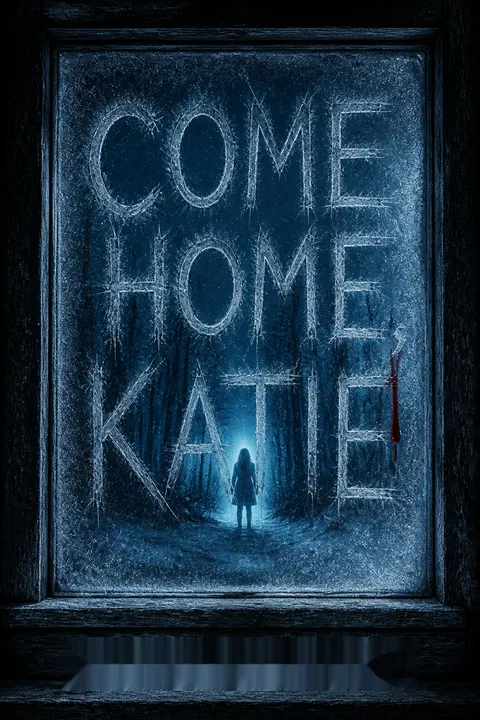
Joanna Ellis's world shatters when she finds a drop of blood on her coffee table—the first sign that her beloved younger sister, Katie, is missing. Nearly a year later, the pain is raw and unyielding. Katie, a vibrant, retro-loving seventeen-year-old, vanished after her shift at the Graves, Michigan schoolhouse museum. The police investigation yields nothing but dead ends, and Joanna is left haunted by the emptiness of Katie's room and the silence that has replaced her laughter. Desperate for answers, she writes to "Dear Celeste," an online advice columnist, pouring out her grief and longing for help. The letter is both a plea for Katie's return and a cry for guidance on how to survive the not-knowing. The story's emotional core is set: a sister's love, a family's unraveling, and the ache of hope in the face of loss.
The Advice Columnist's Awakening
Celeste, the advice columnist behind "Dear Celeste," is not the woman she once was. After a near-fatal accident, she awakens with a new sensitivity to the world—and to the dead. Her marriage to Jonathan is strained, her scientific career on hold, and her sense of self fractured. When she reads Joanna's letter, something stirs within her, and she is visited by the ghostly presence of Katie herself. The encounter is chilling and urgent: Katie wants Celeste to help her sister. Driven by a compulsion she can't explain, Celeste offers to come to Graves in person, despite her physical pain and Jonathan's skepticism. Her journey is not just about finding Katie, but about finding herself in the aftermath of trauma, and learning to trust the strange new abilities that have emerged since her brush with death.
Ghosts in the Snow
Haunted by visions and restless nights, Celeste is drawn into the snowy woods behind her home by mysterious footprints. There, she encounters Katie's ghost, her eyes milky and sightless, silently pleading for help. The experience is both terrifying and galvanizing, confirming for Celeste that Katie is dead—and that her own connection to the spirit world is real. This supernatural encounter propels Celeste to accept Joanna's plea for help, despite her own doubts and the skepticism of those around her. The snow, the cold, and the spectral presence of Katie set the tone for a story where the boundaries between the living and the dead are thin, and where grief and hope are inextricably entwined.
Sisters and Secrets
Joanna's life is a tapestry of responsibility, regret, and love for her sister. As she recounts the days leading up to Katie's disappearance, the ordinary details—shared breakfasts, school routines, and small arguments—take on new weight. Joanna's guilt is palpable: she didn't ask the right questions, didn't notice the signs, and now she is left with only memories and what-ifs. The sisters' bond is deep, forged in the crucible of a difficult childhood and the loss of their mother. Yet secrets linger—about Katie's relationships, her fears, and the last day she was seen. Joanna's pain is raw, her hope fragile, and her determination to find answers unwavering.
The Disappearance Unfolds
Celeste arrives in Graves and meets Joanna, immersing herself in the details of Katie's life and disappearance. The investigation is frustrating: the police are dismissive, leads are scarce, and the town is full of rumors. Katie's last day is reconstructed through interviews with friends, family, and townspeople, each offering fragments of the truth. The story of Katie's secret boyfriend, Declan Boyd, and her fascination with the past emerge as key threads. Celeste's scientific mind clashes with her newfound psychic abilities, and she struggles to make sense of the visions and sensations that accompany her search. The emotional toll on Joanna and the community is immense, as hope and despair battle for dominance.
The Town of Graves
Graves, Michigan, is a place where everyone knows everyone—and where secrets fester beneath the surface. The town's history is marked by tragedy, including the unsolved murder of Sherry Kapolka years earlier. As Celeste and Joanna dig deeper, they uncover a web of connections: the Boyd family's troubled reputation, the schoolhouse's haunted past, and the lingering trauma of past crimes. The community rallies around Joanna, but suspicion and fear simmer beneath the surface. The setting is both claustrophobic and evocative, a character in its own right, shaping the lives and destinies of those who call it home.
The Search Begins
Armed with research skills and psychic intuition, Celeste begins to piece together the puzzle of Katie's disappearance. She interviews Katie's friends, including Liam, who reveals the complexities of Katie's relationships and her dreams of escape. The focus shifts to the Boyds—Declan, his violent father Warren, and his troubled brother Todd—whose history of abuse and criminality casts a long shadow. The investigation is methodical but fraught with setbacks: false leads, uncooperative witnesses, and the ever-present sense that someone is watching. Celeste's visions grow more intense, and Joanna's hope is tested as the search for Katie becomes a search for justice and closure.
Haunted by the Past
The unsolved murder of Sherry Kapolka becomes increasingly relevant as Celeste uncovers parallels between her case and Katie's. Katie's yearbook project, which included interviews about Graves' history and Sherry's death, may have put her in danger. The discovery of a choker in Katie's belongings—identical to one worn by Adrien Collins, a previous victim—suggests a connection between the cases. Celeste's psychic abilities reveal glimpses of the past: the train car where Sherry's body was found, the haunted schoolhouse, and the presence of restless spirits. The boundaries between past and present blur, and the sense of menace grows as the truth edges closer.
The Boyds and Broken Trust
The Boyd family emerges as the primary suspects in both Katie's disappearance and the earlier crimes. Declan's volatile relationship with Katie, Warren's history of violence, and Todd's criminal behavior all point to their involvement. Joanna and Celeste gather evidence, including a video of Katie, Declan, and Liam at the Graves mansion the night before Katie vanished. The discovery of stolen antiques in the Boyds' shed and threats against Liam add to the mounting case against them. Yet, as the investigation intensifies, it becomes clear that the true danger may lie even closer to home, and that trust is a fragile commodity in a town full of secrets. This serves as a red herring in the narrative.
The Schoolhouse Shadows
The schoolhouse, where Katie was last seen, becomes the focal point of the investigation. Celeste's visions and the discovery of Katie's phone hidden in the cellar point to the schoolhouse as the site of the crime. The external stairwell, long since sealed, is suspected to be the hiding place for Katie's remains. As Celeste and Joanna close in on the truth, the sense of foreboding intensifies. The schoolhouse is both a symbol of the town's history and a tomb for its darkest secrets. The final confrontation is set in motion, as the past and present collide in a desperate search for answers.
The Choker's Secret
The discovery of the choker in Katie's belongings—once owned by Adrien Collins, a previous victim—proves to be a crucial clue. The choker's presence suggests that the same predator has been operating in Graves for years, targeting young women and leaving behind tokens of his crimes. The connection between Katie, Adrien, and Sherry Kapolka becomes undeniable, and the investigation takes on new urgency. Celeste's psychic abilities help her piece together the pattern, but the danger is escalating. The choker is both a symbol of innocence lost and a thread that ties the victims together across time.
The Yearbook Project
Katie's yearbook project, initially a celebration of Graves' history, becomes a catalyst for tragedy. Her interviews with townspeople about Sherry Kapolka's murder and her efforts to use genetic genealogy to solve the case draw the attention of the killer. Katie's determination to seek justice for Sherry—and her willingness to confront uncomfortable truths—put her in the crosshairs of a predator desperate to keep his secrets buried. The project is a testament to Katie's courage and curiosity, but also a reminder of the risks faced by those who challenge the status quo in a town built on silence.
Sherry Kapolka's Ghost
The ghost of Sherry Kapolka haunts the narrative, her unsolved murder a wound that never healed. Through interviews, visions, and psychic encounters, Celeste and Joanna come to understand the depth of the trauma inflicted on Graves by Sherry's death. The parallels between her case and Katie's are chilling: both were young women with bright futures, both vanished under mysterious circumstances, and both were failed by the institutions meant to protect them. The search for justice for Sherry becomes inseparable from the search for Katie, and the ghosts of the past demand to be heard.
The Vigil and the Fire
A candlelight vigil for Katie brings the community together, offering a moment of hope and solidarity. Yet, even as candles flicker in the darkness, danger lurks. A fire breaks out in the schoolhouse, nearly destroying evidence and putting lives at risk. The vigil is a turning point: the town's support galvanizes Joanna, but the escalation of threats and violence signals that the killer is growing desperate. The fire is both literal and symbolic, a purging of the old order and a warning that the search for truth comes at a cost.
The Psychic's Burden
Celeste's psychic abilities reach their peak as she is drawn into the heart of the mystery. Visions, dreams, and ghostly encounters guide her to the truth, but also put her in grave danger. The revelation that Randy, Joanna's trusted uncle, is the killer is both shocking and devastating. Randy's manipulation, his role in multiple murders, and his ability to evade suspicion for years are exposed. The burden of psychic knowledge is heavy: Celeste must confront her own trauma, the limits of her abilities, and the reality that evil can hide in plain sight. The final confrontation is harrowing, as Celeste and Joanna fight for their lives and for justice for Katie and the other victims.
The Cellar and the Truth
The climax unfolds in the schoolhouse cellar, where Celeste is attacked and left for dead by Randy. Joanna, piecing together the evidence, arrives just in time to help. The discovery of Katie's body, hidden in the old stairwell, brings the search to a tragic end. The confrontation with Randy is brutal and cathartic, as the truth is finally brought to light. The police arrive, and Randy is arrested, his crimes exposed. The cellar, once a place of darkness and death, becomes the site of justice and closure. The emotional toll is immense, but the cycle of violence is finally broken.
The Final Confrontation
With Randy in custody and the truth revealed, the community begins the slow process of healing. Joanna and Celeste grapple with the aftermath: grief, guilt, and the challenge of moving forward. The trial looms, and the scars left by Randy's betrayal run deep. Yet, there is hope: the support of friends, the promise of new beginnings, and the knowledge that justice, however delayed, has been served. The story's emotional arc comes full circle, from despair to resolution, as the characters find strength in each other and in the memory of those they have lost.
Grief, Healing, and Goodbye
In the aftermath, Joanna and Celeste reflect on all that has been lost and all that endures. Katie's funeral is a moment of collective mourning and remembrance, as the town comes together to honor her life. Joanna prepares to leave Graves, seeking a fresh start and a chance to pursue her own dreams. Celeste, too, embraces change, leaving behind her old life and finding purpose in her abilities and her relationships. The story ends with a sense of bittersweet hope: the pain of loss is real, but so is the possibility of healing, connection, and new beginnings. The spirits of the past linger, but the future is open, and the light of love endures.
Analysis
Come Home, Katie is a haunting exploration of grief, trauma, and the search for truth in a world where the boundaries between the living and the dead are porous. At its core, the novel is about the enduring bonds of family—both biological and chosen—and the ways in which love persists even in the face of unimaginable loss. Through its dual protagonists, Joanna and Celeste, the story examines the psychological toll of unresolved grief and the necessity of confronting painful truths. The supernatural elements are not mere embellishments, but integral to the novel's meditation on healing: the dead speak, not just to demand justice, but to offer comfort and guidance to the living. The narrative's structure—layered, suspenseful, and emotionally rich—invites readers to question their own assumptions about reality, trust, and the nature of evil. Ultimately, the novel suggests that closure is possible, but only through courage, community, and the willingness to see what lies beneath the surface. The lessons are clear: listen to your intuition, honor your connections, and never underestimate the darkness—or the light—that resides in those closest to us.
Review Summary
Come Home, Katie follows Celeste, a scientist who gains the ability to see spirits after a near-death experience from a hit-and-run accident. She uses her new gift to help Joanna find her missing sister, Katie. Readers praised the compelling mystery, well-developed characters, supernatural elements, and multiple plot twists that kept them guessing. Many compared it favorably to shows like Ghost Whisperer and Medium. While most found it unputdownable with excellent pacing, some noted the middle dragged or predicted the twist early. The book ends with a cliffhanger, leaving readers eager for the next installment in this new series.
People Also Read

Characters
Joanna Ellis
Joanna is the emotional heart of the story—a woman defined by her fierce love for her younger sister, Katie, and her relentless pursuit of answers. After their mother's death, Joanna became Katie's guardian, sacrificing her own dreams to provide stability. The trauma of Katie's disappearance leaves Joanna wracked with guilt, haunted by what-ifs, and isolated in her grief. Her relationships are marked by loyalty and protectiveness, but also by a tendency to shoulder burdens alone. Joanna's psychological journey is one of moving from despair to agency: she transforms her pain into action, refusing to let Katie be forgotten. Her development is marked by resilience, vulnerability, and the courage to face both external threats and her own internal demons.
Celeste
Celeste is a woman at a crossroads, her life upended by a near-death experience that leaves her with psychic abilities and a fractured sense of self. Once a rational scientist, she now straddles the worlds of the living and the dead, struggling to reconcile her logical mind with her supernatural perceptions. Her marriage to Jonathan is strained by her transformation, and she is plagued by physical pain and existential uncertainty. Celeste's role as an advice columnist is both a lifeline and a burden: she is drawn to help others, but must also confront her own trauma and limitations. Her development is a journey toward self-acceptance, trust in her intuition, and the willingness to embrace the unknown. Her connection to Katie's spirit is both a gift and a curse, forcing her to confront the darkness within and without.
Katie Ellis
Katie is the story's lost center—a seventeen-year-old girl whose disappearance sets the narrative in motion. Retro-loving, creative, and fiercely independent, Katie is both a product of her difficult upbringing and a force of light in her family's life. Her curiosity and sense of justice lead her to investigate the town's dark history, putting her in danger. Katie's relationships are complex: she idolizes her sister, navigates fraught romances, and seeks meaning in a world that often disappoints. In death, she becomes a guiding presence, her spirit reaching out to Celeste and Joanna. Katie's character is defined by her courage, her longing for connection, and the tragedy of a life cut short.
Randy Mills
Randy is the story's most shocking figure—a beloved uncle and community member who is ultimately revealed as a serial killer. Outwardly supportive and generous, Randy is a master manipulator, hiding his crimes behind a mask of normalcy. His psychological profile is chilling: he is driven by a need for control, a capacity for violence, and an ability to exploit the trust of those closest to him. Randy's relationships are marked by duplicity: he is both protector and predator, helper and destroyer. His development is a study in the banality of evil, the ways in which monsters can hide in plain sight, and the devastating impact of betrayal.
Jonathan
Jonathan is Celeste's husband, a man bewildered by the changes in his wife after her accident. Rational, caring, and sometimes overbearing, he struggles to understand Celeste's psychic abilities and her obsession with the case. His desire to protect her often clashes with her need for autonomy, leading to tension and misunderstanding. Jonathan's psychological journey is one of grappling with loss—of the woman he married, of certainty, and of control. His development is marked by frustration, love, and the painful process of letting go.
Liam
Liam is Katie's best friend, a sensitive and intelligent teenager grappling with his own identity and the trauma of loss. His relationship with Katie is deep and supportive, but he is also burdened by secrets and fear. Threatened by the Boyds and manipulated into silence, Liam's psychological struggle is one of guilt, shame, and the longing for redemption. His eventual confession is an act of courage, breaking the cycle of silence and complicity.
Declan Boyd
Declan is Katie's secret boyfriend, a young man shaped by a violent and dysfunctional family. His relationship with Katie is passionate but volatile, marked by jealousy, secrecy, and the shadow of his father's abuse. Declan's psychological profile is complex: he is both victim and perpetrator, struggling to break free from his family's legacy but ultimately complicit in their crimes. His development is a cautionary tale about the corrosive effects of violence and the difficulty of escaping one's past.
Warren Boyd
Warren is the head of the Boyd family, a man whose violence and criminality cast a long shadow over Graves. His relationships are defined by dominance, fear, and manipulation. Warren's psychological makeup is that of a classic abuser: controlling, unpredictable, and capable of great harm. He is both a red herring and a genuine threat, embodying the dangers that lurk in seemingly ordinary places.
Camile and Floyd
Camile and Floyd are the owners of the Sidewinder diner and serve as surrogate parents to Joanna and Katie. Their kindness, stability, and unwavering support provide a counterpoint to the chaos and pain in the Ellis sisters' lives. They are symbols of community, resilience, and the power of chosen family. Their own struggles—Floyd's injury, Camile's grief—mirror the larger themes of loss and healing.
Sherry Kapolka
Sherry is the earlier victim whose unsolved murder haunts Graves and sets the stage for Katie's fate. Though she appears only in memories, interviews, and visions, her presence is powerful. Sherry's story is a reminder of the long shadow cast by violence, the failures of justice, and the need to confront the past in order to heal the present.
Plot Devices
Dual Timelines and Perspectives
The novel employs a dual structure, alternating between Joanna's grief-stricken present and Celeste's journey from skeptic to medium. This allows the reader to experience the emotional weight of loss while also following the procedural elements of the investigation. The use of letters, interviews, and video footage deepens the sense of immediacy and authenticity, while the gradual revelation of secrets maintains suspense.
Supernatural Elements and Psychic Visions
Celeste's near-death experience and subsequent psychic abilities are central to the narrative. Ghostly encounters, visions, and intuitive flashes provide both clues and obstacles, challenging the characters' understanding of reality. These elements are used not just for atmosphere, but to explore themes of trauma, connection, and the limits of rationality. The supernatural is both a source of terror and a path to healing.
Red Herrings and Misdirection
The investigation is rife with red herrings: the Boyds' criminality, Declan's violence, Travis's addiction, and the town's history of unsolved crimes. Each suspect is given plausible motives and opportunities, keeping the reader—and the characters—guessing. The ultimate revelation that Randy, the trusted uncle, is the killer is both shocking and thematically resonant, underscoring the dangers of misplaced trust.
Symbolism and Motifs
Recurring symbols—the choker, the schoolhouse, the train car, birthday candles—serve as touchstones for the characters' emotional journeys. These motifs link the victims, evoke the persistence of the past, and provide clues to the mystery. The use of physical pain (Celeste's injury) as a metaphor for psychic and emotional wounds deepens the narrative's psychological complexity.
Community and Isolation
The small-town setting is both a source of support and a breeding ground for secrets. The community's response to tragedy—vigils, rumors, collective action—contrasts with the isolation experienced by the main characters. The novel interrogates the ways in which communities can both protect and betray, and the importance of solidarity in the face of evil.
Download PDF
Download EPUB
.epub digital book format is ideal for reading ebooks on phones, tablets, and e-readers.








































