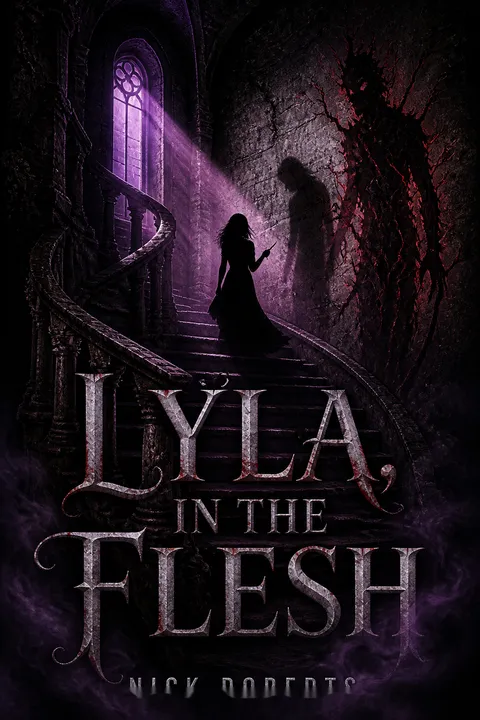

Plot Summary
Rain-Soaked Escape Attempt
Ann, a resident at the Claymont Residency for Writers, flees the castle on a stormy night, haunted by terror and secrets. She's desperate to escape the suffocating rules and the sinister presence lurking within the ancient Italian castle. As she waits for her taxi, she's stalked by something inhuman and ultimately betrayed by someone she thought she could trust. Her attempt to warn others is cut short by violence—her life ends beneath the wheels of a taxi, her secrets left behind in a hidden note. The prologue sets the tone: Claymont is a place of beauty and horror, where ambition and creativity are twisted by something dark and ancient.
Lyla's Unfulfilled Ambitions
Lyla Robbins, a recent college graduate, is stuck at home in West Virginia, her dreams of literary greatness stymied by rejection and self-doubt. She's haunted by the success of her peers and her own inability to fit into the literary world, especially as a horror writer. Her parents are supportive but their kindness only deepens her sense of failure. Lyla's search for purpose leads her to apply to the Claymont Residency, a mysterious, all-expenses-paid program in a renovated Italian castle. The promise of escape and creative freedom reignites her hope, even as she senses something uncanny about the opportunity.
The Invitation Arrives
After weeks of waiting, Lyla receives a purple envelope from Claymont, inviting her to join the residency. The acceptance is a lifeline, a validation of her talent and a ticket out of her stagnant life. Her parents are overjoyed, and Lyla is swept up in the fantasy of writing in a castle, surrounded by history and luxury. The reality of leaving home, however, is bittersweet—she's both excited and anxious, aware that this is her chance to prove herself, but also that she's stepping into the unknown.
Journey to Claymont
Lyla's journey from West Virginia to Umbria is long and disorienting, filled with airports, strangers, and the growing sense that she's leaving her old life behind. She meets quirky fellow travelers, navigates foreign cities, and is treated to unexpected luxuries by the residency's mysterious benefactors. The castle's arrival is marked by tradition and spectacle—a horse-drawn carriage, a grand entrance, and the first hints of the rules and rituals that govern life at Claymont. The beauty of the place is intoxicating, but Lyla can't shake the feeling that she's being watched.
Arrival at the Castle
The castle is both a dream and a labyrinth. Lyla is introduced to Julia, her enigmatic mentor, and Maurice, the imposing driver. She's given a tour of the opulent grounds, meets the other residents, and is briefed on the strict rules: no cell phones, curfew, and the mysterious figure known as The Reader. The amenities are lavish, but the atmosphere is charged with competition and secrecy. Lyla's first night is filled with awe, but also with a creeping sense of dread—especially when she glimpses a shadow in her closet and hears her name whispered in the dark.
Rules of the Residency
Claymont's structure is revealed: residents must meet weekly writing goals to earn privileges, and everything is monitored. The Reader, an unseen editor, is the ultimate authority, dispensing feedback from the castle's highest tower. The residents are a mix of ambition, insecurity, and ego, each with their own secrets and traumas. Lyla is both inspired and intimidated, struggling to find her place among them. The castle's history and the rituals of the program are designed to break down resistance and foster creativity—but also to isolate and control.
First Night's Terror
Lyla's first night is marked by a terrifying encounter: she wakes to find someone—or something—in her closet, hears tapping, and sees a figure at her window. Is it a prank, a night terror, or something supernatural? Her neighbor Linh tries to reassure her, but Lyla's sense of reality is shaken. The boundaries between dream and waking blur, and she begins to suspect that the castle itself is alive with secrets. The next day, she tries to rationalize her fear, but the sense of being watched lingers.
Meeting the Residents
At breakfast, Lyla is subjected to an intense initiation by the other residents, forced to recall their names and secrets. The exercise is both a hazing and a bonding ritual, breaking down barriers and exposing vulnerabilities. Julia, ever the orchestrator, pushes Lyla to confront her own insecurities and ambitions. The group dynamic is complex—supportive but competitive, honest but guarded. Lyla begins to feel a sense of belonging, but also recognizes the undercurrents of jealousy, trauma, and unresolved grief that bind the group together.
The Reader's Shadow
The presence of The Reader looms over everything. Residents submit their work to a locked box, receiving cryptic feedback and striving for approval. The fifth floor of The Keep is off-limits, shrouded in rumor and fear. Strange occurrences escalate: moving shadows, flickering lights, and residents behaving out of character. Lyla's writing is both an escape and a source of anxiety, as she feels herself being drawn into the castle's web. The sense of being manipulated—by the program, by Julia, by unseen forces—grows stronger.
Writing and Paranoia
As Lyla settles into the routine of writing, the castle's oppressive atmosphere begins to take its toll. She experiences vivid nightmares, sleep paralysis, and hallucinations. Other residents report similar experiences, but explanations are elusive—pranks, stress, or something darker? The discovery of Ann's hidden note in her bathroom ceiling is a turning point: a desperate warning from the previous occupant, detailing supernatural attacks, possession, and the true nature of The Reader. Lyla realizes she is in mortal danger, and that escape may be impossible.
Ann's Hidden Warning
Ann's note reveals the truth: the residency is a trap, designed to lure and sacrifice young women for a ritual connected to the Sterlings' dead daughter, Janie. The Reader is not an editor, but a restless spirit seeking a vessel. Ann's fate was sealed when she tried to leave; others have died before her. The castle's rituals, the rules, and the surveillance are all part of a larger scheme. Lyla is both terrified and galvanized—she must find a way to survive, warn the others, and escape the cycle.
The Ritual Revealed
The Sterlings' tragic backstory is unveiled: their daughter Janie, a gifted but troubled writer, died of an overdose. Wracked by guilt, they created Claymont as both a memorial and a means to bring her back. The residency is a front for a ritual designed to find a perfect vessel for Janie's spirit. As residents are eliminated, Lyla is selected as the final candidate. Betrayed by those she thought she could trust, she is drugged, bound, and brought to the fifth floor for the ritual. The lines between victim and participant blur as she faces the ultimate horror.
Possession and Betrayal
The ritual begins: Lyla is strapped to Janie's coffin, surrounded by the Sterlings and Julia. The truth of Janie's death—and the Sterlings' complicity—is revealed. Janie's vengeful spirit possesses Lyla, using her as a vessel to exact revenge on her parents and all who enabled the cycle. The possession is both a liberation and a violation—Lyla's consciousness is submerged as Janie takes control. The castle becomes a slaughterhouse, the Sterlings' dynasty ends in blood, and the cycle of trauma is both broken and perpetuated.
Janie's Story Unleashed
Inhabiting Lyla's body, Janie enacts her revenge, killing her parents and ensuring the truth of her story will be told. The narrative flashes through Janie's memories—her childhood, her alienation, her death, and her haunting of the castle. The residency's true purpose is exposed: a desperate attempt to atone for parental failure by sacrificing others. Janie's possession of Lyla is both a curse and a fulfillment—her story will finally be written, but at the cost of another's life and identity.
The End of the Sterlings
With the Sterlings dead and the castle's secrets laid bare, the residency collapses. Julia, revealed as a coerced accomplice, escapes with her own child, her silence bought with blood money. The other residents are scattered, traumatized but alive. The castle, once a haven for creativity, is now a mausoleum of ambition, guilt, and supernatural horror. Lyla's fate is sealed—her body survives, but her soul is lost. Janie, in the flesh, walks free, ready to claim a new life and tell her story to the world.
Lyla, In the Flesh
The final chapter is a chilling coda: Janie, now fully inhabiting Lyla's body, prepares to leave Italy and return to America. She will claim Lyla's life, her family, and her future, all while carrying the truth of what happened at Claymont. The cycle of trauma and possession continues, masked by the veneer of success and survival. The story ends with a sense of ambiguity and dread—Lyla's voice is silenced, but Janie's story will finally be told, at any cost.
Analysis
A modern gothic about ambition, trauma, and the cost of storytellingLyla, in the Flesh is a chilling meditation on the dangers of unchecked ambition, the hunger for validation, and the traumas that haunt both individuals and institutions. The castle residency is a microcosm of the literary world—beautiful, competitive, and predatory, promising greatness but demanding sacrifice. The novel explores the porous boundaries between self and other, between creativity and destruction, between victim and perpetrator. The supernatural horror is both literal and metaphorical—a restless spirit seeking a vessel, but also the ghosts of parental failure, unfulfilled dreams, and the stories we cannot escape. The ending is both cathartic and unsettling: Lyla's voice is silenced, but Janie's story is finally told, raising questions about agency, authorship, and the price we pay to be heard. The novel warns of the dangers of institutions that exploit vulnerability, the costs of denying trauma, and the seductive power of narrative to both heal and destroy.
Review Summary
Lyla, in the Flesh follows aspiring horror writer Lyla Robbins, who accepts a spot at an elite writing residency in an Italian castle. The retreat has strict rules and a mysterious editor called The Reader. Strange occurrences and suspicious benefactors suggest something sinister lurks beneath the surface. Most reviewers praised Roberts' atmospheric writing, slow-burn tension, and surprising twist ending, rating it highly. Several noted it differs from his previous work while maintaining his signature dread. Some felt the pacing dragged or found familiar tropes, but overall reactions were positive.
People Also Read
Characters
Lyla Robbins
Lyla is a young horror writer desperate to prove herself, burdened by rejection and self-doubt. Her journey to Claymont is both an escape and a quest for validation. Psychologically, Lyla is marked by imposter syndrome, a longing for belonging, and a fascination with darkness. Her relationships with the other residents are complex—she is both an outsider and a confidante, drawn into their secrets and rivalries. As the story progresses, Lyla's rationality is eroded by supernatural events, and her agency is gradually stripped away. Her ultimate fate—possession by Janie's spirit—reflects the novel's themes of ambition, sacrifice, and the cost of storytelling.
Ann Finley
Ann is the previous occupant of Lyla's room, whose desperate escape attempt and hidden note set the plot in motion. She is intelligent, resourceful, and increasingly paranoid, her psyche unraveling under the castle's influence. Ann's note is both a confession and a warning, revealing the true nature of Claymont and the fate that awaits its residents. Her relationship with Dante and her isolation from the group highlight the dangers of ambition and the vulnerability of outsiders. Ann's death is both a literal and symbolic erasure—her story is almost lost, but her voice persists through Lyla.
Julia Allard
Julia is the residency's admissions liaison and mentor, a figure of authority and ambiguity. Outwardly supportive and sophisticated, she is also manipulative, enforcing the castle's rules and rituals. Psychologically, Julia is torn between duty and guilt—her own child is held hostage by the Sterlings, forcing her complicity in the residency's dark purpose. Her relationship with Lyla is both nurturing and predatory, reflecting the novel's themes of trust, betrayal, and the costs of survival. Julia's eventual escape is bittersweet—a liberation bought with silence and complicity.
Lester and Regina Sterling
The Sterlings are wealthy philanthropists whose grief over their daughter Janie's death drives them to create Claymont. Outwardly benevolent, they are in fact orchestrators of a deadly ritual, sacrificing young women in a desperate attempt to bring Janie back. Psychologically, they are consumed by guilt, denial, and a need for control. Their relationship is strained by secrets and mutual blame. The Sterlings' arc is one of tragic hubris—their attempt to atone for parental failure leads only to further destruction.
Janie Sterling
Janie is the ghost at the heart of Claymont—a talented but troubled writer whose death haunts her parents and the castle. Her spirit is both victim and villain, seeking a vessel to finish her story and punish those who wronged her. Psychologically, Janie embodies the rage of the silenced, the trauma of neglect, and the destructive power of unfulfilled ambition. Her possession of Lyla is both a fulfillment and a violation, raising questions about identity, agency, and the price of storytelling.
Dante Farina
Dante is the program director, a local Italian with a complicated relationship to the residency and its staff. Outwardly charming and competent, he is also an alcoholic, haunted by guilt over past relationships with residents (notably Ann) and his complicity in the castle's secrets. Dante's attempts to help Lyla are ultimately futile—he is killed for his efforts, a victim of both supernatural and human forces. His arc reflects the dangers of complicity and the limits of redemption.
Linh
Linh is Lyla's next-door neighbor, a talented writer with a history of sleepwalking and blackouts. She is both friend and threat—at times herself, at times possessed by Janie's spirit. Linh's psychological instability is both a symptom and a tool of the castle's influence. Her relationship with Lyla is marked by moments of genuine connection and chilling betrayal. Linh's arc underscores the novel's themes of identity, agency, and the porous boundaries between self and other.
Deja, Rae, and Other Residents
The other residents of Claymont are a diverse group of young women, each with their own ambitions, traumas, and secrets. They are both allies and rivals, bound together by the pressures of the program and the castle's influence. Their psychological profiles range from overachievers to burnouts, from cynics to idealists. Their relationships with Lyla are complex—supportive, competitive, and at times hostile. Collectively, they represent the costs of ambition and the dangers of isolation.
Leo
Leo is a young Italian man who works as a carriage driver and barista in Umbertide. He is one of the few locals sympathetic to the residents, providing Lyla with information, support, and a potential escape route. Psychologically, Leo is grounded, skeptical, and compassionate—a contrast to the insular, paranoid world of the castle. His relationship with Lyla is marked by flirtation, trust, and mutual dependence. Leo's arc is one of limited agency—he can help, but he cannot save.
The Reader
The Reader is both a literal figure—the supposed editor in the tower—and a symbol of the castle's power. In reality, The Reader is Janie's spirit, seeking a vessel to finish her story and enact revenge. The myth of The Reader is used to control and manipulate the residents, turning ambition into vulnerability. Psychologically, The Reader embodies the dangers of unchecked authority, the hunger for validation, and the destructive potential of storytelling.
Plot Devices
The Isolated Castle Residency
The castle is both a physical and psychological labyrinth, designed to isolate, surveil, and manipulate its residents. Its history, architecture, and rituals create an atmosphere of beauty and dread, amplifying ambition and paranoia. The setting is a character in itself, shaping the narrative through its rules, secrets, and supernatural influence. The isolation intensifies the residents' vulnerabilities, making them susceptible to both human and supernatural predation.
The Unseen Authority
The Reader is a classic gothic device—a mysterious, unseen authority whose approval is both coveted and feared. The myth of The Reader is used to enforce discipline, foster competition, and mask the true purpose of the residency. The device of anonymous feedback, locked boxes, and forbidden spaces creates an atmosphere of surveillance and dread. The eventual revelation that The Reader is a vengeful spirit seeking a vessel is both a twist and a fulfillment of the narrative's foreshadowing.
Possession and Doubling
The novel uses possession—both literal and metaphorical—as a central device. Residents are "possessed" by ambition, by the castle's influence, and ultimately by Janie's spirit. The doubling of characters (Lyla/Ann, Lyla/Janie, Linh/Janie) blurs the boundaries between self and other, raising questions about agency, authorship, and the costs of storytelling. The device is used to create suspense, horror, and psychological complexity.
Found Documents and Hidden Warnings
Ann's hidden note is a classic gothic device—a desperate message from the past that reveals the truth and propels the protagonist into action. The use of found documents, secret codes, and hidden messages creates a sense of narrative layering, as the present is haunted by the unresolved traumas of the past. The device also serves as a commentary on the power and fragility of storytelling—stories can be hidden, erased, or stolen, but they persist.
Ritual and Sacrifice
The residency's rituals—writing goals, curfews, submission boxes—are revealed to be part of a larger sacrificial scheme. The device of ritual is used to explore the costs of ambition, the dangers of unchecked authority, and the thin line between creativity and destruction. The climactic ritual on the fifth floor is both a literal and symbolic sacrifice, enacting the novel's themes of possession, betrayal, and the hunger for validation.
Foreshadowing and Narrative Structure
The novel's structure is circular—Ann's fate foreshadows Lyla's, and the cycle of possession and sacrifice repeats. The use of doubling, mirrored scenes, and recurring motifs (the closet, the window, the tapping) creates a sense of inevitability and dread. The narrative is structured to gradually reveal the truth, layering psychological horror with supernatural terror. The ending is both a resolution and a continuation—the cycle is broken, but the story persists.
Download PDF
Download EPUB
.epub digital book format is ideal for reading ebooks on phones, tablets, and e-readers.








































