
Plot Summary
Invitation to The Grange
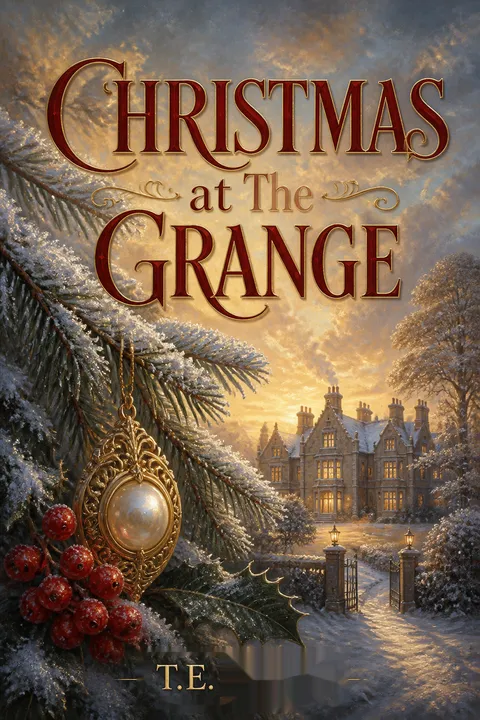
Lady Hardcastle and her loyal maid, Florence Armstrong, are invited by their exuberant friend Lady Farley-Stroud to spend Christmas at The Grange, the grand country house. Despite initial reluctance, the invitation is accepted, with the promise of festive camaraderie and a break from their usual quiet routine. The warmth of the invitation, laced with humor and gentle pressure, sets the tone for a holiday filled with both tradition and the unexpected. The prospect of mingling with family, friends, and villagers hints at both joy and potential chaos, foreshadowing the blend of comfort and intrigue that will define their Christmas.
Festive Preparations Begin
Florence is tasked with gathering an impressive array of food and drink for the festivities, navigating both the local butcher and the city wine merchant. The preparations are not just about abundance but about community, as gifts and treats are planned for villagers and staff alike. The exchange between Florence and Lady Hardcastle reveals their deep bond, built on years of shared adventures and mutual respect. The anticipation of Christmas is tinged with nostalgia and gratitude, as Florence reflects on her good fortune and the kindness of her employer, setting a heartfelt foundation for the days ahead.
Christmas Eve Revelries
The Grange fills with relatives, friends, and local notables, each bringing their own quirks and histories. The evening is marked by music, games, and laughter, with Lady Hardcastle and Florence seamlessly blending into the lively company. The children's antics, the adults' banter, and the warmth of shared traditions create an atmosphere of conviviality. Yet, beneath the surface, subtle tensions and old rivalries flicker, hinting at the complexities of family gatherings. The night's festivities, rich with song and spirited games, set the stage for the mystery soon to unfold.
A Country Christmas Morning
Christmas morning dawns with the exchange of thoughtful gifts between Lady Hardcastle and Florence, each present reflecting their shared past and deep affection. The quiet intimacy of their morning is a counterpoint to the grandeur of The Grange, highlighting the personal connections that underpin the holiday. As they prepare to join the larger celebration, the sense of belonging and gratitude is palpable. The day promises both indulgence and togetherness, but an undercurrent of anticipation suggests that not all will go as planned.
The Stolen Pearl Pendant
Lady Farley-Stroud discreetly reveals to Lady Hardcastle and Florence that a valuable pearl pendant has been stolen from Hattie Beaufort's room during the night. The theft is shrouded in secrecy to avoid scandal, especially given Hattie's husband's banking career. The request for discretion and the desire to solve the matter internally draw Lady Hardcastle and Florence into an impromptu investigation. The festive mood is tinged with intrigue, as the pair's reputation for sleuthing is quietly called upon to restore order and protect the family's honor.
Clues in the Snow
Investigating the scene, Florence and Lady Hardcastle discover a series of clues: a thread of fine blue worsted wool, a man's dress shoe print, and cigar ash. The evidence suggests the thief is not a common criminal but someone from the house's social circle. The methodical gathering of clues, combined with their knowledge of tailoring and observation, narrows the field of suspects. The investigation is both playful and serious, as the women balance their roles as guests and detectives, determined to unravel the mystery without disrupting the holiday spirit.
Suspicions and Theories
As the investigation progresses, Lady Hardcastle and Florence consider the possible culprits among the well-dressed gentlemen in attendance. The abundance of blue suits and polished shoes complicates matters, while the presence of cigar smokers adds another layer of ambiguity. The pair's banter and deductive reasoning reveal both their camaraderie and their frustration at the case's apparent simplicity. The clues seem almost too convenient, prompting doubts about the authenticity of the crime and the motives behind it.
Boxing Day Bean-Feast
Boxing Day brings the villagers to The Grange for a grand feast, with Lady Hardcastle and Florence serving alongside the family. The event is a joyful display of generosity and community spirit, but also provides an opportunity for discreet observation. Conversations with villagers and estate workers yield little, reinforcing the suspicion that the thief is from within the house. The festive atmosphere contrasts with the underlying tension of the unresolved theft, as the detectives quietly gather information.
The Village Revue
The evening's entertainment—a lively revue featuring villagers and family members—offers both amusement and a chance for Lady Hardcastle and Florence to observe the suspects in a relaxed setting. The prevalence of blue suits among the men and the camaraderie of the group make it difficult to single out the culprit. A staged clumsy fall allows Florence to inspect shoes for the telltale notch seen in the footprint, but the results are inconclusive. The mystery deepens, and the detectives are left with more questions than answers.
Too Many Blue Suits
The investigation stalls as nearly every gentleman present matches the description suggested by the clues. The abundance of evidence, rather than clarifying the case, only serves to muddy the waters. Lady Hardcastle and Florence reflect on the peculiarity of the situation, noting that the clues seem almost staged. Their growing suspicion that the crime is not what it appears to be leads to a night of restless contemplation, as they search for the missing piece of the puzzle.
The Clumsy Sleuth
Determined to gather more evidence, Florence orchestrates a fall to inspect the soles of the suspects' shoes. Despite her efforts, the crucial notch is not found, and the investigation appears to reach a dead end. The pair's frustration is tempered by their humor and mutual support, but the sense of being manipulated lingers. The case, which seemed straightforward, now feels deliberately constructed, prompting a reevaluation of their approach.
The Puzzle Deepens
As the day ends, Lady Hardcastle and Florence share cocoa and conversation, reflecting on the abundance of clues and the lack of resolution. Their experience as detectives tells them that something is amiss—the evidence is too neat, the suspects too obvious. The realization that they may be the targets of an elaborate ruse begins to take shape. The night's introspection sets the stage for a breakthrough, as they resolve to approach the mystery with fresh eyes in the morning.
A Night of Reflection
The next morning, Lady Hardcastle awakens with a new perspective. She recognizes that the case's unusual abundance of clues and the theatrical nature of the evidence point to a staged crime. The pair quickly devise a plan to test their theory, enlisting the help of an inspector from Bristol. Their renewed sense of purpose and the thrill of the chase reinvigorate their partnership, as they prepare to confront the household with their findings.
The Morning Revelation
Lady Hardcastle and Florence coordinate with Inspector Sunderland to stage a dramatic confrontation in front of the assembled family and guests. Florence retrieves the missing pendant from the supposed culprit's room, and the inspector delivers a formal accusation. The tension in the room is palpable, as the assembled company reacts with shock, indignation, and laughter. The scene is both farcical and suspenseful, capturing the spirit of a drawing-room mystery.
The Confrontation Unfolds
The confrontation quickly unravels as Lady Hardcastle exposes the staged nature of the crime. The family and guests, unable to maintain the charade, confess to orchestrating the entire affair as a form of Christmas entertainment for their celebrated sleuthing friends. The clues, the suspect, and even the inspector were all part of an elaborate ruse designed to amuse and challenge Lady Hardcastle and Florence. The revelation is met with applause and good-natured ribbing, as the detectives accept the joke with grace.
The Truth Revealed
The true purpose of the staged mystery is revealed: the family wished to honor Lady Hardcastle and Florence for their contributions to the village and their friendship. The pearl pendants, ostensibly the object of the theft, are presented as gifts to the two women, symbols of appreciation and affection from the entire community. The moment is both touching and humorous, as the detectives are celebrated not just for their skills but for their kindness and spirit.
Gifts and Goodbyes
The story concludes with a final meal shared among friends, laughter over the details of the ruse, and heartfelt goodbyes. Lady Hardcastle and Florence, touched by the gesture and the warmth of the community, reflect on the meaning of friendship, gratitude, and belonging. As they walk home together, the holiday's true spirit—connection, generosity, and joy—lingers, leaving them with memories to cherish and a renewed sense of home.
Analysis
A celebration of community, friendship, and the joy of storytelling"Christmas at The Grange" is both a loving homage to and a gentle satire of the classic country house mystery. By centering the narrative on a staged crime, Kinsey invites readers to reflect on the pleasures of both solving and constructing mysteries. The story's true heart lies in its depiction of friendship, gratitude, and the bonds that unite people across class and circumstance. The elaborate ruse, rather than undermining the detectives' skills, serves as a testament to the affection and respect they inspire in those around them. The novel's humor, warmth, and self-awareness make it a modern meditation on the enduring appeal of communal celebration and the power of narrative to bring people together. Ultimately, the lesson is that the greatest gifts are not material, but the connections we forge and the joy we share.
Characters
Lady Hardcastle
Lady Hardcastle is the heart of the narrative—a sharp-minded, unconventional widow with a taste for adventure and a reputation for solving mysteries. Her relationship with Florence Armstrong is one of deep mutual respect and affection, blending the boundaries of class and friendship. Lady Hardcastle's wit, resourcefulness, and sense of humor make her both a formidable detective and a beloved companion. Throughout the story, she balances her role as guest and investigator, navigating social intricacies with grace. Her psychological resilience and curiosity drive the narrative, while her warmth and generosity endear her to both the household and the village.
Florence Armstrong
Florence, Lady Hardcastle's maid and partner in detection, is both grounded and fiercely intelligent. Her background as the daughter of a circus knife-thrower and her practical skills make her an invaluable asset in any investigation. Florence's psychoanalytic insight, attention to detail, and dry humor complement Lady Hardcastle's flamboyance. She navigates the complexities of class with ease, earning the respect and affection of both servants and gentry. Florence's emotional depth is revealed in her reflections on gratitude and belonging, and her development is marked by increasing confidence and agency within the partnership.
Lady Farley-Stroud
Lady Farley-Stroud is the driving force behind the holiday gathering, orchestrating both the festivities and the staged mystery. Her warmth, humor, and occasional bluntness set the tone for the household. As a friend to Lady Hardcastle and a leader within her family, she balances tradition with a willingness to embrace the unconventional. Her psychological acuity is evident in her ability to manage both family dynamics and village relations, and her affection for Lady Hardcastle and Florence is genuine and deeply felt.
Sir Hector Farley-Stroud
Sir Hector embodies the jovial, slightly bumbling country gentleman. His love of tradition, good food, and drink is matched by his affection for family and friends. Sir Hector's easygoing nature and willingness to play along with the holiday ruse reveal a playful side, while his respect for Lady Hardcastle's intellect is clear. He serves as both comic relief and a stabilizing presence within the household, his psychological simplicity contrasting with the more complex characters around him.
Hattie Beaufort
Hattie, the supposed victim of the theft, is a young mother juggling family responsibilities and the pressures of her husband's career. Her exhaustion and good humor are evident, as is her adaptability in the face of both familial chaos and the staged crime. Hattie's relationship with Lady Hardcastle and Florence is marked by gratitude and trust, and her role in the ruse demonstrates both her willingness to participate in family schemes and her appreciation for the detectives' friendship.
Cornelius Beaufort / Julius Goodheart
Cornelius, Hattie's husband, assumes the role of Julius Goodheart, the fabricated suspect in the staged mystery. His performance as the charming, cigar-smoking guest is convincing, and his willingness to play the villain for the sake of entertainment reveals both a sense of humor and a deep affection for his family and friends. Psychologically, Cornelius is adaptable and playful, comfortable with deception in the service of joy. His relationship with Hattie and the rest of the family is affectionate and collaborative.
Sir Edward Chambers
Sir Edward, a family member and friend, is both participant and audience in the holiday festivities. His legal expertise and dry humor add depth to the group dynamic, while his willingness to be "sleuthed" by Florence demonstrates a good-natured acceptance of the family's eccentricities. Sir Edward's psychological profile is marked by a blend of pride and humility, as he enjoys both the spotlight and the camaraderie of the group.
Alberta "Bertie" Chambers
Bertie, Sir Edward's wife, is a steadying presence within the family. Her role is less pronounced, but her observations and quiet support contribute to the household's harmony. Bertie's psychological strength lies in her ability to navigate family dynamics with grace, providing a counterbalance to more flamboyant personalities.
Mrs Joyce Adaway
Sir Hector's sister, Mrs Adaway, is a figure of old-fashioned values and rigid propriety. Her skepticism toward Florence and Lady Hardcastle reflects her discomfort with social change and unconventional behavior. Psychologically, she represents the tension between tradition and modernity, serving as both foil and comic relief within the narrative.
Inspector Sunderland
Inspector Sunderland, brought in for the staged confrontation, is both a participant in the ruse and a symbol of official authority. His willingness to play along with the family's scheme demonstrates flexibility and a sense of humor. Psychologically, he is grounded and practical, providing a reassuring presence amid the holiday chaos.
Plot Devices
Staged Mystery as Holiday Entertainment
The central plot device is the deliberate staging of a "crime" by the family to entertain and honor Lady Hardcastle and Florence. This device allows the narrative to both celebrate and gently parody the conventions of the country house mystery. The abundance of clues, the carefully constructed evidence, and the dramatic confrontation all serve to engage the detectives—and the reader—in a game of deduction. The device also enables a deeper exploration of themes such as friendship, gratitude, and the nature of storytelling itself. Foreshadowing is used to hint at the artificiality of the crime, while the narrative structure mirrors the classic detective story, culminating in a drawing-room revelation that subverts expectations.
Lady Hardcastle Mysteries Series

Download PDF
Download EPUB
.epub digital book format is ideal for reading ebooks on phones, tablets, and e-readers.








































