
Plot Summary
Ghosts and Broken Promises
Isabel, a young enslaved girl, begins her story at her mother's grave, desperate for guidance from the past. Her world is upended by the death of Miss Mary Finch, the woman who owned her and her younger sister, Ruth. Miss Mary's promise of freedom, written in a will, is all that sustains Isabel. But the will vanishes with the lawyer, and the girls are left at the mercy of Mary's greedy nephew, Mr. Robert. Isabel's longing for her mother's spirit and the hope of liberty is met with silence, and the world around her grows colder and more uncertain. The seeds of hope are planted in grief, and Isabel's journey begins with loss, longing, and the faintest glimmer of possibility.
Sold Like Possessions
Isabel and Ruth are sold at a tavern auction, their humanity reduced to a transaction between white hands. The sisters are purchased by the Locktons, a wealthy Loyalist couple from New York, after a tense bidding war. Isabel's memories of her family's earlier separation haunt her, and she fears losing Ruth forever. The trauma of being sold, the indignity of being inspected like livestock, and the helplessness of being unable to protect her sister weigh heavily on Isabel. Yet, even as she is stripped of her past and possessions, she clings to the memory of Miss Mary's promise and the seeds her mother left behind, determined to find a way to keep her family together.
Seeds of Hope
The sisters endure a harrowing sea voyage to New York, crammed below deck with livestock and strangers. Isabel's seasickness and Ruth's innocent wonder at the world contrast sharply. Isabel reflects on her ancestors' forced journeys across water, the ghosts left behind, and the impossibility of returning home. The seeds she carries in her pocket become a symbol of hope and continuity, a secret link to her mother and a future she cannot yet see. As the city's skyline emerges, Isabel steels herself for the unknown, determined to survive and protect Ruth, even as the chains of slavery tighten around them.
Arrival in New York
New York is a bustling, divided city, teeming with soldiers, slaves, and secrets. The Locktons' arrival is met with suspicion and political tension, as Loyalists and Patriots vie for control. Isabel witnesses the hypocrisy of those who speak of liberty while owning slaves. She is introduced to Curzon, a slave boy who urges her to spy for the Patriots in exchange for a chance at freedom. The city's chaos mirrors Isabel's inner turmoil, as she navigates new rules, new dangers, and the ever-present threat of separation from Ruth. The promise of freedom is both a lure and a risk, and Isabel must decide whom to trust.
Chains and Choices
Life in the Lockton household is harsh and unpredictable. Madam Lockton is cruel, quick to punish, and capricious in her treatment of Ruth, whom she dresses as a pet and parlor curiosity. Isabel is forced into endless labor, always under threat of violence. The household is a microcosm of the city's divided loyalties, with secret meetings and whispered plots. Isabel's intelligence and literacy make her valuable, but also vulnerable. The offer from Curzon to spy for the Patriots tempts her, but the risks to herself and Ruth are immense. Every day, Isabel must choose between obedience and resistance, silence and action.
The Loyalist Household
Isabel learns the rhythms of the Lockton house, the dangers of Madam's temper, and the importance of invisibility. She finds small ways to rebel—saving cobwebs for wounds, hiding seeds, and memorizing overheard conversations. Ruth's fits draw Madam's wrath, and Isabel's fear for her sister grows. The city outside is restless, with rumors of war, plots, and shifting allegiances. Isabel's encounters with Curzon deepen her understanding of the larger struggle, but her focus remains on Ruth's safety. The household's secrets become her burden, and the line between survival and betrayal blurs.
Ruth's Silence
Ruth's epilepsy is mistaken for demonic possession by Madam, who reacts with violence and terror. Isabel's attempts to protect her sister are met with brutality. The threat of Ruth being sold or harmed becomes real, and Isabel's desperation intensifies. The sisters' bond is tested by fear and powerlessness. Isabel's sense of responsibility for Ruth, promised to her mother, becomes both her strength and her torment. The world narrows to the kitchen, the cellar, and the constant vigilance required to keep Ruth safe. The cost of silence and obedience becomes unbearable, and Isabel's resolve to act hardens.
The Spy's Dilemma
Faced with the Locktons' treasonous plotting and the Patriots' need for information, Isabel chooses to act. She sneaks out at night, braving the city's dangers to deliver secrets to Curzon and Colonel Regan. The promise of freedom for herself and Ruth drives her, but the risks are enormous. Isabel's intelligence, memory, and courage make her an effective spy, but her actions go unnoticed and unrewarded by those in power. The Patriots' promises prove as fragile as the Loyalists', and Isabel learns that freedom is not easily given, even to those who risk everything for it. The chains around her tighten, but her spirit refuses to break.
Secrets in the Library
Isabel's spying is discovered, and she is betrayed by those she hoped would help her. Madam Lockton's cruelty reaches new heights as Isabel is branded on the face with the letter "I" for insolence. The physical pain is matched by the humiliation and the realization that neither side—Patriot nor Loyalist—sees her as fully human. Isabel's sense of self is shattered, but in the depths of her suffering, she finds a new strength. The brand becomes a mark of survival, a country mark like her father's, and a symbol of her refusal to be erased. The cost of resistance is high, but Isabel's resolve is unbroken.
Betrayal and Branding
The ultimate betrayal comes when Ruth is sold away in the night, despite Isabel's every effort to protect her. Drugged and locked away, Isabel awakens to a world without her sister, her only family. The loss is devastating, and Isabel's grief turns to rage. She confronts Madam, risking her life, and is brutally punished. The world becomes a prison, and Isabel's hope flickers dangerously low. Yet, even in the darkest moments, the memory of Ruth and the promise to her mother drive Isabel to survive, to fight, and to dream of freedom.
Fire and Ashes
A great fire sweeps through New York, destroying homes and lives. Amid the chaos, Isabel saves Lady Seymour, who shows her rare kindness and understanding. The city's destruction mirrors Isabel's inner landscape—burned, scarred, and yet not entirely destroyed. The fire brings new dangers and new opportunities, as the British occupation intensifies and the lines between friend and foe blur. Isabel's acts of compassion and courage earn her small moments of dignity, but the chains of slavery remain. The ashes of the city become the soil in which new hope might grow.
Prisoners and Promises
Curzon is captured and imprisoned in brutal conditions. Isabel, risking her own safety, brings him food and messages, becoming his lifeline. The horrors of the prison—starvation, disease, and death—are a stark reminder of the war's cost and the indifference of those in power. Isabel's loyalty to Curzon and her growing sense of justice push her to defy Madam's orders and the city's laws. The promise of freedom, once offered by both Patriots and Loyalists, is revealed as hollow, and Isabel must find her own path. The seeds of rebellion take root in her heart.
The Price of Freedom
With Ruth gone and Curzon near death, Isabel makes a desperate choice. She forges a pass, steals food and money, and breaks Curzon out of prison, risking everything for a chance at freedom. The escape is perilous, marked by fear, exhaustion, and the ever-present threat of capture. Isabel's journey across the river is both literal and symbolic—a crossing from bondage to self-determination. The cost of freedom is high, and the future is uncertain, but Isabel claims her name, her story, and her right to choose her own destiny. The river Jordan is crossed, and a new life begins.
Analysis
Chains is a searing exploration of the contradictions at the heart of the American Revolution, told through the eyes of a young enslaved girl whose quest for freedom mirrors the nation's own. Laurie Halse Anderson's novel exposes the hypocrisy of a society that fights for liberty while perpetuating slavery, forcing readers to confront uncomfortable truths about history and justice. Isabel's journey is both deeply personal and profoundly political—a story of loss, resilience, and the refusal to be defined by others' chains. The novel's power lies in its psychological depth, its unflinching portrayal of suffering, and its insistence on the humanity of those history has tried to erase. The lessons are clear: freedom is not given, but claimed; hope can survive even in the ashes; and the fight for justice is ongoing, demanding courage, sacrifice, and the willingness to cross one's own river Jordan. Chains invites modern readers to reflect on the unfinished work of liberty and the enduring strength of those who dare to dream of a better world.
Review Summary
People Also Read

Characters
Isabel Gardener
Isabel is the heart of the story—a young enslaved girl whose journey from grief and bondage to self-liberation is both harrowing and inspiring. Orphaned and promised freedom, she is instead sold and forced to navigate the treacherous world of Revolutionary New York. Her love for her sister Ruth is her guiding star, and her promise to her mother shapes every decision. Isabel is resourceful, literate, and possesses a remarkable memory, which makes her both valuable and vulnerable. Her psychological journey is one of awakening: from obedience and hope in others' promises to a hard-won understanding that freedom must be seized, not given. The branding she endures becomes a symbol of her survival and identity, and her final act of escape is a declaration of selfhood and agency.
Ruth
Ruth, Isabel's younger sister, is simple-minded and prone to epileptic fits, which are misunderstood as demonic possession. Her vulnerability makes her both precious and endangered. Ruth's presence is a constant source of anxiety and motivation for Isabel, who sees herself as her sister's protector. The trauma of Ruth's sale is a turning point for Isabel, fueling her rage and resolve. Ruth represents innocence lost, the cruelty of slavery, and the enduring power of familial love. Even in absence, she remains the anchor of Isabel's hope and the reason for her quest for freedom.
Madam Anne Lockton
Madam Lockton is the primary antagonist—a wealthy Loyalist whose cruelty, paranoia, and need for control make her a terrifying mistress. She is quick to violence, especially toward Ruth, and delights in asserting her power over Isabel. Madam's psychological complexity lies in her own sense of victimhood and entitlement, which she projects onto those she owns. Her actions—selling Ruth, branding Isabel, and manipulating those around her—are driven by fear, insecurity, and a desperate need to maintain her status. She is both a product and perpetrator of the system of slavery, and her interactions with Isabel reveal the dehumanizing effects of absolute power.
Elihu Lockton
Master Lockton is a Loyalist merchant deeply involved in plots against the Patriot cause. He is less overtly cruel than his wife but is equally complicit in Isabel's suffering. His political machinations and willingness to use people as pawns reflect the broader hypocrisies of the era. Lockton's relationship with Isabel is transactional—she is valuable only as property or a tool. His ability to navigate both sides of the conflict, switching allegiances as needed, mirrors the moral ambiguity of the times. He is a symbol of the self-interest and duplicity that pervade both sides of the war.
Curzon
Curzon is a young enslaved boy who becomes Isabel's friend, confidant, and eventual partner in escape. He is passionate about the Patriot cause, believing in the promise of liberty even as he is denied it. Curzon's willingness to risk his life for freedom and justice inspires Isabel, but also exposes the limitations of the Patriots' ideals. His imprisonment and suffering highlight the indifference of both sides to the plight of black Americans. Curzon's psychological resilience and loyalty make him a beacon of hope, and his relationship with Isabel is one of mutual respect, challenge, and growth.
Lady Seymour
Lady Seymour, Master Lockton's aunt, is a rare figure of kindness in Isabel's world. She recognizes Isabel's intelligence and humanity, offering her food, shelter, and moments of dignity. Lady Seymour's own suffering—illness, loss, and dependence—mirrors Isabel's, and her attempts to buy Isabel's freedom reveal both her limitations and her moral clarity. She is a symbol of the possibility of goodness within a corrupt system, and her final act—urging Isabel to run—cements her role as an ally, if not a savior.
Becky Berry
Becky is the white housekeeper in the Lockton household, caught between her own precarious position and the suffering of the enslaved girls. She offers Isabel practical advice and occasional kindness but is ultimately limited by her fear and self-interest. Becky's warnings about Madam's cruelty and her attempts to shield Isabel and Ruth reveal her empathy, but her inability to act decisively underscores the complicity of bystanders in systems of oppression. She is a nuanced figure, neither villain nor hero, but a survivor navigating a dangerous world.
Mr. Robert Finch
Mr. Robert is the nephew of Miss Mary Finch and the catalyst for Isabel and Ruth's sale. His disregard for the girls' humanity and his eagerness to profit from their suffering set the story in motion. He embodies the economic motivations behind slavery and the ease with which promises and legal rights can be erased. His actions are driven by self-interest, and his presence haunts Isabel as a reminder of the fragility of hope and the dangers of trust.
Colonel Regan
Colonel Regan is a Patriot officer who promises Isabel help in exchange for her spying but ultimately fails to deliver. His inability to act decisively on Isabel's behalf reflects the limitations of the Patriot cause and the persistence of racial injustice, even among those who speak of liberty. Regan's interactions with Isabel are marked by good intentions, but his adherence to the law and social order outweigh his sense of justice. He is a symbol of the gap between ideals and actions.
Grandfather
Grandfather is an elderly enslaved man at the Tea Water Pump, marked by African scars and wisdom. He offers Isabel guidance, reminding her of the importance of finding her own "river Jordan"—her path to freedom. Grandfather represents the continuity of African heritage, the resilience of the enslaved community, and the power of memory and tradition. His presence is a source of comfort and inspiration for Isabel, grounding her in a history that predates and transcends her bondage.
Plot Devices
Duality of Freedom and Slavery
The novel's central device is the juxtaposition of the American Revolution's rhetoric of liberty with the reality of slavery. Isabel's journey is set against the backdrop of a nation fighting for its own freedom while denying it to others. This duality is explored through plot events (the Patriots' and Loyalists' broken promises), character interactions (Curzon's faith in the cause vs. Isabel's skepticism), and symbolic moments (the branding, the burning of New York, the pulling down of King George's statue). The narrative structure alternates between moments of hope and betrayal, mirroring Isabel's psychological struggle and the nation's moral contradictions.
Symbolism of Seeds and Chains
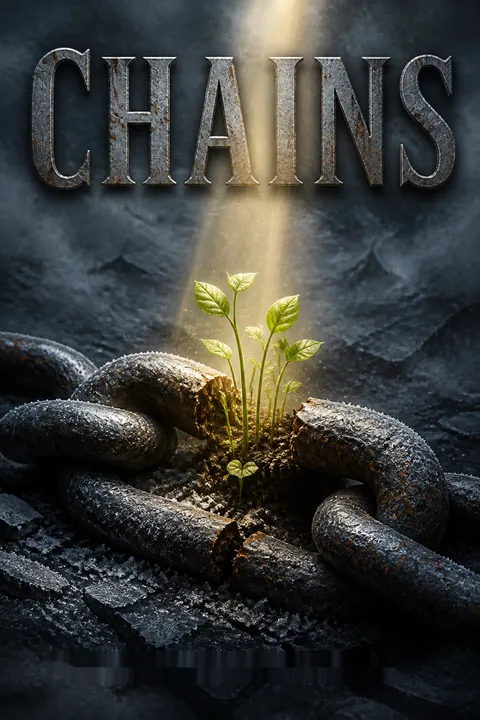
Seeds, carried by Isabel from her mother, symbolize hope, continuity, and the possibility of growth even in hostile soil. They are a tangible link to her past and a metaphor for the future she dreams of. Chains, both literal and figurative, represent the physical and psychological bonds of slavery. The act of planting seeds, the breaking of chains, and the crossing of the river are recurring motifs that structure the narrative and underscore the themes of resilience and transformation.
Foreshadowing and Irony
The novel employs foreshadowing through Miss Mary's lost will, Curzon's warnings, and the repeated references to broken promises. Irony pervades the story: those who speak loudest of liberty are often the most complicit in oppression; acts of kindness come from unexpected sources, while betrayal comes from those who claim to help. The branding of Isabel, intended as a mark of shame, becomes a badge of survival and identity. The river, a barrier to freedom, becomes the path to it.
Psychological Realism and Internal Monologue
The narrative is driven by Isabel's internal monologue, her memories, and her evolving sense of self. Her psychological realism—her doubts, fears, hopes, and moments of rage—grounds the story in lived experience. The use of first-person perspective allows readers to inhabit Isabel's world, feel her pain, and celebrate her victories. The gradual shift from dependence on others' promises to self-liberation is mirrored in the narrative structure, culminating in her escape and reclamation of her name.
Seeds of America Series

Download PDF
Download EPUB
.epub digital book format is ideal for reading ebooks on phones, tablets, and e-readers.








































