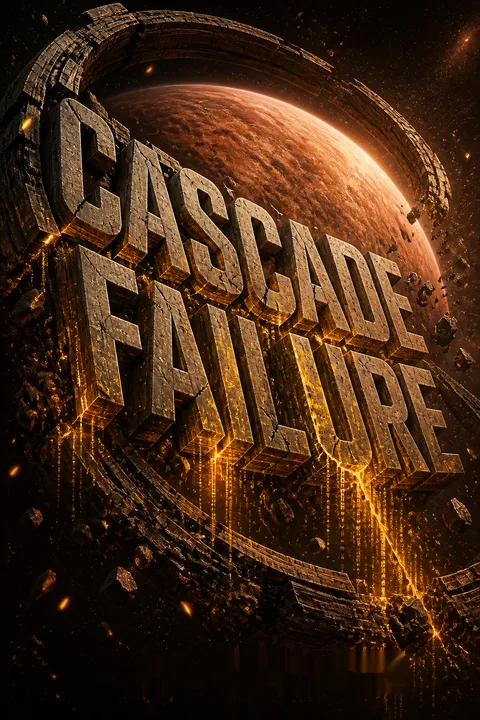

Plot Summary
Outpost Strays and Old Ghosts
Jalsen "Jal" Red, a genetically engineered ex-Guild ranger, drifts into a bustling outpost, desperate for a way home and a fresh start. He's a man marked by trauma and desertion, carrying the weight of a betrayal that's left him an outcast. The outpost is a microcosm of the wider universe: corporate Trust ships gleam, while battered vessels and their crews hustle for survival. Jal, wary of both the Trust and his old Guild, stumbles onto the Ambit, a ship with no flag but plenty of character. He's drawn in by the promise of anonymity and a chance to run from his past, but fate—and the ship's AI captain, Eoan—have other plans. The ghosts of his former life are never far behind, and as he steps aboard, he's forced to confront the possibility that running may not be enough.
The Ambit's Unlikely Crew
Jal's arrival on the Ambit is anything but smooth. The ship's crew is a patchwork of misfits: Nash, the sharp-tongued, biomechanically augmented engineer; Saint, the stoic ex-soldier and Jal's old comrade; and Eoan, the ship's enigmatic AI captain. Each carries their own scars and secrets, but together they form a fragile, functional family. Jal's presence stirs up old wounds, especially for Saint, who once trusted Jal with his life. The crew's dynamic is tense but laced with humor and warmth, as they navigate the unspoken rules of trust and survival. Eoan, ever curious, orchestrates their interactions with a scientist's detachment and a friend's hope. As the Ambit sets out on its next job, Jal must decide if he can be more than a ghost among the living.
Ghosts of the Past
Saint and Jal's shared history is a minefield of regret and longing. Saint, once Jal's mentor and friend, is torn between anger at Jal's desertion and the ache of loss. Their reunion is explosive: accusations fly, and the truth of Jal's disappearance remains buried beneath layers of pain. Nash, ever the pragmatist, tries to keep the peace, but even she can't ignore the tension. Eoan, fascinated by human emotion, observes and nudges, hoping to heal the rift. The crew's mission—a routine supply run—becomes a crucible, forcing them to confront what binds and divides them. As secrets threaten to unravel the fragile trust they've built, the Ambit's crew must choose whether to face the past or let it destroy their future.
Distress Call in the Dark
A Guild-coded distress beacon draws the Ambit to a derelict shipping depot on a dead planet. The crew, joined by Jal, investigates, uncovering a scene of eerie stillness: the entire outpost is a graveyard, its inhabitants mummified in place. The only survivor is Anke, a brilliant but anxious Guild programmer, trapped and nearly suffocated in a collapsed ship. The rescue is harrowing, with Jal risking his life to save her. The depot's secrets run deeper: evidence points to a catastrophic failure in the planet's terraforming system, but Anke suspects sabotage. As the crew escapes a deadly explosion, they realize they've stumbled onto a conspiracy that could threaten worlds—and that someone, or something, wants to keep it buried.
Deadworld Discovery
Anke reveals her theory: the so-called "Deadworld Code" is a weaponized virus, designed to turn terraforming systems against their own planets, wiping out populations with plausible deniability. The Trust, the corporate behemoth ruling the spiral, is implicated in using the code to clear out unprofitable or troublesome colonies. The crew is horrified, but Anke's evidence is incomplete—she needs access to another dead planet to test her patch, a potential cure. The Ambit's crew, now including Anke, debates their next move. The stakes are no longer personal; they're existential. As they set course for the next target, the bonds between them are tested by fear, guilt, and the weight of responsibility.
The Patchwork Family
Life aboard the Ambit is a study in contrasts: moments of levity and warmth punctuate the ever-present tension. Jal, still haunted by his past, finds unexpected comfort in the crew's acceptance. Nash and Saint, each in their own way, reach out to him, offering forgiveness and camaraderie. Anke, awkward but earnest, becomes the heart of the group, her optimism infectious even as she battles her own demons. Eoan, ever the observer, learns what it means to care—and to fear loss. Together, they become more than a crew; they become a family, bound not by blood but by choice. Their unity is their greatest strength, and the only hope they have against the darkness ahead.
The Code and the Conspiracy
The Ambit's journey takes them to Sooner's Weald, a vibrant trading post, for supplies. But the Trust's mercenaries are already on their trail, tipped off by a hidden tracker. A tense chase through the market ensues, with Jal and Saint drawing the mercs away while Nash and Anke make a daring escape. The crew realizes they're not the only ones after the Deadworld Code: a cell of agitators, led by the vengeful Drestyn, seeks to expose the Trust's crimes at any cost. The lines between friend and foe blur, and the crew is forced to question who they can trust. As the conspiracy deepens, the Ambit becomes both sanctuary and target.
Betrayal on the Brink
On the dead planet Noether, the crew races to test Anke's patch and stop another planetary death. But as they battle mercenaries and agitators, Anke's true motives come to light: she's been working with Drestyn, driven by desperation to expose the Trust, even if it means sacrificing the crew. Jal, wounded in a rooftop firefight, makes a desperate leap to deliver the patch and save Saint, who is trapped and suffocating aboard the Ambit. The betrayal cuts deep, fracturing the family they've built. As the dust settles, the crew must decide whether to forgive or condemn—and whether to keep fighting for a future that seems increasingly out of reach.
The Weald and the Chase
The aftermath of betrayal leaves the crew reeling, but there's no time to mourn. Drestyn and his cell, now in possession of the Deadworld Code, set their sights on Lewaro City, a massive Trust hub. The Ambit, battered but unbroken, gives chase, determined to stop a catastrophe. Nash and Saint, driven by loyalty and love, risk everything to infiltrate the city and confront Drestyn. Eoan, still recovering from the code's infection, orchestrates their moves with newfound empathy. The chase is a test of resolve, ingenuity, and the bonds that hold them together. Every choice carries a cost, and the line between hero and villain grows ever thinner.
Noether's Silent Graves
The battle for Lewaro City is a crucible. Anke, wracked by guilt, works with Nash to disable the station's self-destruct, while Saint faces Drestyn in a brutal showdown. The crew's sacrifices are immense: Jal, gravely wounded, hovers between life and death; Saint and Nash are pushed to their limits, physically and emotionally. The truth about the Deadworld Code is finally exposed, but not before the crew is forced to confront the human cost of their mission. The dead of Noether and the depot are given a voice, and the survivors must reckon with what it means to live in a universe built on the bones of the forgotten.
The Rooftop Sacrifice
Cornered on Noether's rooftop, Jal faces impossible odds: wounded, outgunned, and with Saint's life hanging in the balance. In a final act of love and loyalty, he throws himself from the roof, delivering the patch that will save the Ambit and its crew. The fall is both literal and symbolic—a surrender to fate, a hope that his sacrifice will mean something. Nash and Saint, devastated, fight to keep him alive, even as the world burns around them. Jal's leap becomes the turning point, the moment when the crew's fractured bonds are reforged in the fire of loss and redemption.
The Price of Survival
Jal's survival is uncertain; the crew is battered and broken. In the hospital, Nash and Saint keep vigil, haunted by what they've lost and what they've become. Eoan, changed by their brush with mortality, reflects on the meaning of family and sacrifice. The universe outside moves on—Trust and Union squabble over blame, agitators vanish into the black—but for the Ambit's crew, time stands still. Forgiveness is hard-won, and healing is slow. Yet in the quiet moments, hope flickers: a promise kept, a hand held, a future imagined. The price of survival is steep, but it is paid in love.
The Final Countdown
With the Deadworld Code poised to destroy Lewaro City, the crew launches a last-ditch effort to avert disaster. Nash, in the bowels of the station, rewires life support to prevent a firestorm; Saint, in a brutal fight with Drestyn, saves Yarden—the architect of so much suffering—not for justice, but for the chance at a better future. Anke, at the console, must choose between vengeance and mercy. Eoan, orchestrating from the bridge, learns the true cost of leadership. The countdown is both literal and existential: a test of who they are, and who they want to be. In the end, it is not victory, but survival—and the choices that make it possible—that matter most.
Choices and Consequences
The dust settles on Lewaro City. The Trust's crimes are exposed, but the system endures, changed only by the courage of those who dared to resist. Drestyn is captured, his fate uncertain; Yarden faces the consequences of his actions. Anke, forgiven but forever changed, must live with the weight of her choices. Nash and Saint, scarred but unbroken, return to the Ambit, their family smaller but stronger. Eoan, now fully part of the crew, embraces the messy, beautiful reality of being human. The universe is not saved, but it is better for their struggle. Every choice has a consequence, and every consequence shapes the future.
The Reckoning
Jal awakens in the hospital, alive but changed. The crew gathers, battered but together, to face the aftermath. Saint and Nash, having risked everything, find solace in each other and in the family they've built. Eoan, once an observer, is now a participant—no longer just a captain, but a friend. The Trust and Union continue their dance, but the Ambit's crew has carved out a place for themselves, a promise that they will keep fighting for what's right. Forgiveness is given, debts are paid, and the future—uncertain as it is—feels possible. The reckoning is not an end, but a beginning.
Homecoming and Healing
Jal's journey comes full circle as he is reunited with his family. The wounds of the past are not erased, but they are acknowledged and, in time, begin to heal. The Ambit's crew, forever changed by their ordeal, looks to the stars with renewed purpose. They are a family forged in fire, bound by choice and love. The universe remains vast and dangerous, but as long as they have each other, there is hope. The story ends not with triumph, but with the quiet, hard-won joy of coming home.
Analysis
Cascade Failure is a masterful exploration of found family, trauma, and the struggle for justice in a universe shaped by corporate greed and systemic violence. At its core, the novel asks what it means to belong—and what we owe to those we choose as kin. Through its richly drawn characters and tightly woven plot, the story confronts the realities of betrayal, sacrifice, and the messy, imperfect work of healing. The Deadworld Code is both a thrilling mystery and a potent metaphor for the ways in which power corrupts and dehumanizes. Yet the novel refuses cynicism: even in the face of overwhelming odds, the Ambit's crew chooses hope, love, and solidarity. Their victories are small but hard-won, and their losses are deeply felt. The book's ultimate lesson is that survival is not enough; to truly live, we must risk connection, embrace vulnerability, and fight for a future where no one is left behind. In a world that often feels broken beyond repair, Cascade Failure offers a vision of resilience, redemption, and the quiet, radical power of coming home.
People Also Read
Characters
Jalsen "Jal" Red
Jal is a genetically engineered ex-Guild ranger, marked by trauma, betrayal, and a desperate longing for home. His past is a labyrinth of pain: shot and left for dead by his own crew, branded a deserter, and forced to survive as a scavenger and outcast. Jal's psychological scars run deep—he is wary, self-deprecating, and slow to trust, but fiercely loyal to those who earn it. His relationship with Saint is central: once mentor and friend, now a source of both comfort and anguish. Jal's journey is one of self-forgiveness and belonging; through the Ambit's crew, he finds a family that accepts him, flaws and all. His ultimate sacrifice on Noether is both an act of love and a bid for redemption, proving that even the most broken can be a reason to live.
Saint (Toussaint)
Saint is the Ambit's XO, a former soldier and Guild ranger whose calm exterior hides a well of pain and regret. He is a man defined by duty and loss, haunted by the choices that led to Jal's abandonment. Saint's relationship with Jal is fraught: he is both the architect of Jal's suffering and the one most desperate to make amends. His leadership is steady, but he is not immune to anger or despair. Saint's arc is one of atonement—he must learn to forgive himself and accept the love and loyalty of his found family. His willingness to risk everything for his crew, even at the cost of his own peace, is both his greatest strength and his deepest wound.
Nash (Natsuki)
Nash is the Ambit's biomechanically augmented engineer, a survivor of loss and violence who has built her own family from the wreckage. She is sharp-tongued, resourceful, and unflinchingly loyal, using humor and bluntness to mask her vulnerability. Nash's relationship with Jal is one of tough love; she sees through his defenses and pushes him to be better. With Saint, she shares a sibling-like bond, each grounding the other in moments of crisis. Nash's arc is about trust—learning to let others in, to forgive, and to accept help. Her technical genius is matched only by her capacity for compassion, making her the glue that holds the crew together.
Eoan
Eoan is the Ambit's AI captain, a being of immense intelligence and deep longing. Programmed to learn and explore, Eoan is fascinated by human emotion and connection, striving to understand what it means to belong. Their relationship with the crew is both scientific and deeply personal; they observe, guide, and, ultimately, love. Eoan's arc is one of transformation: from detached observer to active participant, from code to kin. Their struggle with the Deadworld Code's infection is a metaphor for mortality and the fear of loss. In the end, Eoan chooses love over self-preservation, proving that humanity is not a matter of biology, but of choice.
Anneka "Anke" Ahlstrom
Anke is a Guild programmer whose anxiety and awkwardness mask a formidable intellect and a passionate sense of justice. Driven to expose the Trust's crimes, she becomes both ally and betrayer to the Ambit's crew. Anke's psychological complexity is rooted in her need to do good, even when it means making impossible choices. Her relationship with Jal is fraught with guilt and admiration; with Nash, a mix of friendship and regret. Anke's arc is about the cost of doing what's right—the sacrifices required, the pain inflicted, and the hope that redemption is possible. Her actions catalyze the story's climax, forcing everyone to confront the price of survival.
Drestyn
Drestyn is the leader of a cell of agitators, driven by the loss of his brother to the Trust's negligence. He is charismatic, ruthless, and unwavering in his pursuit of justice—no matter the cost. Drestyn's relationship with Anke is pragmatic; with the Ambit's crew, adversarial but not without respect. He is a mirror to Saint: both are men shaped by loss, willing to do terrible things for what they believe is right. Drestyn's arc is a cautionary tale about the dangers of righteous fury—his willingness to sacrifice innocents for the greater good forces the crew to confront their own limits.
Otho Yarden
Yarden is the Trust executive behind the Deadworld Code, a man whose banality masks monstrousness. He is self-serving, calculating, and ultimately cowardly, willing to sacrifice thousands to protect his own interests. Yarden's relationship to the crew is that of distant antagonist; to Drestyn, he is the face of everything wrong with the system. His arc is one of exposure: forced to confess his crimes, he becomes a symbol of the rot at the heart of the spiral's power structures.
Bitsie and Regan
Bitsie, Jal's niece, and Regan, his sister, are the emotional heart of Jal's journey. Their absence haunts him, driving his every action; their reunion is the story's emotional climax. They represent the possibility of healing and the enduring power of love, even in a universe that seems determined to break it.
The Ambit
The Ambit is more than a vessel; it is the embodiment of found family, resilience, and hope. Its patched hull and mismatched parts mirror the crew it shelters. The ship's AI, Eoan, and its physical form are inseparable, making it both character and setting—a place where broken people can become whole.
The Trust and the Guild
The Trust, a corporate empire, is the story's faceless villain: efficient, amoral, and omnipresent. The Guild, ostensibly neutral, is revealed to be complicit in its own ways, but also capable of change. Both serve as backdrops against which the crew's personal struggles play out, highlighting the tension between individual agency and systemic power.
Plot Devices
Found Family and Chosen Bonds
The narrative is structured around the formation and testing of a found family. Each character is an outsider, wounded by loss or betrayal, and the Ambit becomes a crucible where trust is forged through shared adversity. The story uses alternating perspectives and close third-person narration to immerse readers in each character's emotional journey, creating a tapestry of interwoven arcs. The found family motif is both a source of strength and vulnerability, as betrayals and sacrifices threaten to tear them apart. The ultimate message is that family is not given, but chosen—and that choice is what gives life meaning.
Mystery and Conspiracy
The plot is driven by a central mystery: the cause of planetary deaths and the existence of the Deadworld Code. Clues are revealed through investigation, dialogue, and the gradual uncovering of secrets—both personal and systemic. Foreshadowing is used extensively: Jal's haunted past, Anke's nervousness, and Eoan's curiosity all hint at deeper truths. The conspiracy is layered, with red herrings and shifting allegiances, keeping the reader guessing until the final revelations.
Sacrifice and Redemption
Sacrifice is a recurring motif: Jal's leap from the rooftop, Saint's willingness to risk everything for his crew, Nash's relentless drive to save lives, and Eoan's choice to risk their own existence for the sake of others. These acts are not grand gestures, but deeply personal decisions, rooted in love and guilt. Redemption is hard-won, never complete, and always comes at a price. The story uses these moments to explore the limits of forgiveness and the possibility of healing.
Moral Ambiguity and Consequence
The narrative refuses simple dichotomies of good and evil. Every character is forced to make impossible choices, and every choice has consequences. The Trust is monstrous, but the agitators are not blameless; the Guild is complicit, but capable of change. The story's structure mirrors this ambiguity, with shifting points of view and unresolved tensions. The ending is hopeful but not triumphant—victory is survival, and justice is a work in progress.
Symbolism and Setting
The Ambit itself is a symbol of resilience and hope, its patched hull a metaphor for the crew's own scars. The Deadworld Code is both a literal and figurative virus, representing the dangers of unchecked power and the fragility of life. The spiral—both the galactic setting and the narrative structure—suggests cycles of loss and renewal, decay and rebirth. The story's settings, from dead planets to bustling markets, reinforce the themes of survival, community, and the search for home.
Ambit's Run Series
Download PDF
Download EPUB
.epub digital book format is ideal for reading ebooks on phones, tablets, and e-readers.








































