
Plot Summary
Shackled in the Chair
Riva regains consciousness in a cold, clinical room, her body bound to a chair, her supernatural abilities suppressed by a clamp at her throat and heavy restraints. Panic and confusion war with her ingrained discipline as she realizes she's been captured by the very organization that once tormented her and her friends—the Guardianship. Her mind, foggy from drugs, struggles to recall the events leading to her capture: a desperate rescue, a betrayal, and a gas that stole her senses. She's alone, unable to reach her friends, and forced to confront a stranger—Clancy—who claims to offer her a second chance. But Riva's trust is hard-won, and the pain of separation from her chosen family gnaws at her. The chapter throbs with fear, isolation, and the first flickers of defiance.
Griffin's Return
The impossible happens: Griffin, the friend and first love Riva thought dead, appears before her, changed and eerily emotionless. His presence is both a balm and a wound, reopening old grief and guilt. Griffin's survival is explained as a miracle of shadowblood healing and guardian technology, but his affect is flat, his loyalty uncertain. Riva's heart aches as she tests him, demanding proof of his identity, and is shaken by his cold logic—he believes their freedom has only brought pain to others. The reunion is fraught, haunted by memories of violence and the question of whether Griffin is still "one of them." The emotional stakes rise as Riva is forced to consider a new, more insidious kind of captivity: one that offers hope, but at the cost of trust.
Clancy's New Vision
Clancy reveals his grand plan: the shadowbloods are to be redeployed, not as monster-hunters, but as weapons against humanity's worst evils—slavers, terrorists, warlords. He paints a seductive picture of redemption and heroism, showing Riva images of suffering and promising her a chance to do real good. Yet the offer is laced with manipulation; the freedom he offers is conditional, and the threat of punishment for disobedience is ever-present. Riva is torn between the dream of being more than a weapon and the reality of still being a tool. The chapter pulses with temptation, skepticism, and the ache of wanting to believe in a better future.
The Island Prison
Riva is introduced to the island facility—a lush, isolated crater transformed into a training ground for shadowbloods. The beauty of the place is undercut by its purpose: it is a gilded cage, designed to keep the shadowbloods contained and compliant. Riva meets younger generations of shadowbloods, each with their own traumas and hopes, and is forced to confront the legacy of her own actions. The deaths of children she tried to save haunt her, and Clancy's justifications ring hollow. The chapter is suffused with longing for freedom, guilt, and the slow, grinding realization that even paradise can be a prison.
Reunion and Doubt
Riva is finally reunited with her friends—Jacob, Dominic, Andreas, and Zian—but the joy is tempered by suspicion and pain. Jacob's rage and guilt over their capture, Zian's trauma, and Dominic's quiet support all swirl together, complicated by the presence of Griffin, whose loyalties remain ambiguous. The group is kept apart, allowed only brief, supervised contact, and the threat of punishment for rebellion looms. Riva's relationships deepen, especially with Jacob, as they seek solace in each other, but the specter of betrayal and the scars of the past make trust fragile. The emotional core of the story is laid bare: love, regret, and the desperate need for connection.
Training and Temptation
Clancy's training regimen is both a gift and a curse. Riva is pushed to refine her deadly scream, learning to modulate its effects, but the process is harrowing—she must inflict pain on innocents, and the thrill of power is intoxicating and terrifying. The other shadowbloods face their own trials, honing their abilities under the watchful eyes of guardians. The promise of using their powers for good is seductive, but the cost is high: autonomy, innocence, and the risk of becoming the very monsters they once fought. The chapter is charged with tension, desire, and the ever-present threat of losing oneself to darkness.
The First Mission
The shadowbloods are sent on their first mission: to eliminate a child-slavery ring. The operation is brutal and efficient—Riva and Jacob unleash their powers, killing without mercy, but the victory is hollow. The mission's true nature is revealed: Clancy was paid by another criminal syndicate to clear out the competition. The shadowbloods are not heroes, but mercenaries, their powers sold to the highest bidder. The realization is devastating, shattering any illusions of redemption. The chapter is a crucible of violence, guilt, and the bitter taste of betrayal.
Blood and Betrayal
In the aftermath of the mission, the group grapples with the consequences of their actions. Riva and Jacob's relationship deepens, culminating in a passionate, healing union that forges a supernatural bond between them. But the joy is short-lived—Dominic uncovers the truth about Clancy's deal, and the group is forced to confront the reality that they are still prisoners, still being used. The younger shadowbloods are caught in the crossfire, their innocence lost. The chapter is a meditation on intimacy, trauma, and the price of survival.
The Price of Power
Clancy's obsession with the shadowbloods' bonds leads him to new depths of manipulation. He attempts to force Riva and Zian into intimacy for the sake of "research," triggering Zian's trauma and a violent breakdown. The group is pushed to the edge, their autonomy stripped away, their bodies and relationships commodified. The younger shadowbloods are revealed to be even more damaged, their powers weaker, their spirits broken. The chapter is a harrowing exploration of consent, agency, and the limits of endurance.
Griffin's Confession
Pressured by his friends, Griffin finally reveals the full extent of his ordeal: the guardians tortured him, erasing his emotions through relentless pain and psychological manipulation. His betrayal was not a choice, but the result of systematic abuse. The group is shaken, forced to reevaluate their anger and grief. Griffin's gradual return to feeling, catalyzed by physical closeness and love, is both a miracle and a tragedy. The chapter is a catharsis of confession, empathy, and the tentative rebuilding of trust.
The Escape Plan
The group, now united in purpose, begins to plot their escape. They exploit the facility's emergency protocols, coordinate with sympathetic younger shadowbloods, and prepare for a single, all-or-nothing bid for freedom. The plan is fraught with risk—Griffin's tracking abilities, the guardians' surveillance, and the ever-present threat of betrayal. The escape is chaotic and costly, with some left behind and others lost. The chapter is a crescendo of tension, ingenuity, and the fierce will to be free.
Caged Again
The escape is short-lived. Betrayed by one of their own—Celine, a younger shadowblood—the group is recaptured by the guardians. The sense of defeat is crushing; hope seems lost. Clancy's control is tighter than ever, and the group is forced to confront the possibility that they may never escape. The chapter is a nadir of despair, regret, and the suffocating weight of captivity.
The Final Mission
Clancy, under pressure from his superiors, sends the shadowbloods on a final, high-stakes mission: to save a village from insurgents. The operation is a test of everything they have learned, a crucible of violence, sacrifice, and moral ambiguity. Riva is forced to embrace the full extent of her monstrous power, slaughtering innocents and enemies alike to save the many. The mission is a pyrrhic victory, leaving the group battered, traumatized, and more determined than ever to break free.
The Last Stand
In the aftermath of the mission, the group seizes their moment. Riva kills Clancy in a calculated act of rebellion, and the others dispatch the remaining guardians. The younger shadowbloods are freed, and the group prepares to flee, knowing that the world will never stop hunting them. The cost of freedom is high—blood, guilt, and the loss of any remaining innocence. The chapter is a storm of violence, catharsis, and the first breath of true autonomy.
Freedom's Cost
The group gathers the survivors, plans their next move, and confronts the reality of life on the run. The bonds between them are stronger than ever, forged in trauma and love, but the future is uncertain. The world is vast and hostile, and the shadowbloods are both hunted and haunted. The chapter is a meditation on loss, resilience, and the fragile hope of building something new.
The New Enemy
Just as the group begins to taste freedom, a new enemy appears—Balthazar, a shadowy figure from the Guardianship's past, more ruthless and powerful than Clancy. The group is ambushed, their victory snatched away, and Dominic is executed before Riva's eyes. The cycle of violence and captivity threatens to begin anew. The chapter ends on a cliffhanger of shock, grief, and the chilling realization that the past is never truly dead.
Shadows of the Past
The story closes with the group battered, leaderless, and once again at the mercy of forces beyond their control. The legacy of the guardians, the trauma of captivity, and the specter of betrayal linger. Yet amid the darkness, the bonds of love and loyalty endure, a fragile light in the shadow. The emotional arc is complete: from hope to despair, from captivity to rebellion, from loss to the stubborn, unkillable will to survive.
Analysis
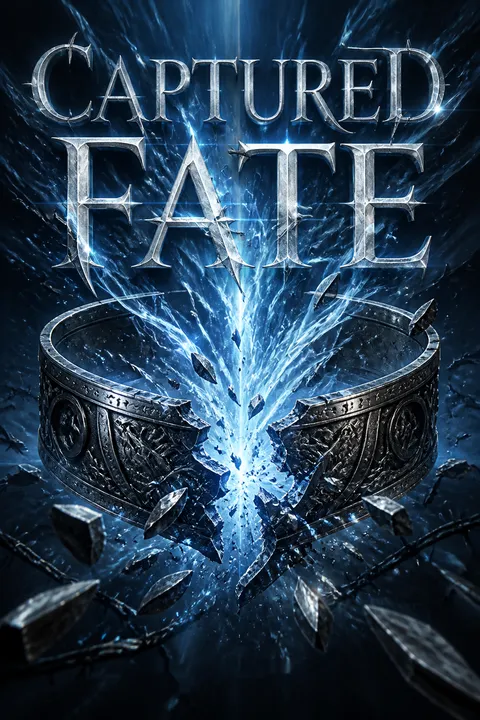
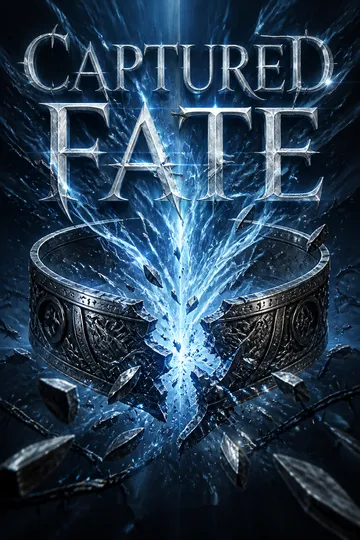
Eva Chase's Captured Fate is a dark, emotionally charged exploration of trauma, agency, and the search for meaning in a world that refuses to let its heroes be free. At its core, the novel is about the struggle to reclaim one's humanity in the face of dehumanization—by institutions, by abusers, and by the monstrous parts of oneself. The shadowbloods' journey is both literal and psychological: they are hunted, caged, and used, but they also turn on each other, betray and forgive, love and hurt. The story's greatest strength is its refusal to offer easy answers: every act of violence is both justified and damning, every offer of hope is laced with threat. The novel interrogates the nature of power—who wields it, who suffers for it, and whether it can ever be used for good without cost. The marked bonds between Riva and her lovers are a powerful metaphor for trauma-bonding, intimacy, and the ways survivors find strength in each other. The ending, with its abrupt loss and the emergence of a new, even more ruthless enemy, is a stark reminder that the fight for freedom is never over. Captured Fate is a story for anyone who has ever felt trapped by their past, who has longed for connection, and who has learned that sometimes, the only way out is through.
Review Summary
People Also Read


Characters
Riva
Riva is the emotional and tactical center of the shadowbloods, driven by a desperate need for freedom, redemption, and connection. Her power—a scream that inflicts agony and death—is both her greatest weapon and her deepest shame, fueling a constant struggle between her monstrous nature and her longing to do good. Riva's relationships are complex: she loves fiercely, especially Jacob, Dominic, Andreas, and Griffin, but is haunted by guilt over those she cannot save. Her leadership is marked by empathy, self-sacrifice, and a willingness to bear the cost of hard choices. Over the course of the story, Riva evolves from a traumatized fugitive to a determined, if scarred, architect of her own destiny.
Jacob
Jacob is the group's blunt instrument and shield, his telekinetic powers and poison spines making him both a terrifying combatant and a deeply vulnerable soul. His relationship with Riva is tempestuous, marked by guilt, passion, and a need for forgiveness. Jacob's twin bond with Griffin is a source of both strength and pain, complicated by Griffin's betrayal and trauma. Jacob's arc is one of self-acceptance: learning to channel his rage, trust his friends, and believe that he is worthy of love and redemption.
Griffin
Griffin's journey is the most tragic: once the group's heart, he is broken by the guardians' torture, his emotions erased in a bid to make him the perfect tool. His return is a source of both hope and anguish, as his friends struggle to trust the hollow shell he has become. Griffin's gradual reawakening—sparked by physical closeness and love—mirrors the group's own struggle to reclaim their humanity. His powers, both a blessing and a curse, make him the ultimate double-edged sword: able to track, manipulate, and betray, but also to heal and unite.
Dominic
Dominic's power to heal comes at a cost: he must drain life from other living things, a burden that weighs heavily on his conscience. He is the group's moral compass, offering comfort and stability amid chaos. His relationship with Riva is tender and nurturing, marked by mutual respect and a shared sense of responsibility. Dominic's arc is one of self-forgiveness, learning to accept the darkness within him and use it for good.
Andreas
Andreas's ability to become invisible and project memories makes him both the group's scout and its chronicler. He is the most introspective of the group, haunted by the memories he carries—his own and others'. His relationship with Riva is marked by warmth, humor, and a deep, unspoken understanding. Andreas's arc is one of agency: moving from passive observer to active participant, using his gifts to shape the group's fate.
Zian
Zian's monstrous transformation is both his greatest strength and his deepest wound. He is fiercely loyal, but struggles with intimacy and self-control, haunted by the violence he has inflicted and the touch he fears. His relationship with Riva is tender but fraught, marked by longing and the slow, painful work of healing. Zian's arc is one of courage: learning to trust, to reach out, and to believe that he can be loved despite his scars.
Clancy
Clancy is the architect of the new Guardianship, a man who believes he can redeem the shadowbloods by giving them purpose—but only on his terms. His vision is seductive, his methods ruthless. Clancy is both a savior and a captor, offering hope with one hand and wielding punishment with the other. His downfall is his inability to see the shadowbloods as people, not tools. His death is both a liberation and a loss, leaving a vacuum that is quickly filled by even darker forces.
Celine
Celine represents the younger generation of shadowbloods: traumatized, manipulated, and desperate for safety. Her betrayal is born of fear, not malice, and her death is a stark reminder of the cost of survival. Celine's arc is brief but poignant, highlighting the collateral damage of the guardians' war.
Nadia
Nadia's power to generate light is both literal and metaphorical. She is the most optimistic of the younger shadowbloods, longing for freedom and connection. Her gradual disillusionment mirrors the group's own journey, and her resilience offers a glimmer of hope for the future.
Balthazar
Balthazar is the specter of the Guardianship's origins, a figure more ruthless and powerful than Clancy. His arrival signals a new cycle of violence and captivity, threatening to undo all the group's hard-won progress. Balthazar is a reminder that the past is never truly dead, and that freedom must be fought for again and again.
Plot Devices
The Prison as Paradise
The island facility is a masterstroke of narrative irony: a lush, idyllic setting that masks the reality of captivity. The contrast between the beauty of the environment and the brutality of the guardians' control heightens the sense of unease and underscores the theme that freedom is more than physical comfort. The paradise-prison is both a literal and metaphorical device, representing the seductive nature of false hope and the insidiousness of control.
The Marked Bond
The marks that form between Riva and her lovers are a potent symbol of connection, loyalty, and the cost of intimacy. They grant the group a way to find each other, to share strength, and to resist isolation—but they also make them vulnerable to manipulation and exploitation. The marked bond is a narrative engine, driving both romance and conflict, and a metaphor for the ways trauma can both unite and endanger survivors.
The False Choice
Clancy's central manipulation is the illusion of choice: the shadowbloods are told they can be heroes, but only on his terms. Every offer of autonomy is laced with threat, every act of rebellion punished. This device creates a constant tension between hope and despair, and forces the characters—and the reader—to question what true freedom means. The false choice is mirrored in the structure of the missions, which are always double-edged, offering redemption at the price of complicity.
Betrayal and Forgiveness
The story is structured around cycles of betrayal and forgiveness: Griffin's return, Celine's treachery, Clancy's manipulations. Each betrayal is foreshadowed by moments of vulnerability, and each act of forgiveness is hard-won, never complete. This device deepens the psychological realism of the characters, making their relationships feel lived-in and fraught. The constant threat of betrayal keeps the stakes high and the emotional arc taut.
Power and Control
The shadowbloods' powers are both their salvation and their curse, making them valuable and dangerous, but never free. The guardians' attempts to control, suppress, and exploit these powers are mirrored by the characters' own struggles to master themselves. The narrative structure is built around escalating tests of power and control, both physical and psychological, culminating in the final rebellion. The device is used to explore themes of autonomy, consent, and the cost of survival.
Shadowblood Souls Series
About the Author

Download PDF
Download EPUB
.epub digital book format is ideal for reading ebooks on phones, tablets, and e-readers.








































