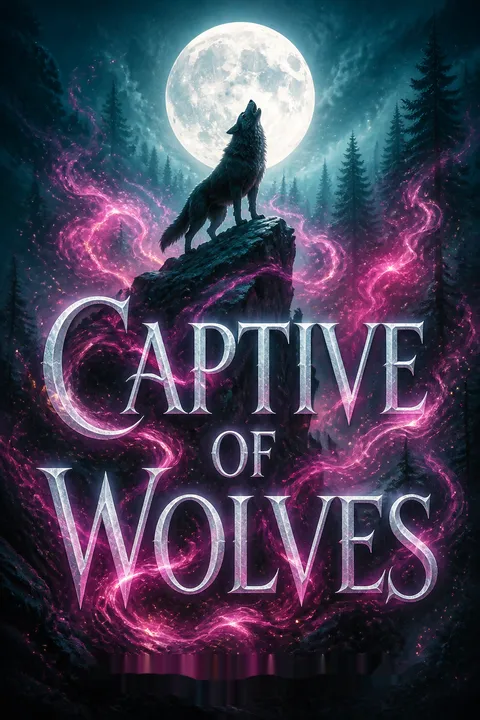

Plot Summary
Blood and Bronze Bars
Talia's life is a cycle of pain and humiliation, locked in a filthy cage by three fae captors who bleed her for reasons she doesn't understand. Her only solace is her imagination and the hope that one day she'll escape. The cage is sealed with a magical word, and Talia obsesses over learning it, believing it's her only chance at freedom. Her captors are cruel, treating her as less than human, and her body bears the scars of their violence. Yet, even in her darkest moments, Talia clings to the fragments of her identity and dreams of a world beyond her prison. The chapter sets the tone of trauma, resilience, and the desperate longing for escape.
The Wolfish Rescue
Talia's world shifts when a group of four fae men—Sylas, August, Whitt, and Kellan—break into her prison. Initially, she fears they are even worse than her original captors, but they seem more interested in her than in tormenting her. They quickly realize her blood is the secret ingredient in a tonic that cures the fae of a savage curse. Despite her terror, Talia is taken from her cage, drugged, and spirited away through the woods. The new fae are powerful, divided, and not entirely trustworthy, but they offer a glimmer of hope. Talia's fate is now tied to these strangers, and her journey into the unknown begins.
Escape and Recapture
After a harrowing journey, Talia awakens in a strange, luxurious room—clean, clothed, and cared for, but still a prisoner. The fae keep her under watch, debating her fate and the value of her blood. Talia tests the boundaries of her new captivity, searching for ways out and trying to understand her captors' motives. She learns that her blood is the only known cure for the fae's full-moon madness, making her both precious and vulnerable. Despite the comforts, she is still trapped, and the threat of being used or discarded hangs over her. The chapter explores the tension between hope and despair as Talia navigates her new reality.
A New Kind of Cage
Talia's days settle into a routine of cautious freedom within the keep. She meets the cadre—Sylas, the brooding lord; August, the gentle healer; Whitt, the sardonic schemer; and Kellan, the openly hostile. Each man's attitude toward her is shaped by his own wounds and ambitions. Talia is given food, clothing, and even a crutch for her injured foot, but the doors remain locked. She struggles with gratitude and resentment, forming tentative bonds with August and Sylas while fearing Kellan's malice. The keep is beautiful but full of secrets, and Talia's sense of self slowly begins to return, even as she remains a captive.
The Lords and Their Cadre
The dynamics among the fae men are fraught with tension. Sylas is haunted by past failures and the burden of leadership, while August's kindness is shadowed by guilt and longing. Whitt masks his pain with wit and absinthe, and Kellan's bitterness threatens to boil over. The cadre debates what to do with Talia—whether to use her as leverage, turn her over to the arch-lords, or keep her hidden. Their arguments reveal deep fractures, old betrayals, and the weight of exile from the Heart of the Mists. Talia becomes both a symbol of hope and a catalyst for conflict, her presence forcing each man to confront his own demons.
Unraveling the Curse
Talia learns the truth about the fae's curse: every full moon, they are transformed into mindless beasts, a fate only her blood can prevent. August explains the history of the wildness and the desperation it has caused among the fae. Talia's blood is unique, and no one knows why. The cadre experiments with her presence, testing her reactions to fae magic and herbs, searching for clues to her power. Talia, in turn, tries to understand the fae's world, its politics, and the true nature of her captivity. The chapter is marked by growing intimacy, mutual curiosity, and the looming threat of the next full moon.
Kindness and Confessions
August becomes Talia's confidant, helping her heal physically and emotionally. He trims her hair, dyes it pink, and offers gentle magic to ease her pain. Talia opens up about her past, her family, and her longing for freedom. In return, August reveals his own mixed heritage and the burdens he carries. Whitt, too, shows unexpected vulnerability, while Sylas's protectiveness deepens. The cadre's arguments over Talia's fate intensify, but moments of kindness and connection offer hope. Talia begins to see herself as more than a victim, reclaiming agency and forging new relationships in the heart of her captivity.
The Taste of Freedom
With August's help, Talia gains new mobility and confidence. She explores the keep, learns about fae magic, and discovers the true names that hold power in this world. A pouch of salt—deadly to fae—becomes her secret weapon, a gift from August to protect her from Kellan. Talia's desire for escape grows, but so does her attachment to her captors, especially as she witnesses their struggles and vulnerabilities. The keep's doors remain locked, but Talia's spirit is less so. The chapter is a dance between longing for freedom and the comfort of newfound belonging.
The Pack's Divided Loyalties
Kellan's hostility escalates, leading to violence that forces August and Sylas into open conflict. The cadre's unity fractures as old grievances and new jealousies surface. Whitt's loyalties are ambiguous, and Talia is caught in the crossfire. Meanwhile, outside threats loom: Aerik's pack searches for their lost prize, and the arch-lords' agents draw near. Talia's presence is both a blessing and a curse, intensifying the pack's internal struggles and making them a target for external enemies. The chapter is marked by betrayal, shifting alliances, and the ever-present danger of discovery.
The Human Cure
As the full moon approaches, the cadre debates how to use Talia's blood. Sylas is torn between his duty to his pack and his growing feelings for Talia. August and Whitt offer competing visions of her fate, while Kellan's resentment festers. Talia herself is determined to help, even as she fears being reduced to a resource. The keep becomes a crucible, testing the bonds between fae and human, leader and follower, captor and captive. The chapter explores the ethics of power, the cost of survival, and the possibility of redemption.
Hunger and Healing
Talia's relationships with Sylas and August deepen, moving from friendship to attraction. Moments of intimacy—shared meals, gentle touches, confessions—become acts of healing for both Talia and her fae protectors. Yet, desire is complicated by guilt, fear, and the ever-present threat of violence. The cadre's arguments over Talia's fate reach a breaking point, and the keep is rocked by a deadly confrontation. In the aftermath, Talia must choose where her loyalties lie and what kind of future she wants to claim.
Nightmares and New Bonds
Haunted by nightmares of her past, Talia struggles to find peace in her new home. Sylas comforts her, revealing his own scars and regrets. The two share a night of vulnerability and tentative affection, forging a bond that transcends their roles as captor and captive. Yet, the threat of the full moon and the demands of the pack weigh heavily. Talia's agency grows, but so does her awareness of the dangers she faces—from within the keep and beyond its walls.
The Price of Protection
As the full moon rises, the keep braces for chaos. Sylas and his cadre lock themselves away, trusting Talia to stay safe behind bolted doors. But Talia, unwilling to be a passive bystander, risks herself to bring the fae men back from the brink of madness with her blood. Her act of courage cements her place in the keep, but also marks her as indispensable—and irreplaceable. The aftermath is bittersweet, as bonds are strengthened but the cost of survival becomes ever clearer.
The Salt of Betrayal
Talia's longing for freedom leads her to attempt another escape, aided by Whitt's ambiguous encouragement. Her flight is interrupted by a dangerous encounter with an outsider—an agent of the arch-lords—forcing Whitt to confront his own loyalties. The rescue that follows is fraught with guilt, regret, and the realization that Talia's fate is inextricably tied to the keep. The chapter explores the complexities of trust, the pain of betrayal, and the possibility of forgiveness.
The Visitor from the Heart
A visit from Tristan, a powerful fae lord, and his cadre brings new dangers to the keep. The pack scrambles to hide Talia and present a facade of normalcy, but suspicions linger. The tension between Sylas and August over Talia's affections comes to a head, threatening to tear the cadre apart. Whitt's role as mediator and trickster becomes more pronounced, and Talia is forced to confront the reality of her situation: she is both a prize and a liability, and her choices have consequences for everyone around her.
The Wildness Within
As the next full moon approaches, the keep prepares for another night of chaos. Talia, determined to help, risks herself again to bring Sylas, August, and Whitt back from the wildness. Her courage and compassion are tested, but she succeeds, earning the gratitude and admiration of the cadre. The experience cements her place in the keep, but also deepens the bonds—and the complications—between her and her fae protectors. The chapter is a testament to resilience, sacrifice, and the power of chosen family.
The Choice to Stay
In the aftermath of the full moon, Sylas offers Talia a choice: to stay in the keep as a guest, not a prisoner, or to seek her freedom elsewhere. Talia, recognizing the dangers of the outside world and the depth of her connections within the keep, chooses to stay. The cadre, too, must come to terms with their feelings for her and for each other, forging a new kind of family. The chapter is marked by acceptance, healing, and the promise of a future shaped by choice rather than captivity.
The Full Moon's Test
With Talia's place in the keep secured, the pack enjoys a brief respite. Bonds of trust and affection deepen, and the wounds of the past begin to heal. Yet, the threat of Aerik's return and the ever-present curse of the full moon cast long shadows. Talia, Sylas, August, and Whitt must navigate the complexities of love, loyalty, and survival in a world where nothing is certain. The story ends on a note of hope and anticipation, as the found family prepares to face whatever comes next—together.
Analysis
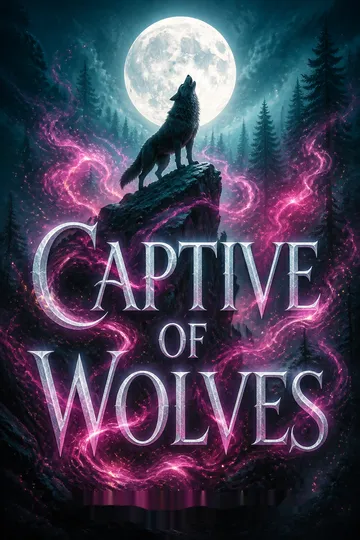
Captive of Wolves is a dark, emotionally charged fantasy that explores the intersections of trauma, power, and healing through the lens of fae mythology and reverse harem romance. At its core, the novel is about reclaiming agency in a world that seeks to define and confine you. Talia's journey from victim to survivor to active participant is both harrowing and inspiring, offering a nuanced portrayal of resilience in the face of overwhelming odds. The fae, with their own wounds and wildness, are both captors and companions, their struggles mirroring Talia's own. The story interrogates the ethics of power—what it means to protect, to possess, and to love—and refuses easy answers. Instead, it offers a vision of chosen family forged in adversity, where bonds are tested and remade, and where healing is a collective, ongoing process. The curse that afflicts the fae is both a literal threat and a metaphor for the legacies of violence and exile, challenging characters to find new ways of being together. Ultimately, Captive of Wolves is a story about the costs and possibilities of freedom, the necessity of trust, and the transformative power of compassion. It asks what it means to belong—not by birth or by force, but by choice—and leaves its characters, and its readers, poised on the threshold of a new beginning.
Review Summary
Reviews for Captive of Wolves are mixed, averaging 3.55 stars. Many readers praise the compelling premise—a human woman held captive for years, her blood used by fae shifters—and enjoy the interesting magic system and world-building. However, common criticisms include a slow middle section, rushed romantic development, and underdeveloped characters. Fans of reverse harem romance appreciate the four male leads and slow-burn tension, while others felt the Stockholm Syndrome dynamic and Talia's rapid transformation from traumatized captive to romantic interest felt unconvincing.
People Also Read




Characters
Talia
Talia is the heart of the story—a young woman stolen from her human life and subjected to years of captivity and abuse. Her blood is the key to curing the fae's curse, making her both precious and vulnerable. Despite her trauma, Talia is fiercely resilient, imaginative, and determined to reclaim her agency. She forms complex bonds with her fae captors, especially Sylas and August, and gradually transforms from a passive victim to an active participant in her own fate. Talia's journey is one of healing, self-discovery, and the reclamation of power in a world that seeks to use her.
Sylas
Sylas is the brooding lord of the keep, burdened by past failures and the weight of leadership. Once a powerful fae of the Heart, he is now exiled to the fringes, struggling to hold his fractured pack together. Sylas is both fierce and compassionate, torn between duty and desire, honor and necessity. His relationship with Talia is marked by protectiveness, guilt, and a growing affection that challenges his self-imposed isolation. Sylas's journey is one of redemption, as he learns to trust, to forgive, and to accept love in the face of overwhelming odds.
August
August is the most openly kind and nurturing of the cadre, a healer with a human mother and a deep sense of empathy. He bonds with Talia through acts of care—healing her wounds, easing her pain, and offering her small freedoms. August's longing for connection is shadowed by guilt over his inability to protect those he loves. His rivalry with Sylas over Talia's affections is both a source of tension and a catalyst for growth. August's arc is one of learning to balance loyalty, desire, and self-worth.
Whitt
Whitt is the sardonic, sharp-tongued member of the cadre, masking his pain with wit, absinthe, and a devil-may-care attitude. He is both observer and manipulator, often playing both sides in the cadre's conflicts. Whitt's loyalty is ambiguous, but his actions reveal a deep, if reluctant, care for his brothers and for Talia. His role as mediator and occasional betrayer is complicated by his own wounds and desires. Whitt's journey is one of self-acceptance and the slow, painful opening to vulnerability.
Kellan
Kellan is the most openly hostile member of the cadre, his bitterness fueled by past betrayals and a sense of exclusion. He resents Talia's presence and the changes she brings, seeing her as a threat to the pack's unity and his own standing. Kellan's antagonism escalates to violence, ultimately leading to his death at Sylas's hand. His arc is a cautionary tale of the dangers of unchecked resentment and the inability to adapt to change.
Aerik
Aerik is the leader of Talia's original captors, a fae lord who sees her only as a resource. His cruelty and indifference set the stage for Talia's trauma and the story's central conflict. Aerik's pursuit of power and disregard for human life embody the darker aspects of fae society. Though absent for much of the narrative, his influence looms large, driving the actions of both Talia and her new captors.
The Arch-Lords
The arch-lords are the distant, powerful rulers of the fae, their decisions shaping the lives of all beneath them. They are both a threat and a potential salvation, representing the impersonal forces of authority and tradition. Their interest in Talia is pragmatic, and their potential to help or harm is a constant source of tension. The arch-lords embody the dangers of power without empathy.
The Pack
The pack is the larger community of fae exiled with Sylas to the fringes. They are loyal but weary, their numbers dwindling and their hopes pinned on their lord's ability to restore their fortunes. The pack's struggles mirror those of the cadre, and their fate is tied to Talia's. They represent the costs of exile, the longing for home, and the possibility of renewal.
Tristan and Cadre
Tristan and his cadre are representatives of the arch-lords, their visit to the keep bringing new dangers and forcing the pack to confront their secrets. They are both a test and a threat, embodying the scrutiny and suspicion of the fae elite. Their presence accelerates the story's conflicts and raises the stakes for Talia and her protectors.
The Curse
The curse that afflicts the fae is both a literal and symbolic antagonist, driving the story's conflicts and shaping the characters' choices. It is a force of nature, a punishment, and a mystery, its origins and cure unknown. The curse forces the fae to confront their own wildness, their dependence on Talia, and the limits of their power. It is the crucible in which the story's themes of survival, sacrifice, and transformation are forged.
Plot Devices
Magical Captivity and Escape
The story's structure is built around cycles of captivity and escape, both literal and metaphorical. Talia's initial imprisonment is enforced by a magical lock, and her eventual escape is both a physical act and a reclaiming of agency. The motif of locked doors and secret words recurs throughout, symbolizing the barriers—emotional, magical, and social—that must be overcome. The tension between freedom and captivity drives the plot and the characters' development.
Reverse Harem and Chosen Family
The narrative employs the reverse harem trope, with Talia forming deep, complex bonds with multiple fae men. These relationships are not just romantic but also familial, challenging traditional notions of love, loyalty, and belonging. The cadre's internal conflicts and eventual acceptance of Talia as part of their family are central to the story's emotional arc. The chosen family motif is a source of both comfort and conflict, highlighting the power and peril of intimacy.
The Curse as Catalyst
The fae curse is both a plot device and a metaphor, forcing characters to confront their own wildness and the limits of their power. The full moon's approach creates urgency, drives the story's pacing, and tests the bonds between characters. The curse's origins and cure are mysteries that propel the narrative, while its effects force moments of crisis and revelation. The curse is a crucible for transformation, both personal and communal.
Power, Agency, and Consent
The story is deeply concerned with questions of power, agency, and consent. Talia's journey is one of reclaiming her voice and her right to choose, even in the face of overwhelming forces. The fae, too, must grapple with the ethics of power—how to lead, how to protect, and how to love without possession. The motif of sacrifice recurs, with characters giving up safety, pride, or even life for the sake of others. The narrative structure foregrounds moments of choice, negotiation, and the costs of survival.
Foreshadowing and Parallelism
The story employs foreshadowing and parallelism to deepen its emotional impact. Talia's initial escape attempt is mirrored by later acts of agency; the violence of her first captivity echoes in the conflicts within the keep. The cycles of the moon, the repetition of rituals, and the recurrence of nightmares all serve to reinforce the story's themes of trauma, healing, and transformation. The narrative structure is circular, with each crisis leading to a new beginning.
Bound to the Fae Series



About the Author



Download PDF
Download EPUB
.epub digital book format is ideal for reading ebooks on phones, tablets, and e-readers.








































