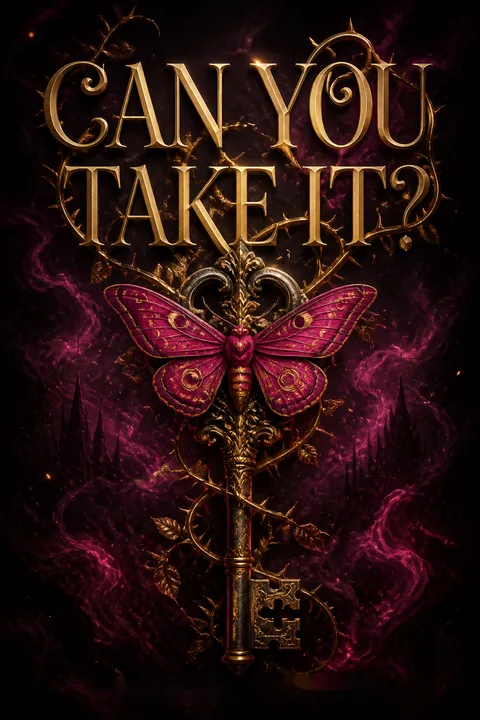

Plot Summary
Descent Into Tartarus
Prince Aurelius "Eli" finds himself in Tartarus, the fae underworld, after sacrificing himself to save Calypso and her sister Adrianna. He's wracked with pain, regret, and confusion, haunted by the screams of the damned and the weight of his choices. The setting is not the hellish pit he expected, but a surreal, mocking parody of a waiting room, filled with jeering fae and old acquaintances. Eli clings to a pendant containing Adrianna's powers, his only hope to right past wrongs. The chapter sets the tone of dislocation, guilt, and the daunting journey ahead, as Eli steels himself to find Adrianna and deliver her the pendant, all while wrestling with his own sense of failure and longing for those he left behind.
Eromreven's Unruly Welcome
Guided by Walter, a former ally now dead, Eli is introduced to Eromreven, the "party" antechamber of Tartarus. The underworld is a place of chaos, temptation, and dark humor, where social standing is fluid and survival depends on wit and adaptability. Eli's discomfort is palpable as he's mocked, threatened, and forced to confront his own powerlessness—his Seelie magic stripped away. The rules are different here: memories (memento) are currency, and the dead cling to vices and pleasures. Eli's friendship with Walter is tested as they dodge dangers and navigate the labyrinthine halls, setting up the central tension between loyalty, self-preservation, and the seductive pull of the underworld's lawless freedom.
Bargains and Betrayals
Eli's quest to find Adrianna is complicated by the treacherous nature of Tartarus. He's quickly targeted by other fae seeking his pendant and memento, and must rely on quick thinking and Walter's guidance to survive. The underworld's economy of memory and pleasure is revealed, as is the ever-present threat of the "tiers"—punishing trials for the dead. Eli's sense of heroism is challenged by the selfishness and desperation around him, and he's forced to question his own motives. The chapter explores the cost of sacrifice, the ambiguity of good and evil, and the difficulty of trust in a world built on betrayal.
Bonds Beyond Death
In the living realms, Calypso grieves Eli's loss while navigating her new life as queen and wife to Mendax. She's pregnant, vulnerable, and struggling to reconcile her violent past with the hope of a gentler future. The bond between Calypso and Eli, once magical and unbreakable, lingers in unexpected ways, allowing fleeting, painful contact across realms. Mendax's protectiveness and Calypso's self-doubt create tension, but also moments of dark humor and tenderness. This chapter deepens the emotional stakes, showing how love, loss, and legacy intertwine, and how the living and the dead remain connected by memory, magic, and unresolved longing.
The Itch of the Underworld
The "Tartarus itch"—a loosening of moral inhibitions—begins to affect Eli, pushing him toward reckless behavior and self-indulgence. Walter encourages him to embrace the underworld's pleasures as a way to adapt and survive, but Eli resists, clinging to his ideals. The chapter explores the seductive power of vice, the fragility of virtue, and the ways in which trauma and environment can reshape identity. Eli's struggle is both internal and external, as he's drawn into the underworld's games, parties, and brothels, all while trying to maintain his sense of purpose and self-worth.
Anna's True Identity
Eli's search leads him to a mysterious, alluring woman—Anna—who is revealed to be Adrianna, Calypso's long-lost sister and the adopted daughter of Kaohs, god of the underworld. Anna is no longer a child, but a powerful, complex woman torn between her heritage as Artemi (a force of goodness) and her loyalty to Tartarus. The revelation upends Eli's mission and his emotions, as he's drawn to Anna in ways that blur the line between duty and desire. The pendant becomes a symbol of both power and connection, and the question of who deserves it—and what it means to be "good"—takes center stage.
The Shepherds' Daughters
The tangled relationships between Kaohs, his daughters (the Shepherds of Tartarus), and the living and dead are explored. Eletha, Anna's sister, is both protector and rival, while Kaohs's own pain and pride shape the fate of everyone in his realm. The history of changelings, bargains with the Fates, and the legacy of Calypso's mother are revealed, deepening the sense of generational trauma and the impossibility of simple resolutions. Eli must navigate not only the dangers of Tartarus, but the emotional minefield of family, loyalty, and the burden of inheritance.
The Red Keys Reckoning
Eli is forced to participate in the brutal "red keys" tournament—a deadly equestrian battle where the winner claims the memories and existence of the losers. Anna is his chief rival, and the game becomes a metaphor for their struggle: to kill or be killed, to hold on or let go. The violence is both physical and psychological, as Eli confronts the reality that heroism may require terrible choices. The outcome is uncertain, and the cost of victory—measured in memory, love, and selfhood—is devastating. The chapter is a crucible for Eli's character, testing the limits of sacrifice and the meaning of survival.
Tiers of Treachery
Eli, Anna, Walter, Eletha, and Bexley are drawn into the Ten Tiers of Tartarus, each representing a deadly sin or flaw. The first tier, Treachery, forces them to confront their own capacity for betrayal and the lies they tell themselves and each other. The group's alliances are strained as secrets come to light and the only way forward is through painful honesty. The tiers are both literal and symbolic, a gauntlet that strips away pretense and exposes the raw, wounded core of each character. The journey is as much about self-discovery as it is about escape.
Wrath and Reconciliation
The second tier, Wrath, manifests as a haunted forest where the characters are separated and tormented by visions and tempters. Old resentments and grievances boil over, particularly between Eli and Walter, whose friendship is tested by the legacy of violence and loss. The only way out is through forgiveness and the relinquishing of vengeance, a lesson hard-won and deeply felt. The chapter explores the corrosive power of anger, the difficulty of letting go, and the possibility of healing through vulnerability and mutual support.
Violence and Vulnerability
The third tier, Violence, is a war-torn landscape where the group must resist the urge to fight and instead seek peace. Eletha and Walter's relationship is tested by their bloodlust, while Anna and Eli grow closer through shared vulnerability. Bexley's tragic past comes to the fore, and the group must learn to trust and care for one another in order to survive. The chapter is a meditation on the costs of violence, the need for compassion, and the ways in which love and friendship can be forged in the crucible of adversity.
Greed's Illusions
The fourth tier, Greed, is a seductive paradise where each character is offered their heart's desire. The illusion is shattered only when they choose to put others' needs before their own, voting for Bexley—the most lost among them—to escape. The act of collective sacrifice breaks the spell, and the group is reminded that true fulfillment comes not from hoarding happiness, but from sharing it. The chapter is a turning point, as Eli begins to question his own motives and the nature of heroism, and Anna's empathy and integrity shine through.
Sacrifice and Self-Discovery
As the group continues through the tiers—Envy, Fraud, Acedia—they are confronted with their own insecurities, deceptions, and apathy. Each trial strips away another layer of self-delusion, forcing Eli and Anna to confront the truth of their feelings and the impossibility of having everything they want. The journey becomes a process of letting go: of pride, of the need to be needed, of the fantasy of perfect love or perfect heroism. The chapter is a quiet, painful reckoning, as the characters learn that growth requires loss, and that the only way out is through.
Calypso's New World
In the living world, Calypso gives birth to her daughter, Ten, and finds unexpected joy and purpose in motherhood. The realms have changed—Seelie and Unseelie united, old wounds healing, new possibilities emerging. Calypso's bond with Eli lingers, a bittersweet reminder of what was lost and what endures. The chapter is a celebration of resilience, transformation, and the power of love to create new worlds, even in the aftermath of tragedy.
Envy and Fraud Unmasked
The group faces the tiers of Envy and Fraud, where appearances deceive and only honesty can break the spell. Swapping bodies, confronting their own and each other's flaws, they are forced to admit uncomfortable truths. Eli realizes that his self-image as a hero is a mask, and that true strength lies in vulnerability and authenticity. Anna's integrity is tested, but she chooses honesty over easy victory, returning the pendant to Eli rather than claiming it through trickery. The chapter is a testament to the power of self-knowledge and the courage to be seen.
Acedia's Lethargic Waters
The tier of Acedia is a sea of apathy and despair, threatening to drown the group in inertia. Bexley's struggle with addiction and self-worth comes to a head, and only by choosing to help others—at the cost of his own comfort—does he find redemption. Eli and Anna's relationship deepens as they support each other through pain and uncertainty, and the group learns that meaning is found not in escape, but in engagement with life and each other. The chapter is a meditation on depression, recovery, and the slow, hard work of hope.
Gluttony, Lust, and Love
The final tiers—Gluttony and Lust—test the group's ability to resist easy pleasure and confront their deepest desires. Eli and Anna, locked together, finally give in to their feelings, making love not out of lust, but out of a hard-won, honest love. The act is both a surrender and a triumph, a recognition that true intimacy requires risk, honesty, and the willingness to let go of pride. The group emerges changed, ready to face the final test.
The Final Tier: Pride
In the last tier, Pride, the group is offered their heart's desire: escape, power, reunion. Eli is forced to choose between his own happiness—rejoining his family in the Elysian Fields—and giving Anna the pendant, thus severing his last tie to the living world. The Fates, revealed as ever-present guides and tricksters, make clear that the only way forward is through humility and selflessness. Eli's final act is to give Anna the pendant, trusting her to use her power wisely and accepting that love sometimes means letting go.
Choosing Love Over Fate
As the portals open, Eli is faced with the reality of his choices. The Elysian Fields, once his dream, are revealed as empty without those he loves. Anna, now fully empowered, prepares to take her place as Queen of the Underworld. In a final, defiant act, Eli chooses to stay in Tartarus with Anna, embracing the messy, imperfect, and beautiful life they can build together. The story ends not with a return to paradise, but with the creation of a new one—born of pain, sacrifice, and the courage to choose love over fate.
Analysis
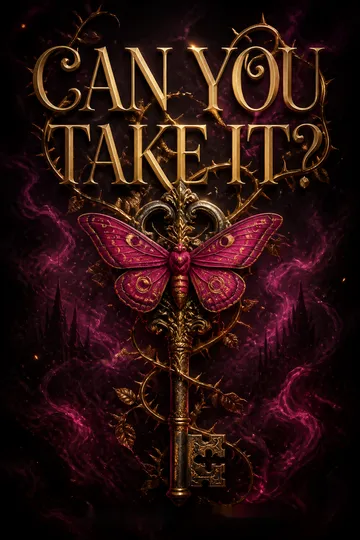
"Can You Take It?" is a darkly whimsical, emotionally charged exploration of trauma, redemption, and the messy, beautiful work of forging one's own destiny. By reimagining the afterlife as a place of temptation, trial, and transformation, the novel interrogates the nature of heroism, the cost of self-sacrifice, and the possibility of healing after loss. The journey through the Ten Tiers of Tartarus is both a literal adventure and a metaphor for the stages of grief, recovery, and self-acceptance. The story refuses easy answers: love is complicated, goodness is ambiguous, and the past cannot be undone. Yet, in the end, the novel offers a hard-won hope—the idea that happiness is not found in perfection or paradise, but in the courage to choose love, vulnerability, and connection, even in the darkest of places. The final message is one of agency: fate may shape the path, but it is the choices we make—especially the choice to love and be loved—that define who we become.
People Also Read
Characters
Aurelius "Eli"
Eli is the former Prince of Seelie, defined by his relentless need to help others and his crippling guilt over past failures. His journey through Tartarus is both literal and psychological, forcing him to confront the limits of heroism, the cost of self-sacrifice, and the possibility of happiness beyond duty. His relationships—with Calypso, Anna, Walter, and others—are marked by loyalty, longing, and a deep fear of abandonment. Over the course of the story, Eli evolves from a martyr to a man capable of choosing his own happiness, learning that true love requires vulnerability, humility, and the willingness to let go.
Anna (Adrianna)
Anna is Calypso's long-lost sister, raised in Tartarus as the adopted daughter of Kaohs. She embodies the tension between her Artemi heritage (goodness, healing) and the seductive power of the underworld. Anna is fiercely loyal, empathetic, and principled, but also haunted by loss and the fear of not belonging. Her relationship with Eli is fraught with desire, mistrust, and the burden of destiny. Ultimately, Anna chooses integrity over ambition, returning the pendant rather than claiming it through deceit, and proves herself worthy of both love and leadership.
Calypso (Cal)
Calypso is a complex blend of strength, vulnerability, and dark humor. Scarred by trauma and loss, she struggles to reconcile her violent past with her hopes for the future. Her bond with Eli is deep and enduring, even after death, and her relationship with Mendax is both passionate and fraught. Cal's journey is one of healing, transformation, and the creation of new life—both literal (her daughter Ten) and metaphorical (the unification of the realms). She represents the possibility of redemption and the enduring power of love.
Mendax
Mendax is the King of Unseelie, defined by his fierce loyalty, possessiveness, and capacity for both violence and tenderness. His relationship with Calypso is a storm of passion, jealousy, and mutual healing. Mendax's journey is one of learning to trust, to let go of control, and to embrace vulnerability. He is both a foil and a complement to Eli, representing the darker, more primal aspects of love and leadership.
Walter
Walter is a shifter, former right-hand to Mendax, and Eli's guide in Tartarus. He is both comic relief and emotional anchor, struggling with his own guilt and longing for Eletha. Walter's journey is one of reconciliation—with himself, with Eletha, and with the past. He represents the possibility of forgiveness, the importance of friendship, and the courage to keep loving in the face of pain.
Eletha
Eletha is one of the Shepherds of Tartarus, daughter of Kaohs, and Walter's former lover. She is both protector and judge, tasked with guiding souls through the underworld. Eletha's struggle is between her sense of duty and her longing for connection, her fear of vulnerability and her need for love. Her relationship with Walter is a microcosm of the story's larger themes: the difficulty of trust, the pain of betrayal, and the possibility of healing.
Bexley
Bexley is a half-angel, half-devil figure, trapped in Tartarus by addiction, self-loathing, and a sense of not belonging. His journey through the tiers is one of gradual awakening, as he learns to help others, accept help, and imagine a new life for himself. Bexley's story is a meditation on recovery, forgiveness, and the slow, hard work of hope.
Kaohs
Kaohs is both a figure of terror and a source of unexpected wisdom and compassion. His love for his daughters, his rivalry with Zef, and his weariness with his own power shape the fate of everyone in Tartarus. Kaohs represents the complexity of authority, the pain of loss, and the possibility of change—even for the most ancient and powerful beings.
The Fates
The Fates are ever-present, guiding, manipulating, and testing the characters. They are both tricksters and teachers, setting challenges that force growth and self-discovery. Their true motives are ambiguous, but their influence is undeniable. They represent the tension between destiny and free will, the unpredictability of life, and the possibility of rewriting one's story.
Ten
Ten is the daughter of Calypso and Mendax, a child born of pain, love, and the merging of light and darkness. She represents the future, the possibility of healing, and the enduring power of love to create new worlds. Though young, her presence is a reminder that every ending is also a beginning.
Plot Devices
The Ten Tiers of Tartarus
The structure of the story is built around the Ten Tiers of Tartarus, each representing a deadly sin or flaw: Treachery, Wrath, Violence, Greed, Envy, Fraud, Acedia, Gluttony, Lust, and Pride. Each tier is both a literal trial and a metaphorical exploration of the characters' inner struggles. The tiers force the characters to confront their own weaknesses, desires, and illusions, stripping away pretense and exposing the truth. The journey is both external and internal, a crucible that forges new identities and relationships.
Memory as Currency (Memento)
In Tartarus, memories are used as currency, and the loss of memento means the loss of self. This device explores the importance of memory, the pain of forgetting, and the ways in which trauma and love shape identity. The threat of erasure raises the stakes of every choice, and the act of giving or taking memento becomes a metaphor for sacrifice, healing, and the struggle to be remembered.
The Pendant
The pendant containing Adrianna's powers is the central MacGuffin, desired by many and imbued with deep symbolic meaning. It represents the burden of inheritance, the possibility of redemption, and the tension between duty and desire. The act of giving or withholding the pendant is a test of character, a moment of truth that reveals what each character values most.
The Bond and the Tie
The bonds between characters—magical, emotional, and psychological—are both a source of strength and a source of pain. The lingering tie between Eli and Calypso, the evolving bond between Eli and Anna, and the connections among the group are explored through telepathy, shared dreams, and moments of profound intimacy. These devices allow for communication across realms, the persistence of love after death, and the possibility of healing old wounds.
Foreshadowing and Fate
The story is laced with foreshadowing, prophecies, and the ever-present influence of the Fates. Characters are haunted by visions, dreams, and warnings, and the line between destiny and free will is constantly blurred. The Fates' interventions are both helpful and manipulative, forcing the characters to question the meaning of choice, the possibility of change, and the nature of true freedom.
Infatuated Fae Series

Download PDF
Download EPUB
.epub digital book format is ideal for reading ebooks on phones, tablets, and e-readers.








































