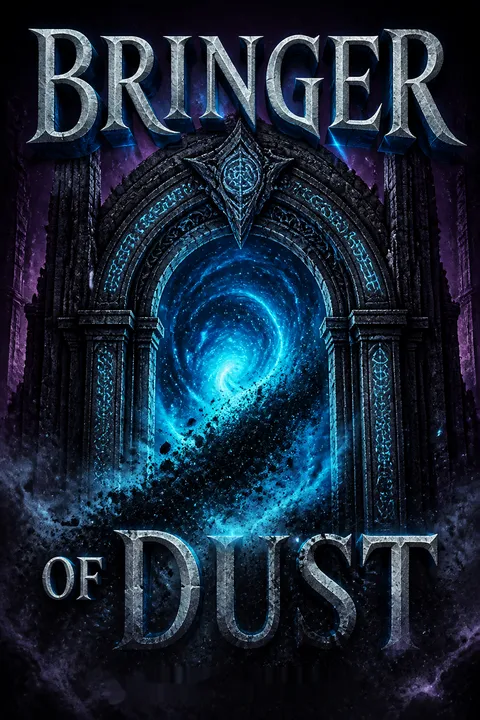

Plot Summary
Shadows Over Montparnasse
In the rain-soaked streets of Montparnasse, Alice Quicke and her companion Ribs descend into the Parisian catacombs, searching for a way to rescue Marlowe, a boy lost in the land of the dead. The world is changing: the old order of talents—children with supernatural gifts—has been shattered by violence and betrayal. Alice, scarred by her past and haunted by the dust of a monstrous enemy, is driven by guilt and a fierce need to protect the young. The city above is tense, rumors of monsters and disappearances swirling. Beneath, the catacombs echo with secrets, and the ache of old wounds guides Alice deeper, toward a confrontation with the darkness that has infected her world and herself.
The Children of Cairndale
After the destruction of Cairndale, the once-protective haven for talented children, Abigail Davenshaw leads a group of survivors to a crumbling villa in Sicily. The children, each marked by trauma and strange abilities, struggle to find safety and belonging. Oskar, Komako, and others labor to restore the villa, haunted by memories of friends lost and the horrors they've witnessed. Abigail, blind but resolute, dreams of a new sanctuary where the children can grow and learn without fear. Yet, even in this sunlit refuge, shadows linger: the threat of the drughr—ancient, corrupted talents—remains, and the children's innocence is forever altered by what they have endured.
Dust and Bone
Komako, a dustworker, hunts for answers in Spain, seeking the Spanish glyphic—a being whose knowledge may unlock the way to save Marlowe. Her journey is one of violence and self-reckoning, as she confronts the legacy of Jacob Marber, a corrupted dustworker whose evil lingers in the world. In Edinburgh, Caroline Ficke, an aging alchemist, tends to the broken and glyph-twisted children left in her care. The discovery of Marber's corpse and the corrupted dust it contains sets off a chain of events, as the dust's power to restore lost talents—and its terrible cost—becomes clear. The boundaries between savior and monster blur, and the true nature of sacrifice is revealed.
The Gathering Storm
As Komako's search leads her to the Spanish glyphic, she learns of a prophecy: the rise of the Dark Talent, a child who will change the fate of all talents. In London, exiles and enemies plot in the underworld known as the Falls, where Claker Jack, a ruthless exile, manipulates the desperate and the broken. Jeta, a bone witch, is drawn into the web of intrigue, her own monstrous power both a weapon and a curse. The corrupted dust, now in Charlie Ovid, becomes a beacon for those who would use or destroy it. Across Europe, the drughr awaken, their hunger for power and vengeance threatening to consume the last hopes of the children.
The House of Exiles
In the labyrinthine tunnels beneath London, the exiles—talents who have lost their gifts—live in squalor and violence. Claker Jack rules with cruelty, using a mud glyphic to spy and control. Micah and his sisters, child assassins, serve the Abbess, a mysterious and ancient talent in Paris. Jeta, manipulated by Claker Jack and haunted by her own past, is sent to recover the corrupted dust. The Falls becomes a battleground, as betrayals and old hatreds erupt. The dust's power is coveted by all, and the line between victim and villain is erased in the struggle for survival.
The Glyphic's Secret
In the villa's hidden chamber, Oskar and Mrs. Ficke uncover the history of the Agnoscenti, guardians of talentkind. The glyphic's heart, the key to sealing and unsealing the orsine—the door between worlds—becomes the focus of desperate hope. Deirdre, a glyph-twisted child, is revealed as the one who can enter the Dreaming and unseal the Paris orsine. The tapestry of history is woven with sacrifice, betrayal, and the longing for redemption. The children's fate rests on the courage to face the darkness within and the wisdom to use their gifts for more than vengeance.
The Drughr Awaken
The drughr, once guardians, now corrupted by centuries in the land of the dead, stir from their slumber. Each embodies a twisted version of a talent—clink, caster, turner, glyphic, dustworker. Their hunger is for the dust, for the keys to their prison, and for Marlowe, the shining boy. As they cross into the world of the living, their presence brings terror and death. The children and their protectors must confront not only the drughr's physical might but the seductive lure of their promises and the despair they sow. The battle is not only for survival, but for the soul of talentkind itself.
The Falls of London
Charlie and Mrs. Ficke's journey to London ends in bloodshed. The exiles, led by Claker Jack and manipulated by the Abbess, seek the dust for their own ends. The glyph-twisted children, guided by Deirdre's nascent power, intervene in the chaos, their sacrifice both tragic and necessary. Jeta, betrayed by Claker Jack, is forced to confront the truth of her own worth and the possibility of change. The Falls collapse in a flood, washing away old hatreds but leaving scars that will never heal. The dust, now bonded to Charlie, becomes the last hope—and the greatest danger.
The Paris Orsine
In Paris, Alice, Ribs, and Charlie seek the Abbess, Adra Norn, whose past is entwined with Alice's own. The orsine, sealed and corrupted, can only be opened by the sacrifice of a glyphic's heart. Deirdre, guided by Mrs. Ficke and Oskar, enters the Dreaming and unseals the door. The Abbess's true motives are revealed: she seeks the dust to control the future, to prevent the rise of the Dark Talent. Betrayal and violence erupt in the catacombs, as the carykk—monstrous guardians—are unleashed. The cost of opening the door is paid in blood and bone.
The Dreaming and the Dead
Charlie descends into the orsine, the dust in his veins his only shield. In the land of the dead, he finds Marlowe, changed but alive, and together they must escape the prison of the First Talent. The Dreaming, the web that connects all talents, is both a refuge and a trap. The drughr, the carykk, and the First Talent himself hunt them through shifting landscapes of memory and nightmare. The children's love and loyalty are their only weapons against the darkness that would consume them all.
The First Talent's Prison
Marlowe and Dr. Berghast reach the center of the orsine, the prison of Alastair Cairndale, the First Talent. The truth is revealed: Marlowe is the sixth talent, the missing part of the First Talent's power, the one for whom the prison was truly built. Berghast's attempt to kill the First Talent fails, and he is destroyed. The First Talent, now awake, is both pitiful and terrifying, a being whose dreams shape the world. The keys to his prison—the weir-bents—are brought by the drughr, and the door is opened. The endgame begins.
The Battle for Agrigento
At the villa, the drughr descend, seeking the keywrasse and the children. Komako, wielding her dust and her grief, raises an army of litches to defend the survivors. The battle is brutal and costly: Miss Davenshaw and Susan Crowley are killed, the children are slaughtered and resurrected as litches, and the keywrasse is taken by the drughr. The cost of survival is innocence, and the line between protector and monster is blurred. The children's world is forever changed.
The Unsealing
Deirdre, in the nexus of the Agnoscenti chamber, unseals the Paris orsine by quieting the glyphic's heart. The cost is her own transformation, and the loss of what little childhood she had left. The door is open, but the way is fraught with peril. The children and their protectors must decide who will risk everything to save Marlowe—and who will remain to defend what is left.
The Door at the Center
Charlie and Marlowe, reunited, flee the First Talent and the drughr. The keys to the prison are turned, the door is opened, and the world trembles on the brink of destruction. The children's courage, the sacrifices of the dead, and the love that binds them become the only hope for a future beyond the darkness. The Dreaming is both a weapon and a promise: that even in the face of despair, the choice to be better remains.
The Book of Unbinding
The survivors return to the villa, scarred but alive. The dead are mourned, the living cling to each other. Komako, haunted by what she has done, withdraws with her litches. Charlie and Marlowe, changed by their journey, find solace in each other's presence. The keywrasse, the glyphic's heart, and the dust remain as reminders of the cost of hope. The world is not saved, but it is not yet lost. The children gather in the garden, sunlight on their faces, and for a moment, peace is possible.
The Dark Talent Rises
In Alexandria, a young turner named Yasin al-Ashur is called by the Agnoscenti to seek the Dark Talent and finish what has begun. The First Talent is awake, his prison opened, and the world stands on the edge of transformation. The children's story is not over; the battle for the future of talentkind has only just begun.
The End and the Beginning
The story closes with the children at the villa, changed by all they have endured. The dead are honored, the living hold fast to each other. The world is darker, but the light of hope endures. The Dreaming connects them all, a web of memory and possibility. The end is not the end, but the beginning of a new story, one written by the choices of those who refuse to surrender to despair.
Analysis
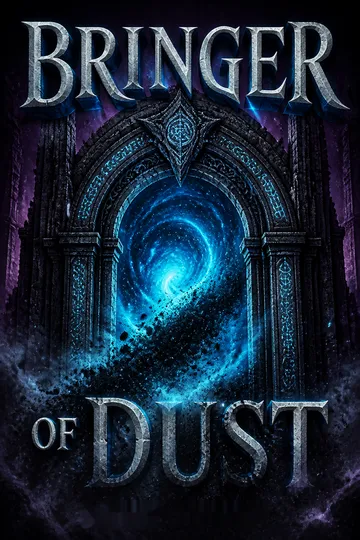
Bringer of Dust is a sweeping, emotionally charged fantasy that interrogates the nature of power, trauma, and the possibility of redemption. At its heart, the novel is about children—those marked as different, as dangerous, as monstrous—struggling to survive in a world that fears and exploits them. The story's central metaphor, the corrupted dust, is both a source of miraculous healing and a symbol of the wounds that never fully heal, the traumas that shape identity and destiny. Through its complex, interwoven narratives, the book explores the tension between fate and free will, the burden of prophecy, and the hope that even in the darkest times, love and loyalty can offer a way forward. The characters' journeys—from the haunted streets of Paris to the sunlit refuge of Sicily, from the depths of the land of the dead to the heart of the First Talent's prison—are both literal and psychological, mirroring the struggle to reclaim agency and meaning in the aftermath of violence. The novel's cyclical structure, its use of prophecy and mirroring, and its refusal to offer easy answers all serve to deepen its impact. Ultimately, Bringer of Dust is a story about the cost of survival, the courage to choose hope, and the belief that even those marked as monsters can find a place in the world—and, perhaps, help to remake it.
Review Summary
Bringer of Dust receives largely positive reviews, with readers praising its darker, more intense atmosphere compared to the first book. Reviewers appreciate the expanded world-building, horror elements, and character development, particularly new additions like Jeta the bone witch. The 608-page length is noted as both immersive and occasionally exhausting. Many highlight the vivid Victorian London setting and emotional stakes as Charlie seeks to rescue Marlowe from the land of the dead. Ben Onwukwe's narration receives universal acclaim. Some readers found pacing issues and excessive gore challenging, though most consider it a worthy sequel.
People Also Read
Characters
Charlie Ovid
Charlie is a young man marked by pain, loss, and a deep well of compassion. Once a haelan, able to heal from any wound, he loses his talent in the battle at Cairndale, only to have it restored—and corrupted—by the dust of Jacob Marber. The dust grants him new powers, including the ability to manipulate dust itself, but at the cost of his sense of self and the fear that he may become a monster. Charlie's journey is one of self-acceptance, as he struggles with guilt, the burden of prophecy, and the love he feels for his friends, especially Marlowe. His relationship with Marlowe is the emotional heart of the story, a bond forged in trauma and hope. Charlie's greatest strength is his refusal to give up on those he loves, even when the world tells him he is destined for darkness.
Marlowe
Marlowe is a child of mystery, born in the land of the dead, the missing part of the First Talent's power. His gift is unique: he can manipulate living tissue, and his blue shine is both a beacon and a curse. Marlowe's innocence and kindness are his defining traits, even as he is hunted by monsters and betrayed by those who should protect him. His journey through the land of the dead is one of endurance and faith, as he clings to the hope that Charlie will find him. Marlowe's role as the sixth talent, the one for whom the prison was truly built, is both a burden and a source of strength. His love for Charlie and his friends is what ultimately saves him—and the world.
Komako Onoe
Komako is a survivor, hardened by loss and the violence she has both suffered and inflicted. Her talent, the manipulation of dust, is a source of both power and pain. Haunted by the death of her sister and the horrors of Cairndale, Komako seeks redemption through action, even as she fears becoming like the monsters she fights. Her journey to Spain and her confrontation with the glyphic reveal the depth of her courage and the cost of her anger. Komako's creation of litches to defend the children is both an act of love and a step toward monstrosity. Her friendship with Ribs and her complicated feelings for Charlie anchor her to the world, even as she stands on the edge of despair.
Alice Quicke
Alice is a former detective, marked by violence and the dust of the drughr. Her past is filled with guilt: the death of her partner, the destruction of Bent Knee Hollow, and the loss of friends. Alice's toughness masks a deep vulnerability, and her loyalty to the children is unwavering. The wound in her side, a remnant of Jacob Marber's attack, connects her to the orsine and the darkness she cannot escape. Alice's confrontation with Adra Norn, the Abbess, forces her to reckon with her own history and the limits of forgiveness. Her relationship with Ribs and her mentorship of Charlie and Marlowe reveal the tenderness beneath her armor.
Abigail Davenshaw
Abigail is the heart of the survivors, guiding the children to safety and striving to create a new home in Sicily. Her blindness is both a limitation and a source of insight, as she navigates the world through touch, sound, and intuition. Abigail's strength lies in her ability to inspire hope and resilience in those around her. Her death at the hands of the drughr is a devastating loss, but her legacy endures in the children she saved and the sanctuary she built.
Caroline Ficke
Caroline is a survivor of loss, tending to the glyph-twisted children and seeking knowledge in the face of despair. Her artificial arm and her scars are symbols of her endurance. Caroline's discovery of the corrupted dust and her role in unsealing the Paris orsine are acts of both courage and desperation. She is haunted by the cost of survival and the choices she has made, but her love for the children and her commitment to hope drive her forward.
Ribs (Miss Ribbon)
Ribs is a turner, able to become invisible, and her quick wit and resourcefulness make her indispensable. Her friendship with Komako and Charlie is a source of strength, and her ability to find humor in darkness is a balm for the group. Ribs's journey is one of growing maturity, as she moves from mischievous child to steadfast ally. Her survival in the face of violence and betrayal is a testament to her resilience.
Jeta Wajs
Jeta is a bone witch, able to manipulate the bones of the living and the dead. Her childhood is marked by rejection and exploitation, and her talent is both a gift and a curse. Manipulated by Claker Jack and the drughr, Jeta struggles with guilt and the fear that she is a monster. Her journey is one of self-discovery, as she learns to choose her own path and to believe in the possibility of change. Jeta's alliance with Charlie and the others is a turning point, as she moves from isolation to community.
Oskar Czekowisz
Oskar is a caster, able to manipulate flesh, and his creation of Lymenion, the flesh giant, is both an act of love and a source of fear. Oskar's shyness and sensitivity mask a deep well of strength. His role in uncovering the secrets of the Agnoscenti and guiding Deirdre into the Dreaming is crucial to the group's survival. Oskar's loyalty to his friends and his quiet courage are his greatest gifts.
The Drughr
The drughr are the ancient, corrupted talents who once volunteered to guard the First Talent in the land of the dead. Each embodies a twisted version of a talent, and their hunger for power and vengeance drives the story's central conflict. The drughr are both monsters and victims, shaped by centuries of isolation and betrayal. Their pursuit of the dust, the keys, and Marlowe is relentless, and their presence is a constant threat to the children. The drughr's complexity lies in their capacity for both love and destruction, and their fate is entwined with the future of talentkind.
Plot Devices
The Orsine
The orsine is the central plot device, a mystical gateway between the world of the living and the land of the dead. Its existence is both a blessing and a curse: it offers the possibility of rescue and redemption, but also the threat of invasion by the drughr and the First Talent. The orsine's sealing and unsealing require sacrifice, often the heart of a glyphic, and its corruption by dust and bone is a symbol of the world's decay. The orsine's presence shapes the narrative structure, as characters journey across Europe to find, open, and survive its passage. Its power to connect and divide, to offer hope and demand sacrifice, is the engine of the story's emotional and thematic arc.
Corrupted Dust
The corrupted dust, left by Jacob Marber and the drughr, is both a source of miraculous healing and a corrupting influence. It restores lost talents, grants new abilities, and marks its bearer as both savior and potential destroyer. The dust's parasitic nature is a metaphor for trauma and the fear of becoming what one hates. Its presence in Charlie Ovid is a source of tension, prophecy, and dread, as friends and enemies alike seek to control or destroy it. The dust's ability to bond, to choose its host, and to open doors between worlds is a key plot device, driving the story's central conflicts and resolutions.
The Dreaming
The Dreaming is the metaphysical space that links all talents, a web woven by glyphics and shaped by the First Talent's endless sleep. It is both a source of power and a trap, a place where the past, present, and possible futures intersect. The Dreaming allows for prophecy, for the sharing of knowledge, and for the manipulation of fate. It is the means by which Deirdre unseals the Paris orsine, and the space where the true nature of Marlowe and the First Talent is revealed. The Dreaming's fluidity and danger are reflected in the story's shifting perspectives, unreliable memories, and the blurring of reality and nightmare.
Foreshadowing and Prophecy
Throughout the novel, prophecy and foretelling shape the characters' choices and fears. The rise of the Dark Talent, the warnings of the Spanish glyphic, and the visions of the Dreaming all point to a future of destruction and transformation. The tension between destiny and free will is a central theme, as characters struggle to escape the roles assigned to them by history, prophecy, and the expectations of others. The use of foreshadowing creates suspense and emotional resonance, as the reader is invited to hope for a different outcome even as the story moves inexorably toward its climax.
Cyclical Structure and Mirroring
The narrative is structured around cycles of loss and renewal, with characters returning to places of trauma—Cairndale, the orsine, the land of the dead—only to find them changed, or to change themselves. The mirroring of past and present, of parent and child, of monster and protector, is a recurring device. The story's emotional arc is one of descent into darkness and the struggle to find light, of repeating old patterns and the hope of breaking free. The ending, with its promise of a new beginning, suggests that while history may repeat, the choices of individuals can still shape the future.
The Talents Trilogy Series
Download PDF
Download EPUB
.epub digital book format is ideal for reading ebooks on phones, tablets, and e-readers.








































