
Plot Summary
Shadows Watch from Afar
Lyla, armed with a sniper rifle, stalks Lukyan, utterly convinced of their fated bond. Her fixation on him isn't casual; it's ritual. From the darkness, she picks apart his pain—his role as the family clown, the gnawing ache of being underestimated, and the loneliness masked by easy laughter. Lukyan's life is one choreographed performance, an endless night of parties, after-parties, and rejected vulnerability. Lyla is determined: whatever it takes, she will possess him, and in possessing him, both her longing and his weakness for being truly seen spiral dangerously closer. The outside world blurs for both; each is fixated, in their fashion, on a future only they can imagine—a connection so intense it overturns the boundaries of love and madness, watcher and watched.
Arranged Vows, Broken Bonds
Lukyan's impending arranged marriage is more than tradition—it's a loaded exchange, a forced sacrifice to secure trade routes and protect his sister. Though resigned, he bitterly swallows the humiliation of being seen as expendable. Meanwhile, the siblings close ranks: their affection, constant banter, alarming physical affection, and struggles all reveal both comfort in chaos and deep fractures. The promise to marry is less about union and more about surviving in a criminal dynasty where every love is a liability and every bond a tool for leverage. Underneath the party lights, unease grows—deadly threats abound from within and without, and the family's survival depends on who is willing to bleed for whom.
Clown, Sibling, Outsider
Despite Lukyan's outward gregariousness, his siblings and father repeatedly see him as immature, unreliable—a court jester amidst princes. Past wounds fester: the tragic loss of their mother, and a brutal episode where father and son verbally wound each other, cutting deeper than any knife. Lukyan's humor is neither deflection nor affectation; it's an act of hope, an effort to bring warmth to a cold legacy. Yet, underneath, he aches to prove himself—longs for seriousness, responsibility, and love from those who dismiss him. The juxtaposition of family game nights, rituals, and petty arguments deepens the portrait of a family both fiercely loyal and fatally fractured by the roles they have cast for each other.
Party Turns to Carnage
A family celebration erupts into orchestrated violence. A surprise attack led by sleeper soldiers—planted years before by Sergei, Lukyan's ruthless grandfather—turns the estate into a war zone. Loyalty fragments in gunfire, as traitors among their ranks turn on them. Autumn, the notorious Crimson Death, proves her brutality, defending with casual violence. Dimitri, the patriarch, is shot. The Volkovs barely escape decimation, their losses not counted by bodies alone, but by trust. The attack cements that no one inside this world—no matter how intimate—can be trusted without suspicion. From here forward, every relationship is shadowed by the possibility of deadly betrayal.
Unmasking Loyalty and Betrayal
Retreating inside, the Volkov family licks wounds, but no refuge is safe. Sibling rivalry gives way to hard truths: the sleeper agents, the near-execution of Dimitri, and the exposure of how familial vulnerability is regularly weaponized. Illayana discovers her brothers' conspiracy of silence regarding her own use as leverage—a devastating realization. Lukyan's deep pain at being the family's jester intensifies, the cost of being underestimated clearer than ever. Yet, new codes are drawn—loyalty won't be assumed, and old alliances are tested as the siblings must wrestle with the inheritance of violence and the heavy cost of survival.
Stalked and Desiring Connection
Lyla intensifies her pursuit, breaking into Lukyan's life both physically and digitally. She orchestrates near-mythic feats of stalking that blend romance and threat. Through anonymous, voyeuristic seduction, she challenges Lukyan's boredom with routine and deliberate provocations. He is both unsettled and titillated, and the risk only binds them tighter. Their mutual addiction grows: Lukyan increasingly welcomes her attention, responding not with revulsion but with matching madness. Relationships in this world are not built on recognition or comfort, but on overwhelming need—and the willingness to become both the hunted and the hunter.
Family Under the Gun
Safety is an illusion; deeper tension rules all. Lukyan and his siblings spar in brutal, competitive family rituals—fights that are as much proving ground as they are play. Scraps over games reveal wounds from childhood that never fully healed. At night, private aches are shared: in the dark company of his sister, Lukyan confesses his desperation to finally be taken seriously. Despite pledges of mutual love, the scars of familial disappointment cannot be soothed by mere promises. Each member is painfully aware: survival, reputation, and affection are inseparable, and every relationship is quantifiable in risk versus reward.
Games, Guilt, Unspoken Pain
Board games degenerate into psychological warfare, with siblings' competitiveness underscored by silent injuries and old grievances. Amid laughter, Lukyan battles the gnawing sense of being perpetually tolerated, never trusted. The fun masks succession anxieties; familial roles are both armor and constraint. Intimacy is fleeting, fumbled, and often lost beneath layers of performance. Lukyan and Illayana's heartfelt exchange highlights the ache: promises of mutual support in a family addicted to both splintered loyalty and shared history. Even in light, these characters orbit isolated in their needs.
The Ultimate Sibling Test
Aleksandr forcibly tests Lukyan's worth through a series of martial, psychological, and life-or-death simulations. Beneath the veneer of "looking out for you," Aleksandr's distrust stings—the test is less about safety and more about hierarchy. Lukyan snaps, at last voicing years of accumulated wounds: if he were another brother, would Aleksandr doubt him? The answer is clear in Aleksandr's silence. Their reconciliation is fraught; trust in this family must come at gunpoint, with the cost measured in both blood and self-hatred. Every attempt at affection is haunted by the ever-present threat of exile.
Wedding Day: Another Prison
Lukyan's wedding—arranged, loveless, featureless—culminates not in union, but abduction. The ceremony is all transactional symbolism, with Lukyan receding into himself as he prepares for a life dictated by others' necessities. Yet, when the veil lifts, it's not Anya, but Lyla. She drugs and kidnaps him, revealing their fated obsession is not just fantasy, but actionable—to the point of insanity. The world's threats, arranged alliances, and Lyla's criminal brilliance converge. Marriage is no escape: it becomes just another layer of captivity, the lines between protector and predator erased.
A Wife Unveiled
Lyla imprisons Lukyan in her fortified home, feeding, seducing, interrogating him. She confesses to orchestrating his "marriage," to manipulating events for love, to having eyes and blades everywhere. Instead of breaking, Lukyan matches her madness; their games turn from violence to something feverishly intimate. Tension builds: can love survive with history red in tooth and claw? When Lyla reveals her inheritance—the child of the man who murdered Lukyan's mother—their connection is tested. The tension is not if, but how, love and destruction can coexist in a world where tenderness is indistinguishable from violence.
Rewriting the Family Code
The newfound bond with Lyla is tested by revelations, violence, and the need for autonomy. Lukyan, now a prisoner-turned-willing-partner, navigates their sexual and emotional dynamic—a wrestling match of domination and mutual surrender. Meanwhile, Lyla's loyalty to her brother Lev is complicated; she is forced to choose between her blood and her obsession. Old betrayals must be avenged or forgiven, new codes drawn. The pair offer support, sex, and ferocious honesty, even as the threat of vengeance circles ever tighter, promising to force a reevaluation of all past allegiances.
In the Crosshairs of Love
External conflicts come to the fore—Lev's revenge, Sergei's death-trap pendants, and the arrival of multiple, contract-bound assassins. Battles rage inside the compound as alliances fracture and new ones coalesce. Lyla and Lukyan, despite the chaos, are bound by their willingness to fight for—and with—each other, deploying their violence as currency to protect what they claim. In the crucible, love is forged not in gentle acceptance, but in mutual willingness to kill, to bleed, and—ultimately—to wound each other in the name of survival.
Rotting Legacies, Ascending Fates
With Sergei's death, his last act unleashes mass violence—killing friends and foes alike, binding the survivors together as much by shared guilt as by opportunity. Lukyan's hidden genius is revealed: he orchestrates Sergei's fall not by brute strength, but with patience, manipulation, and psychological warfare. The Volkov family survives, but at horrific cost; reverence for legacy is replaced by exhausted clarity. Even as they consolidate power, the emotional and moral debts of the past remain, threatening to unravel both family and new relationships.
Exile, Loss, and Regret
After the battle, the dangerous calm sets in. Lyla, having killed her own brother to save Lukyan, descends into guilt and self-imposed exile. Lukyan, saved but abandoned, searches obsessively for her, haunted by the mutual wounds they inflicted. Both confront their grief: Lyla's echoing sense of aloneness, Lukyan's rage, and his struggle for acceptance within his family. Communal support emerges, but it cannot erase trauma; scars become part of the family's new lexicon. Reconciliation may be possible, but not without the reckoning of everything lost in the pursuit of power and love.
Fight, Fuck, Forgive
Months after their separation, Lyla and Lukyan are reunited, thanks to the intervention of his sister. Guilt, affection, and sexual compulsion collide as both struggle for forgiveness and mutual understanding. Their love, forged in obsession and violence, is now being written anew by honest confession and shared vulnerability. The family, battered but alive, reluctantly accepts Lyla as one of their own. In private, the intensity of their desire—full of power exchanges, chain and blade—mirrors the way they live: blending pleasure with the shadow of past pain. For the first time, love is allowed to survive not by denying darkness but by embracing it, together.
Love Wins the Killshot
Their story ends not with placid peace, but by turning their traumas and transgressions into a foundation for belonging. Lukyan's epic dinner, staged with obsessive care, becomes a ritual of truth-telling: revealing all the ways he orchestrated their union, acknowledging every madness and manipulation. Lyla responds in kind; both admit a connection beyond reason, forged in chaos, sealed in violence, and perpetually on the edge between salvation and self-annihilation. Their love is not a remedy but a re-casting of "forever"—dueling exiles, perfectly matched, building a new family out of the ashes of all they've destroyed.
Analysis
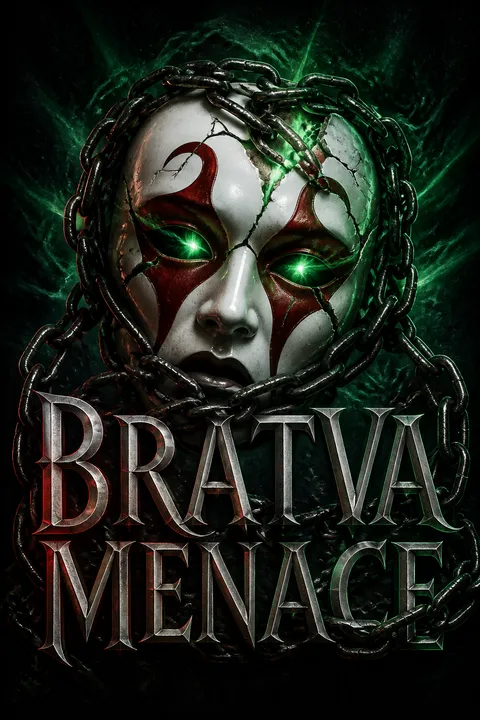
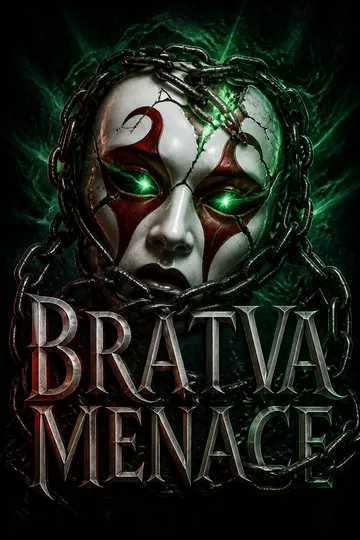
A modern morality play dressed in blood and kink, Bratva Menace asks: Can love be madness, and madness redemption?
TJ Maguire's final Bratva installment takes the mafia romance and turns every familiar device inside out: the arranged marriage, the family loyalty, the "unreliable clown" sibling. Instead of violent men broken by love, we get a hero and heroine who are already exiles, whose very strangeness is both their curse and their ticket home. The narrative refuses easy comforts—every homecoming is bloody, every reconciliation nerves raw. Here, love only triumphs when obsession and honesty are treated as virtues, not pathologies. The lesson isn't mere forgiveness, but radical mutual recognition: only those with the bravery to reveal their worst can find their best reflected. In today's era of found family and complex trauma, Bratva Menace stands as both a caution and a perverse celebration: shared madness is the only true inheritance, and only those who fight their way into the arms of another outcast can ever hope to find peace. The "menace" in the title is not external, but internal—love as the most dangerous legacy of all.
People Also Read

Characters
Lukyan Volkov
Lukyan is the youngest Volkov brother, outwardly brash and charming, forever hiding pain behind jokes and feigned incompetence. His siblings and father love him, but treat him as unserious—deeply wounding his sense of identity. He longs to prove value, to be trusted with the "real," dangerous business of family survival. Lukyan's psychological complexity rests in his duality: both the manipulator and the manipulated, seeking connection while only trusting those as wild as himself. When confronted by Lyla's obsession, he is at first aroused, then liberated by finding someone who understands both his darkness and his need to be wholly, shamelessly himself. Over the course of the story, Lukyan transforms from a sidekick in his own life to the clandestine architect of his own fate, orchestrating the downfall of Sergei, and—through pain and honest confession—claiming a love as disruptive and dangerous as he has always been inside.
Lyla Voznesensky
Lyla is both predator and prey: she stalks Lukyan relentlessly, convinced of their cosmic connection, yet is herself haunted by a brutal childhood, the loss of her parents, and the tyranny of an older brother's mission of revenge. Lyla's essence is contradiction—she displays remorseless violence, meticulous planning, and moments of childlike longing for acceptance and home. Her obsession is both self-annihilation and self-creation, a search for a partner who will embrace, not "fix," her madness. Lyla's development hinges on her forced choice between blood and love, culminating in the heartbreaking murder of her brother to save Lukyan. In the end, Lyla's arc is redemptive not because she tames her darkness, but because she finds a partner willing to match it and bear it beside her.
Dimitri Volkov (The Butcher)
Dimitri is the bedrock of the Volkov family—a man who after years of violence and command, is deeply scarred by grief and regret. His reputation as "The Butcher" precedes him, but fatherhood has forced him to confront trauma, vulnerability, and the cost of his legacy. His relationship with Lukyan is fraught: he struggles to accept his son's difference, at times feeding into Lukyan's insecurity, at others supporting his authenticity. When betrayal strikes, Dimitri's skills and brutality ensure survival, yet his greatest arc lies in guiding his children towards maturity and, eventually, letting go of control. Dimitri's grudging acceptance of Lyla, despite her family's crimes, signals a hard-won wisdom: love must sometimes be chosen over legacy.
Aleksandr Volkov
Aleksandr is Lukyan's main psychological foil, and the primary gatekeeper of family expectations. He's the archetype of the stalwart protector: disciplined, serious, skeptical of innovation. His need for control pushes him to test his siblings, especially Lukyan, whose maverick energy he distrusts. The roots of his protectiveness—woven from pain after their mother's murder—make him slow to trust, but his eventual pride in Lukyan's success marks a surrender to growth. Aleksandr's development is also defined by his partnership with Drea, which reveals genuine warmth beneath the surface.
Nikolai Volkov
Nikolai, slightly younger than Aleksandr but equally formidable, is a cold-blooded analyzer, tasked with tracking enemies and orchestrating family defense. His own journey from skepticism to pride in Lukyan mirrors the family's learning to appreciate difference. Nic's softer side is revealed in his devotion to Tatiana and his children, modeling another way to be a Volkov: fiercely capable, but able to step back and let others lead.
Illayana Volkov-De Luca
Illayana is both vulnerable and lethal—her kidnapping sets the story's stakes, and her emotional authenticity anchors the family. Her history of violence, and her partnership with Arturo, foreshadows both the costs and rewards of mixing business with blood. Illayana's support is not unconditional; she demands truth from her brothers, ultimately playing peacemaker and force for reunion in the family and, later, in reconciling Lukyan and Lyla.
Sergei Volkov
As the grandfather bent on preserving his empire at all costs, Sergei is both puppet master and parasite—ruthlessly deploying sleeper soldiers, assassination attempts, and threats against even his own grandchildren. Ultimately, he is outwitted by Lukyan's long game; his fall exposes how fear, not loyalty, rules his world. In death as in life, Sergei's actions echo, ensuring that revenge and violence linger long after his demise.
Lev Voznesensky
Lev is Lyla's brother and the embodiment of generational vengeance. Obsessed with making Dimitri pay for their family's destruction, Lev dominates Lyla's choices and orchestrates a revenge plot that ultimately collapses, leading to his own death by Lyla's hand. His inability to choose her over revenge echoes the novel's warning about the price of devotion to legacy over love.
Autumn (Crimson Death)
Autumn is both legendary assassin and unexpected heart of the Volkov family, blending violence, dark humor, and emphatic loyalty. Her partnership with Dimitri, forged in combat and captivity, becomes a model for love that survives war, betrayal, and trauma. Autumn demonstrates the power of honesty and presence, proving it's possible to turn even the worst men toward healing.
Cedric
Cedric, Lyla's "uncle" and protector, occupies the gray moral territory between enabler and would-be conscience. Loyal to Lyla but resistant to her more reckless impulses, he represents both her last tie to normalcy and the inevitability of loyalty's limits.
Plot Devices
Dual Obsessed Narratives
The narrative is structured around alternating viewpoints—Lukyan's and Lyla's—that echo, contradict, and ultimately reinforce one another. This dual obsession blurs the boundary between victim and captor, watcher and watched, as each finds fulfillment only in the other's madness. Crucially, this mirroring is not just stylistic, but existential: both characters are exiles from their families, both use humor or violence as armor, and both are "outsiders" within their lineages.
Family as Both Fortress and Trap
From the opening pages, family loyalty is both salvation and poison. Repeated scenes of ritual (meals, games, sparring) are undercut by betrayals, ambushes, and the knowledge that affection is always negotiable. The story's recurring motif: in this world, family is both the reason to fight and the reason to kill.
Stalking, Seduction, and the Eroticization of Danger
Lyla and Lukyan's relationship is written as erotically charged stalking, unmasking how desire becomes inseparable from surveillance and dominance. Their push-pull—Lyla's seduction-by-intrusion and Lukyan's calculated provocations—displays how love in this context is always a power play, always one step away from violence.
Subversion of Crime Family Tropes
Rather than triumphant gun battles, the Volkov clan's epic is rewritten through psychological warfare: Lukyan's campaign to destroy Sergei is slow, secret, and methodical, relying on deception, misdirection, and emotional intelligence. The plot upends the expectation that only the "serious" heir can claim power. Here, the underestimated sibling triumphs.
Cycles of Betrayal and Redemption
Lies, secrets, and betrayals are constant: sleeper agents, family secrets, romantic deceits. The novel reveals that in this world, reconciliation is possible only through painful, confessional honesty. Lukyan and Lyla are not healed by purity, but by the mutual willingness to be completely (and dangerously) themselves.
Weaponized Domesticity and Ritual
Scenes of mundane life—dinners, children, birthdays—become sites of both threat and authority; love is expressed as much in culinary prowess as in the willingness to torture or protect. Ritual is always double-edged: a tool for asserting control, and the last hope for belonging.
Trauma as Identity
Characters are defined not by overcoming trauma, but by integrating it into their relationships—making new rituals, forging new connections, claiming agency by accepting the wounds as shared rather than privately borne. In this world, healing is a team sport, and only those who can touch the pain in themselves and others can survive.
Chekhov's Gun: The Pendant
Sergei's pendants are the ultimate plot device: with the push of a button, he unleashes a final massacre, ensuring even in death that his reach persists. Legacy here is as much a curse as a blessing: their world can only be remade once the old bloodlines are exhausted.
Bratva Series Series

Download PDF
Download EPUB
.epub digital book format is ideal for reading ebooks on phones, tablets, and e-readers.








































