
Plot Summary
Secret Family in the Woods
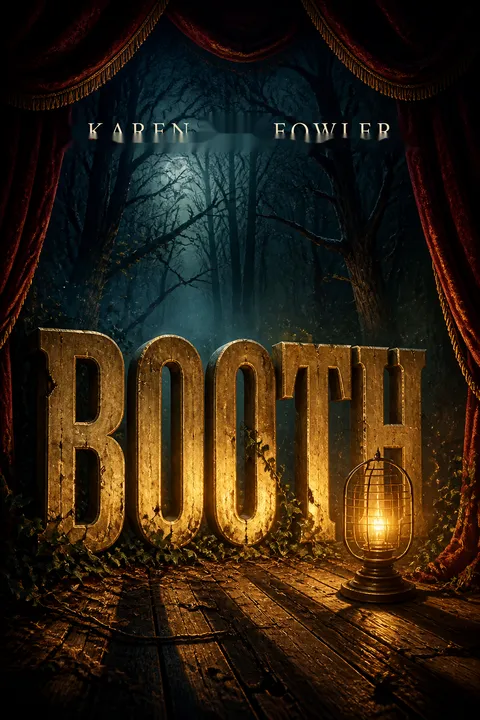
In 1822, the Booth family settles in a secluded Maryland farm, shrouded in secrecy and surrounded by suspicion. The patriarch, Junius Brutus Booth, is a celebrated Shakespearean actor, often absent on tour, leaving his English wife Mary and their growing brood to manage the isolated homestead. The children, born into a world of performance and loss, are raised in a landscape both idyllic and haunted, their lives shaped by the rhythms of nature, the presence of slaves, and the unpredictable tempers of their father and grandfather. The farm becomes a crucible for the Booth children, forging bonds of loyalty, fear, and longing that will echo through their lives.
Grief and Ghosts
The Booth family is marked by repeated tragedy: siblings die young from illness and accident, leaving the survivors—especially Rosalie, the eldest daughter—burdened by grief and a sense of responsibility. Rosalie, reclusive and self-effacing, becomes the caretaker of her mother and younger siblings, haunted by the ghosts of the dead and the weight of her own perceived inadequacy. The family's sorrow is compounded by Junius's erratic behavior and Mary's fragile mental state. Loss becomes a defining feature of their childhood, shaping their relationships and their understanding of love, fate, and God.
Slavery's Shadow
The Booths' farm is worked by leased slaves, and the children grow up alongside black playmates whose lives diverge sharply as they age. The family's relationship to slavery is complex and contradictory: Junius and his father oppose it in principle, yet participate in its economy. The Booths' trusted black manager, Joe Hall, and his wife Ann struggle for years to buy their family's freedom, while the children witness the heartbreak of separation and the injustice of bondage. These early experiences with slavery and race will later inform the Booth siblings' divergent views as the nation edges toward civil war.
Baltimore's New World
In the 1840s, the Booths move to Baltimore, trading rural isolation for urban chaos. The city is alive with gangs, theaters, and the tensions of a growing, divided America. The children split into two camps: the older, marked by loss and memory; the younger, city-bred and fiercely loyal to each other. Junius's fame and eccentricity make the family both celebrated and suspect. The children navigate new schools, friendships, and rivalries, while Mary aspires to middle-class respectability and Junius's absences and scandals continue to destabilize the household.
Sibling Rivalries
As the Booth children mature, their relationships become fraught with jealousy, ambition, and longing for approval. Edwin, sensitive and artistic, yearns to follow his father onto the stage but is discouraged; John Wilkes, charismatic and impulsive, seeks his own path. Asia, the youngest daughter, is fiery and passionate, while Rosalie remains in the shadows. The siblings' rivalries are fueled by their father's favoritism, their mother's dependence, and the ever-present specter of family tragedy. Their bonds are tested by secrets, betrayals, and the pressures of public scrutiny.
The Father's Legacy
Junius Brutus Booth is both a towering talent and a source of chaos. His theatrical brilliance is matched by his instability: he drinks, attempts suicide, and is prone to dramatic gestures that both inspire and terrify his family. His unconventional views on religion, diet, and society set the Booths apart, while his bigamy—maintaining a secret English wife—eventually erupts into scandal. The children inherit his love of Shakespeare and the stage, but also his volatility and sense of being outsiders. His death leaves a void that each child struggles to fill in their own way.
The Scandal Unveiled
The family's fragile respectability is shattered when Junius's first wife, Adelaide, arrives from England, exposing his bigamy and casting Mary and the children as illegitimate in the eyes of society. Adelaide's public harassment and legal battles humiliate the Booths, deepening their sense of isolation and shame. The children are forced to confront the reality of their parents' choices and the precariousness of their place in the world. The scandal cements their loyalty to each other but also sows seeds of resentment and self-doubt that will haunt them for years.
The Stage and the Sword
Edwin and John Wilkes both pursue acting, but their paths diverge: Edwin, introspective and disciplined, becomes a celebrated tragedian, while John, flamboyant and restless, is drawn to melodrama and adventure. Their careers are shaped by the changing tastes of American theater and the shadow of their father's reputation. Meanwhile, the nation's political turmoil seeps into their lives: John becomes increasingly involved with Southern sympathizers and secret societies, while Edwin and other siblings are drawn to the Union cause. The stage becomes both a refuge and a battleground for their ambitions and ideals.
Love, Loss, and Ambition
The Booth siblings' personal lives are marked by passionate attachments and devastating losses. Edwin's marriage to the gentle Mary Devlin brings brief happiness, but her early death plunges him into despair and alcoholism. Asia's marriage to Sleeper Clarke is fraught with disappointment and betrayal, while Rosalie remains unmarried, her life defined by service and sacrifice. The siblings' ambitions—artistic, romantic, and political—are continually thwarted by circumstance, illness, and the burdens of their family name. Their struggles mirror the nation's own search for identity and purpose.
The Nation Divides
As the United States descends into civil war, the Booth family is torn by conflicting loyalties. John Wilkes embraces the Confederate cause, becoming a spy and conspirator, while Edwin, Asia, and others support the Union. The war brings new tragedies: friends and lovers are lost, fortunes are destroyed, and the family's reputation is further tarnished. The siblings' relationships are strained to the breaking point by political arguments, personal failures, and the relentless pressure of public opinion. The war's violence and moral complexity are reflected in the Booths' own fractured bonds.
War and Family Fractures
The war years are a time of profound suffering for the Booths. Edwin, devastated by Mary's death, struggles with addiction and the demands of supporting his extended family. Asia endures the loss of children and the collapse of her marriage. John's increasing radicalization and involvement in Confederate plots isolate him from his siblings. The family is beset by financial hardship, social ostracism, and the constant threat of violence. Their attempts to find solace in art, religion, and each other are continually undermined by the realities of war and the weight of their shared history.
The Assassin's Path
John Wilkes Booth, once the family's golden boy, becomes consumed by Southern nationalism and a sense of personal destiny. His charm and theatricality mask a growing fanaticism as he plots first to kidnap, then to assassinate President Lincoln. His actions are driven by a toxic mix of political ideology, personal grievance, and a desire for fame. The other Booths, unaware or in denial about the extent of his involvement, are blindsided by the magnitude of his crime. John's path to infamy is marked by secrecy, betrayal, and a final, irrevocable break with his family.
The Night at Ford's
On April 14, 1865, John Wilkes Booth shoots Abraham Lincoln at Ford's Theatre, forever altering the course of American history and sealing the Booth family's fate. The assassination is a meticulously staged act, blending performance and violence in a way that horrifies the nation. As news spreads, the Booths are swept up in a maelstrom of grief, fear, and public outrage. John flees, wounded and hunted, while his siblings are interrogated, imprisoned, and vilified. The family's name becomes synonymous with treachery, and their lives are shattered by the consequences of one brother's act.
Aftermath and Exile
In the wake of the assassination, the Booth family is plunged into chaos. June and Sleeper are arrested; Asia is placed under house arrest; Edwin is hounded by threats and forced to abandon the stage. Mother and Rosalie are besieged by reporters and neighbors, their grief compounded by shame and isolation. John is killed after a desperate flight, his body denied a proper grave. The surviving siblings struggle to rebuild their lives in exile—some in America, some abroad—haunted by loss, guilt, and the enduring stigma of their brother's crime.
The Weight of Memory
The years following Lincoln's assassination are marked by sorrow, estrangement, and the struggle to reclaim dignity. Edwin returns to the stage, achieving new heights of acclaim but forever shadowed by his brother's deed. Asia, in England, writes secret memoirs, unable to escape the burden of her family's history. Rosalie, increasingly isolated, clings to memories and the hope of forgiveness. The Booths are both victims and survivors, their lives a testament to the enduring power of love, shame, and the search for meaning in the aftermath of catastrophe.
The Curtain Falls
As the Booth siblings age and die, their stories become legend, their pain receding into history. Edwin's funeral is a national event, attended by artists and admirers from both sides of the Atlantic. Asia's secret writings are published long after her death, offering a complex portrait of her family's tragedy. Rosalie fades into obscurity, her life a quiet testament to endurance. The Booths' legacy is one of brilliance and destruction, love and betrayal, forever entwined with the fate of a nation. In the end, only memory and the question of forgiveness remain.
Analysis
A family's tragedy as America's reckoningBooth is a sweeping, intimate portrait of a family destroyed by one member's infamous act, but it is also a meditation on the American soul. Through the Booths' story, Fowler interrogates the roots of violence, the legacy of slavery, and the corrosive effects of shame and secrecy. The novel asks what it means to love someone who becomes a monster, and whether forgiveness is possible—or even desirable—in the face of unforgivable acts. By centering the narrative on the siblings and their mother, Fowler resists the gravitational pull of John Wilkes Booth's notoriety, instead illuminating the collateral damage wrought by history's villains. The Booths' struggles with grief, ambition, and belonging mirror the nation's own search for identity and redemption. In the end, Booth is a story about the inescapable weight of memory, the complexity of family, and the enduring question of how to live with the past.
Review Summary
Booth by Karen Joy Fowler receives mixed reviews, with some praising its historical detail and family saga, while others find it slow-paced and unfocused. The novel explores the Booth family, particularly John Wilkes Booth's siblings, against the backdrop of 19th-century America. Readers appreciate Fowler's research and character development but criticize the lack of focus on John Wilkes Booth himself. Many note parallels drawn to modern political divisions. Overall, the book is seen as an ambitious historical fiction that succeeds in some areas but falls short in others.
People Also Read






Characters
Junius Brutus Booth
Junius is the magnetic center of the Booth family, a Shakespearean actor of genius whose brilliance is matched by his volatility and self-absorption. His unconventional beliefs, erratic behavior, and bigamous marriage set the stage for both the family's artistic legacy and its scandals. He is alternately loving and cruel, inspiring his children's ambitions while also wounding them with neglect and unpredictability. His death leaves a void that each child struggles to fill, and his legacy of performance, madness, and outsider status shapes the destinies of all his descendants.
Mary Ann Holmes Booth
Mary is the emotional anchor of the family, enduring repeated pregnancies, the deaths of children, and the humiliations of her husband's bigamy. She is both nurturing and fragile, dependent on her children—especially Rosalie—for support. Her beauty and gentleness are contrasted with her bouts of depression and withdrawal. After Junius's death, she becomes increasingly reliant on her surviving children, her identity bound up in their successes and failures. Her grief over John's crime and the family's disgrace is profound, and she never fully recovers from the loss.
Rosalie Booth
Rosalie is the overlooked heart of the family, marked by shyness, physical frailty, and a deep sense of responsibility. She becomes the caretaker of her mother and siblings, her own desires and ambitions subsumed by duty. Haunted by the deaths of her brothers and sisters, she is attuned to the family's ghosts and sorrows. Rosalie's life is one of quiet endurance, her sacrifices largely unrecognized. Her psychological complexity lies in her longing for love and belonging, her resentment of invisibility, and her struggle to find meaning in a world that continually overlooks her.
Edwin Booth
Edwin is the family's artistic prodigy, inheriting his father's talent but also his melancholy and self-doubt. He is introspective, disciplined, and haunted by guilt—over his mother's suffering, his brother's crime, and his own perceived failures. Edwin's career is marked by both triumph and tragedy: he becomes America's greatest Hamlet, but is forever shadowed by John's assassination of Lincoln. His relationships—with his siblings, his wives, and his friends—are shaped by loyalty, rivalry, and the burden of the Booth name. Edwin's journey is one of survival, redemption, and the search for forgiveness.
John Wilkes Booth
John is the most outwardly charming and adventurous of the Booth siblings, beloved for his beauty, wit, and daring. Yet beneath the surface lies a growing fanaticism, fueled by Southern nationalism, personal grievance, and a desire for historical significance. His path from actor to assassin is marked by secrecy, betrayal, and a sense of destiny. John's psychological unraveling is both personal and political: he is driven by a need to matter, to avenge perceived wrongs, and to escape the shadow of his father and brother. His crime destroys his family and defines his legacy.
Asia Booth Clarke
Asia is the family's fiery spirit, intelligent, creative, and deeply loyal. She is both a participant in and observer of the Booths' drama, recording their triumphs and tragedies in secret memoirs. Asia's relationships—with her brothers, her husband, and her children—are marked by intensity, disappointment, and a longing for connection. She is torn between love for her family and horror at John's actions, her own ambitions and the constraints of her gender. Asia's psychological complexity lies in her capacity for both forgiveness and judgment, her need to make sense of the family's suffering.
June (Junius Brutus Booth Jr.)
June is the practical, reliable older brother, less gifted than Edwin or John but essential to the family's survival. He manages the farm, supports his siblings, and pursues a modest acting career. June's life is marked by a sense of being overlooked and undervalued, yet he remains loyal and dutiful. His relationships are shaped by a desire for approval and a willingness to sacrifice his own happiness for the good of others. June's psychological profile is one of quiet strength, resilience, and a longing for recognition.
Joseph Booth
Joe is the family's lost child, drifting through life in search of purpose and belonging. He is marked by sensitivity, melancholy, and a sense of exclusion from the family's central dramas. Joe's struggles with mental health, identity, and failure mirror the Booths' collective sense of displacement and loss. His relationships with his siblings are ambivalent—he is both loved and overlooked, needed and neglected. Joe's journey is one of wandering, disappointment, and a yearning for home.
Sleeper Clarke
Sleeper is Asia's husband and Edwin's business partner, a comic actor whose charm masks insecurity and self-interest. His marriage to Asia is fraught with tension, infidelity, and resentment, exacerbated by the Booths' scandals and tragedies. Sleeper's relationship with the family is transactional—he seeks the prestige of the Booth name while remaining emotionally distant. His psychological profile is one of ambition, adaptability, and a capacity for both loyalty and betrayal.
Ann and Joe Hall
Ann and Joe Hall are the Booths' most trusted black employees, their lives intertwined with the family's fortunes and misfortunes. Their struggle to buy their own and their children's freedom is emblematic of the era's racial injustice. The Halls' loyalty, resilience, and quiet dignity stand in contrast to the Booths' turmoil. Their presence in the narrative highlights the complexities of race, class, and family in antebellum America.
Plot Devices
Multiple Narrators and Shifting Perspectives
Fowler employs a polyphonic narrative, shifting between the perspectives of Rosalie, Edwin, Asia, and others. This structure allows for a nuanced exploration of memory, bias, and the unreliability of personal testimony. The use of different narrators highlights the subjectivity of experience and the ways in which trauma, love, and shame shape the stories families tell about themselves. The narrative is further enriched by letters, diary entries, and historical documents, blurring the line between fact and fiction.
Foreshadowing and Historical Irony
The novel is suffused with a sense of impending doom, as the reader knows from the outset that John Wilkes Booth will assassinate Lincoln. Fowler uses foreshadowing—ominous dreams, prophecies, and repeated references to Shakespearean tragedy—to build tension and underscore the inevitability of catastrophe. The characters' attempts to escape or deny their fate are rendered poignant by the reader's awareness of what is to come.
Theatrical Metaphor and Performance
The Booths' lives are framed by the language and imagery of the theater. Performance becomes both a means of survival and a source of alienation: the children learn to play roles for their parents, society, and themselves. The boundary between acting and reality blurs, especially for John, whose final crime is staged as a theatrical spectacle. The motif of performance underscores themes of authenticity, deception, and the search for meaning.
Family as Microcosm of Nation
The Booth family's internal conflicts—over loyalty, ambition, race, and belonging—reflect the larger divisions tearing America apart. The siblings' divergent paths and political allegiances serve as a microcosm of the Civil War's moral and emotional complexity. The family's rise and fall is intertwined with the fate of the nation, their private tragedies echoing the public catastrophe of Lincoln's assassination.
Ghosts, Memory, and the Uncanny
The novel is haunted by literal and metaphorical ghosts: dead siblings, lost loves, and the specter of infamy. Memory is both a source of comfort and torment, as the characters struggle to reconcile their love for John with the horror of his crime. The motif of haunting underscores the persistence of trauma and the difficulty of forgiveness, both personal and collective.

Download PDF
Download EPUB
.epub digital book format is ideal for reading ebooks on phones, tablets, and e-readers.








































