
Plot Summary
Fire and Fate Unleashed
The story opens with Tarl Brava setting a hall ablaze, his actions echoing the ruthless ambitions that will ripple through Alekka. Amidst the flames and screams, he claims a woman for himself, foreshadowing the cycles of violence and redemption that define the land. This act of destruction is not just personal but political, setting the tone for a saga where fate, vengeance, and the will of the gods intertwine. The gods themselves are restless, their influence felt in every act of cruelty and every desperate plea for mercy. The world is harsh, and survival demands both strength and cunning, as the destinies of mortals and immortals begin to collide.
Dreamers Awaken, Secrets Stir
Eddeth, long thought to be an ordinary healer, is visited in a dream by the goddess Valera, who reveals her true nature as a dreamer. This revelation is both a gift and a burden, as Eddeth's traumatic past resurfaces, and she is tasked with saving Alys, who has been kidnapped. The dreamers—those who can see beyond the veil—are central to the fate of Alekka, but their powers come at a cost. The gods manipulate events, and mortals struggle to understand their roles in a world where dreams can shape reality and the past is never truly buried.
Kidnapped at Dawn
Alys and her son Magnus are stolen away by Arnon, Alys's resurrected husband, under the influence of the vengeful goddess Alari. Their disappearance sends shockwaves through their friends and family, who scramble to organize a rescue. Eddeth's newfound abilities are put to the test as she tries to locate Alys through visions and symbols. The urgency is palpable, as the threat of violence and the machinations of the gods loom over every decision. The bonds of loyalty and love are tested as the group prepares to pursue their lost kin into the treacherous North.
The Gathering Storm
As the rescue party forms, tensions simmer among the survivors of recent battles. Reinar, torn between his wife Elin and his feelings for Alys, must choose where his loyalties lie. Sigurd, haunted by guilt and skepticism about dreamers, is nonetheless drawn into the quest. The group's preparations are shadowed by the knowledge that they face not only mortal enemies but also the unpredictable wrath of the gods. The North beckons, promising both peril and the possibility of redemption, as the storm clouds gather over Alekka.
Northbound Pursuits
The rescue party sets sail, braving the freezing seas and the threat of divine intervention. Eddeth's visions guide them, but doubts persist about her abilities and the wisdom of trusting in dreams. Meanwhile, Alys endures Arnon's cruelty and the ever-present danger to her son. The journey is marked by hardship, loss, and the constant fear that they are being watched by forces beyond their understanding. The North is unforgiving, and every step forward is a gamble with fate.
Wolves and Serpents
The travelers are beset by monstrous dangers: a sea serpent sent by the goddess Hartu, and later, a pack of magical wolves. Eddeth's quick thinking and the use of ancient symbols save the group from annihilation, but not without cost. The gods' interference becomes undeniable, and the line between the natural and the supernatural blurs. The survivors are forced to confront their own fears and the reality that their destinies are being shaped by powers far greater than themselves.
The Goddess's Game
Alari and Valera, goddesses with competing agendas, manipulate events from the shadows. Mirella, Alys's estranged mother and a powerful dreamer, emerges as a key player, her ambitions threatening to engulf everyone. The gods' family drama is mirrored in the mortal world, as alliances shift and betrayals multiply. The mortals struggle to assert their agency, but the gods' whims often prove decisive. The fate of Alekka hangs in the balance, as the dreamers become both weapons and targets in the gods' eternal game.
Orvala Besieged
Orvala, the northern stronghold, becomes the focal point of the conflict. Mirella manipulates events to bring Alys and Lotta to her, hoping to use their powers for her own ends. Gudrum, a brutal warlord from The Murk, seizes the city with the help of his dreamer Raf and the goddess Alari. The city's defenders are overwhelmed by treachery and magic, and the survivors are forced to choose between submission and resistance. The siege of Orvala is both a physical and spiritual battle, as the lines between friend and foe blur.
Blood on the Ice
As Orvala falls, the streets run red with blood. Alys is forced to kill her abusive husband Arnon to protect her children, a moment of both liberation and trauma. The rescue party, now joined by Reinar and Sigurd, fights their way through chaos, seeking a way out. Mirella's machinations reach their zenith, as she threatens to kill her own grandchildren to achieve her goals. The cost of freedom is high, and the survivors are forever changed by the violence they endure and inflict.
The Hall of Shadows
Gudrum, now lord of Orvala, stages a grotesque wedding to Solveigh, the city's broken lady. The ceremony is a mockery of joy, overshadowed by the threat of further violence and the presence of multiple dreamers, each with their own agenda. Mirella and Raf, the rival dreamers, vie for influence, while Alys and her allies plot their escape. The hall becomes a crucible where old wounds are reopened and new alliances are forged in the face of overwhelming darkness.
The Feast of Betrayal
As the wedding feast descends into chaos, Tarl Brava returns with his army, and the city erupts in battle. Mirella is struck down by an arrow, her fate uncertain. The gods themselves take the field, with Thenor and Alari clashing over the souls of mortals. Eddeth and Raf, guided by Valera, manage to trap Alari temporarily, buying precious time for the escape. The cost of betrayal is paid in blood, and the survivors must seize their chance before the darkness closes in again.
The Price of Freedom
Alys, Reinar, Sigurd, and their companions flee Orvala by ship, guided by the symbols and wisdom of the dreamers. The escape is fraught with peril, as the gods' power wanes and the threat of pursuit remains. The survivors are haunted by the choices they have made and the loved ones they have lost. The price of freedom is steep, and the future remains uncertain, but for the first time, hope flickers on the horizon.
The Return of the King
Tarl Brava reclaims Orvala, but the victory is hollow, marred by betrayal and the loss of Mirella. The survivors regroup, tending to their wounds and mourning their dead. The gods' war continues, with Thenor weakened and Alari plotting her next move. The dreamers, once pawns, begin to assert their own agency, seeking to shape the future of Alekka. The return of the king signals a new chapter in the struggle for power, but the cost of victory is written in blood.
The Web of Dreamers
The dreamers—Alys, Lotta, Eddeth, Raf, and the fallen Mirella—are revealed as the true fulcrum of Alekka's fate. Their powers, traumas, and choices ripple outward, affecting mortals and gods alike. The web of dreams binds them together, even as it threatens to tear them apart. The survivors must learn to trust in themselves and each other, forging new paths in a world where the old certainties have crumbled. The future belongs to those who can see beyond the veil and dare to dream anew.
The Last Escape
As the survivors sail away from Orvala, pursued by enemies both mortal and divine, they reflect on all they have lost and all they still hope to save. The bonds of family, friendship, and love are tested, but they endure. The gods' war is far from over, and the dreamers' journey is just beginning. The last escape is not an end, but a new beginning, as the survivors set their sights on Ottby and the battles yet to come.
The Darkness Breaks
Thenor's hold over the darkness falters, and Alari's vengeance is unleashed. Yet, in the chaos, the mortals seize their moment, breaking free from the gods' control—if only for a time. The darkness that has shrouded Alekka begins to lift, revealing both the scars of the past and the possibilities of the future. The survivors must reckon with the consequences of their actions and the knowledge that the gods are not the only ones who can shape destiny.
The Gilded Trap
The discovery of the Vettel gold and the shifting alliances it enables underscore the dangers of ambition and greed. Old friends become rivals, and the promise of wealth threatens to unravel the fragile unity of the survivors. The gilded trap is not just material but spiritual, as the characters must decide what they truly value and what they are willing to sacrifice for power, love, or freedom.
The End and the Beginning
The saga ends with the survivors sailing into an uncertain future, the gods' war unresolved, and the fate of Alekka hanging in the balance. The epilogue hints at new threats and the inevitability of change, as Ake Bluefinn learns of his own impending death and the need to save Ottby. The end is not final, but a turning of the wheel, as the story of Alekka and its dreamers continues.
Analysis
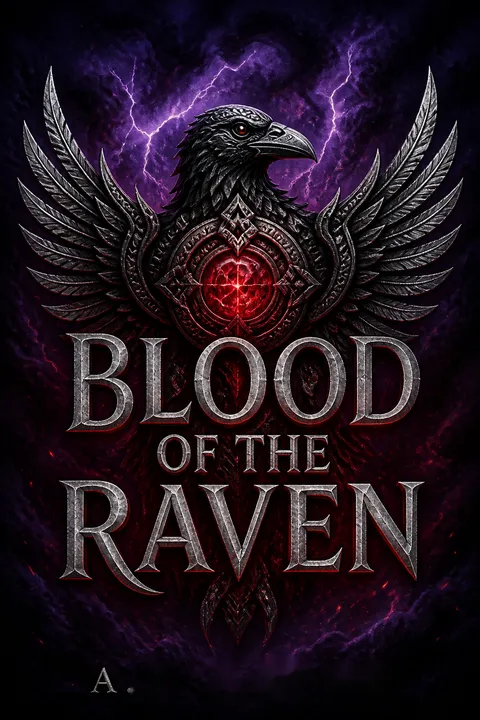
A saga of power, trauma, and the struggle for agencyBlood of the Raven is a sweeping epic that explores the interplay of fate, free will, and the legacy of violence in a world shaped by both gods and mortals. At its core, the novel is about the search for agency in a world where the past is never truly past and the future is always uncertain. The dreamers—especially Alys, Lotta, and Eddeth—embody the hope that knowledge, courage, and love can break the cycles of abuse and betrayal that have defined Alekka for generations. Yet, the story is unflinching in its portrayal of the costs of survival: trauma, loss, and the moral compromises required to protect those we love. The gods' war is a metaphor for the internal and external battles faced by every character, and the ultimate lesson is that true power lies not in domination, but in the willingness to change, to forgive, and to dream of something better. The novel's modern resonance lies in its exploration of trauma, resilience, and the possibility of breaking free from inherited patterns—a message as relevant today as in any mythic past.
Review Summary
Characters
Alys de Sant
Alys is the emotional heart of the saga, a woman marked by trauma, resilience, and a growing sense of her own power. Torn between her abusive husband Arnon and her feelings for Reinar, she is driven by a fierce love for her children, Magnus and Lotta. As a dreamer, Alys is both a target and a weapon in the gods' war, her visions shaping the fate of Alekka. Her journey is one of self-discovery, as she learns to wield her gifts, confront her past, and make impossible choices for the sake of those she loves. Her arc is defined by sacrifice, agency, and the struggle to break free from cycles of violence.
Reinar Vilander
Reinar is a man torn between duty and desire, haunted by his feelings for Alys and his responsibilities as lord of Ottby. His relationship with his brother Sigurd is central to his identity, and his willingness to risk everything for family defines his actions. Reinar is pragmatic, courageous, and sometimes ruthless, but he is also capable of deep love and regret. His arc is one of growth, as he learns to balance personal longing with the needs of his people, and to accept the burdens of leadership in a world shaped by fate and the gods.
Sigurd Vilander
Sigurd is the outsider, both within his family and in the world at large. Abandoned as a child and raised by the Vilanders, he struggles with feelings of unworthiness and the suspicion that he is cursed. His skepticism about dreamers and the gods is challenged by his own experiences, especially his relationship with the dreamer Raf. Sigurd's journey is one of self-acceptance, as he discovers his true origins and learns to embrace both his strengths and vulnerabilities. His arc is defined by loyalty, love, and the search for belonging.
Mirella Vettel
Mirella is both a villain and a victim, her actions driven by ambition, trauma, and a desperate need for control. As Alys's estranged mother and a master dreamer, she manipulates events to serve her vision of a united Alekka, even at the cost of her own family. Mirella's relationships are fraught with betrayal and loss, and her inability to love or trust fully isolates her. Her arc is one of hubris and downfall, as her schemes unravel and she is forced to confront the consequences of her choices.
Eddeth Nagel
Eddeth is a healer who discovers her true nature as a dreamer late in life. Her journey is marked by self-doubt, humor, and a surprising capacity for heroism. Eddeth's relationships with Alys, Stina, and the rest of the rescue party are defined by loyalty and affection, and her growth from bumbling outsider to key player is both touching and inspiring. She embodies the theme that greatness can come from the most unlikely places.
Lotta de Sant
Lotta is Alys's daughter, a young dreamer whose visions are both a blessing and a curse. Her innocence and vulnerability make her a target for those who would use her powers, but her courage and resourcefulness are vital to the group's survival. Lotta's relationship with her mother is central, and her arc is one of coming-of-age in a world that demands too much of its children.
Arnon de Sant
Arnon is Alys's husband, brought back to life by the goddess Alari as an instrument of vengeance. His cruelty and jealousy drive much of the conflict, and his eventual death at Alys's hands is both a moment of liberation and a source of lasting trauma. Arnon's arc is a cautionary tale about the corrosive effects of power, resentment, and the inability to change.
Gudrum
Gudrum is the conqueror of Orvala, a brutal leader whose rise is enabled by his dreamer Raf and the goddess Alari. He is both charismatic and monstrous, capable of both generosity and cruelty. Gudrum's relationships are transactional, and his pursuit of power is relentless. His arc is one of hubris, as his victories sow the seeds of his eventual downfall.
Raf
Raf is Gudrum's dreamer, a young woman with immense but untrained power. Her loyalties are divided between Gudrum and Sigurd, and her relationship with Alari is fraught with danger. Raf's arc is one of self-discovery, as she learns to navigate the treacherous world of gods and mortals, and to choose her own path.
Tarl Brava
Tarl is the ambitious ruler of Orvala, whose quest for the throne is both aided and undermined by dreamers and gods. His brutality is matched by his charisma, and his relationships are defined by power and possession. Tarl's arc is one of rise, fall, and uncertain redemption, as he returns to reclaim his city and confront the consequences of his actions.
Plot Devices
Dreamers and Divine Manipulation
The narrative is structured around the powers and visions of dreamers, whose abilities to see and shape the future make them both tools and threats to the gods. The gods—Thenor, Alari, Valera, and others—intervene directly and indirectly, using mortals as pawns in their eternal struggles. Foreshadowing is achieved through dreams, prophecies, and symbols, creating a sense of inevitability and tension. The interplay between mortal agency and divine will is a constant source of conflict, as characters struggle to assert control over their destinies.
Cycles of Violence and Redemption
The story is marked by cycles of violence—abuse, betrayal, war—that echo across generations. Characters are haunted by the past, and their attempts to break free from these cycles are central to the narrative. Redemption is possible, but it comes at a high price, and not all are able to seize it. The use of parallel storylines and mirrored relationships (mothers and daughters, brothers, lovers) reinforces the theme that history repeats itself unless consciously challenged.
Shifting Alliances and Moral Ambiguity
The plot is driven by shifting alliances, betrayals, and the constant negotiation of power. Characters are forced to make impossible choices, and the line between hero and villain is often blurred. The use of multiple points of view allows for a nuanced exploration of motives and consequences, and the narrative structure emphasizes the interconnectedness of all actions. The story resists easy answers, instead presenting a world where survival often demands compromise and sacrifice.
Symbolic Magic and Ritual
Magic in the saga is rooted in symbols, rituals, and the knowledge passed down through dreamers. The use of symbols to ward off danger, communicate across distances, and bind or free individuals is a recurring device. Rituals—weddings, sacrifices, feasts—are both moments of community and opportunities for betrayal. The narrative structure uses these rituals to heighten tension and reveal character, as well as to advance the plot.
Darkness and Light as Metaphor
The motif of darkness—literal and metaphorical—runs throughout the story. Storms, night, and blindness are used to symbolize confusion, danger, and the unknown, while moments of light represent hope, revelation, and the possibility of change. The breaking of the darkness at key moments signals turning points in the narrative, as characters seize agency or succumb to fate.
The Lords of Alekka Series
About the Author
Download PDF
Download EPUB
.epub digital book format is ideal for reading ebooks on phones, tablets, and e-readers.








































