
Plot Summary
Death's Unwelcome Embrace
Aubrey Fitzwilliam, a brilliant but impulsive young magician, finds himself in a precarious state between life and death after a forbidden magical experiment. Struggling to maintain the fragile bond between his soul and body, Aubrey must rely on a web of spells and sheer willpower to avoid slipping into the true death. The consequences of his actions haunt him physically and emotionally, setting the stage for a journey fraught with danger, self-doubt, and the relentless pursuit of redemption. This opening thrusts readers into Aubrey's internal struggle, his determination to fix his mistake, and the shadow of mortality that will shape every decision he makes.
Forbidden Magic Unleashed
The disastrous experiment is not just a personal failing; it hints at the untapped, perilous frontiers of magical theory. Aubrey's ambition to understand the Nature of Magic, inspired by the likes of Baron Verulam and Dr Tremaine, drives him to explore death magic—an area shunned by all but the mad or desperate. His best friend George Doyle witnesses the aftermath, offering steadfast support. The experiment's failure leaves Aubrey technically dead, his soul tenuously anchored, and introduces the central theme: the cost of forbidden knowledge and the thin line between genius and recklessness.
Secrets and Shadows at Stonelea
At Stonelea School, Aubrey juggles the demands of academia, social expectations, and the need to conceal his condition. The pressure to live up to his father's legacy and his own perfectionism intensify his isolation. George remains his confidant, while the school's traditions and rivalries provide both comfort and challenge. The arrival of a letter from Aubrey's influential father, Sir Darius, draws him into a web of political intrigue, hinting that the world outside Stonelea is as perilous as the magical one he's already endangered.
Family Tensions and Political Storms
A dinner at Maidstone, the Fitzwilliam family home, exposes the complex dynamics between Aubrey, his formidable grandmother Duchess Maria, his war-hero father, and his independent mother. The looming threat of war with Holmland, Sir Darius's political battles, and the expectations placed on Aubrey as a Fitzwilliam all converge. Aubrey's failure in a cadet physical test becomes a symbol of his struggle to meet impossible standards. The family's conversations, laced with wit and tension, reveal the broader stakes: Albion's fate, the specter of war, and the personal costs of public life.
The Sorcerer Royal's Challenge
Dr Mordecai Tremaine, the Sorcerer Royal, visits Stonelea, captivating Aubrey with his charisma and radical ideas about magic. Tremaine's lecture and personal attention to Aubrey ignite both admiration and unease. The Sorcerer Royal's hints about secret research and defense projects foreshadow the coming conflict. Aubrey's ambition is both validated and challenged, as Tremaine's presence raises questions about the responsibilities of power, the ethics of magical advancement, and the dangers lurking behind Albion's genteel façade.
An Invitation to Danger
Sir Darius tasks Aubrey with representing him at a royal shooting weekend hosted by Prince Albert, the Crown Prince. The event, meant to smooth tensions with Holmland after a naval incident, is fraught with diplomatic peril. Aubrey, accompanied by George, is thrust into a world of aristocratic rituals, veiled threats, and political maneuvering. The presence of foreign diplomats, eccentric researchers, and the enigmatic Caroline Hepworth adds layers of complexity. The stage is set for a collision between personal ambition, national duty, and the unpredictable forces of magic.
The Prince's Deadly Weekend
At Penhurst, the royal estate, Aubrey navigates a labyrinth of social hierarchies, secret service agents disguised as staff, and the simmering hostilities between Albion and Holmland. The magical hunt, featuring conjured Stymphalian birds, turns from sport to survival as the dangers become real. Aubrey's magical skills are tested, and his alliance with Caroline deepens. The weekend's festivities mask a deadly plot, and the estate's idyllic veneer cracks under the weight of espionage, ambition, and the threat of violence.
The Hunt Turns Deadly
The shooting party is shattered by the appearance of a golem assassin, a creature of forbidden magic targeting the Prince. Aubrey and George, following magical traces, discover a murdered body and piece together the plot. Using his knowledge of magical laws, Aubrey confronts the golem in a tense showdown, saving the Prince but exposing himself to further scrutiny. The incident reveals the presence of a powerful, unseen adversary manipulating events from the shadows, and the stakes escalate from personal survival to national security.
Golems and Ghosts
The aftermath of the attack leads Aubrey into a web of magical and political intrigue. Ciphered messages, secret societies, and the theft of Professor Hepworth's notebook point to a conspiracy with roots in both Albion and Holmland. Aubrey's magical experiments, including the creation of clay mannikins and the use of mirror traps, bring him closer to understanding the enemy's methods. The boundaries between life and death, loyalty and betrayal, become increasingly blurred as Aubrey races to prevent catastrophe.
Ciphered Warnings
Aubrey and George decipher coded messages in the agony columns, uncovering plans for clandestine meetings and assassination attempts. The Society for Non-magical Fitness is exposed as a front for Holmland spies and domestic agitators. The Magisterium, led by the enigmatic Craddock, and the Special Services close in, but the true mastermind remains elusive. Aubrey's skills in cryptography and deduction are as vital as his magic, and the battle shifts from the physical to the intellectual as he seeks to outwit his adversaries.
The Black Beast's Howl
The legend of the Black Beast of Penhurst becomes horrifyingly real as Aubrey, George, and Caroline confront a magical terror in the woods. The beast's howls induce paralyzing fear, and the trio's investigation leads them to Professor Hepworth's workshop, where they face deadly magical defenses. The encounter tests their courage, resourcefulness, and trust in one another. The beast's connection to forbidden magic and the broader conspiracy becomes clear, and the cost of meddling with death magic is driven home.
Loss, Grief, and Unraveling
The deaths of Dr Tremaine and Professor Hepworth shake the magical community and leave Caroline grieving and determined. Aubrey, George, and Caroline's alliance deepens as they share losses and pursue the truth. The theft of the professor's notebook, the rise of political extremism, and the looming threat of war create a sense of urgency. The boundaries between personal and political, grief and action, blur as the trio confronts the reality that the fate of Albion—and their own lives—hangs in the balance.
The Web Tightens
The investigation leads to confrontations with the Army of New Albion, Holmland spies, and the Magisterium. Aubrey's magical prowess and Caroline's combat skills are tested as they navigate betrayals, shifting alliances, and escalating violence. The mastermind's identity remains hidden, but the threads of the conspiracy draw tighter. The trio's resilience, ingenuity, and loyalty are their only weapons against an enemy who manipulates both magic and politics with equal skill.
The Mastermind Revealed
The revelation that Dr Tremaine, presumed dead, is orchestrating the chaos shocks Aubrey and his friends. Tremaine's plan to use war as a mass sacrifice for the Ritual of the Way—a forbidden spell promising immortality and ultimate power—comes to light. The theft of Professor Hepworth's notebook, the manipulation of political factions, and the unleashing of magical horrors are all part of Tremaine's grand design. Aubrey must confront the man he once idolized, now revealed as a ruthless, amoral adversary.
Rituals and Sacrifice
Tremaine's scheme to ignite a continent-wide war, sacrificing millions for his own gain, forces Aubrey and his allies into a desperate race against time. The boundaries between heroism and hubris, sacrifice and selfishness, are tested as Aubrey faces the ultimate moral dilemma. The confrontation at Banford Park pits Aubrey's ingenuity and courage against Tremaine's overwhelming magical might. The fate of Albion—and the very nature of magic—hangs in the balance.
The Final Confrontation
In a climactic showdown, Aubrey uses his mastery of magical laws and his willingness to sacrifice himself to bind Tremaine and thwart the Ritual of the Way. The battle is as much psychological as magical, with Aubrey confronting his own fears, limitations, and the shadow of death that has haunted him since his experiment. The intervention of the Magisterium and the Special Services tips the scales, but the victory is hard-won and incomplete. Tremaine escapes, leaving unfinished business and the specter of future threats.
Aftermath and New Beginnings
With the immediate danger past, Aubrey, George, and Caroline return to their lives, forever changed. Sir Darius is restored and becomes Prime Minister, ushering in a new era for Albion. Caroline finds a place in Lady Fitzwilliam's world, and George remains the steadfast friend. Aubrey's condition is stabilized but not cured, and the questions of magic, mortality, and destiny linger. The bonds of friendship, love, and family are reaffirmed, and the promise of new adventures—and new dangers—beckons on the horizon.
Analysis
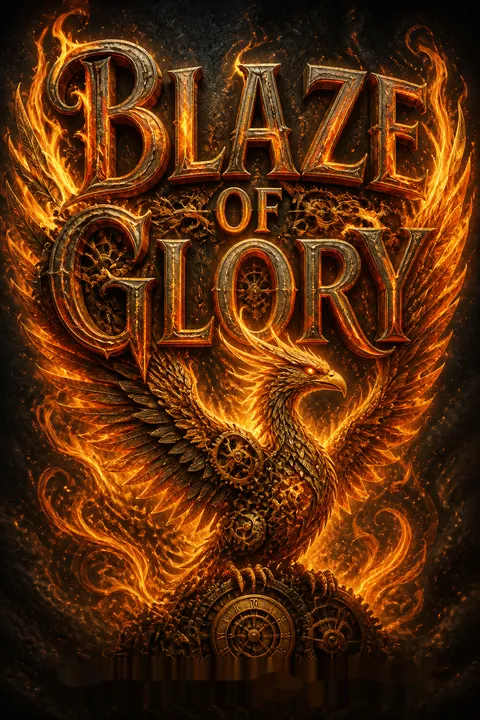
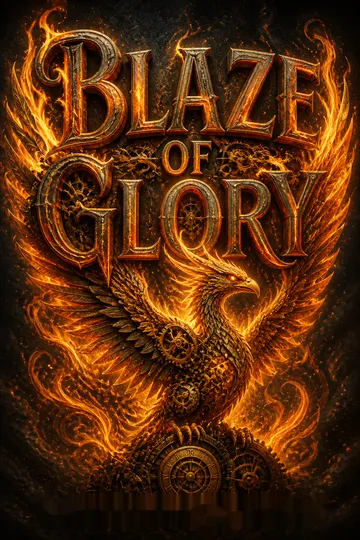
Michael Pryor's Blaze of Glory is a masterful blend of steampunk adventure, magical theory, and coming-of-age drama, set against the backdrop of a nation on the brink of war. At its heart, the novel is a meditation on the costs of ambition, the dangers of unchecked power, and the redemptive possibilities of friendship, love, and humility. Aubrey Fitzwilliam's journey—from reckless prodigy to self-aware hero—mirrors the broader struggles of Albion: the tension between tradition and innovation, the allure and peril of forbidden knowledge, and the necessity of confronting both personal and national demons. The novel's intricate plot, rich characterizations, and deft use of magical and political plot devices create a world that is both fantastical and deeply resonant. The lessons are clear: true greatness requires not just talent, but wisdom, empathy, and the courage to face one's own limitations. In a world where the boundaries between life and death, good and evil, are constantly shifting, Blaze of Glory offers a powerful reminder that the most important battles are often fought within.
Review Summary
Blaze of Glory receives mixed reviews, averaging 3.78/5 stars. Readers praise the unique magic system based on scientific laws and the Victorian steampunk setting. Many appreciate the well-developed world-building and witty dialogue between protagonist Aubrey and his friend George. However, critics cite slow pacing, complex magic that's sometimes vague, and an overly perfect protagonist. Some compare it unfavorably to Harry Potter or other series. The female character Caroline divides opinion. Despite editing issues and predictable plot twists, fans enjoyed the political intrigue and adventure elements enough to continue the series.
People Also Read
Characters
Aubrey Fitzwilliam
Aubrey is a seventeen-year-old magician of rare talent, intellect, and curiosity, but also of deep insecurity and perfectionism. The son of a war hero and political titan, he is driven to prove himself, often to the point of recklessness. His failed experiment with death magic leaves him in a liminal state, technically dead and constantly fighting to keep his soul anchored. Aubrey's relationships—with his loyal friend George, his formidable family, and the enigmatic Caroline—reveal his vulnerability and longing for connection. Psychologically, Aubrey is a study in the costs of genius: pride, guilt, and the fear of never being enough. His journey is one of self-forgiveness, learning the limits of ambition, and discovering that true strength lies in humility and trust.
George Doyle
George is Aubrey's best friend, a country boy of great physical strength, common sense, and unwavering loyalty. While lacking magical ability, George's courage, humor, and emotional intelligence make him indispensable. He grounds Aubrey, providing perspective and support through every crisis. George's own insecurities—about class, ability, and his place in the world—are offset by his deep sense of honor and friendship. His development is subtle but profound: from sidekick to equal partner, willing to challenge Aubrey and risk everything for those he loves.
Caroline Hepworth
Caroline is the daughter of Professor Hepworth, a brilliant and independent young woman shaped by loss and the expectations of a remarkable family. Her grief over her father's death fuels her determination to uncover the truth and seek justice. Caroline's skills—magical, intellectual, and physical—make her a formidable ally and a challenge to Aubrey's assumptions. Her psychological complexity lies in her struggle to balance vulnerability and strength, tradition and rebellion, and her growing feelings for Aubrey. Caroline's journey is one of self-discovery, agency, and the forging of new bonds in the aftermath of tragedy.
Sir Darius Fitzwilliam
Sir Darius is a man of principle, charisma, and ambition, whose public life casts a long shadow over his son. His expectations for Aubrey are both a source of pride and pressure. As a leader, he is strategic, honorable, and unafraid to challenge the status quo. Psychologically, Sir Darius is marked by the burdens of leadership, the scars of war, and the complexities of family loyalty. His relationship with Aubrey is fraught but ultimately redemptive, as both learn to see each other's strengths and vulnerabilities.
Lady Rose Fitzwilliam
Lady Fitzwilliam is a renowned naturalist and explorer, whose independence and intellect shape both her family and the world around her. She is a model of female agency in a patriarchal society, balancing public achievement with private care. Her relationship with Aubrey is warm but challenging, pushing him to question assumptions and embrace empathy. Psychologically, she embodies resilience, curiosity, and the courage to defy convention.
Dr Mordecai Tremaine
The Sorcerer Royal, Tremaine is a figure of immense magical power, intellect, and charm. Initially an idol for Aubrey, he is revealed as the mastermind behind the chaos, willing to sacrifice millions for immortality. Tremaine's psychological profile is that of the classic tragic genius: driven by ambition, seduced by power, and ultimately undone by his own hubris. His relationship with Aubrey is a dark mirror, showing what the younger man could become without humility and conscience.
Duchess Maria Fitzwilliam
Aubrey's grandmother is a formidable presence, upholding the family's legacy with iron will and sharp wit. She is both a source of pressure and stability, embodying the weight of history and the expectations of class. Her psychological complexity lies in her ability to adapt, support, and challenge her descendants, ensuring the Fitzwilliams remain a force in Albion.
Craddock
The head of the Magisterium, Craddock is a master of secrets, strategy, and magical enforcement. His motives are often inscrutable, and his methods ruthless. Psychologically, Craddock is defined by loyalty to the Crown, a willingness to operate in moral gray areas, and a deep understanding of the costs of power. His interactions with Aubrey and Sir Darius reveal both respect and caution, as he navigates the shifting alliances of a nation on the brink.
Jack Figg
Jack is a pamphleteer and activist in the Mire, dedicated to social justice and the plight of the poor. His friendship with Aubrey bridges class divides and brings a vital perspective to the story. Jack's psychological makeup is a blend of hope, frustration, and the relentless pursuit of a better world, often at personal risk.
Hugo von Stralick
Von Stralick is a Holmland diplomat and spy, whose wit, resourcefulness, and ambiguous loyalties make him both a threat and an unexpected ally. His psychological depth comes from his ability to navigate competing allegiances, his respect for worthy opponents, and his ultimate desire to prevent catastrophe—even at personal cost.
Plot Devices
The Laws of Magic
The narrative is built around the concept that magic, like physics, operates according to discoverable laws—Sympathy, Contiguity, Action at a Distance, etc. This structure allows for both creativity and peril: every spell is a calculated risk, and innovation can lead to disaster. The use of magical laws as both plot engine and metaphor for ambition, hubris, and the limits of knowledge is central. The narrative structure mirrors a scientific investigation, with foreshadowing through magical mishaps, the gradual revelation of deeper principles, and the ultimate confrontation with the consequences of breaking the rules.
Foreshadowing and Parallelism
The story is rich in foreshadowing: Aubrey's initial experiment with death magic prefigures Tremaine's ultimate plan; the political tensions at home mirror the magical dangers abroad; personal failures anticipate national crises. Parallel relationships—Aubrey and Tremaine, Sir Darius and the King, Caroline and her father—underscore the themes of legacy, ambition, and the costs of power.
Codes, Ciphers, and Hidden Messages
The use of coded messages in newspapers, secret societies, and hidden notebooks creates a sense of pervasive secrecy and intellectual challenge. Aubrey's skills in cryptography are as vital as his magic, and the unraveling of ciphers parallels the unraveling of the conspiracy. This device also serves as a metaphor for the hidden dangers and complexities of both magic and politics.
Political Intrigue and Social Commentary
The looming war with Holmland, the machinations of the Army of New Albion, and the debates over suffrage and social justice ground the magical adventure in real-world concerns. The interplay between public duty and private ambition, the costs of leadership, and the dangers of extremism are explored through both plot and character.
Psychological and Moral Dilemmas
Aubrey's journey is as much internal as external: the struggle to forgive himself, to accept help, and to resist the temptations of pride and recklessness. The story repeatedly poses questions about the ethics of magic, the responsibilities of genius, and the meaning of sacrifice. The final confrontation with Tremaine is as much a battle of wills and values as of magical skill.
The Laws of Magic Series

About the Author
Other books by Michael Pryor
Download PDF
Download EPUB
.epub digital book format is ideal for reading ebooks on phones, tablets, and e-readers.








































