
Plot Summary
City on the Brink
Zora, a middle-aged artist, feels her life's creative promise slipping away amid the daily grind and growing unease in Sarajevo. The city, once a vibrant mosaic of cultures, is now shadowed by rumors of violence and division. Zora's family history is woven into the city's fabric, and she clings to the hope that the unrest will pass. Yet, as she rides the tram through streets barricaded by barbed wire and witnesses the city's slow partitioning, she cannot ignore the signs of impending disaster. The city's beauty and her longing for artistic fulfillment are increasingly threatened by the encroaching chaos, and Zora's sense of belonging is tested as the world she knows begins to unravel.
Home Invaded, Past Unraveled
A break-in at her mother's old apartment forces Zora and her husband Franjo to confront both the lawlessness gripping Sarajevo and the fragility of their family's legacy. The squatters, emboldened by new rules that allow occupation of "abandoned" homes, challenge Zora's claim to her past. The episode is a microcosm of the city's unraveling order, as neighbors become strangers and the boundaries between safety and threat blur. Zora's mother, frail and ill, is traumatized by the ordeal, and the family must make difficult decisions about safety, property, and the meaning of home. The incident foreshadows the larger disintegration of communal trust and the personal losses to come.
Family Fractures, Choices Loom
With violence escalating, Zora's family faces wrenching choices. Franjo and Zora's mother leave for England to stay with their daughter Dubravka, seeking safety and medical care. Zora, however, remains behind, tethered by her job, her art, and a stubborn attachment to her city and its memories. The separation is painful, marked by guilt, longing, and the fear that they may never reunite. Zora's decision to stay is both an act of resistance and denial, as she tries to maintain normalcy amid the growing threat. The family's fracture mirrors the city's own divisions, and Zora's solitude becomes both a burden and a crucible for her resilience.
Art as Refuge
Alone, Zora immerses herself in her studio, pouring her anxieties and hopes into a large canvas of the Goat's Bridge, a symbol of Sarajevo's history and unity. The act of creation becomes her sanctuary, a way to assert meaning and beauty against the encroaching darkness. As the city outside grows more dangerous, her studio is a haven where time slows and the world's violence is held at bay. Yet, the mounting tension seeps into her work, and the bridge she paints becomes both a literal and metaphorical crossing—between past and present, peace and war, hope and despair. Art is her resistance, but also a fragile shield.
Siege Descends
The siege of Sarajevo begins in earnest, shattering illusions of safety. Zora's routines are upended by shelling, sniper fire, and the collapse of infrastructure. Food and water become scarce, and every outing is fraught with mortal danger. The city's multicultural fabric is torn as neighbors flee, join militias, or are forced into hiding. Zora's world contracts to the essentials of survival, yet she clings to her identity as an artist and a Sarajevan. The siege is both a physical and psychological assault, eroding trust, hope, and the sense of a shared future. Zora's resilience is tested daily as she navigates loss, fear, and the struggle to maintain dignity.
Hunger, Fear, and Neighbors
As deprivation deepens, Zora's relationships with her neighbors become lifelines and sources of tension. Shared meals, whispered conversations, and small acts of kindness offer moments of connection and relief. Yet, suspicion and desperation also breed conflict, as people compete for scarce resources and grapple with the moral ambiguities of survival. Zora witnesses the transformation of ordinary people—some rising to acts of generosity, others succumbing to fear or prejudice. The boundaries between friend and stranger, ally and threat, are constantly shifting. The siege exposes both the best and worst in those around her, and Zora must navigate these complexities to endure.
The Body in the Street
The sight of a woman's corpse left uncollected on the street marks a turning point for Zora. The normalization of death, the impotence of bystanders, and the city's descent into lawlessness are crystallized in this image. Zora is haunted by guilt and helplessness, as the body becomes a symbol of the siege's dehumanization. The rituals of mourning and respect are impossible, replaced by a grim calculus of survival. The city's infrastructure—physical, social, and moral—has collapsed, and Zora must find ways to process grief and horror without closure or justice. The body in the street is both a personal and collective wound.
Blackouts and Barbecues
With electricity and water cut, the city improvises. Freezers thaw, and neighbors gather to barbecue the last of their meat, sharing what little they have. Zora reconnects with Mirsad, her neighbor and Franjo's friend, and discovers hidden reserves of solidarity and resourcefulness. The blackout is both a hardship and an opportunity for communal resilience, as people find new ways to cook, clean, and care for each other. Yet, the constant threat of violence and the erosion of privacy weigh heavily. The rhythms of daily life are dictated by the whims of war, and every act of normalcy is an act of defiance.
Hidden Lives, Secret Sorrows
Zora learns that Mirsad's son, Samir, has been hiding in their building to avoid conscription, his presence a dangerous secret. The revelation deepens Zora's bond with Mirsad and exposes the layers of fear, shame, and moral compromise that the siege imposes. Families are torn between protecting their own and the demands of the collective struggle. Zora's own sense of identity is challenged as she navigates her roles as neighbor, friend, and survivor. The hidden lives within the building mirror the city's fractured reality, where trust is precious and betrayal can be fatal. The siege is as much about what is concealed as what is endured.
The Tree of Survival
Zora begins painting a fantastical tree on her living room wall with Una, a neighbor's child. The tree, a riot of colors and forms, becomes a symbol of resilience, imagination, and the persistence of beauty amid destruction. Teaching Una to paint revives Zora's sense of purpose and connects her to memories of her own daughter. The tree is both a literal and metaphorical act of creation, a way to reclaim agency and joy. As the city's trees are cut down for firewood, the painted tree stands as a testament to what cannot be destroyed. Art, even in its most improvised form, is a lifeline.
The Burning of Memory
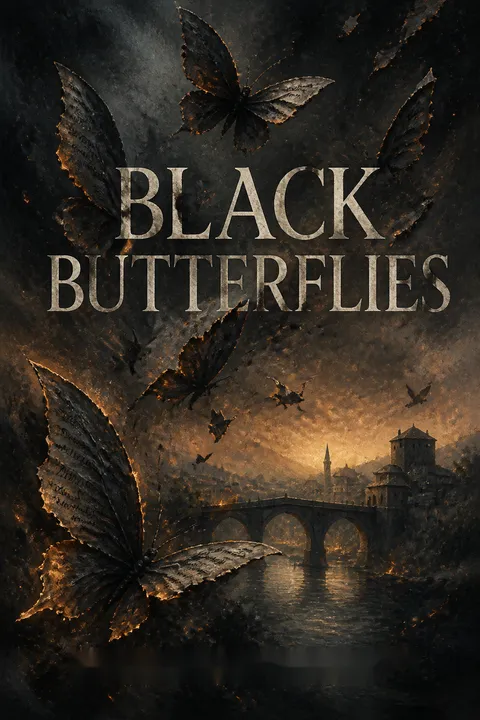
The National Library and Zora's beloved studio are destroyed by incendiary shells, incinerating centuries of cultural memory and her life's work. The loss is shattering, a personal and collective trauma that leaves Zora hollowed and adrift. The city is blanketed with "black butterflies"—burnt pages and ashes that settle on everything. Zora's identity as an artist is obliterated, and she must confront the void left by the erasure of her past. The burning of the library is both an act of war and an assault on meaning, history, and hope. Zora's grief is profound, but even in loss, she seeks ways to begin again.
Letters Across Silence
Cut off from her family by destroyed phone lines and unreliable mail, Zora pours her longing, fear, and memories into unsent letters. The act of writing is both a comfort and a torment, as she imagines her words drifting unread through the void. Occasional, costly phone calls offer brief, ecstatic contact, but also highlight the gulf between her world and theirs. Letters become a form of survival, a way to assert her existence and maintain a thread of connection. The silence is oppressive, yet the hope of reunion persists, sustained by words and imagination.
Hope, Loss, and Waiting
Rumors of convoys and possible evacuation kindle hope, only to be dashed by bureaucracy, favoritism, and the overwhelming demand for escape. Zora prepares to leave, saying painful goodbyes and making sacrifices, but is ultimately denied a place. The disappointment is crushing, and she is forced to confront the reality that survival may mean enduring rather than escaping. The waiting is its own form of torture, as each day brings new losses and the city's suffering deepens. Hope is both a necessity and a risk, and Zora must find ways to live with uncertainty and disappointment.
The Convoy That Failed
As winter arrives, Zora's hopes for evacuation are dashed when she is bumped from the Red Cross convoy. The city is gripped by cold, hunger, and despair. Zora's world contracts further, her resources dwindling and her spirit battered. The failure to escape is both a personal and existential blow, forcing her to reckon with the limits of agency and the randomness of fate. The siege's toll is measured not only in physical deprivation but in the erosion of hope and the accumulation of grief. Zora must find new ways to endure, drawing on reserves she did not know she possessed.
Winter's Grip, Love's Shelter
A makeshift stove becomes the heart of Zora's home, drawing neighbors together for warmth, food, and companionship. Her relationship with Mirsad deepens into love, offering solace and meaning amid the bleakness. Together, they create a fragile sanctuary, sharing stories, art, and moments of joy. Yet, the outside world presses in—Samir is sent to the front, neighbors die, and the city's suffering intensifies. The intimacy Zora and Mirsad find is both a refuge and a reminder of all that is at risk. Love is a form of resistance, but also a source of vulnerability.
The Walled-In Woman
Mirsad tells the story of the walled-in woman, a Balkan folktale about the price of creation and the sacrifices demanded by fate. The tale resonates with Zora and her neighbors, who see themselves as walled in by war, hunger, and fear. The story becomes a lens through which to understand their own suffering and the endurance required to survive. Zora reflects on the parallels between art, love, and loss, and the ways in which women, in particular, are asked to bear the burdens of history. The folktale is both a comfort and a warning, a reminder of the costs of survival.
Death, Departure, and Escape
Tragedy strikes when Una, the child who brought light into Zora's life, is killed by shrapnel. The community is shattered, and Zora's grief is overwhelming. Mirsad disappears, and Zora is left alone in the cold, her will to live nearly extinguished. A miraculous rescue by her son-in-law Stephen offers a chance at escape. Hidden in a lorry, Zora endures a harrowing journey through checkpoints and snow, leaving behind the city and the people she loves. The escape is both a deliverance and a wound, as Zora must reckon with what she has lost and what it means to survive.
Exile and Aftermath
In England, Zora is reunited with her family, but the trauma of war and exile lingers. She struggles to adapt to safety and abundance, haunted by memories and the absence of those left behind. The war continues in Sarajevo, and Zora's letters go unanswered. She paints the Goat's Bridge again and again, seeking to reclaim the creative spark she found in the depths of suffering. The past is both a source of pain and a wellspring of meaning. Zora's story is one of endurance, love, and the search for beauty amid devastation—a testament to the resilience of the human spirit.
Analysis
A meditation on war, art, and the endurance of the human spiritBlack Butterflies is a deeply human novel that explores the impact of war on individuals, families, and communities. Through Zora's eyes, we witness the unraveling of a multicultural city, the erosion of trust, and the daily struggle for survival. The novel interrogates the meaning of home, the costs of resilience, and the role of art in bearing witness to suffering. It refuses easy answers, instead embracing the complexities of identity, memory, and loss. The recurring motifs of bridges, letters, and folktales underscore the tension between connection and division, hope and despair. Ultimately, the novel is a testament to the power of creativity, love, and solidarity in the face of destruction. It challenges readers to remember the victims and survivors of conflict, to recognize the ease with which societies can fracture, and to honor the capacity for beauty and meaning even amid devastation.
Review Summary
Black Butterflies by Priscilla Morris follows Zora, a 55-year-old artist trapped in Sarajevo during the 1992 siege. The novel depicts her struggle for survival amid shelling, starvation, and the destruction of her beloved city, including the burning of the National Library. Reviewers praised Morris's vivid portrayal of war's devastation, the power of art and community, and her sensitive handling of this overlooked historical period. Most found it well-researched and emotionally powerful, though some criticized the writing as commercial rather than literary, with weak characterization and forced romantic elements.
People Also Read

Characters
Zora Kočović
Zora is the novel's protagonist, a middle-aged artist whose life is defined by her deep connection to Sarajevo and her family's history. Her identity is rooted in her art, her role as daughter, wife, and mother, and her love for the city's multicultural fabric. As the siege unfolds, Zora's psychological journey is marked by loss, resilience, and the struggle to maintain meaning amid chaos. She is introspective, stubborn, and fiercely loyal, yet haunted by guilt and longing. Her relationships—with Franjo, her daughter Dubravka, her mother, and her neighbor Mirsad—reveal her capacity for love and her vulnerability. Zora's development is a testament to the endurance of hope and creativity in the face of destruction.
Franjo
Franjo is Zora's older husband, a former journalist and editor, whose pragmatism and care for his family drive him to seek safety in England. His separation from Zora is a source of pain and anxiety, and his absence is keenly felt throughout the siege. Franjo's letters and phone calls are lifelines for Zora, offering both comfort and reminders of what has been lost. He embodies the tension between survival and belonging, and his eventual reunion with Zora is bittersweet, marked by the scars of exile and the longing for a home that no longer exists.
Mirsad
Mirsad, a bookstore owner and friend of Franjo, becomes Zora's closest companion and, eventually, her lover during the siege. A Muslim in a city riven by ethnic conflict, Mirsad is thoughtful, gentle, and quietly courageous. His relationship with his son Samir and his estranged wife Radmila is fraught with pain and ambiguity. Mirsad's psychological depth is revealed in his storytelling, his acts of kindness, and his own struggles with loss and loneliness. His bond with Zora is a source of healing and joy, but also of sorrow, as the war's demands force difficult choices and separations.
Samir
Samir, Mirsad's son, spends much of the siege in hiding to avoid conscription, embodying the fear, confusion, and moral dilemmas faced by Sarajevo's youth. His eventual decision to join the army is both an assertion of agency and a capitulation to the pressures of war. Samir's psychological journey is marked by swings between depression and resolve, and his relationships with his father, Zora, and Lenka reveal the complexities of loyalty, love, and survival. He represents a generation robbed of innocence and forced to navigate impossible choices.
Una
Una, the young daughter of Zora's neighbors Anto and Milka, becomes a surrogate child and muse for Zora. Her creativity, curiosity, and vulnerability bring light into the darkness of the siege. The tree they paint together is a symbol of resilience and the persistence of beauty. Una's tragic death is a devastating blow to the community, crystallizing the senselessness of war and the fragility of hope. Her memory haunts Zora, a reminder of what has been lost and what must be remembered.
Anto and Milka
Anto, an actor, and Milka, a bookkeeper, are Zora's neighbors and the parents of Una. Their marriage, multicultural background, and commitment to Sarajevo's ideals of tolerance and unity make them both vulnerable and admirable. They struggle to protect Una and maintain normalcy, even as the siege erodes their resources and hope. Their grief after Una's death is profound, and their relationship with Zora is marked by both solidarity and the pain of shared loss.
Lenka
Lenka, the daughter of Zora's neighbors, is a young woman whose life is upended by the war. Resourceful and ambitious, she finds work as an interpreter for the UN, navigating the dangers and opportunities of the siege. Her relationship with Samir is a source of comfort and complexity, and her efforts to help Zora escape reflect both her compassion and her own longing for control. Lenka's psychological journey is one of adaptation, resilience, and the search for meaning amid chaos.
Zora's Mother
Zora's elderly mother is a link to the family's past and the city's history. Frail and increasingly dependent, she is traumatized by the invasion of her home and the loss of her world. Her presence is both a source of comfort and a burden for Zora, who must balance care with her own needs. The mother's eventual evacuation to England is a relief, but also a symbol of the dislocation and fragmentation wrought by war.
Dubravka
Dubravka, Zora's daughter, lives in England with her husband Stephen and their child Ruby. She is practical, loving, and determined to save her mother, orchestrating efforts to secure Zora's escape. Dubravka represents the pull of family, the pain of separation, and the challenges of exile. Her relationship with Zora is marked by both closeness and the distance imposed by war, and her presence in the narrative is a reminder of what is at stake.
Stephen
Stephen, Dubravka's English husband, becomes Zora's unlikely savior, risking his own safety to extract her from Sarajevo. His perspective as an outsider highlights the incomprehensibility of the siege to those beyond its reach. Stephen's actions are motivated by love, duty, and a sense of justice. His journey with Zora is both a physical and emotional crossing, bridging worlds and bearing witness to the costs of survival.
Plot Devices
The Bridge as Central Motif
Throughout the novel, bridges—especially the Goat's Bridge and the legendary bridge on the Drina—serve as powerful symbols of Sarajevo's multicultural heritage, the possibility of unity, and the pain of division. Zora's paintings of bridges are acts of memory and resistance, attempts to hold together what is being torn apart. The destruction of bridges, both literal and metaphorical, mirrors the city's fragmentation and the loss of shared identity. The motif is deepened by the folktale of the walled-in woman, which explores the sacrifices required to create and sustain community.
Letters and Communication
The use of letters—written, unsent, or intercepted—serves as a narrative device to convey Zora's inner life, her longing for connection, and the gulf between her world and that of her family in exile. Letters are both lifelines and sources of pain, highlighting the isolation imposed by war and the persistence of hope. The breakdown of communication is a recurring source of tension, and the rare moments of contact are charged with emotion and meaning.
Art as Survival and Testimony
Zora's art is both a refuge and a form of testimony, a way to assert meaning and beauty against the forces of erasure. The act of painting—whether on canvas, walls, or scraps—becomes a means of survival, a way to process trauma and assert agency. The destruction of her studio and the burning of the library are existential blows, but Zora's return to art, even in exile, is a testament to the resilience of creativity. Art is both a personal and collective act, linking Zora to her past, her community, and the possibility of renewal.
Folktale and Storytelling
The inclusion of Balkan folktales, especially the story of the walled-in woman, provides a narrative structure that echoes and illuminates the characters' experiences. Storytelling is a way to make sense of suffering, to find meaning in chaos, and to connect generations. The tales serve as both warnings and sources of comfort, framing the characters' endurance as part of a larger human story.
Narrative Structure and Foreshadowing
The novel unfolds in a roughly chronological sequence, marked by the changing seasons and the escalating siege. Each chapter is anchored in pivotal events—personal and historical—that shape Zora's journey. Foreshadowing is used to build tension and underscore the inevitability of loss, while moments of beauty and connection offer respite and hope. The structure allows for both intimacy and scope, situating individual lives within the sweep of history.
Download PDF
Download EPUB
.epub digital book format is ideal for reading ebooks on phones, tablets, and e-readers.








































