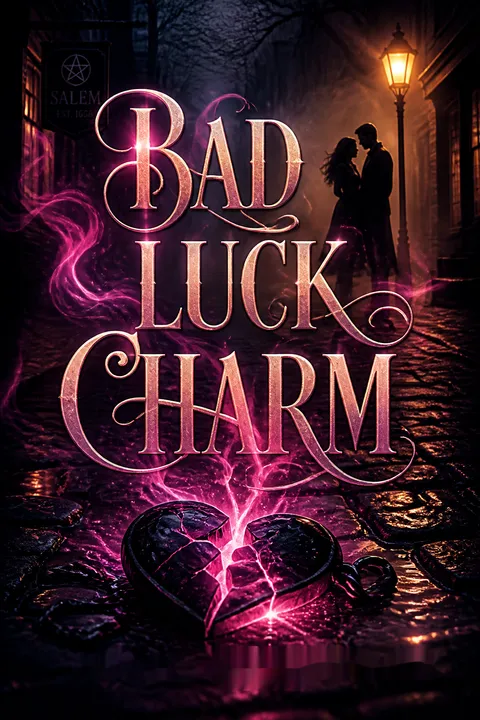

Plot Summary
Stormy Auras and Accusations
Gwen Goode, owner of The Gallows—a quirky occult shop in Salem—begins her day with a stormy aura and a string of misfortunes. Her barista, Hetti, warns her of bad juju, and Gwen is soon confronted by an irate customer who accuses her of cursing his marriage. The chaos is compounded when Detective Hightower arrives, hinting that Gwen is a suspect in a recent murder. Gwen's world, already tinged with supernatural oddities, is now shadowed by real danger and suspicion, setting the stage for a collision between her mundane troubles and the darker forces lurking in Salem.
The Lifeguard God's Rescue
As Gwen faces escalating threats in her shop, Graham Graves—her childhood crush turned nemesis—steps in to protect her. Their antagonistic banter masks a deep, unresolved history, and Graham's presence stirs up old wounds and new desires. The chemistry between them is undeniable, but so is the friction. Graham's intervention is both a lifeline and a reminder of the complicated, tangled connection they share, hinting at a relationship that is far from over.
Childhood Crushes and Curses
Flashbacks reveal Gwen's difficult upbringing and the summers she spent in Salem with her beloved Aunt Colette. Her first encounter with Graham as a lifeguard left an indelible mark, fueling a lifelong crush. But Salem is a town where history and magic intertwine, and Gwen's family legacy is more than just emotional baggage—it's a bloodline tied to witchcraft, curses, and the town's dark past. These memories haunt Gwen, coloring her relationships and her sense of safety.
Enemies, Exes, and Escalation
Gwen's return to Salem is marred by grief and the sting of Graham's public insults. Their mutual animosity is a mask for deeper feelings, but the town's supernatural undercurrents are growing stronger. Gwen's occult shop becomes a focal point for both mundane drama and magical intrigue, as she is drawn into a web of suspicion, rivalry, and unresolved longing. The tension between Gwen and Graham simmers, even as external threats begin to close in.
Blood in the Alley
Gwen is pulled into a police investigation when a gruesome animal sacrifice is discovered in her alley, marked with occult symbols and a chilling Latin message. Detective Hightower and Graham, now a private investigator, both suspect Gwen is connected to the crime. The evidence is circumstantial but damning, and Gwen's knowledge of the occult makes her both a valuable resource and a prime suspect. The line between magical mischief and real violence blurs, and Gwen's sense of security is shattered.
The Fixer and the Witch
Graham's reputation as a "fixer" is clarified—he's not a handyman, but a consultant for law enforcement, specializing in cases that straddle the line between the criminal and the supernatural. As Gwen is interrogated, she realizes the stakes are higher than she thought. The animal sacrifices are part of a pattern, and the next victim may not be an animal. Graham's protective instincts and professional skills become Gwen's best hope, even as their personal history complicates their partnership.
Haunted by the Past
The investigation forces Gwen to confront her unresolved grief over Aunt Colette's death and her own sense of responsibility for the chaos in Salem. Her friendships are tested, and her business is threatened by the mounting suspicion. As she leans on her best friend Florence for support, Gwen is forced to reckon with her own patterns of avoidance and self-sabotage. The past is never far behind in Salem, and Gwen's struggle to move forward is mirrored by the town's inability to escape its own haunted history.
Coven Warnings and Kidnappings
Gwen is kidnapped by a trio of elderly witches—her neighbor Mrs. Proctor among them—who reveal that her bloodline is the key to an ancient curse. The coven warns her that she is the target of a rival group, the Heretics, who seek to use her in a ritual to reclaim their lost power. Gwen's skepticism is shattered by the seriousness of their warning and the lengths they go to protect her, even as their methods leave her feeling betrayed and powerless.
Graveyard Discoveries
Gwen stumbles upon the body of Mrs. Proctor, murdered in a ritualistic fashion and left for her to find. The evidence points to Gwen—her fingerprints are on the murder weapon, and her connection to the victim is well known. Detective Hightower is sympathetic but bound by duty, and Graham's protectiveness intensifies. The town's suspicion grows, and Gwen is forced to confront the reality that she is at the center of a deadly game, with both mundane and magical enemies closing in.
The Heretics' Ritual
As Halloween approaches, Gwen uncovers the Heretics' plan: a series of sacrifices mapped onto a pentagram across Salem, culminating in a final ritual at the heart of the city. Her trusted barista, Hetti, is unmasked as the Heretics' leader, and Gwen is drugged and taken to the ritual site. The Bay Colony Coven mounts a desperate rescue, but the Heretics' power is formidable. Gwen's own latent strength, and the protection of her ancestors, become her last hope as the ritual reaches its climax.
Love, Lust, and Lethal Danger
Amidst the chaos, Gwen and Graham's relationship deepens, moving from antagonism to passion to genuine love. Their intimacy is both a refuge and a source of vulnerability, as Gwen struggles to trust and Graham fights to keep her safe. Their emotional arc mirrors the external threats they face—both must let go of old wounds and embrace the possibility of a future together, even as danger looms.
Betrayal Behind the Counter
The shocking revelation that Hetti, Gwen's trusted employee, is the mastermind behind the Heretics' plot shatters Gwen's sense of trust. The betrayal is personal and devastating, forcing Gwen to confront the limits of her own judgment and the reality that evil can hide in plain sight. The final confrontation is set in motion, with Gwen as the intended sacrifice and the fate of Salem hanging in the balance.
The Pentagram Unveiled
Gwen pieces together the Heretics' plan, realizing that the animal sacrifices form a pentagram across Salem, with the final ritual set for Halloween at Broad Street Cemetery. The discovery galvanizes Graham and his team, who race against time to prevent the ritual and save Gwen. The tension mounts as the web tightens, and Gwen's courage is tested to its limits.
The Final Sacrifice
Drugged and paralyzed, Gwen is laid out on the crypt as the Heretics begin their ritual. The Bay Colony Coven intervenes, but the battle is fierce and costly. Gwen's own strength, the protection of her ancestors, and the timely arrival of Graham and his team turn the tide. The Heretics are defeated, Hetti is exposed, and Gwen survives—scarred but unbroken, her place in Salem and in Graham's heart finally secure.
Rescue and Reckoning
The police and Graham's team round up the Heretics, and Hetti is arrested for murder and attempted ritual sacrifice. The Bay Colony Coven survives, though not without loss. Gwen is cleared of suspicion, and the town begins to heal. The experience leaves Gwen changed—more open, more trusting, and more willing to embrace both her magical heritage and her own desires.
Healing, Home, and Hope
With the threat vanquished, Gwen and Graham turn their attention to building a life together. Graham moves in, helps Gwen renovate her home, and encourages her to put down roots. Their relationship, once fraught with fear and avoidance, becomes a source of strength and joy. Gwen's friendships deepen, her business thrives, and she finds a new sense of belonging in Salem.
New Beginnings in Salem
As Gwen reopens The Gallows, surrounded by friends and allies, a mysterious new applicant arrives—Imogen Warner, seeking the position of psychic. The cycle of magic, danger, and love continues, hinting at new adventures to come. Gwen, once a self-proclaimed bad luck charm, has found her power, her place, and her people. The story ends with hope, humor, and the promise of more magic in Witch City.
Analysis
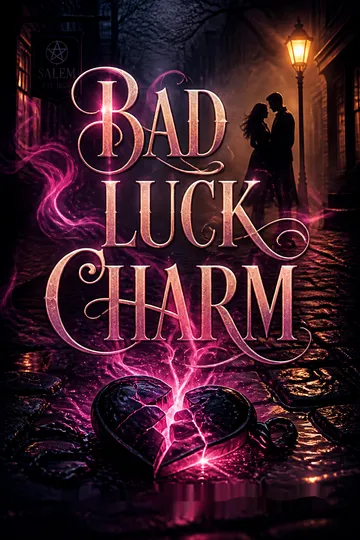
Bad Luck Charm is a witty, emotionally resonant urban fantasy that uses the trappings of a cozy mystery and a spicy romance to explore deeper themes of trauma, trust, and transformation. Julie Johnson's Salem is a place where the past is never truly past, and where the supernatural is both a metaphor for and a literal source of danger. Gwen's journey—from self-proclaimed bad luck charm to empowered survivor and lover—is a testament to the power of vulnerability, the necessity of community, and the courage required to embrace both love and magic. The novel's blend of humor, suspense, and heart makes it a standout in the genre, offering both escapist thrills and genuine insight into the ways we heal from old wounds. The story's lessons are clear: trust is a risk worth taking, love is a force worth fighting for, and even the most cursed among us can find a place to belong. As the cycle of magic continues in Salem, Bad Luck Charm leaves readers eager for the next chapter—reminding us that every ending is also a new beginning.
Review Summary
Bad Luck Charm is a witchy romance set in Salem, featuring Gwen, who runs an occult shop, and Graham, a private investigator. Readers praise the book's spooky atmosphere, humor, and steamy romance. Many enjoy the enemies-to-lovers dynamic and the murder mystery subplot. However, some readers find Graham's behavior problematic and the plot predictable. Overall, the book is well-received for its fall vibes and entertaining storyline, though opinions on character development and pacing vary.
People Also Read


Characters
Gwendolyn Goode
Gwen is the heart of the story—a woman shaped by a traumatic childhood, the loss of her beloved aunt, and a lifetime of feeling like an outsider. Her wit and sarcasm mask deep insecurities and a fear of abandonment. Gwen's journey is one of self-acceptance, learning to trust others, and embracing her magical heritage. Her relationships—with Graham, Florence, and the coven—are fraught with conflict but ultimately transformative. Gwen's arc is about moving from survival to true living, from isolation to community, and from fear to love.
Graham Graves
Graham is both Gwen's childhood hero and her adult adversary, a man whose own wounds make him wary of intimacy. As a private investigator and fixer, he straddles the line between law and chaos, using his skills to protect those he loves. His relationship with Gwen is a battleground of pride, passion, and old hurts, but beneath his gruff exterior lies a deep capacity for love and loyalty. Graham's arc is about letting down his guard, admitting his feelings, and building a future with Gwen.
Florence Lambert
Flo is Gwen's best friend and emotional anchor, the voice of reason and encouragement. Her unwavering loyalty and humor provide Gwen with the stability she lacks elsewhere. Flo's relationship with Desmond is a model of healthy partnership, and her willingness to fight for Gwen—whether in a bar brawl or a magical showdown—demonstrates her courage and heart. Flo's presence is a reminder that found family can be as powerful as blood.
Detective Caden Hightower
Caden is the law's face in Salem, a man caught between duty and empathy. His attraction to Gwen is complicated by his role in the investigation, but his respect for her and his willingness to listen set him apart. Caden's rivalry with Graham is both professional and personal, and his arc hints at deeper stories to come. He represents the possibility of justice and the hope that the mundane and magical can coexist.
Hetti Charles
Hetti is the story's most shocking betrayer—a trusted employee and friend who is revealed as the leader of the Heretics. Her dual identity is a commentary on the dangers of hidden malice and the ease with which evil can masquerade as ordinary. Hetti's actions force Gwen to confront her own judgment and the reality that trust is both a gift and a risk.
Aunt Colette
Though deceased, Aunt Colette's influence permeates every aspect of Gwen's life. As the former High Priestess of the Bay Colony Coven, she represents the power of legacy, the importance of chosen family, and the enduring strength of love. Her teachings guide Gwen through crisis, and her memory is a source of comfort and courage.
The Bay Colony Coven (Agatha, Sally, Eliza)
The elderly witches of the Bay Colony Coven are both comic relief and genuine heroes. Their willingness to risk everything for Gwen, despite her skepticism, is a testament to the power of community and tradition. Their dynamic—bickering, baking, and battling evil—is a celebration of female friendship and resilience.
The Heretics
The Heretics are the story's primary antagonists, a coven of dark witches seeking to reclaim their lost power through blood sacrifice. Their leader's infiltration of Gwen's life is a chilling reminder of the dangers that lurk beneath the surface of everyday existence. The Heretics embody the destructive potential of unchecked ambition and the perversion of tradition.
Holden and Hunter Graves
Graham's twin brothers are his right-hand men, providing muscle, backup, and occasional comic relief. Their presence underscores the importance of family—both biological and chosen—and their willingness to protect Gwen at all costs cements their place in her new life.
Detective Imogen Warner (teased for sequel)
Imogen's arrival at the end of the story signals the continuation of Salem's magical saga. Her interest in the psychic position at The Gallows, and her connection to Detective Hightower, hint at new adventures, new dangers, and new love stories to come.
Plot Devices
Duality of Magic and Mundanity
The story's structure relies on the interplay between the ordinary and the magical—occult shops and police investigations, coffee orders and blood rituals. Gwen's skepticism is tested by real danger, and the town's history is both a source of comfort and a wellspring of threat. The use of magical realism grounds the narrative, making the supernatural feel both wondrous and menacing.
Enemies-to-Lovers Romance
Their relationship is built on years of misunderstanding, pride, and unresolved longing. The enemies-to-lovers trope is used to explore themes of trust, vulnerability, and the difficulty of letting go of old wounds. Their banter, sexual tension, and eventual union provide both levity and depth, mirroring the story's movement from chaos to healing.
Foreshadowing and Red Herrings
The pattern of animal sacrifices, the pentagram mapped onto Salem, and the Latin messages all serve as foreshadowing for the Heretics' ultimate plan. The revelation of Hetti's true identity is carefully seeded, and the story uses red herrings—such as Gwen's own status as a suspect—to keep readers guessing.
Found Family and Community
Gwen's relationships—with Florence, the coven, and eventually Graham's family—are as important as the central romance. The story uses the motif of found family to explore healing, belonging, and the power of collective action in the face of darkness.
Cyclical Structure and Sequel Tease
The story closes with Gwen reopening The Gallows, surrounded by friends and facing a new mystery in the form of Imogen Warner. The cyclical structure—beginning and ending with the shop, with a new threat on the horizon—reinforces the idea that magic, danger, and love are ongoing forces in Salem.
Witch City Series
About the Author
Other books by Julie Johnson

Download PDF
Download EPUB
.epub digital book format is ideal for reading ebooks on phones, tablets, and e-readers.








































