
Plot Summary
Orphans and New Beginnings
Ari and his older brother Taukiri are left orphaned after a tragic accident, their lives upended and their sense of belonging shattered. Taukiri, burdened by guilt and trauma, leaves Ari in the care of their distant relatives, Aunty Kat and Uncle Stu, on a rural New Zealand farm. Ari, silent and grieving, is thrust into a world of unfamiliar faces and routines, where the absence of his parents and brother is a constant ache. The farm, with its cows, birds, and mud, becomes both a place of exile and reluctant adaptation. Ari's only solace is in small rituals—plasters for invisible wounds, counting steps, and the companionship of Beth, a wild, sharp-tongued neighbor girl who also knows loss. The chapter sets the tone of displacement, the search for comfort, and the fragile hope that something good might still be possible.
Brothers Torn Apart
Haunted by the belief that he brings misfortune, Taukiri abandons Ari, convinced his presence is a curse. He drives away, music blaring, determined to sever ties with the past and his own pain. Ari, left behind, is mute with shock and betrayal, unable to process the abandonment. Taukiri's journey north is a desperate attempt to escape the memories of drowning, the weight of his parents' deaths, and the suffocating expectations of family. He drifts through cities, sleeping in his car, busking for coins, and numbing himself with pills and fleeting connections. Meanwhile, Ari struggles to find his voice and place in a household marked by emotional neglect and simmering violence. The brothers' separation is a wound that festers, shaping their identities and choices as they navigate grief and survival.
The Farm's Silent Wounds
Life on the farm is a study in quiet suffering. Aunty Kat, overwhelmed and emotionally distant, tries to provide for Ari but is herself trapped in a loveless, abusive marriage. Uncle Stu's presence is a constant threat, his anger and racism poisoning the air. Ari clings to routines—plasters for every hurt, counting, and the company of Beth and her dog Lupo. The children's games are tinged with violence and loss, mirroring the adult world's brutality. Ari's longing for his brother and parents is palpable, his attempts to reach out—phone calls, dreams, and rituals—met with silence or dismissal. The farm becomes a microcosm of generational trauma, where love is scarce and survival depends on small acts of resistance and friendship.
Ghosts, Guilt, and Plasters
Ari and Taukiri are both haunted—Ari by the ghosts of his parents and the ache of abandonment, Taukiri by guilt and the belief that he is cursed. Ari's use of plasters becomes a coping mechanism, a way to make visible the wounds no one else sees. Dreams blur the line between past and present, the living and the dead. Taukiri, adrift in the city, is drawn to music and fleeting connections but cannot escape the pull of home or the memory of his brother's need. Both boys are searching for forgiveness—Ari for being left, Taukiri for leaving. The chapter explores the ways trauma lingers, shaping identity and the desperate search for healing.
The Weight of Absence
Ari's loneliness deepens as he realizes the adults around him are too broken to offer real comfort. Aunty Kat is consumed by her own pain, Uncle Stu's cruelty escalates, and Nanny, once a source of love, is unreachable. Ari's friendship with Beth becomes a lifeline, their shared games and dreams a brief respite from the farm's darkness. Taukiri, meanwhile, is drawn into the city's underbelly, busking with Elliot, numbing himself with drugs, and seeking meaning in music and fleeting intimacy. Both brothers are defined by what is missing—their parents, each other, and a sense of safety. The absence becomes a presence, shaping every choice and hope.
Songs of the Lost
Music threads through the brothers' lives as both a connection to the past and a means of survival. Taukiri's guitar is a talisman, a link to his mother and the world he lost. Busking on city streets, he finds moments of joy and belonging, even as he drifts further from home. Ari remembers the songs his family sang, the rituals that once anchored him. The act of singing, playing, and listening becomes a way to process grief, to remember, and to hope. Music is both a balm and a reminder of what has been lost, a language the brothers share even in separation.
Violence in the House
The simmering violence in the farm household boils over. Uncle Stu's abuse of Aunty Kat becomes more visible, his racism and cruelty directed at both Ari and Beth. A pivotal moment occurs when Uncle Stu burns a letter from Taukiri meant for Ari, a symbolic act of erasing hope and connection. The children witness and endure violence—physical, emotional, and psychological—learning to navigate danger with silence, small rebellions, and fierce loyalty to each other. The chapter exposes the cycles of abuse that trap families, the complicity of silence, and the courage required to break free.
The Gang's Shadow
Parallel to Ari and Taukiri's story is that of Jade, their birth mother, whose life is marked by gang violence, addiction, and cycles of abuse. Jade's childhood in the House is a litany of neglect, survival, and fleeting moments of love. Her relationships—with her parents, lovers, and cousin Sav—are shaped by violence and the desperate search for belonging. The gang's shadow looms over every choice, culminating in tragedy and loss. Jade's story is one of survival against the odds, the cost of generational trauma, and the possibility of redemption through love and motherhood.
Love, Escape, and Return
Jade finds love with Toko, a gentle, music-loving man who offers her a chance at a different life. Their relationship is a brief oasis of happiness—living on a boat, raising their son Taukiri, and building a new family. But the past is never far behind. The violence of the gang world, the weight of old wounds, and the pull of family obligations threaten their fragile peace. Jade's attempts to escape are met with both hope and heartbreak, as the cycles of loss and longing repeat. The chapter explores the tension between escape and return, the cost of love, and the possibility of healing.
The River Warriors
Ari, Beth, and Tom Aiken embark on a camping trip that becomes a rite of passage. They become "river warriors," catching eels, sharing stories, and forging bonds of trust and courage. The trip is a brief respite from the violence and neglect of home, a space where the children can be brave, resourceful, and free. The experience empowers Ari, giving him the strength to face the dangers that await. The chapter celebrates the resilience of children, the importance of chosen family, and the small victories that make survival possible.
Letters, Lies, and Longing
Letters—written, burned, or lost—become symbols of longing and the desire for connection. Ari's attempts to reach Taukiri are thwarted by adults who cannot or will not help. Taukiri, in turn, sends messages that never arrive, his guilt and fear keeping him at a distance. Lies and secrets fester—about family, identity, and the past—creating barriers to healing. Yet the act of writing, speaking, and hoping remains a form of resistance, a refusal to give up on love or the possibility of reunion.
The Tides of Forgiveness
As the narrative converges, characters are forced to confront the consequences of their actions and the wounds they carry. Taukiri returns home, drawn by the need to protect Ari and face the legacy of violence. Jade seeks forgiveness for her own failures, haunted by the losses she has endured and inflicted. The tides of forgiveness are unpredictable—sometimes gentle, sometimes overwhelming—but necessary for healing. The chapter explores the difficulty of forgiving others and oneself, the courage required to break cycles of harm, and the hope that comes with reconciliation.
The Gathering Storm
The threads of the story tighten as violence erupts on multiple fronts. Uncle Stu's abuse escalates, culminating in a brutal attack on Beth and the killing of her dog, Lupo. Ari, empowered by his experiences and friendships, finds the courage to stand up to Uncle Stu, even as fear threatens to overwhelm him. Taukiri, returning home, is forced to confront the man who has terrorized his family. The storm is both literal and metaphorical—a reckoning with the past, the unleashing of long-suppressed rage, and the fight for survival.
Blood, Bees, and Courage
In a climactic confrontation, Ari, Beth, and Taukiri face Uncle Stu's violence head-on. The children's courage is palpable—Ari stands between his brother and the gun, Beth wields a weapon in defense, and together they break the cycle of silence and fear. The imagery of bees—swarming, protective, and fierce—underscores the collective power of those who refuse to be victims. Blood is spilled, but so is the possibility of a new beginning. The chapter is a testament to the resilience of children, the power of solidarity, and the necessity of confronting evil.
The Reckoning
The aftermath of the confrontation is marked by both relief and sorrow. Beth is gravely injured, Uncle Stu is dead, and the family is left to pick up the pieces. The authorities intervene, and the children are finally believed and protected. The reckoning is both personal and communal—a moment of justice, but also a reminder of the cost of survival. The chapter explores the complexities of justice, the pain of loss, and the slow process of healing.
The Aftermath and Healing
In the wake of violence, the survivors begin to rebuild. Ari and Taukiri are reunited, their bond strengthened by shared ordeal. Beth, though changed by trauma, remains a vital presence. Aunty Kat, freed from abuse, begins to heal, and Tom Aiken becomes a true ally. Jade, seeking redemption, returns to her children, and the extended family gathers to support one another. Healing is slow and uneven, marked by setbacks and small victories. The chapter affirms the possibility of recovery, the importance of chosen family, and the enduring power of love.
Stories, Songs, and Survival
The survivors turn to stories and songs as a means of making sense of their experiences. Ari learns to play the guitar, Taukiri finds solace in music, and the family shares legends and memories. The act of storytelling becomes a way to reclaim agency, to honor the dead, and to imagine a future beyond trauma. The chapter celebrates the resilience of narrative, the importance of cultural identity, and the ways in which art can heal and transform.
The Light That Remains
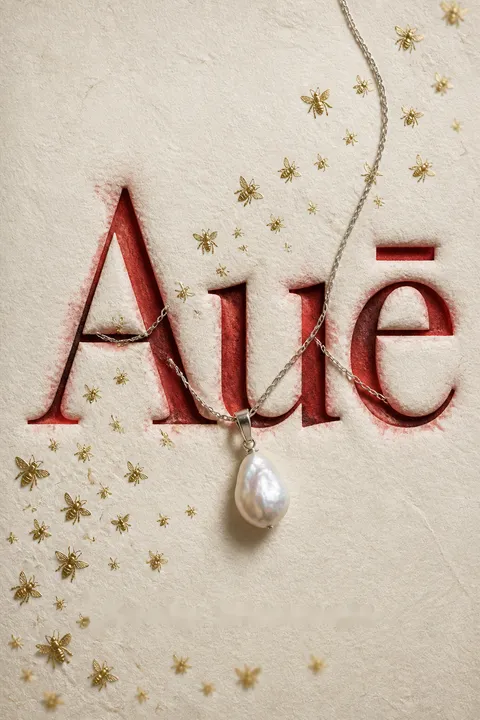
In the final chapter, the family gathers around a table, sharing food, stories, and laughter. The lost pearl earring—once a symbol of grief and longing—is transformed into a necklace, a sign that what is lost can be remade into something new. Ari, Taukiri, Beth, and their extended family are not healed, but they are together, bound by love, memory, and the determination to survive. The light that remains is fragile but real—a testament to the power of forgiveness, the importance of belonging, and the hope that endures even in the aftermath of loss.
Analysis
A modern Māori epic of trauma, resilience, and hopeAuē is a powerful exploration of intergenerational trauma, the enduring scars of violence, and the fragile hope of healing. Becky Manawatu crafts a narrative that is both deeply rooted in Māori culture and universally resonant, weaving together the stories of children and adults caught in cycles of harm and longing. The novel's strength lies in its unflinching portrayal of pain—abuse, neglect, addiction, and loss—balanced by moments of tenderness, humor, and solidarity. The use of multiple perspectives, rich symbolism, and lyrical language creates a tapestry of experience that honors both the complexity of suffering and the possibility of redemption. At its heart, Auē is a story about the search for belonging, the courage to confront the past, and the transformative power of love, music, and storytelling. It is a testament to the resilience of the human spirit and the enduring light that remains, even in the darkest of times.
Review Summary
Auē by Becky Manawatu is a devastating yet beautiful debut novel about two orphaned Māori brothers, Taukiri and Arama, separated after their parents' deaths. The story alternates between perspectives and timelines, revealing their family's history of violence, gang involvement, and intergenerational trauma. Reviewers praise the visceral, lyrical writing and compelling characters, particularly young Ari and his friend Beth. While the novel confronts domestic abuse, poverty, and grief with unflinching honesty, it balances darkness with hope, humor, and compassion. The book won multiple New Zealand awards and is considered essential New Zealand literature.
People Also Read



Characters
Ārama (Ari)
Ari is a young boy whose world is shattered by the sudden loss of his parents. Left in the care of relatives who are themselves broken, Ari becomes the emotional heart of the novel. His silence, rituals (plasters for wounds, counting steps), and deep attachment to his brother Taukiri reveal a child struggling to process trauma. Ari's friendship with Beth is a lifeline, offering moments of joy and agency amid neglect and violence. His journey is one of gradual empowerment—finding his voice, standing up to abuse, and ultimately reclaiming a sense of family and self-worth. Ari's innocence and resilience are both a source of vulnerability and strength, embodying the novel's central themes of survival and hope.
Taukiri
Taukiri is Ari's older brother, a teenager overwhelmed by guilt, grief, and the belief that he brings misfortune. His decision to abandon Ari is both an act of self-preservation and self-punishment, setting in motion a journey of exile and longing. Taukiri's life in the city is marked by drift—busking, substance abuse, and fleeting relationships—yet he is never free from the pull of home or the memory of his brother's need. Music is his solace and connection to the past. Taukiri's eventual return is an act of courage and redemption, as he confronts the violence that has haunted his family and seeks forgiveness for his failures. His arc is one of reckoning, healing, and the reclamation of love.
Beth
Beth is Ari's neighbor and closest friend, a wild, sharp-tongued girl who has also experienced abandonment. Her bravado masks deep wounds, and her loyalty to Ari is unwavering. Beth's humor, resourcefulness, and willingness to break rules make her a vital ally in the children's struggle against adult violence. Her own family is fractured, and her relationship with her father, Tom Aiken, is both loving and marked by absence. Beth's courage is tested in the novel's climactic confrontation, where she stands up to Uncle Stu and defends her friends. Her survival is hard-won, and her journey is one of resilience, adaptation, and the search for belonging.
Aunty Kat
Aunty Kat is Ari and Taukiri's aunt, a woman worn down by loss, regret, and an abusive marriage. Her attempts to care for Ari are hampered by her own trauma and the daily threat of Uncle Stu's violence. Kat's relationship with her children and extended family is fraught, marked by both love and distance. She is a survivor, enduring years of neglect and harm, yet her capacity for tenderness and sacrifice remains. Kat's eventual decision to leave Uncle Stu is an act of liberation, signaling the possibility of healing and new beginnings. Her character embodies the complexities of caregiving, the cost of endurance, and the hope for change.
Uncle Stu
Uncle Stu is the novel's primary antagonist, a man whose racism, violence, and emotional cruelty poison the household. His abuse of Kat, Ari, and Beth is both overt and insidious, perpetuating cycles of trauma and silence. Stu's actions—burning letters, killing Beth's dog, physically assaulting the children—are acts of domination and erasure. He is a product of his own wounds, yet the novel offers little redemption for him. Stu's eventual death is both a moment of justice and a reminder of the cost of unchecked violence. His character serves as a catalyst for the family's reckoning and the breaking of generational cycles.
Jade
Jade is Ari and Taukiri's birth mother, a woman whose life is marked by abuse, addiction, and the search for love. Her childhood in the House is a litany of neglect and survival, her relationships shaped by violence and fleeting moments of tenderness. Jade's love for Toko offers a brief respite, but the past is never far behind. Her abandonment of her children is both a source of shame and a survival strategy. Jade's journey is one of seeking forgiveness, confronting the consequences of her choices, and the possibility of redemption. Her character embodies the complexities of motherhood, the cost of trauma, and the hope for healing.
Toko
Toko is Jade's partner and Taukiri's father, a man whose kindness, musical talent, and love offer Jade a chance at a different life. His relationship with Jade is marked by tenderness, humor, and the shared dream of escape. Toko's death is a devastating loss, both for Jade and for the family he tried to build. He represents the possibility of breaking cycles of violence, the power of love, and the fragility of happiness. Toko's legacy endures in his son, his music, and the memories of those who loved him.
Tom Aiken
Tom Aiken is Beth's father and a rare source of stability and kindness in the children's lives. His home is a refuge, his humor and resourcefulness a balm for wounded spirits. Tom's relationship with Beth is loving, if sometimes distant, and his support for Ari and Kat is unwavering. He is a model of positive masculinity, offering protection, guidance, and acceptance. Tom's presence is a reminder that not all adults are harmful, and that healing is possible through community and care.
Sav
Sav is Jade's cousin, a woman whose life is shaped by addiction, violence, and the desperate search for love. Her relationship with Jade is both a source of support and a mirror of shared trauma. Sav's pregnancy, struggles, and eventual death are emblematic of the novel's themes of generational harm and the difficulty of escape. Her character is both a warning and a testament to the resilience of those who endure.
Nanny (Colleen)
Nanny is the family's matriarch, a woman whose love, rituals, and stories anchor the family's identity. Her grief over lost children and grandchildren is profound, yet she remains a source of wisdom and comfort. Nanny's rituals—karakia, songs, and the search for a lost pearl earring—are acts of remembrance and resistance. She embodies the endurance of culture, the importance of memory, and the hope that what is lost can be transformed.
Plot Devices
Interwoven Narratives and Multiple Perspectives
The novel employs a braided narrative structure, alternating between the perspectives of Ari, Taukiri, Jade, and others. This multiplicity of voices allows for a nuanced exploration of trauma, memory, and survival. The interwoven timelines—past and present, childhood and adulthood—create a tapestry of experience that reveals the interconnectedness of personal and generational wounds. The use of dreams, letters, and songs as narrative devices deepens the emotional resonance, blurring the boundaries between reality and memory. The structure mirrors the fragmentation of trauma and the slow, nonlinear process of healing.
Symbolism and Motifs
Recurring symbols—plasters, music, birds, bees, and the lost pearl earring—serve as touchstones for the characters' emotional journeys. Plasters represent both the visibility and invisibility of wounds, music is a conduit for memory and connection, birds symbolize freedom and loss, and bees embody collective power and resistance. The pearl earring, lost and transformed, becomes a metaphor for grief, transformation, and the possibility of renewal. These motifs are woven throughout the narrative, enriching the thematic depth and offering moments of hope amid despair.
Cycles of Violence and Redemption
The novel is deeply concerned with the cycles of violence—abuse, addiction, abandonment—that shape families and communities. Characters are both victims and perpetrators, struggling to break free from patterns inherited from the past. The narrative does not shy away from the realities of harm, but it also affirms the possibility of redemption through courage, solidarity, and forgiveness. The breaking of cycles is hard-won, requiring both confrontation and compassion.
Foreshadowing and Nonlinear Revelation
The novel employs foreshadowing and nonlinear storytelling to build suspense and deepen emotional impact. Early hints—burned letters, dreams, and offhand remarks—gain significance as the narrative unfolds. The gradual revelation of secrets, the slow piecing together of past events, and the echoing of motifs across timelines create a sense of inevitability and interconnectedness. The structure invites readers to participate in the act of meaning-making, mirroring the characters' own journeys toward understanding.
Auē Series
Download PDF
Download EPUB
.epub digital book format is ideal for reading ebooks on phones, tablets, and e-readers.








































