
Key Takeaways
1. Trump's Symbiotic Rise with Television: A Shared Temperament
Donald Trump and TV would grow up together. They would be partners. They would share a temperament and a heartbeat.
A Conjoined Twin. Donald Trump was born in 1946, just five days before the first televised heavyweight boxing championship. From his earliest memories, like watching his Scottish mother enthralled by Queen Elizabeth's coronation on their rare color TV, Trump was immersed in the nascent medium. This early exposure to television's power to captivate and transport shaped his understanding of public life.
Unreal Estate. While his father, Fred Trump, focused on the concrete business of real estate, young Donald saw the potential of "unreal estate"—the virtual space of television. He recognized that if he could command attention in this new mass medium, he could be everywhere at once, making his name synonymous with wealth and success. This early intuition laid the groundwork for his lifelong ambition to merge business with show business.
Early Influences. Trump's childhood media diet included pro wrestling, which taught him about exaggerated characters and staged conflict, and Playboy magazine, which offered a vision of hedonistic celebrity. These influences, combined with his father's rudimentary showmanship and the self-help teachings of Norman Vincent Peale, instilled in him a belief that authenticity could be achieved through artifice, and that being seen as successful was more important than merely being successful.
2. The Evolution of Media: From Mass Appeal to Niche Outrage
The journey of Donald Trump from Least Objectionable Program in 1980 to Most Objectionable Program in 2016—when he won as very much the kind of personality he said could never be elected in Reagan’s time—is, in part, the story of the disintegration of the mass-media audience.
The LOP Era. In 1980, when Trump first appeared on The Today Show, mainstream television aimed to be the "Least Objectionable Program" (LOP). Shows and politicians, like Ronald Reagan, sought to appeal to a broad, mass audience by being inoffensive, reassuring, and optimistic. Trump himself adopted a mild, unctuous tone, believing that "somebody with strong views" couldn't win in that TV culture.
Audience Fragmentation. The mid-1980s and beyond saw the "disintegration of the mass-media audience" due to the rise of cable TV, targeted advertising, and eventually the internet. This shift allowed for niche programming that didn't need to please everyone, but rather intensely satisfy a smaller, dedicated audience. This new media landscape rewarded content that was daring, diverse, and often confrontational.
From Nice Guys to "Our Assholes." As the audience fragmented, pop culture's attitude towards wealth and morality also changed. The 1970s celebrated working-class heroes, but by 1980, shows like Dallas and characters like Al Czervik in Caddyshack introduced "our assholes"—charismatic, ruthless figures whom audiences loved to hate, or simply loved. This paved the way for a media environment where being "objectionable" could be a path to popularity.
3. Branding as Reality: The "Idea of Gold" and Shameless Self-Promotion
He understood, early in his career, that there was much more upside in playing a businessman than in being a businessman.
The Simulacrum of Success. Trump intuitively grasped Jean Baudrillard's concept of "sign value," where the idea of a thing becomes more valuable than the thing itself. He became the "idea of gold," cladding his buildings in bronze solar glass and polished brass, ensuring they were described as "golden" in the press. Trump Tower, with its ostentatious design and celebrity tenants, was less a building and more an advertisement for the "Trump" brand.
The Art of the Deal. His 1987 bestseller, Trump: The Art of the Deal, further cemented this image. Unlike Lee Iacocca's civic-minded autobiography, Trump's book was a shameless, self-aggrandizing work that rebranded business as a form of art and success as an unapologetic pursuit of more. He openly embraced the idea that "integrity" was just a put-on, and that "man is the most vicious of all animals."
A Monopoly on Fame. Trump's ventures, from casinos to airlines, were less about their inherent business value and more about extending the "Trump" brand. He became a "pornographer of real estate," cultivating gossip columnists and appearing on shows like Lifestyles of the Rich and Famous. His name, emblazoned on everything from buildings to board games like Trump: The Game, became synonymous with luxury, money, and winning, creating a "monopoly" on the idea of wealth in the public consciousness.
4. The Antihero's Ascent: Embracing the "Dark Side" in Pop Culture
Crime does pay.
Beyond Good and Evil. The late 1990s saw a cultural shift, with cable TV's freedom from FCC regulations allowing for darker, more complex narratives. HBO's The Sopranos (1999) introduced Tony Soprano, a Mafia captain who was both a monster and a magnetic protagonist. This marked the rise of the "antihero"—a character without conventional noble attributes, whose moral ambiguity challenged viewers to confront unsettling premises about human nature and the rewards of immorality.
Post-9/11 Justification. After the September 11th attacks, the antihero philosophy gained new resonance. Vice President Dick Cheney spoke of needing to "work... the dark side" to combat terrorism. TV shows like 24 and The Shield presented protagonists like Jack Bauer and Vic Mackey, who were brutal, corrupt, yet effective. These characters implied that in a dangerous world, traditional morality was a liability, and that "good guys" couldn't defeat the enemy.
The Batman Archetype. This era also saw the transformation of superheroes into "superantiheroes," particularly in DC Comics adaptations like The Dark Knight. Batman and Superman became grim, tortured figures willing to bend rules and use extreme methods. Trump, who once told a child "I am Batman," embraced this archetype, positioning himself as the ruthless, unencumbered leader needed to fight a world "on fire," where kindness was a weakness.
5. Reality TV as a Blueprint for Power: The "You're Fired" Ethos
I didn’t Come Here to Make Friends.
Authenticity Through Artifice. Reality TV, exemplified by shows like Who Wants to Marry a Multi-Millionaire? and Survivor, capitalized on the fragmentation of the audience and a thirst for "authenticity." These shows, though often contrived, promised a glimpse into "real" human interaction, where people "stop being polite and start getting real." They normalized cutthroat competition and the idea that to win, someone else had to lose.
The Apprentice: Trump as the Prize. Mark Burnett's The Apprentice (2004) perfectly merged Trump's persona with this new genre. Trump was not just the host, but the judge, the star, and the ultimate prize. The show's ritualistic boardroom eliminations, culminating in the iconic "You're fired" catchphrase, presented Trump as decisive, meritocratic, and unapologetically tough. It taught audiences that success wasn't "nice," but thrilling and absolute.
A Microcosm of Power. The Apprentice boardroom became a blueprint for Trump's future administration: a chaotic, zero-sum environment where contestants (and later, staff) constantly fought for the boss's favor. Trump encouraged conflict, rewarded belligerence, and dismissed empathy as weakness. This "realness," often indistinguishable from calculated opportunism, became a key to his appeal, allowing him to compartmentalize morality from outcome and justify any action as "playing the game well."
6. Cable News: The Engine of Outrage, Paranoia, and Political Theater
Viewers don’t want to be informed; they want to feel informed.
The Pseudo-Report. Cable news, particularly after CNN's 24/7 model, faced the challenge of filling endless airtime. This led to the "pseudo-report"—constant "breaking news" and arguments designed to generate excitement rather than deep understanding. Roger Ailes's Fox News Channel, launched in 1996, perfected this by applying right-wing talk radio's rage-driven format to television, promising to be "Fair and Balanced" while cultivating a passionate, aggrieved conservative audience.
The Paranoid Style. Fox News became a maestro of "the paranoid style in American politics," as described by Richard Hofstadter. Shows like Glenn Beck's turned the news into a daily seminar of conspiracy theories, feeding a sense of siege among viewers who felt their country was being "taken away." This approach, laden with charts, diagrams, and "facts," created a "theater of education" that validated viewers' deepest fears and resentments.
Trump's Test Market. Fox & Friends, the network's morning show, became Trump's personal test market and feedback loop. It allowed him to float controversial ideas, like birtherism, and gauge audience reaction. His "Mondays with Trump" segment fused his reality-TV persona with political commentary, where his blunt, often racist, and always inflammatory remarks were celebrated as "bold, brash, and never bashful." This symbiosis allowed Trump to refine his "Most Objectionable Program" persona for a politically charged audience.
7. Twitter: The President as a Perpetual, Unfiltered Performance
The most productive button, a campaign adviser later told Joshua Green, was immigration: "Every time Trump tweeted against amnesty in 2013, 2014, he would get hundreds and hundreds of retweets."
The Broadcast Network in His Pocket. Initially a promotional tool, Twitter transformed into Trump's unfiltered broadcast network. Unlike email, which he disdained, Twitter allowed him to project his thoughts directly to millions, bypassing traditional media gatekeepers. His tweets, often characterized by random capitalization and ALL CAPS, became a raw, immediate expression of his id and reflexes.
Instant Feedback Loop. Twitter provided Trump with instant gratification and a direct feedback mechanism. He learned that tweets provoking shock, insult, and rage generated the most "likes" and retweets, reinforcing his combative style. This platform became his sparring ground, allowing him to test political attacks and conspiracy theories, like birtherism, to an audience eager to believe.
Tribal Signaling. Trump's Twitter use leveraged a political divide between party establishments and their voters. By retweeting followers and embracing their grievances, he created an illusion of mutual ownership and a sense of blood bond. His tweets became a form of tribal signaling, giving followers "permission to ignore this fact that is not good for our team" and solidifying their loyalty against perceived enemies.
8. The Presidency as a Reality Show: Governing for an "Audience of One"
It was like a fucking firing squad.
The Red Light's Demands. Trump's campaign was a performance for the "red light" of the TV camera, which he understood craved novelty, danger, and drama. His presidency continued this, treating the White House as a reality TV set and his administration as a continuous show. His post-election media summit, where he berated news executives, signaled his intent to control the narrative and demand loyalty.
Executive Producer of Government. Trump's approach to governing mirrored his Apprentice role: he saw himself as the "executive producer" of the American government. He managed hiring like a casting director, prioritizing "looking the part" (e.g., "Mad Dog" Mattis) and visual symbolism over traditional qualifications. Events like the Kim Jong Un summit were staged like movie trailers, emphasizing spectacle and "deal-making" over substantive diplomatic breakthroughs.
The Daily Episode. The White House became a chaotic, unedited live feed, with Trump as its sole, insomniac audience. His "Executive Time" was largely dedicated to consuming TV news, which fueled his rage and motivated his actions. Staffers learned to go on TV or buy ad time on his favorite shows to influence him, turning the administration into a feedback loop of media consumption and performance, all designed to satisfy the president's insatiable need for attention and conflict.
9. Nostalgia and Culture War: Political Fuel from Pop Culture Grievances
I love the old days.
"Make America Great Again." Trump's campaign slogan, trademarked after the 2012 election, was a strategically vague appeal to nostalgia. It evoked a mythic "old days" where America was "strong and respected," and white men held unquestioned cultural dominance. This resonated with an audience feeling "left out" by Hollywood liberals and a diversifying society.
The Rally as Solar Spectacle. Trump's rallies were WWE-style spectacles, rejecting "coolness and detachment" for raw emotion. He used call-and-response, insults, and even a recitation of "The Snake" to stoke grievances against immigrants and "silly women." These events, often escalating into physical altercations, were a rejection of traditional political decorum, designed to agitate his base and solidify their tribal identity against perceived enemies.
Pop Culture as Battlefield. Trump understood that for his followers, culture—sports, TV, Christmas—was an extension of their identity. He weaponized pop culture complaints, like the "female remake of Ghostbusters," to tap into fears of erasure and cultural displacement. His "blue-collar billionaire" persona, eating KFC on a private jet, symbolized a rejection of cosmopolitan tastes and a validation of "old ways" and "old divisions of labor."
10. The Erosion of Truth: "Alternative Facts" and the Kayfabe of Politics
Truth isn’t truth.
The Post-Truth Era. Trump's administration normalized blatant falsehoods, exemplified by Sean Spicer's "alternative facts" regarding inauguration crowd sizes. This was an extension of Fox News's strategy to turn its audience into a sports audience, where loyalty to the team superseded objective reality. Trump's lies, often "truthful hyperbole," were not meant to deceive but to demonstrate power and demand allegiance.
"Enemy of the People." Trump branded the press as "Enemy of the People," a phrase used by totalitarian regimes. This tactic delegitimized any contradictory information, conditioning his audience to dismiss sources outside his narrative. It created a double bind for the media, forcing them to choose between reporting reality and being labeled biased, or calibrating coverage to avoid the "opposition party" label.
Kayfabe Politics. Like pro wrestling's "kayfabe," Trump's politics operated in a space where the line between real and fake was deliberately blurred. His supporters, accustomed to reality TV's manufactured drama and Fox News's outrage cycles, were primed to accept his version of events, regardless of evidence. Rudy Giuliani's infamous "Truth isn't truth" statement perfectly encapsulated this new political reality, where facts were subjective and loyalty was the ultimate arbiter.
11. TV as the President's Master: A Symbiotic Addiction
Donald Trump thought that TV was his tool. TV realized that Trump was, in fact, its vessel.
The Opiate of the Leader. Dystopian warnings about media often envisioned leaders wielding it as a weapon against the masses. Trump, however, was addicted to his own supply. Despite having access to the world's intelligence, TV news became his primary source of information, motivating and enraging him. He was a "human avatar of TV," embodying its short attention span, addiction to conflict, and non-stop series of excitements.
The Gorilla Channel. The apocryphal "gorilla channel" anecdote, though a joke, perfectly captured Trump's media dependency: his insatiable craving for conflict-driven content. His staff learned to manage him by managing his "screen time" and even creating TV events to placate or persuade him. This demonstrated that Trump was not just using TV, but was possessed by it, his actions often dictated by what he saw on the screen.
A Totalizing Feedback Loop. Trump's presidency became a totalizing feedback loop between him and television. His tweets, often mirroring Fox & Friends' topics, would set the national agenda, while the news coverage of his actions would further inflame his mood. This symbiotic addiction transformed American civic life into a constant, exhausting performance, where the president's personal media consumption dictated the nation's tone and priorities.
Review Summary
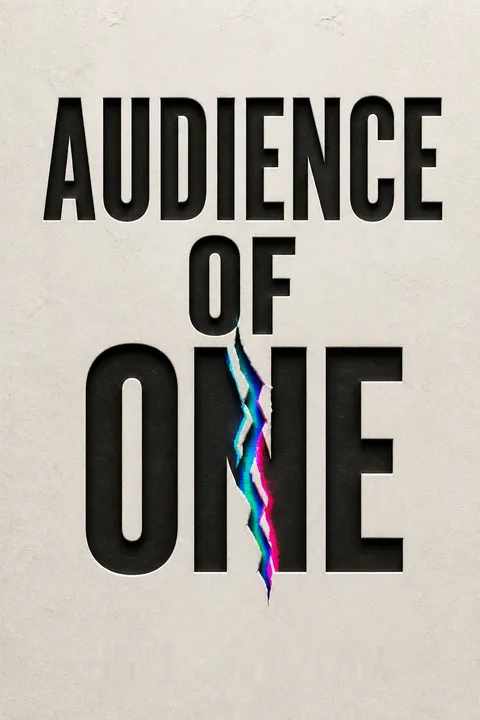
Audience of One by James Poniewozik explores how television shaped Donald Trump and enabled his presidency. The book interweaves TV history with Trump's biography, arguing he's essentially a television character who achieved "symbiosis with the medium." Reviewers praise Poniewozik's accessible writing, wit, and insights connecting reality TV, cable news fragmentation, and antihero narratives to Trump's appeal. Most find it illuminating and entertaining, though some criticize it as myopic, insufficiently academic, or repetitive. Critics appreciate how it explains Trump's rise through TV culture rather than traditional political analysis.
People Also Read



Download PDF
Download EPUB
.epub digital book format is ideal for reading ebooks on phones, tablets, and e-readers.








































