
Plot Summary
Sunshine, Scandal, and Summons
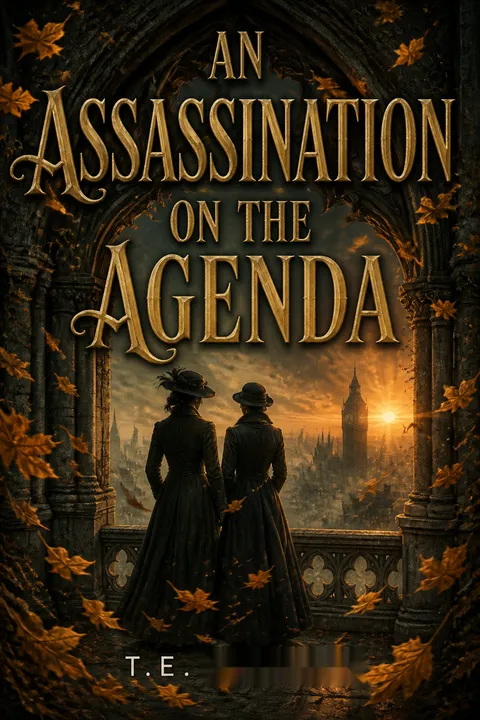
Lady Hardcastle and her companion, Florence Armstrong, are enjoying a lively lunch with friends, basking in the warmth of newfound fortune and village camaraderie. The mood is light, stories flow, and the future seems bright—until a telephone call from Lady Hardcastle's brother, Harry, shatters the peace. The call is urgent: a murder in Bristol requires their immediate attention, and the local police must be kept at bay. The women's expertise is needed, not just for their investigative skills, but to protect secrets that reach far beyond the village. With a sigh, they leave behind the laughter and set off, their sense of duty outweighing the comfort of home.
A Murder in Broad Daylight
Arriving in Bristol, Lady Hardcastle and Flo find the city abuzz with rumors and the police bristling at outside interference. The victim is a foreigner, shot in the bustling Tramway Centre, his identity shrouded in mystery. The local police, led by Inspector Sunderland, are both resentful and relieved to hand over the case. The only clues: foreign currency, Serbian clothing, and a notebook in Cyrillic script. The murder is not random; it is a message, a warning, or perhaps a silencing. The women sense the gravity—this is no ordinary crime, but a thread in a much larger tapestry.
Authority, Autopsy, and Animosity
The investigation leads to the mortuary, where Dr. Gosling's autopsy reveals a bullet of unusual caliber—9mm, not the standard British issue. The victim's possessions confirm his Serbian origin, but the cause of death—a single, oddly placed shot—raises more questions than answers. The local police hierarchy resists the women's authority, but official letters and Whitehall's backing force compliance. The bureaucracy is a maze of egos and rivalries, but Lady Hardcastle's wit and Flo's calm persistence win grudging respect. The case is now theirs, but the true challenge is yet to come.
Balkan Shadows and Secret Orders
Back home, Lady Hardcastle and Flo piece together the victim's likely background: a Serbian agent, perhaps tied to nationalist groups like the Black Hand or Young Bosnia. Harry's cryptic instructions suggest the murder is of international significance, and the women suspect the victim was under surveillance by British Special Branch. The political climate is volatile; Europe is a powder keg, and the Balkans are its fuse. The women's task is not just to solve a murder, but to prevent a diplomatic disaster. The shadow of war looms, and every clue is a potential spark.
Clues, Codes, and Confrontations
Returning to the crime scene, Lady Hardcastle and Flo coordinate with Inspector Sunderland to gather witness statements and search for physical evidence. A sharp-eyed greengrocer provides a breakthrough: two men, both armed, fled the scene—one in black, the other in a grey suit. The latter is recognized as a Special Branch officer, confirming official involvement. The search for clues leads to the docks, where the victim's belongings hint at a planned escape by sea. The investigation is a race against time, with the women navigating both the criminal underworld and the labyrinth of officialdom.
London Bound: Secrets Unfold
Summoned to London, Lady Hardcastle and Flo are briefed by Harry and his superior, Colonel Valentine. The dead man is revealed as Dragomir Kovač, a Serbian agent working for the British, now murdered by unknown hands. The political context is dire: the Balkans are on the brink of war, and a high-level Austrian trade delegation—including the Archduke Franz Ferdinand—is about to visit London. Intelligence suggests Serbian nationalists may attempt an attack. The women are tasked with uncovering the plot, protecting the delegation, and navigating the treacherous waters of espionage, all while contending with skepticism and sexism from the establishment.
The Web of Intrigue
Settling into a London flat, Lady Hardcastle and Flo begin their investigation in earnest. They meet with the London Trade Confederation, whose chairman is dismissive of their abilities, and encounter resistance at every turn. The itinerary for the Austrian visit is closely guarded, and the women must rely on their network of contacts—both official and underworld—to gather intelligence. The city is a hive of secrets, and every conversation is a potential clue or a trap. The women's resilience and resourcefulness are tested as they peel back layers of deception.
East End Whispers
The investigation takes Lady Hardcastle and Flo into the heart of London's East End, where they reconnect with old allies: Queenie, the brothel keeper, and Benny Butcher, the underworld kingpin. Through a web of favors and coded messages, they learn of a group of suspicious foreigners—likely Serbians—operating out of a disused warehouse in Bermondsey. The criminal world is uneasy; these newcomers are not ordinary smugglers, but men on a mission. The women's ability to move between worlds—genteel and gritty—proves invaluable, but also puts them in increasing danger.
The Warehouse of Shadows
With Benny's help, Lady Hardcastle and Flo locate the warehouse and conduct covert surveillance. They observe a group of men—distinctively dressed, disciplined, and secretive—coming and going at odd hours. A daring break-in reveals a chilling discovery: bundles of dynamite, pistols, and evidence of bomb-making. The plot is real, and the threat is imminent. But as they prepare to alert the authorities, the women are nearly caught, escaping only by quick thinking and agility. The stakes are now life and death, and the line between hunter and hunted blurs.
Bombs, Bullets, and Betrayal
Armed with proof, Lady Hardcastle and Flo press Colonel Valentine for a raid, but bureaucratic inertia and hidden agendas delay action. When the raid finally occurs, the warehouse is empty—its occupants and explosives vanished. The women realize they have been outmaneuvered; the enemy is always one step ahead. Meanwhile, a series of murders—including that of Benny's lieutenant—suggests the plotters are eliminating loose ends. The women's frustration mounts as they confront the possibility of betrayal within their own ranks. The city is a powder keg, and the fuse is burning fast.
The Sniper's Perch
As the Austrian delegation's arrival approaches, Lady Hardcastle and Flo piece together the enemy's strategy. The bombs are a diversion; the real threat is a sniper, armed with a Russian rifle, practicing at a quarry for a shot from a high vantage point. The likely target: the Archduke, at Westminster Cathedral. The women race to the cathedral, outmaneuvering Autumn Wind's guards and ascending the bell tower. In a tense confrontation, they subdue the sniper and his accomplice, averting disaster by seconds. The true nature of the conspiracy is revealed—not Serbian nationalists, but British mercenaries in the pay of a shadowy cabal.
Autumn Wind Unmasked
The aftermath is chaotic: the London Trade Confederation board, Colonel Valentine, and other high-ranking officials are unmasked as members of Autumn Wind, a secret society profiting from war and chaos. The plot was designed to frame Serbian nationalists, spark international conflict, and enrich the conspirators. Lady Hardcastle and Flo's persistence, intuition, and network of allies have thwarted the scheme, but at great personal risk. The women reflect on the cost of vigilance and the ease with which power can be corrupted. Justice is served, but the scars remain.
The Final Gambit
With the plot foiled, the Austrian delegation is safe, and the threat of war—at least for now—averted. Harry is promoted to head of Section G, and Lady Hardcastle and Flo are quietly celebrated for their heroism. The conspirators are arrested, and the machinery of government grinds on, chastened but unchanged. The women return home, weary but proud, their bond strengthened by adversity. The village welcomes them back with warmth and curiosity, but the secrets of their work remain hidden. The world is a little safer, but the shadows linger.
Homecoming and Revelations
Back in the countryside, Lady Hardcastle and Flo resume their routines, reconnecting with friends and savoring the comforts of home. News from Flo's sister brings joy—a new baby on the way—and the promise of life continuing amidst uncertainty. The women reflect on the events they have survived, the dangers they have faced, and the importance of loyalty and courage. The past cannot be undone, but the future is theirs to shape.
The Party and the Promise
The village gathers for a grand party at The Grange, a symbol of resilience and renewal. Lady Hardcastle's resourcefulness ensures the event is a success, with music, laughter, and community spirit banishing the shadows of recent weeks. Old friends reunite, new alliances are forged, and the promise of peace—however fragile—hangs in the summer air. For Lady Hardcastle and Flo, the party is both an ending and a beginning: a reminder that, even in a world of secrets and danger, joy and connection endure.
Analysis
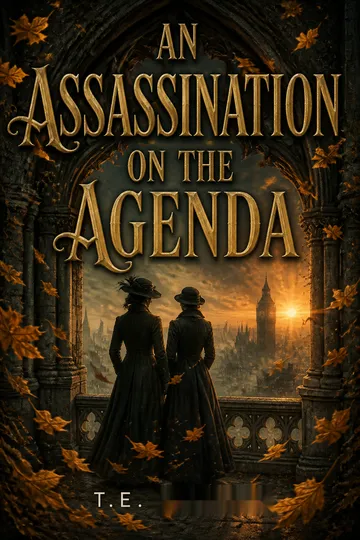
A timely meditation on power, trust, and the cost of vigilanceAn Assassination on the Agenda is more than a historical mystery; it is a nuanced exploration of the interplay between personal agency and institutional inertia, set against the backdrop of a world on the brink of catastrophe. Through the eyes of Lady Hardcastle and Florence Armstrong, the novel interrogates the nature of authority, the dangers of complacency, and the corrosive effects of secrecy and ambition. The story's central lesson is the necessity of skepticism—of questioning official narratives, challenging entrenched power, and remaining alert to the possibility of betrayal from within. The women's success is not just a triumph of intellect and courage, but a testament to the value of collaboration, empathy, and adaptability. In a world where the line between friend and foe is constantly shifting, the greatest strength lies in the willingness to see beyond appearances, to trust one's instincts, and to act with integrity—even when the cost is high. The novel's blend of humor, suspense, and social commentary ensures its relevance for modern readers, reminding us that the fight for justice and truth is both timeless and urgent.
Characters
Lady Emily Hardcastle
Lady Hardcastle is a widow of independent means, renowned for her sharp intellect, dry humor, and disregard for social conventions. Once a spy and adventurer, she now applies her formidable skills to solving mysteries and serving her country. Her relationship with Florence Armstrong is both professional and deeply personal—a partnership of equals forged in adversity. Lady Hardcastle's psychological resilience masks old wounds, and her playful banter conceals a steely determination. Over the course of the story, she confronts both external threats and internal doubts, ultimately reaffirming her commitment to justice and friendship.
Florence Armstrong
Flo is Lady Hardcastle's companion, confidante, and indispensable partner. A former circus performer and martial artist, she combines physical prowess with keen observation and emotional intelligence. Flo's humility and self-effacing humor belie her courage and competence; she is often the voice of reason and the anchor in moments of crisis. Her relationship with Lady Hardcastle is built on mutual respect, affection, and shared history. Flo's journey in the story is one of self-assertion, as she moves from the background to the forefront of the investigation, proving her worth to skeptics and allies alike.
Harry Featherstonhaugh
Lady Hardcastle's brother and a senior figure in the Secret Service Bureau, Harry is both a source of support and frustration. His affable exterior masks a shrewd mind and a deep sense of responsibility. Harry's tendency to withhold information and delegate dangerous tasks to his sister and Flo is both a narrative device and a psychological defense—he trusts them implicitly, but struggles with the burdens of leadership. Over the course of the story, Harry's loyalty is tested, and he ultimately rises to the occasion, earning a promotion and the respect of his peers.
Colonel Clifford Valentine
As Harry's boss and the head of the SSB, Valentine embodies the dangers of unchecked power and bureaucratic inertia. Outwardly competent and authoritative, he is revealed to be a member of Autumn Wind, orchestrating the conspiracy from within. Valentine's psychological profile is one of entitlement, cynicism, and moral flexibility—he is willing to sacrifice others for personal gain. His downfall is a testament to the importance of vigilance and the corrosive effects of secrecy.
Inspector Sunderland
Sunderland represents the best of the local police: professional, adaptable, and willing to collaborate across boundaries. His respect for Lady Hardcastle and Flo is earned through shared experience and mutual trust. Sunderland's psychological stability and lack of ego make him an effective ally, and his willingness to defer to expertise contrasts sharply with the obstructiveness of other officials. He serves as a bridge between the worlds of law enforcement and espionage.
Dr. Simeon Gosling
Gosling's role is to provide scientific clarity and emotional grounding. His friendship with Lady Hardcastle and Flo allows for candid exchanges and the sharing of sensitive information. Gosling's psychological profile is one of curiosity, empathy, and professional pride. He is unafraid to bend rules for the greater good, and his willingness to trust the women is both a narrative asset and a reflection of his open-mindedness.
Benny Butcher
Benny is a complex figure: a criminal by trade, but guided by a personal sense of justice and loyalty to his community. His relationship with Lady Hardcastle and Flo is transactional but respectful; he recognizes their integrity and reciprocates with information and protection. Benny's psychological makeup is shaped by survival, pragmatism, and a desire for respect. His fate in the story underscores the blurred lines between legality and morality.
Queenie Pearce
Queenie is a pillar of the East End underworld, respected for her business acumen and protective instincts. Her network of informants and her ability to read people make her an invaluable ally. Queenie's psychological resilience is matched by her warmth and humor; she navigates a dangerous world with grace and cunning. Her interactions with Lady Hardcastle and Flo highlight the importance of female solidarity and the power of informal networks.
The "Hats" (Serbian Mercenaries)
The group of men operating out of the Bermondsey warehouse are initially presented as Serbian nationalists, but are later revealed to be British mercenaries in disguise. Their psychological profile is one of professionalism, compartmentalization, and moral ambiguity. They are motivated by money and manipulated by Autumn Wind, their actions serving as a catalyst for the story's central conflict.
Sir Montague Winfield
As chairman of the London Trade Confederation, Sir Montague embodies the skepticism and sexism faced by Lady Hardcastle and Flo. His psychological rigidity and need for control make him both an obstacle and a foil. Over time, his grudging respect for the women's abilities signals a slow, if incomplete, shift in attitudes. Sir Montague's role is to personify the challenges of working within—and against—the system.
Plot Devices
Dual Narrative Structure: Investigation and Espionage
The story weaves together a classic whodunit with a high-stakes espionage thriller. The murder in Bristol serves as the entry point, but the narrative quickly expands to encompass political conspiracies, secret societies, and the looming threat of war. This dual structure allows for shifts in tone, pace, and perspective, keeping readers engaged and off-balance.
Foreshadowing and Red Herrings
The use of foreign currency, coded notebooks, and distinctive clothing sets up expectations of a Balkan nationalist plot, only to subvert them with the revelation of Autumn Wind's involvement. Witness statements, physical evidence, and character interactions are layered with ambiguity, encouraging readers to question assumptions and anticipate twists.
Symbolism: Hats, Bombs, and the Autumn Wind
The Serbian hats (šajkačas) symbolize both cultural identity and the dangers of misdirection. Bombs and bullets represent the ever-present threat of violence, while the Autumn Wind—both as a poem and a secret society—serves as a metaphor for unseen forces shaping events. These symbols reinforce themes of deception, power, and the fragility of peace.
Gender Dynamics and Social Commentary
Lady Hardcastle and Flo's struggles with authority, skepticism, and sexism are both plot obstacles and vehicles for social critique. Their success is a testament to resilience, adaptability, and the value of diverse perspectives. The story uses humor and irony to highlight the absurdities of bureaucracy and the limitations of traditional hierarchies.
Psychological Realism and Character Development
The narrative delves into the psychological toll of espionage, the burden of secrets, and the complexities of loyalty. Characters are shaped by past traumas, personal ambitions, and shifting alliances. The interplay between Lady Hardcastle and Flo is both a source of comic relief and a study in mutual dependence and growth.
Lady Hardcastle Mysteries Series


Download PDF
Download EPUB
.epub digital book format is ideal for reading ebooks on phones, tablets, and e-readers.








































