
Plot Summary
Brotherhood Awakens in Shadows
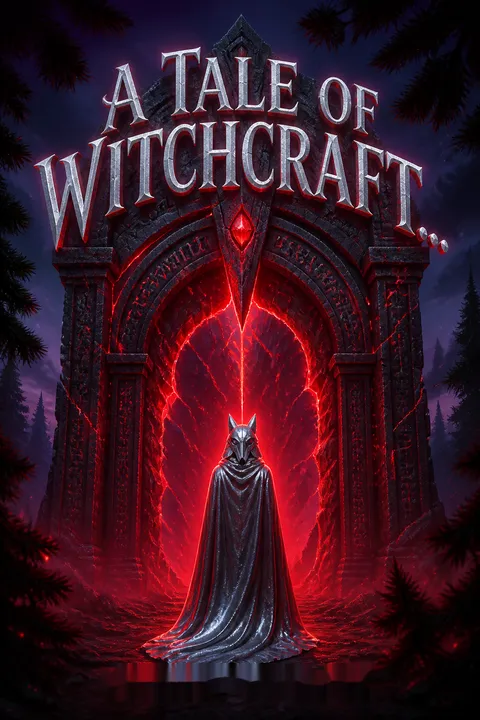
In the dead of night, the Righteous Brotherhood, a clandestine order of 333 men, emerges from centuries of silence. Cloaked in silver robes and wolf masks, they gather at their ancient fortress, united by a philosophy that men must rule and magic must be eradicated. Their High Commander reveals a new threat: Brystal Evergreen, the Fairy Godmother, whose reforms have upended their oppressive order. The Brotherhood vows to restore their dominance, plotting to exterminate the magical community with ancient, magic-defying bloodstone weapons. Their chilling unity and hatred set the stage for a new war, as they prepare to strike before the world can react.
Dam Disaster and Heroics
Brystal and the Fairy Council are summoned to repair a cracked dam in the Western Kingdom, a task that draws massive crowds eager for a magical spectacle. The fairies' success is nearly undone by Lucy's reckless attempt to entertain, which causes the dam to collapse, forcing the Council into a desperate rescue. Lucy's mischief both endangers and saves the city, leaving Brystal burdened by the weight of public expectation and the fear that acceptance is fragile. The event cements the fairies' fame but sows seeds of doubt and exhaustion in Brystal, who senses that the adoration of the crowd is as fickle as history itself.
Fame's Heavy, Lonely Crown
Back at the Academy, Brystal is overwhelmed by endless requests, fan mail, and the relentless demands of leadership. Her friends' well-meaning interruptions only deepen her sense of isolation. Negative, intrusive thoughts begin to plague her, whispering doubts about her worth and the sincerity of those around her. Even as she tries to help others, Brystal feels increasingly disconnected, unable to find happiness despite her achievements. The pressure of being the world's savior becomes a prison, and she longs for the simplicity and belonging she has never truly known.
The Return of Old Fears
An invitation to her brother Barrie's wedding forces Brystal to confront her past. Returning home, she finds her family changed—her mother empowered, her father embittered, her brothers altered by the tides of history. The joyous occasion is shattered when the Brotherhood attacks, using bloodstone weapons that pierce even Brystal's magic. The assault is a stark reminder that hatred endures beneath the surface of progress. Brystal's sense of safety is shattered, and she realizes that the acceptance she fought for is fragile, always threatened by those who fear change.
The Wedding Under Siege
The Brotherhood's attack on the wedding is swift and brutal, targeting Brystal with weapons immune to magic. The chaos exposes the vulnerability of the magical community and the depth of the Brotherhood's hatred. Brystal is left shaken, her confidence in her ability to protect those she loves deeply undermined. The event marks a turning point, as the threat becomes personal and immediate. The magical community's enemies are no longer faceless; they are organized, ancient, and armed with tools designed to destroy hope itself.
Witchcraft's Tempting Invitation
Mistress Mara, a mysterious and alluring witch, arrives at the Academy with her students, offering an alternative to Brystal's vision: a school where witches can embrace their darkness. Her words resonate with those who feel out of place, including Pip, who chooses to leave with Mara in search of belonging. Brystal is devastated by Pip's departure, wracked with guilt and self-doubt. The Academy's unity fractures as the seductive promise of acceptance through witchcraft tempts those who feel unseen. The lines between good and evil, fairy and witch, begin to blur.
Pip's Choice, Brystal's Guilt
Pip's decision to join the witches leaves Brystal feeling responsible and powerless. The negative thoughts intensify, feeding on her guilt and exhaustion. She seeks solace in the memory of her mentor, Madame Weatherberry, and journeys to the far north, hoping for guidance. There, she finds Weatherberry's spirit, who counsels her on the cyclical nature of despair and the importance of seeking help. Brystal learns that misery feeds on isolation and that healing requires both self-compassion and the courage to ask for support. Yet, the burden of leadership remains heavy.
The Ravencrest School's Secrets
Lucy, estranged from Brystal, seeks refuge at the Ravencrest School of Witchcraft. There, she discovers a world both enchanting and sinister, where Mistress Mara's true intentions are hidden beneath layers of charm and tradition. The school's rituals, curses, and the mysterious presence of the "Horned One" hint at a larger, more dangerous plot. Lucy's knack for trouble leads her to uncover Mara's plan to use a Shadow Beast—a parasitic curse—to empower a devastating spell. The witches' camaraderie is laced with competition and secrets, and Lucy realizes she may be in over her head.
Lucy's Descent into Darkness
As Lucy undergoes the Ravencrest entrance exams, she is forced to perform jinxes, hexes, and curses, each leaving a mark on her body and soul. The rituals culminate in a ceremony that binds her to the school and to Mara's scheme. Lucy's playful defiance is tested as she witnesses the true consequences of witchcraft—transformation, manipulation, and the loss of self. The line between performance and reality blurs, and Lucy must decide where her loyalties lie. Her journey into darkness is both a quest for belonging and a confrontation with the dangers of unchecked power.
Curses, Ceremonies, and Betrayals
The Enrollment Ceremony at Ravencrest is revealed as a ruse to implant the Shadow Beast within Lucy, making her the unwitting host for Mara's ultimate curse. The witches' transformations and the intoxicating power of the ritual mask the true danger. Meanwhile, Brystal's relationship with Prince Seven deepens, offering a brief respite from despair. But trust is a fragile thing, and betrayal lurks beneath the surface. As Lucy's curse grows, the stage is set for a confrontation that will test the limits of friendship, loyalty, and the strength to resist manipulation.
The Prince's Deceptive Charm
Brystal's budding romance with Prince Seven brings her joy and hope, a rare escape from her burdens. Their connection feels genuine, and Seven's support seems to lift the curse's weight. But as the Brotherhood's plans accelerate, Brystal and Seven's investigation leads them to the heart of the enemy's fortress. There, the truth is revealed: Seven is the Righteous King, the mastermind behind the Brotherhood's resurgence and the architect of Brystal's downfall. The betrayal is devastating, shattering Brystal's trust and leaving her vulnerable to despair.
The Righteous King Revealed
Seven's true identity as the Righteous King is exposed in a chilling confrontation. He has murdered his own family, manipulated Brystal's emotions, and allied with Mistress Mara to raise an army of the dead. The Brotherhood's philosophy is twisted into a quest for world domination, and Brystal is ensnared in a bloodstone net, her magic and hope drained. The alliance between hate and ambition unleashes a force that threatens to consume all life. Brystal's surrender seems inevitable, and the world teeters on the brink of darkness.
Surrender and Despair
Crushed by betrayal, guilt, and the relentless curse, Brystal surrenders to the Brotherhood, convinced that her removal will save her friends. The negative thoughts, now clearly the work of Mara's curse, urge her toward oblivion. She writes a farewell letter, entrusting leadership to Emerelda, and prepares to face her end. The Brotherhood's triumph seems complete, and Brystal's will to fight is extinguished. Yet, even in her darkest hour, the seeds of hope and resistance remain, waiting for the right moment to bloom.
The Shadow Beast Unleashed
Lucy, realizing the true nature of her curse, races against time to expel the Shadow Beast before it can be used to empower Mara's spell. With the help of her friends, she undergoes a perilous ritual, confronting the entity within and the self-destructive thoughts it inspires. The power of love and community proves stronger than the curse, and the Shadow Beast is expelled, racing back to Mara. The friends, now united and aware of the true stakes, prepare to confront the Brotherhood and rescue Brystal from the jaws of death.
Death's Bargain, Hope's Return
Brystal awakens in a liminal realm between life and death, where she meets Mistress Mara and Death himself. Mara confesses to cursing Brystal's mind, explaining her own tragic history as the Daughter of Death. A bargain is struck: Brystal will be returned to life if she agrees to hunt down the Immortal, Death's greatest regret, within a year. The encounter restores Brystal's sense of purpose and self-worth, teaching her that despair can be fought with hope, and that even the deepest wounds can be healed through connection and meaning.
The Final Stand at the Fortress
Revived and determined, Brystal is rescued by Lucy and the reunited Fairy Council, joined by the witches and even Mrs. Vee's enchanted kitchenware. Together, they confront the Brotherhood and the Army of the Dead in a chaotic, desperate battle. The power of friendship, courage, and hope proves stronger than hate and fear. Brystal's leadership and the unity of the magical community turn the tide, forcing Seven and his forces to retreat. The victory is hard-won, but the threat remains, and the war for the world's soul is far from over.
Breaking the Curse Within
Trapped in a grave, Brystal faces the lingering effects of Mara's curse. The negative thoughts return, urging her to give up, but Brystal fights back, drawing strength from memories of love, friendship, and the lives she has touched. By challenging the curse with her own will and hope, she breaks its hold, climbing out of the darkness both literally and figuratively. The act of self-rescue becomes a metaphor for healing, showing that the mind's power can overcome even the deepest despair when fueled by connection and purpose.
Hope Against the Darkness
With the immediate threat repelled, Brystal and her friends regroup, fortifying the Fairy Territory and reaching out to allies across the kingdoms. Brystal, restored in spirit and leadership, recognizes that hope is their greatest weapon against the Brotherhood's fear and hatred. She urges her community to fight despair with laughter, loneliness with friendship, and fear with hope. The battle for acceptance, justice, and unity continues, but Brystal's journey through darkness has taught her—and those she leads—that as long as hope endures, the forces of hate can never truly win.
Analysis
A Tale of Witchcraft… is a vibrant, emotionally resonant fantasy that uses the trappings of magic and adventure to explore profound themes of mental health, belonging, and the cyclical nature of hate and hope. Chris Colfer crafts a world where the battle between light and darkness is as much internal as external, and where the greatest threats are not monsters or villains, but the insidious voices of doubt, fear, and despair. The novel's central message—that hope, community, and self-compassion are the true antidotes to hatred and oppression—feels especially urgent in a modern context. By depicting curses as metaphors for depression and showing that healing requires both personal will and collective support, the story offers a nuanced, compassionate vision of resilience. The betrayals and reversals remind readers that progress is never secure, and that vigilance, empathy, and the courage to keep fighting are essential. Ultimately, A Tale of Witchcraft… is a celebration of difference, a call to resist the easy allure of cynicism, and a testament to the enduring power of hope in the face of darkness.
Review Summary
A Tale of Witchcraft... is a highly enjoyable sequel that continues the magical adventure of Brystal and her friends. Readers praise Colfer's creative world-building, engaging characters, and important themes like mental health and acceptance. The book is darker than its predecessor, with unexpected plot twists and new magical elements. While some found it less captivating than the first installment, most readers were entertained by the fast-paced story and eagerly anticipate the next book in the series.
People Also Read



Characters
Brystal Evergreen
Brystal is the heart and soul of the magical community, a young woman whose compassion and sense of justice have changed the world. Her journey is marked by the crushing weight of expectation, the loneliness of leadership, and the insidious effects of a curse that turns her own mind against her. Brystal's relationships—with her family, friends, and even her enemies—are fraught with longing for acceptance and fear of betrayal. Her greatest strength is her ability to inspire hope in others, even when she cannot find it in herself. Through despair, loss, and rebirth, Brystal learns that true power lies not in magic, but in the courage to keep fighting for a better world.
Lucy Goose
Lucy is Brystal's best friend and the embodiment of mischief and resilience. Her penchant for trouble often leads to disaster, but her heart is always in the right place. Lucy's journey into witchcraft is both a rebellion and a search for belonging, exposing her to the seductive dangers of power and the pain of betrayal. Her humor masks deep insecurities, and her loyalty to Brystal is tested by secrets and misunderstandings. Ultimately, Lucy's willingness to confront her own darkness and fight for her friends makes her a vital force for good, proving that even chaos can be a source of hope.
Mistress Mara (Daughter of Death)
Mistress Mara is a complex antagonist, driven by centuries of grief and a desire for retribution. As the Daughter of Death, she is both immortal and cursed, unable to escape the pain of loss. Her manipulation of Brystal and alliance with Seven are fueled by a belief that only vengeance can heal her wounds. Yet, beneath her cruelty lies a profound loneliness and a longing for connection. Mara's ultimate sacrifice—trading her own freedom for Brystal's life—reveals a capacity for growth and redemption, suggesting that even the darkest souls can find peace.
Prince Gallivant "Seven"
Seven is the story's most shocking villain, hiding his ambition and malice behind a mask of kindness and vulnerability. His relationship with Brystal is a calculated deception, designed to win her trust and destroy her from within. Seven's willingness to murder his own family and ally with witches for power exposes the emptiness at his core. His psychological warfare—using love as a weapon—makes him a chilling adversary. Seven's downfall is rooted in his inability to inspire true loyalty or hope, leaving him isolated even in victory.
Emerelda Stone
Emerelda is Brystal's right hand, a voice of reason and order amid chaos. Her loyalty is unwavering, and her ability to manage crises is indispensable. Emerelda's development is marked by her growing confidence and willingness to challenge Brystal when necessary. She represents the importance of practical support and the strength found in community. When Brystal falters, Emerelda is ready to lead, embodying the resilience and adaptability of the magical community.
Pip Squeak
Pip is a symbol of the struggle for identity and acceptance. Her decision to join the witches is driven by a sense of emptiness and a longing to find her place in the world. Pip's journey is one of self-discovery, marked by mistakes and the pain of separation. Her vulnerability makes her susceptible to manipulation, but her courage in facing her past and seeking forgiveness is a testament to the power of growth and redemption.
Mrs. Vee
Mrs. Vee is the Academy's housekeeper, a source of warmth and humor who reveals unexpected depths of courage. Her knowledge of ancient threats and her magical prowess become crucial in the final battle. Mrs. Vee's journey from fear to action mirrors the story's central theme: that even the most unassuming individuals can become heroes when hope is needed most.
Tangerina Turkin, Skylene Lavenders, Xanthous Hayfield
These members of the Fairy Council each bring unique abilities and personalities to the group. Tangerina's practicality, Skylene's empathy, and Xanthous's sensitivity provide balance and support for Brystal. Their development is tied to their willingness to confront fear, adapt to change, and stand together in the face of overwhelming odds. Their friendship is a source of healing and resilience for the entire community.
Stitches, Beebee, Sprout
These Ravencrest students represent the allure and danger of embracing one's darkness. Their eccentricities and loyalty to Mistress Mara are challenged as they witness the consequences of unchecked power. Their eventual alliance with the fairies demonstrates the possibility of unity across differences, and their humor and oddity add depth to the story's exploration of identity.
The Righteous Brotherhood (High Commander, Clansmen)
The Brotherhood is less a collection of individuals than a manifestation of collective fear and bigotry. Their devotion to the Righteous Philosophy is rooted in a terror of change and a desire to control. The High Commander's zeal and the clansmen's anonymity highlight the dangers of groupthink and the ease with which ordinary people can become instruments of evil. Their ultimate defeat is a testament to the power of hope and unity over hate.
Plot Devices
Duality of Light and Darkness
The narrative is structured around the tension between light and darkness, both in the magical/witch world and within the characters themselves. Brystal's journey is a constant negotiation between hope and despair, leadership and loneliness, trust and betrayal. The schools of magic and witchcraft serve as mirrors, each offering different paths to belonging and power. The story uses foreshadowing—Brystal's intrusive thoughts, Lucy's mischief, Mara's seductive promises—to build suspense and reveal the psychological costs of both heroism and villainy.
Curses as Psychological Metaphor
The curses in the story, especially those affecting Brystal and Lucy, are metaphors for depression, anxiety, and self-doubt. The narrative structure allows readers to experience the insidious nature of these afflictions, showing how they distort perception and erode willpower. The breaking of the curse is not a magical fix but a process of self-assertion, connection, and hope—a powerful message about the realities of mental health.
Betrayal and False Security
The plot's central twist—Seven's betrayal—relies on the reader's and Brystal's investment in trust and the longing for connection. The narrative repeatedly sets up situations where safety and acceptance seem assured, only to reveal hidden dangers. This device heightens the emotional stakes and underscores the fragility of progress in the face of entrenched hatred.
Resurrection and the Army of the Dead
The literal raising of the dead by Seven and Mara is a powerful symbol of how old hatreds and unresolved traumas can return to threaten new generations. The undead army is both a physical and psychological threat, representing the persistence of bigotry and the difficulty of breaking free from history's cycles.
Hope as Resistance
The story's resolution hinges on the idea that hope, unity, and the willingness to fight despair are the most powerful forms of magic. The final battle is won not by brute force but by the collective action of friends, the courage to ask for help, and the refusal to let fear dictate the future. The narrative structure reinforces this by showing how each character's unique strengths contribute to the whole.
A Tale of Magic Series
About the Author
Other books by Chris Colfer
Download PDF
Download EPUB
.epub digital book format is ideal for reading ebooks on phones, tablets, and e-readers.








































