
Plot Summary
Funeral, Angels, and Fried Chicken
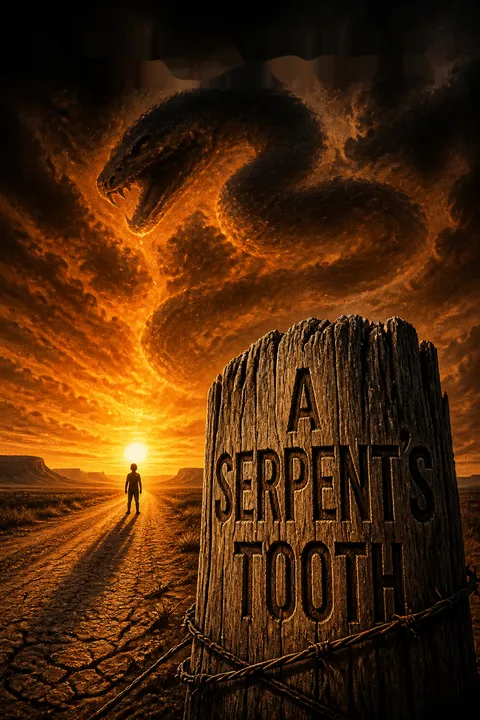
Sheriff Walt Longmire, still grieving his late wife, attends a funeral in Durant, Wyoming, where eccentric Barbara Thomas claims "angels" are fixing her house and eating her fried chicken. Walt, with his sharp undersheriff Vic Moretti, investigates, suspecting a human hand behind the "divine" repairs. Their banter reveals Walt's weariness and Vic's irreverence, but also the deep loneliness and longing for connection that haunts both. The small-town setting is alive with quirky characters, but beneath the surface, Walt senses something is off—a feeling that will soon lead him into a web of secrets, faith, and violence. The emotional undercurrent is one of nostalgia, skepticism, and the ache of unfinished business, both personal and professional.
The Runaway and the Book
Walt and Vic discover the "angel" is a terrified, half-naked teenage boy hiding in Barbara's pump house. The boy, Cord, is skittish, quoting scripture and clutching an old Book of Mormon inscribed to "Orrin, Man of God, Son of Thunder." Cord's presence is a mystery—he's not local, and no one claims him. Walt's attempts to connect are met with fear and confusion, but he senses Cord is running from something dark. The boy's odd behavior, religious references, and the ancient book hint at a deeper story. Walt's empathy is tested as he tries to protect Cord while unraveling the truth, feeling the weight of his own losses and the responsibility to shield the vulnerable.
Lost Boys and Polygamy
Cord is identified as one of the "Lost Boys"—teenage castoffs from fundamentalist Mormon polygamist sects, expelled to make room for older men's new wives. Walt learns of a nearby compound, the Apostolic Church of the Lamb of God, and the pattern of abuse, secrecy, and exile. Cord's mother, Sarah, is missing, and the local authorities in South Dakota and Wyoming are evasive or hostile. The investigation reveals a network of splinter groups, hidden compounds, and a culture of silence. Walt's compassion for Cord deepens as he recognizes the boy's trauma and the systemic cruelty that produced it. The emotional tone is one of outrage, protectiveness, and the slow burn of righteous anger.
The Grandmother's Secret
Walt traces Cord's lineage to Eleanor Tisdale, a tough, bookish woman running the Short Drop Mercantile. Eleanor is Cord's grandmother, and her estranged daughter Sarah is Cord's missing mother. The Tisdale family history is fraught with bitterness, regret, and the ache of separation. Eleanor's husband, Dale, was a legendary figure with a shadowy past, and his absence looms over the family. The reunion between Cord and Eleanor is tentative but hopeful, offering a glimmer of healing. Walt is moved by the possibility of redemption and the enduring bonds of blood, even as the threat from the cult and its leaders grows more ominous.
Cults, Oil, and Old Wounds
Walt and Vic confront Roy Lynear, the charismatic, corpulent leader of the East Spring Ranch cult, and his dangerous associates, including the enigmatic Tomás Bidarte. The cult's compound is fortified, bristling with weapons and secrecy. Tensions with local ranchers and law enforcement escalate, fueled by rumors of abuse, illegal drilling, and tax evasion. Walt senses the cult is more than a religious oddity—it's a front for something larger, possibly tied to oil theft and organized crime. The emotional arc is one of mounting dread, moral clarity, and the resolve to stand against corruption, even as the odds and dangers multiply.
The Mercantile and the Knife
As Walt investigates, he uncovers connections between the cult, the Tisdale family, and a series of violent men—most notably, the legendary Orrin Porter Rockwell, or someone who believes himself to be Rockwell. This mysterious old man, armed and dangerous, claims to be Cord's bodyguard and is obsessed with the Book of Mormon. The lines between history, myth, and reality blur as Walt tries to determine Rockwell's true identity and intentions. The presence of the knife—Bidarte's weapon of choice—foreshadows coming violence. The emotional tone is one of unease, fascination, and the sense that the past is never truly dead.
The Disappearing Bodyguard
Rockwell vanishes from custody, leaving Walt and his team scrambling. Cord is endangered, and the cult's activities become more brazen. Fires, threats, and betrayals multiply. Walt's circle of trust narrows as he realizes the cult has infiltrated local institutions and is willing to kill to protect its secrets. The emotional arc is one of frustration, fear, and the relentless drive to protect the innocent, even as the enemy grows more elusive and the cost of failure becomes personal.
Fire, Betrayal, and Loss
The cult strikes back, setting fire to the sheriff's substation and nearly killing Walt's deputy, Double Tough. The attack is a message—no one is safe. The loss is devastating, and Walt is consumed by guilt and rage. The community reels, and the lines between law and vengeance blur. Walt's grief is compounded by the realization that the cult's reach is wider and its methods more ruthless than he imagined. The emotional tone is raw, mournful, and vengeful, as Walt vows to bring the perpetrators to justice, no matter the cost.
The Aftermath and the Plan
In the wake of the fire, Walt and his allies—Vic, Henry Standing Bear, and others—regroup and plan their next move. They uncover evidence of oil theft, illegal drilling, and a conspiracy that stretches from Wyoming to Mexico. The cult's leaders, especially Lockhart and Bidarte, are revealed as mercenaries and criminals, using faith as a cover for profit and violence. Walt's determination hardens, and the emotional arc shifts from despair to grim resolve. The bonds of friendship and love—especially between Walt and Vic—are tested and strengthened in the crucible of crisis.
The Oilfield Conspiracy
Walt discovers the cult is siphoning oil from federal reserves, using milk trucks and hidden pipelines, and laundering the profits through religious fronts. The operation is sophisticated, involving corrupt officials, ex-military operatives, and international connections. The murder of Frymire, a trusted deputy, underscores the stakes. Walt's investigation becomes a race against time to expose the conspiracy before the evidence—and the remaining witnesses—are destroyed. The emotional tone is tense, urgent, and driven by the need for justice and closure.
The Legend of Rockwell
The enigmatic Rockwell is revealed to be Dale Tisdale, Cord's grandfather, a former CIA operative who lost himself in the legend of the Mormon gunfighter. His quest to find his daughter and protect his grandson is both tragic and heroic. In a final confrontation, Rockwell sacrifices himself to save Walt and Cord, reclaiming his true identity in death. The emotional arc is one of redemption, the power of myth, and the bittersweet triumph of love over violence.
The Final Confrontation
Walt, Vic, and Henry launch a daring assault on the cult's hidden oilfield, facing off against Lockhart, Bidarte, and their mercenaries. The battle is brutal, with betrayals and casualties on both sides. Bidarte, the deadly knife-wielder, is finally brought down in a harrowing fight, but not before Vic is gravely wounded. Lockhart is captured, but the true extent of the conspiracy remains shadowy, protected by powerful interests. The emotional tone is one of exhaustion, relief, and the lingering scars of violence.
Blood, Water, and Truth
In the aftermath, Walt tends to Vic's wounds and faces the emotional toll of the case—the deaths, the betrayals, and the cost to his soul. The truth about Sarah Tisdale's fate is uncovered, bringing closure to Cord and Eleanor, but at a heavy price. The community mourns its losses, and Walt is left to reckon with the limits of justice in a world where power and money often win. The emotional arc is one of sorrow, resilience, and the slow, painful process of healing.
Redemption and Farewell
As the dust settles, Walt attends funerals, supports Cord and Eleanor, and contemplates his future with Vic. The bonds of family, friendship, and love endure, even as the world remains dangerous and uncertain. Walt finds solace in small acts of kindness, the promise of new beginnings, and the knowledge that, despite everything, he made a difference. The emotional tone is one of bittersweet acceptance, gratitude, and the quiet hope that comes from surviving the storm.
Analysis
A Serpent's Tooth is a masterful blend of western noir, family drama, and social critique, using the framework of a mystery to explore the dark underbelly of faith, power, and belonging in the modern American West. At its heart, the novel is about the search for home—literal and spiritual—in a world fractured by violence, greed, and the abuse of authority. Through Walt Longmire's journey, we witness the enduring struggle to protect the vulnerable, confront the sins of the past, and find meaning in the face of loss. The story's emotional power lies in its refusal to offer easy answers: justice is partial, healing is slow, and the scars of trauma linger. Yet, amid the violence and betrayal, there is also hope—found in the bonds of friendship, the possibility of redemption, and the quiet acts of kindness that sustain community. The novel's lessons are clear: evil often wears the mask of righteousness, power corrupts when unchecked, and the true measure of a person is found not in their beliefs, but in their willingness to stand up for what is right, even when the world is against them.
Review Summary
A Serpent's Tooth receives mostly positive reviews (4.3/5 rating) as the ninth Walt Longmire mystery. Readers praise Johnson's dry humor, engaging characters, and Wyoming setting. The plot involves a Mormon "lost boy" searching for his missing mother, leading Walt to investigate a polygamous cult with surprising connections to oil drilling and the CIA. Some critics note the story feels unfocused with too many plot threads, excessive violence, and awkward handling of Walt and Vic's relationship. Many appreciate the book's return to earlier series strengths, though a few find it disappointing compared to previous installments.
People Also Read

Characters
Walt Longmire
Walt Longmire is the sheriff of Absaroka County, Wyoming—a man shaped by loss, duty, and a deep sense of justice. Still mourning his wife, Walt is both stoic and vulnerable, using dry humor and stubbornness to mask his pain. His relationships—with his daughter, his undersheriff Vic, and his best friend Henry—reveal a man who craves connection but fears more loss. Walt's moral compass is unwavering, but he is not above bending the rules to protect the innocent. Throughout the story, he is tested by betrayal, violence, and the limits of the law, but his empathy and courage never falter. Walt's journey is one of endurance, self-forgiveness, and the search for meaning in a world that often resists it.
Victoria "Vic" Moretti
Vic is Walt's undersheriff—a tough, sharp-tongued former Philadelphia cop with a complicated past. Her brashness and irreverence mask deep wounds and a longing for love and acceptance. Vic's relationship with Walt is charged with tension, affection, and unspoken desire; she challenges him, supports him, and risks everything for him. Her humor is a shield, but her loyalty is absolute. Over the course of the story, Vic is physically and emotionally battered, but her resilience and courage shine through. Her arc is one of vulnerability, growth, and the willingness to fight for both justice and her own happiness.
Cord Lynear
Cord is a teenage "Lost Boy," cast out from a polygamist cult and thrust into a world he barely understands. He is deeply religious, quoting scripture and clinging to the Book of Mormon as a lifeline. Cord's trauma is evident in his fear, confusion, and longing for family. His journey is one of survival, self-discovery, and the slow, painful process of healing from abuse. Through Walt's protection and the eventual reunion with his grandmother, Cord finds a measure of safety and hope, but the scars of his past remain.
Eleanor Tisdale
Eleanor is Cord's grandmother and the matriarch of the Tisdale family. She is sharp, independent, and burdened by regret over her estranged daughter, Sarah. Eleanor's love for Cord is fierce but complicated by the pain of loss and the secrets of her family's past. Her arc is one of reconciliation, forgiveness, and the rediscovery of purpose through her grandson. Eleanor embodies the resilience and quiet strength of the American West.
Roy Lynear
Roy Lynear is the leader of the East Spring Ranch cult—a larger-than-life figure who uses religion as a tool for control and profit. He is both charming and menacing, capable of inspiring devotion and fear. Roy's motivations are a blend of genuine belief, greed, and the lust for power. His relationships—with his sons, his followers, and his enemies—are transactional and ruthless. Roy represents the dark side of faith, where dogma becomes a weapon and the vulnerable are exploited.
Tomás Bidarte
Bidarte is a Basque-Mexican mercenary, oilman, and assassin, serving as Roy Lynear's enforcer. He is skilled, intelligent, and haunted by a violent past. Bidarte's relationship with Rockwell/Tisdale is complex—a mix of loyalty, betrayal, and shared history. His weapon of choice, the knife, symbolizes both his artistry and his capacity for cruelty. Bidarte's arc is one of moral ambiguity, culminating in a final confrontation that reveals both his humanity and his monstrosity.
Orrin Porter Rockwell / Dale Tisdale
Rockwell is a mysterious old man who believes himself to be the legendary Mormon gunfighter, but is ultimately revealed as Dale Tisdale—Cord's grandfather and a former CIA operative. His identity is fractured by trauma, myth, and the burden of secrets. Rockwell's quest to find his daughter and protect his grandson is both heroic and tragic. In the end, he sacrifices himself, reclaiming his true self and offering a measure of redemption for his family. His character explores the power of legend, the cost of violence, and the possibility of grace.
Henry Standing Bear
Henry is Walt's best friend—a Cheyenne bar owner, Vietnam veteran, and spiritual anchor. He is calm, philosophical, and fiercely protective of those he loves. Henry's insights, humor, and quiet strength provide balance to Walt's turmoil. He serves as a bridge between cultures, a keeper of tradition, and a reminder of the importance of community and honor. Henry's presence is a source of comfort and wisdom throughout the story.
Double Tough
Double Tough is one of Walt's deputies—a solid, reliable presence who embodies the virtues of hard work and loyalty. His near-fatal injuries in the fire are a turning point, galvanizing Walt and his team. Double Tough's resilience and humility are emblematic of the unsung heroes who keep communities safe. His survival is a testament to the power of friendship and the will to endure.
Tom Lockhart
Lockhart is a former intelligence operative turned corporate mercenary, orchestrating the cult's oil theft and criminal enterprises. He is intelligent, ruthless, and utterly lacking in conscience. Lockhart's manipulation of faith, power, and violence makes him a formidable antagonist. His downfall is a result of his own hubris and the determination of those who refuse to be cowed by corruption. Lockhart represents the dangers of unchecked ambition and the moral vacuum at the heart of modern conspiracies.
Plot Devices
Intertwined Mysteries and Family Secrets
The novel weaves together several mysteries: the disappearance of Sarah Tisdale, the origins of Cord, the true nature of the cult, and the identity of Rockwell. These threads are skillfully interlaced, with each revelation deepening the stakes and emotional resonance. The use of family secrets, hidden histories, and generational trauma provides both suspense and depth, allowing the personal and the political to collide in meaningful ways.
Myth, Legend, and the Power of Story
The character of Rockwell/Tisdale embodies the novel's fascination with myth and legend. By adopting the persona of a historical figure, Tisdale explores the ways in which stories shape identity, justify violence, and offer redemption. The interplay between fact and fiction, past and present, is a recurring motif, inviting readers to question the nature of truth and the stories we tell ourselves.
Foreshadowing and Symbolism
The recurring presence of knives (Bidarte's weapon), the Book of Mormon, and fire (the burning substation) serve as symbols and foreshadowing devices. Each represents a facet of the novel's themes: violence, faith, and destruction. The careful placement of these elements heightens tension and signals coming danger, while also enriching the narrative's emotional and philosophical layers.
Ensemble Cast and Shifting Perspectives
While Walt is the central figure, the novel gives significant space to Vic, Henry, Cord, and others, creating a tapestry of perspectives and experiences. This ensemble approach allows for nuanced exploration of trauma, resilience, and the ways in which community is forged in adversity. The shifting focus also enables the story to tackle complex issues—faith, abuse, justice—from multiple angles, deepening empathy and understanding.
Modern Western Noir Structure
The narrative follows the structure of a modern western noir: a lone lawman facing corruption, violence, and moral ambiguity in a landscape both beautiful and brutal. The use of hard-boiled dialogue, procedural investigation, and escalating confrontations grounds the story in genre tradition, while the contemporary issues—cults, oil theft, systemic abuse—give it urgency and relevance.
Walt Longmire Series


Download PDF
Download EPUB
.epub digital book format is ideal for reading ebooks on phones, tablets, and e-readers.








































