
Plot Summary
Bikers, Blood, and Badges
Sheriff Walt Longmire and his friend Henry Standing Bear arrive in Hulett, Wyoming, during the Sturgis Motorcycle Rally, where the town is overrun by bikers. Amid the revelry, a young biker named Bodaway Torres is found critically injured after a suspicious motorcycle accident. The local police, overwhelmed by the influx of visitors, ask Walt for help. As Walt investigates, he encounters a web of biker politics, rivalries, and the looming presence of outlaw motorcycle gangs. The accident scene is muddled by rain and traffic, but Walt's instincts tell him there's more to the crash than meets the eye. The emotional stakes rise as the victim's mother, Lola, arrives, desperate for answers and protection for her son.
Ghosts of Old Flames
Henry's past resurfaces when Lola, his former lover and the namesake of his beloved car, confronts him. Their history is fraught with unresolved feelings and regret, and Lola's pain over her son's condition is palpable. She believes Bodaway was targeted, not merely the victim of a random accident. As Walt and Henry navigate the emotional minefield, they also contend with the arrival of the Tre Tre Nomads, Bodaway's biker gang, who demand justice and threaten violence. The tension between personal loyalty and professional duty intensifies, especially as Lola's connection to Henry becomes a focal point in the investigation.
Hill Climbs and Hidden Motives
The annual Jackpine Gypsies Hill Climb draws bikers and thrill-seekers, including Henry, who relives his youth by competing. The event is both a celebration and a distraction, but beneath the surface, rivalries and old wounds fester. Walt observes the camaraderie and competition, noting how the culture of speed and risk mirrors the dangerous undercurrents of the case. Meanwhile, evidence emerges that Bodaway's accident may have involved a gold Cadillac—Lola's car—raising uncomfortable questions about family, loyalty, and the possibility of betrayal.
Mothers, Sons, and Secrets
Lola's fierce devotion to her son drives her to desperate measures, including confronting Walt at gunpoint. As she and Walt visit Bodaway in the hospital, the depth of her anguish becomes clear. The investigation uncovers Bodaway's criminal ties and the possibility that he was involved in something far more dangerous than a simple biker feud. Walt's empathy for Lola is tempered by suspicion, as he wonders whether she's telling the whole truth. The emotional complexity of motherhood, guilt, and survival is laid bare, with Lola's actions casting long shadows over everyone involved.
The Enforcer's True Identity
The Tre Tre Nomads' enforcer, Brady Post, is revealed to be an undercover ATF agent. His dual identity adds a new layer of intrigue and danger to the case. Post confides in Walt and Henry, seeking their help while warning them about the high stakes of the investigation. The revelation that Bodaway was a conduit for illegal gun trafficking raises the stakes, as federal interests collide with local justice. The presence of undercover agents and the threat of organized crime force Walt to navigate a treacherous landscape where trust is scarce and betrayal is deadly.
The Gold Cadillac Connection
Forensic analysis reveals gold paint on Bodaway's motorcycle, matching Lola's Cadillac. The possibility that Lola—or someone close to her—was involved in the crash becomes a central question. Walt and Henry grapple with the implications, torn between their personal connections and the demands of the law. The investigation expands to include other potential suspects, including members of the biker gang and local power players. The emotional toll on Henry is significant, as he confronts the possibility that he may be Bodaway's father and that Lola's actions may have been driven by motives he can barely comprehend.
The Nazi Bunker Revelation
A break-in at a local motorcycle shop uncovers a secret bunker filled with Nazi memorabilia and white supremacist propaganda. The shop's owner, Billy ThE Kiddo, is implicated in a broader conspiracy involving the fabrication of advanced synthetic polymer (ASP) weapons—plastic guns that are nearly undetectable. The discovery links the local biker scene to a national network of hate groups and illegal arms dealers. The investigation takes on new urgency as Walt realizes the potential for mass violence and the involvement of powerful, shadowy figures.
Plastic Guns and Dead Agents
The murder of ATF agent Brady Post shocks the community and escalates the investigation. Forensic evidence points to a .40 caliber Glock, previously owned by Billy ThE Kiddo, as the murder weapon. The cube of advanced synthetic polymer found in Post's motel room is identified as a prototype for undetectable firearms. Federal agents descend on Hulett, and the case becomes a race against time to prevent the distribution of these deadly weapons. Walt and his team must balance the demands of the feds with their own sense of justice, all while navigating the personal fallout from the case.
The Trap Shoot Showdown
A trap shooting competition at the local golf club becomes a stage for personal and professional rivalries. Vic, Walt's undersheriff, proves her mettle by outshooting the competition, including local power broker Bob Nance. The event serves as a microcosm of the larger conflicts at play—skill, pride, and the desire for recognition. Meanwhile, the investigation into Nance's background reveals his deep involvement in the development and distribution of ASP weapons. The trap shoot becomes a turning point, as alliances shift and the true scope of the conspiracy comes into focus.
The Final Ride and Reckoning
As the investigation closes in on the perpetrators, a high-speed chase through the Black Hills culminates in a violent showdown. Frick and Frack, Nance's hired guns, attempt to eliminate Billy ThE Kiddo, but Walt and Vic intervene, saving his life and securing crucial testimony. The confrontation exposes the full extent of Nance's operation and the lengths to which he will go to protect his interests. The emotional stakes are heightened as Henry and Lola's relationship reaches a breaking point, and the truth about Bodaway's parentage and fate is finally revealed.
Betrayals and Ballistics
The investigation uncovers a trail of betrayals, from Nance's manipulation of his associates to Lola's desperate attempts to protect her son. Ballistic evidence ties Nance to multiple crimes, including the murder of Brady Post. The federal task force moves in to shut down the operation, but not before Walt and his team confront the moral ambiguities of justice, loyalty, and redemption. The emotional fallout is profound, as characters reckon with the consequences of their choices and the limits of forgiveness.
The Bunker Standoff
The climax unfolds at Nance's fortified bunker, where Walt, Henry, and the ATF launch a daring assault using the town's MRAP vehicle. The standoff is tense and chaotic, with gunfire, explosions, and the ever-present threat of death. Lola is taken hostage, and her fate hangs in the balance as the lawmen fight to bring Nance to justice. The resolution is both violent and cathartic, as the conspirators are captured or killed, and the threat of the plastic guns is neutralized. The cost, however, is high, and the scars left by the ordeal will linger.
Truths at Devils Tower
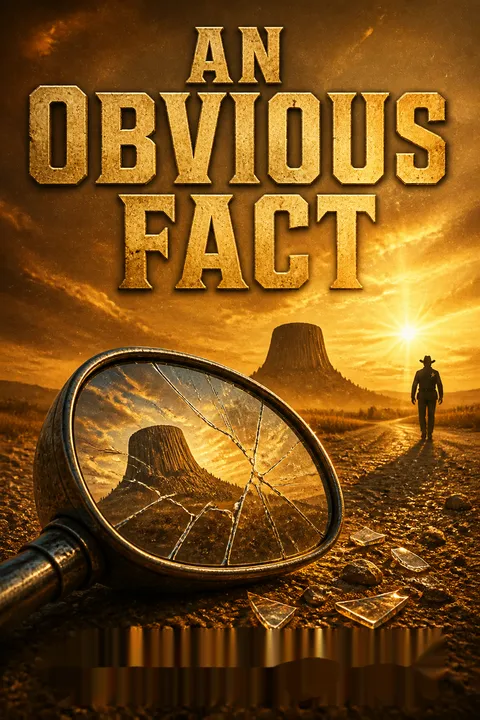
In the aftermath, Walt, Henry, and Vic reflect on the events at the iconic Devils Tower. The truth about Bodaway's accident is finally revealed—Lola was responsible, driven by a complex mix of love, fear, and desperation. Henry confronts his feelings for Lola and the possibility of being Bodaway's father, finding a measure of peace in the knowledge that some mysteries can never be fully solved. The characters grapple with regret, forgiveness, and the enduring power of family, even in the face of tragedy.
Aftermath and Obvious Facts
As the dust settles, the town of Hulett returns to its quiet rhythms. The federal investigation wraps up, with Nance and his associates facing justice. Lola disappears, haunted by her actions and the loss of her son. Walt, Henry, and Vic prepare to return home, changed by the experience but strengthened by their friendship and resilience. The story ends with a reflection on the nature of truth, justice, and the deceptiveness of "obvious facts"—a nod to Sherlock Holmes and the enduring mysteries of the human heart.
Analysis
A meditation on justice, loyalty, and the cost of truth"An Obvious Fact" is more than a crime novel; it is a layered exploration of the human condition, set against the backdrop of the American West's mythic landscapes and contemporary challenges. Craig Johnson uses the conventions of the mystery genre to probe deeper questions about family, identity, and the nature of evil. The story's emotional arc is driven by the interplay between personal history and public duty, as characters confront the ghosts of their pasts and the consequences of their choices. The novel interrogates the deceptiveness of "obvious facts," urging readers to look beyond appearances and grapple with ambiguity. The lessons are clear: justice is rarely simple, loyalty can be both a virtue and a vice, and the pursuit of truth often comes at a high price. Through wit, empathy, and unflinching honesty, Johnson crafts a narrative that is as entertaining as it is profound, reminding us that the most important mysteries are those of the heart.
Review Summary
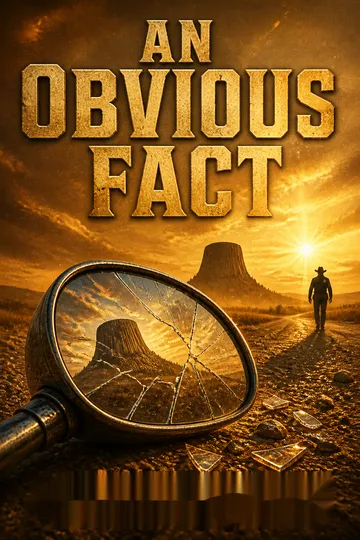
An Obvious Fact, the twelfth Walt Longmire mystery, finds Sheriff Longmire, Henry Standing Bear, and Vic Moretti investigating a motorcycle hit-and-run near Devil's Tower during the Sturgis rally. Readers meet the infamous Lola, namesake of Henry's Thunderbird and Walt's granddaughter. Reviews praise Johnson's trademark humor and character banter, though some note less mysticism and depth than earlier entries. The mystery involves biker gangs, ATF agents, and illegal gun trafficking. Most reviewers rated it 4-5 stars, appreciating the entertaining plot and beloved characters, though a few found it less compelling than previous books.
People Also Read
Characters
Walt Longmire
Walt Longmire is the sheriff of Absaroka County, Wyoming, and the central figure in the investigation. He is a man of deep integrity, haunted by personal loss and the burdens of leadership. Walt's relationships—with his daughter Cady, his best friend Henry, and his undersheriff Vic—anchor him emotionally, even as he navigates the complexities of crime and justice. Psychologically, Walt is driven by a sense of duty and a need to protect the vulnerable, often at great personal cost. His empathy and intuition make him a formidable detective, but his reluctance to confront his own emotions sometimes hinders his ability to find closure. Over the course of the story, Walt's resilience and compassion are tested, but he emerges with a deeper understanding of the ambiguities of truth and the limits of justice.
Henry Standing Bear
Henry is Walt's closest friend and confidant, a Cheyenne with a deep sense of honor and tradition. He serves as both a moral anchor and a source of wisdom, often quoting literature and philosophy. Henry's past relationship with Lola and the possibility that he is Bodaway's father add layers of emotional complexity to his character. He is stoic and reserved, but beneath the surface lies a well of pain, regret, and longing. Henry's participation in the hill climb and his willingness to confront danger reflect his need to prove himself and atone for past mistakes. His development is marked by a gradual acceptance of his limitations and a willingness to let go of the past, even as he remains fiercely protective of those he loves.
Victoria "Vic" Moretti
Vic is Walt's undersheriff and a former Philadelphia cop, known for her quick wit, sharp tongue, and formidable skills. She provides both comic relief and emotional support, challenging Walt and Henry to confront uncomfortable truths. Vic's competitive nature and fearlessness are on display during the trap shoot, where she outperforms her rivals. Psychologically, Vic is driven by a need for justice and a desire to prove herself in a male-dominated world. Her relationship with Walt is complex, blending professional respect with deep personal affection. Throughout the story, Vic's loyalty and courage are unwavering, and she serves as a catalyst for action and reflection.
Lola Wojciechowski
Lola is a force of nature—beautiful, unpredictable, and deeply wounded. Her love for her son Bodaway is fierce, but her methods are often questionable. Lola's past with Henry and her entanglement in the biker world make her both a victim and a suspect. She is adept at using her charm and sexuality to get what she wants, but beneath the bravado lies profound pain and regret. Psychologically, Lola is driven by survival instincts and a desperate need for control in a world that has repeatedly betrayed her. Her development is marked by moments of vulnerability and self-awareness, culminating in the tragic realization of her role in her son's fate.
Bodaway Torres
Bodaway is the catalyst for the story's events—a young man caught between loyalty to his biker "family" and the criminal enterprises that threaten to consume him. His injuries and subsequent coma render him a silent presence, but his past actions and relationships drive the investigation. Bodaway's connection to Lola, Henry, and the Tre Tre Nomads highlights the complexities of identity, belonging, and the search for meaning. Psychologically, he is a product of his environment, shaped by love, violence, and the allure of outlaw culture. His fate serves as a sobering reminder of the costs of loyalty and the fragility of life.
Brady Post
Brady Post is the enforcer for the Tre Tre Nomads, but his true identity as an ATF agent adds layers of intrigue and danger. He is skilled, resourceful, and deeply committed to his mission, but the pressures of undercover work take a toll. Post's interactions with Walt and Henry reveal his vulnerability and the isolation of living a double life. His murder is a turning point in the story, galvanizing the investigation and exposing the deadly stakes of the case. Psychologically, Post embodies the sacrifices required by those who fight crime from within, and his death is both a tragedy and a catalyst for justice.
Bob Nance
Nance is a local power broker whose charm and generosity mask a ruthless ambition. He is the financial and logistical force behind the ASP weapons operation, using his resources and connections to evade detection. Nance's relationships—with his daughter Chloe, the local police, and the criminal underworld—reveal his capacity for manipulation and betrayal. Psychologically, he is driven by a need for control and a belief in his own invincibility. His downfall is marked by hubris and the unraveling of his carefully constructed facade.
Billy ThE Kiddo
Billy is a larger-than-life figure whose bravado and recklessness mask deep insecurities. His involvement in the ASP operation is motivated by financial desperation and a desire for relevance. Billy's relationship with Nance and his eventual betrayal highlight the dangers of ambition and the ease with which people can be manipulated. Psychologically, he is both a victim and a perpetrator, struggling to reconcile his public persona with the reality of his actions. His cooperation with law enforcement is a bid for survival, but it also reflects a glimmer of conscience.
Chloe Nance
Chloe is Bob Nance's daughter, caught between her father's criminal enterprise and her love for Bodaway. Her struggles with addiction and her attempts to break free from her father's influence add emotional depth to the story. Chloe's relationship with Bodaway is genuine, but it is ultimately doomed by the forces arrayed against them. Psychologically, she is a symbol of innocence corrupted by circumstance, and her fate underscores the collateral damage wrought by greed and violence.
Corbin Dougherty
Corbin is the local deputy who seeks Walt's help and becomes an integral part of the investigation. His inexperience is balanced by enthusiasm and a willingness to learn. Corbin's journey from rookie to competent lawman mirrors the larger themes of growth, mentorship, and the passing of the torch. Psychologically, he represents the hope for a better future and the enduring value of integrity in law enforcement.
Plot Devices
Dual Identities and Undercover Operations
The use of undercover agents—Brady Post and Phil Vesco—creates layers of deception and uncertainty. Their presence blurs the lines between law and crime, forcing characters to question loyalties and motivations. The device heightens tension and propels the narrative, as the true stakes of the investigation are gradually revealed.
Forensic Evidence and Ballistics
The investigation hinges on the analysis of paint, ballistics, and advanced synthetic polymers. The discovery of the gold paint, the matching of bullets, and the identification of the plastic cube as a prototype weapon are pivotal moments. These elements ground the story in procedural realism and provide a framework for the unraveling of the conspiracy.
Narrative Structure and Multiple Perspectives
The story unfolds through Walt's perspective but incorporates the voices and experiences of other key characters. This structure allows for a nuanced exploration of motives, relationships, and psychological complexity. The interplay between personal and professional stakes enriches the narrative and invites readers to empathize with multiple points of view.
Foreshadowing and Symbolism
The title's reference to "an obvious fact" is echoed throughout the story, challenging characters to look beyond surface appearances. The use of vehicles—motorcycles, the gold Cadillac, the MRAP—serves as symbols of freedom, danger, and the collision of past and present. The setting of Devils Tower provides a backdrop for revelation and closure, reinforcing themes of endurance and transformation.
Action Set Pieces and Climactic Confrontations
The hill climb, the trap shoot, the high-speed chase, and the bunker assault are not only thrilling but also serve as crucibles for character development. These set pieces test the limits of courage, loyalty, and ingenuity, culminating in moments of catharsis and reckoning.
Walt Longmire Series
About the Author
Other books by Craig Johnson
Download PDF
Download EPUB
.epub digital book format is ideal for reading ebooks on phones, tablets, and e-readers.








































