
Plot Summary
Village Whispers and Shadows
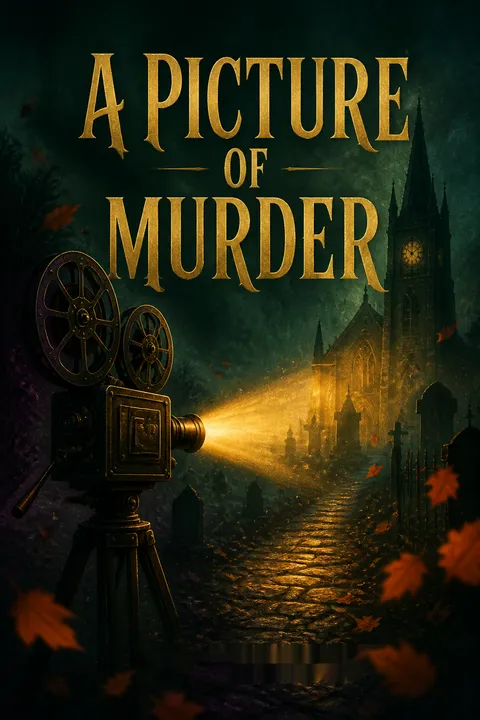
Littleton Cotterell is abuzz with anticipation as Lady Hardcastle and her loyal maid, Florence Armstrong, prepare for the arrival of a traveling moving picture show. The village, with its blend of modernity and tradition, is alive with gossip, minor domestic dramas, and the ever-present undercurrent of superstition. As autumn deepens, the villagers' conversations turn to the supernatural, fueled by the season and the upcoming All Hallows' Eve. The arrival of new guests and the promise of cinematic spectacle stir excitement and unease, setting the stage for a week that will test the boundaries between reality and illusion, and between the living and the dead.
Guests, Gossip, and Ghosts
Lady Hardcastle's home becomes a hub of activity as the moving picture troupe—led by the charismatic Nolan Cheetham—arrives, accompanied by actors Zelda Drayton, Euphemia Selwood, and Basil Newhouse. The household staff, each with their own worries and ambitions, navigate the disruption with a mix of pride and anxiety. Village gossip intensifies, blending news of the guests with old stories of ghosts and curses. The presence of outsiders, the looming village festival, and the undercurrent of local superstitions create a charged atmosphere, where every creak and shadow seems to hint at secrets waiting to be uncovered.
The Moving Picture Arrives
The village hall is transformed for the much-anticipated premiere of Cheetham's new film, "The Witch's Downfall." The event draws villagers and outsiders alike, including a group of religious protesters led by the zealous Hugheses. The film's dark themes of witchcraft and vengeance resonate eerily with the season, and the villagers are both thrilled and unsettled by the spectacle. Lady Hardcastle's own experimental film is also shown, adding a touch of whimsy to the evening. Yet beneath the applause and laughter, tensions simmer—between the film troupe, the protesters, and the villagers—hinting that the boundary between fiction and reality may soon blur.
Protesters and Premonitions
The days following the premiere are marked by the persistent presence of the Hugheses and their followers, who decry the moving picture as the devil's work. Their placards and hymns create a backdrop of unease, but the villagers remain determined to enjoy the festival. Lady Hardcastle and Armstrong investigate the protesters' motives, uncovering hints of deeper fanaticism and possible connections to the film's plot. Meanwhile, strange occurrences and whispered warnings heighten the sense of foreboding. The village is caught between celebration and dread, as old superstitions and new fears intertwine.
A Death in the Churchyard
The festival's gaiety is shattered when Basil Newhouse is found dead beneath the ancient rowan tree in the churchyard, staged in a manner eerily reminiscent of his character's fate in the film. The local police, aided by Lady Hardcastle and Armstrong, begin their investigation, noting the theatricality of the crime and the presence of a witch's doll. Suspicions fall on the film troupe, the protesters, and even the villagers themselves. The line between performance and reality blurs further, as the community grapples with the possibility that fiction has inspired murder—or that something darker is at work.
Suspicions and Secrets
As the investigation deepens, Lady Hardcastle and Armstrong compile a list of suspects, each with their own motives and secrets. Tensions within the film troupe come to light, including old rivalries and hidden relationships. The journalist Dinah Caudle arrives, eager for a sensational story, and her probing questions add to the pressure. The Hugheses' zealotry grows more intense, and the villagers' nerves are frayed by rumors and accusations. The detectives must sift through layers of performance, deception, and genuine emotion to discern the truth, even as the threat of further violence looms.
The Second Fatality
Tragedy strikes again when Euphemia Selwood is found dead in Lady Hardcastle's kitchen, an apple in her hand—mirroring the film's poisoned fruit. The household is thrown into chaos, and fear spreads through the village. The investigation is complicated by the locked-room nature of the crime and the realization that the killer may be among them. Armstrong's sharp observations and Lady Hardcastle's scientific acumen are put to the test as they search for clues, while the villagers begin to suspect that the moving picture has unleashed a curse—or a cunning murderer.
The Witch's Downfall
The parallels between the film's narrative and the real-life deaths become impossible to ignore. Each murder follows the script of "The Witch's Downfall," leading to speculation that someone is using the film as a blueprint for murder. The villagers' fear turns to hysteria, and the festival's atmosphere grows increasingly tense. Lady Hardcastle and Armstrong race to anticipate the killer's next move, delving into the film's production history and the personal histories of the troupe. The sense of impending doom is palpable, as everyone wonders who will be the next victim—and whether the killer is human or something more sinister.
The Third Tragedy
During the village's Bonfire Night celebration, Aaron Orum—Cheetham's old rival—suffers a public and dramatic death, apparently driven mad by hallucinations and leaping from the church tower, just as the film's doomed lover did. The spectacle shocks the community and convinces many that supernatural forces are at play. Lady Hardcastle, however, suspects a more earthly explanation, noting inconsistencies and the possibility of elaborate trickery. The investigation takes on new urgency, as the detectives realize that the killer's endgame may be approaching—and that the final act will be the most dangerous of all.
Unmasking the Living Dead
A series of discoveries leads Lady Hardcastle and Armstrong to an abandoned cottage in the woods, where they find evidence of disguise, deception, and the presence of the supposedly dead. The "victims" are revealed to be alive, their deaths faked with theatrical skill and exotic poisons. The plot, masterminded by Cheetham and his troupe, was designed to generate sensational publicity, escape creditors, and start anew in America. The detectives piece together the elaborate scheme, realizing that the line between performance and reality has been deliberately and dangerously blurred.
The Cottage in the Woods
Lady Hardcastle and Armstrong, with the help of Dr. Gosling, confront the conspirators at their hideout. A tense struggle ensues, but the detectives' resourcefulness and courage prevail. The mortuary men—actually members of the troupe in disguise—are unmasked, and the full extent of the plot is revealed. The conspirators' plan to flee the country is foiled, and the truth behind the "murders" is brought to light. The village, shaken but safe, begins to recover from the week's events, and the detectives reflect on the power of illusion and the resilience of community.
The Bonfire Night Inferno
The festival's climax is marked by a dramatic tableau: Zelda Drayton, apparently burned at the stake atop the bonfire, and Cheetham collapsing dead before the crowd. The spectacle is revealed to be the final act of the troupe's deception, using mechanical dummies, stagecraft, and voodoo-inspired poisons to fake death and disappearance. Lady Hardcastle and Armstrong, now fully aware of the scheme, coordinate with the police to apprehend the conspirators before they can escape. The village is left to marvel at the audacity of the plot and the courage of its amateur detectives.
The Final Act
With the conspirators in custody, Lady Hardcastle and Armstrong recount the week's events to Inspector Sunderland, laying out the motives, methods, and misdirections that fueled the drama. The villagers, initially shaken by the apparent murders, are relieved to learn the truth and eager to return to normalcy. The moving picture festival ends not with tragedy, but with a renewed sense of community and a celebration of resilience. Lady Hardcastle and Armstrong, though weary, are satisfied with their work—and ready for the next adventure.
Truths Revealed
In the days that follow, the full story emerges: Cheetham's desperation, the troupe's complicity, and the role of ambition and illusion in driving the plot. The villagers process the revelations, some with relief, others with lingering suspicion. Lady Hardcastle and Armstrong reflect on the nature of performance, the dangers of unchecked ambition, and the enduring power of friendship and loyalty. The case becomes a local legend, a cautionary tale about the thin line between art and life, and the importance of seeing through appearances to the truth beneath.
Aftermath and Revelry
The village comes together for a final celebration, reclaiming the joy and camaraderie that had been overshadowed by fear and suspicion. Lady Hardcastle's birthday is marked with music, laughter, and the promise of new adventures. The detectives, having restored peace and order, look forward to a well-earned rest—and perhaps a quieter season ahead. The story ends with a sense of closure and hope, as the community moves forward, wiser and more united than before.
Analysis
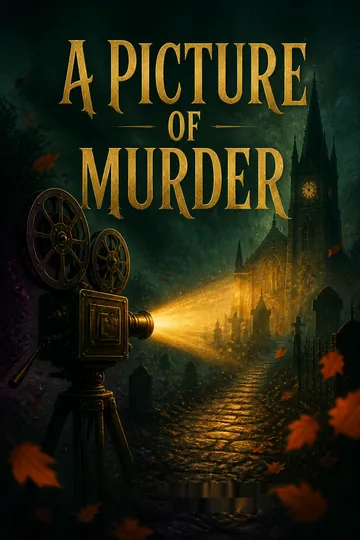
A Picture of Murder is a masterful meditation on the interplay between art and life, truth and performance, and the enduring allure of spectacle. Set against the backdrop of a village festival and the dawn of cinema, the novel explores how stories—whether told on screen, whispered in the pub, or enacted in daily life—shape perceptions, fuel fears, and drive actions. Through its intricate plot and richly drawn characters, the book interrogates the ethics of ambition, the costs of deception, and the resilience of community in the face of chaos. Lady Hardcastle and Armstrong's partnership embodies the power of unconventional alliances and the importance of empathy, wit, and courage in confronting both real and imagined threats. The novel's enduring lesson is that truth, though often obscured by layers of performance and misdirection, can be uncovered through patience, reason, and the willingness to look beyond appearances. In a world where fiction and reality are increasingly intertwined, A Picture of Murder reminds us that the greatest mysteries are often those we create for ourselves—and that the most satisfying resolutions come not from spectacle, but from understanding.
Characters
Lady Emily Hardcastle
Lady Hardcastle is a widowed gentlewoman with a mysterious past in espionage and adventure. Her sharp intellect, scientific curiosity, and unconventional methods make her a formidable detective. She is both nurturing and mischievous, delighting in puzzles and the foibles of village life. Her relationship with Florence Armstrong is one of deep trust and mutual respect, blending the boundaries of class and friendship. Throughout the story, Lady Hardcastle's resilience, wit, and empathy guide the investigation, while her penchant for theatrics and disregard for social norms often unsettle both suspects and allies. Her development is marked by a growing appreciation for community and the quiet heroism of everyday life.
Florence Armstrong
Florence "Flo" Armstrong is Lady Hardcastle's maid, confidante, and investigative partner. Raised in a circus and trained in practical skills, she brings street smarts, physical courage, and a keen eye for detail to every case. Flo's dry humor and grounded perspective balance Lady Hardcastle's eccentricities, and her psychological insight often uncovers motives hidden beneath the surface. Her relationships with the household staff and villagers reveal her empathy and adaptability. Over the course of the story, Flo's confidence as a detective grows, and her bond with Lady Hardcastle deepens, highlighting themes of loyalty, class, and the power of unconventional partnerships.
Nolan Cheetham
Cheetham is the ambitious leader of the moving picture troupe, driven by a need to reclaim his fading reputation and escape mounting debts. His charm and creativity mask a willingness to manipulate and deceive, orchestrating an elaborate scheme to fake deaths and generate sensational publicity. Cheetham's relationships with his troupe are complex—marked by camaraderie, rivalry, and shared desperation. Psychologically, he embodies the dangers of unchecked ambition and the seductive power of illusion. His arc moves from confident impresario to exposed conspirator, revealing both his ingenuity and his moral failings.
Zelda Drayton
Zelda is a seasoned performer whose beauty and poise conceal a steely determination. As both victim and conspirator, she plays multiple roles—on stage, in the village, and within the troupe's plot. Zelda's psychological complexity lies in her ability to inhabit personas, manipulate perceptions, and survive adversity. Her relationships with Cheetham and the other actors are layered with loyalty, resentment, and ambition. Over the course of the story, Zelda's vulnerability and resourcefulness are revealed, challenging assumptions about victimhood and agency.
Euphemia Selwood
Euphemia, known as "Phemie," is a young actress with a background in music hall performance. Her innocence and ambition make her both a willing participant and a reluctant conspirator in Cheetham's scheme. Phemie's psychological struggle centers on her desire for success and her discomfort with the troupe's deception. Her relationships with Zelda and Basil are marked by affection and tension, and her interactions with Lady Hardcastle and Flo reveal her underlying decency. Phemie's arc is one of internal conflict, ultimately highlighting the costs of complicity and the longing for redemption.
Basil Newhouse
Basil is the troupe's elder statesman, beloved for his warmth, humor, and storytelling. His role in the plot is both as a "victim" and as a key architect of the deception. Basil's psychological profile is shaped by nostalgia for the stage, loyalty to his friends, and a willingness to bend the truth for a greater cause. His relationships are characterized by mentorship and camaraderie, but also by a certain world-weariness. Basil's development underscores the blurred lines between performance and reality, and the enduring bonds of friendship.
Aaron Orum
Orum is Cheetham's former friend and current nemesis, a theatrical figure whose grievances and provocations make him a prime suspect. His flamboyance and self-importance mask deeper insecurities and a longing for recognition. Orum's psychological complexity lies in his ability to manipulate perceptions, both as a performer and as a supposed victim. His relationship with Dinah Caudle and the troupe is fraught with rivalry and mutual suspicion. Ultimately, Orum serves as both a distraction and a mirror for Cheetham's own flaws.
Dinah Caudle
Dinah is a sharp, ambitious reporter for the Bristol News, eager to make her mark with a sensational story. Her probing questions and outsider status unsettle the village and the troupe, driving the investigation forward. Dinah's psychological profile is shaped by her desire for recognition, her willingness to bend ethics for a scoop, and her complex relationship with Orum. Her development highlights the power of narrative, the dangers of sensationalism, and the challenges faced by women in male-dominated professions.
The Hugheses
Mr. and Mrs. Hughes lead the religious protest against the moving picture, embodying zealotry and moral certainty. Their psychological rigidity and performative piety make them both comic and menacing figures. The Hugheses' relationships with the villagers are marked by condescension and alienation, and their presence serves to heighten the story's themes of superstition, fear, and the dangers of dogmatism. Ultimately, they are revealed as more bluster than threat, but their role as red herrings is crucial to the plot's misdirection.
Dr. Simeon Gosling
Dr. Gosling is a friend of Lady Hardcastle's and the police surgeon tasked with examining the "victims." His scientific skepticism and dry wit provide a counterpoint to the story's hysteria and superstition. Simeon's psychological profile is marked by curiosity, humility, and a willingness to admit his own limitations. His relationships with Lady Hardcastle and Armstrong are collegial and affectionate, and his presence grounds the investigation in reason and evidence. Simeon's arc is one of gradual enlightenment, as he moves from confusion to understanding, and from bystander to active participant.
Plot Devices
Theatricality and Illusion
The central device of the novel is the deliberate blurring of fiction and reality, as the murders are staged to mirror the plot of "The Witch's Downfall." The use of theatrical techniques—disguises, mechanical dummies, stagecraft, and exotic poisons—creates a labyrinth of misdirection and false assumptions. The narrative structure mimics a play, with acts, climaxes, and revelations, and the characters themselves are both performers and audience. Foreshadowing is achieved through references to superstition, ghost stories, and the power of narrative, while red herrings and shifting alliances keep the reader—and the detectives—guessing. The ultimate unmasking of the "living dead" is both a literal and metaphorical revelation, exposing the dangers of unchecked ambition and the seductive power of illusion.
Lady Hardcastle Mysteries Series
Download PDF
Download EPUB
.epub digital book format is ideal for reading ebooks on phones, tablets, and e-readers.








































