
Plot Summary
Whipping Girl's Burden
In the kingdom of Penterra, Tamsyn is raised alongside the royal princesses, not as a true sister but as their whipping girl—punished in their stead for any misdeeds. Her role is both a privilege and a curse, granting her proximity to power but never true belonging. She is both shield and scapegoat, her body bearing the marks of royal discipline. Despite the affection of her adoptive family, Tamsyn's existence is defined by sacrifice and the constant reminder that she is not, and never will be, one of them. The threat of being cast aside looms as her sisters near marriageable age, leaving Tamsyn to question her place and future in a world that values her only for her pain.
The Beast's Demand
The arrival of Fell Dryhten, the infamous Border King known as the Beast, disrupts the palace's fragile order. He demands a royal bride as payment for his years of defending the kingdom's borders—a demand that unsettles the court and terrifies Tamsyn for her sisters' sake. The king and his advisors, desperate to maintain Fell's loyalty, agree to the match but plot a deception: Tamsyn, not a true princess, will be given to the Beast. Tamsyn is thrust into a political game, her fate sealed by the machinations of those she once trusted, and the lines between duty, love, and survival blur as she faces a future bound to a man she fears and does not know.
A Marriage of Deceit
Tamsyn is prepared for marriage with all the trappings of royalty, yet her identity is concealed beneath layers of fabric and custom. The wedding is a spectacle, the consummation a public ritual, but the truth of her lineage is hidden from Fell. The ceremony binds them in blood, a ritual that leaves a mysterious mark on both their palms. When the veil is finally lifted, Fell discovers the deception—his bride is not the princess he was promised, but the palace's whipping girl. Betrayal and anger ignite, but the marriage, sealed in blood and flesh, cannot be undone. Tamsyn's world narrows to the man she has deceived and the uncertain path ahead.
The Wedding Veil
The wedding night is a trial by fire for Tamsyn, who must endure the gaze of the court as she is bedded by Fell behind a curtain. The act is both intimate and humiliating, a performance for the sake of legitimacy. The blood ritual of their union leaves a physical and mystical bond, a throbbing mark that neither understands. The next morning, the truth is revealed, and chaos erupts. Fell's rage is matched by Tamsyn's shame, and the court's machinations are laid bare. Yet, in the aftermath, a strange connection lingers between bride and groom, forged in pain and secrecy.
Blood and Bonding
Forced to leave her only home, Tamsyn joins Fell and his warriors on a grueling journey north to the Borderlands. The crossing is harsh, the company hostile, and Tamsyn's body and spirit are tested beyond measure. Along the way, she encounters Mari, a rare ally, and Thora, a mysterious healer who hints at Tamsyn's hidden nature. The blood bond between Tamsyn and Fell pulses with strange energy, and Tamsyn's resilience is both her shield and her curse. As the landscape grows wilder, so too does the sense that something within her is changing, awakening in response to danger and need.
The Crossing North
The journey through the wilds is marked by hardship and threat. Bandits demand tribute, and Tamsyn's quick thinking averts bloodshed, though at the cost of her last connection to her old life. The relentless pace and the warriors' disdain isolate her further, but she endures, drawing on reserves of strength she never knew she had. When her body finally gives out, Fell's unexpected care reveals a softer side, and the intervention of Thora, a blood witch, brings both healing and warning. The boundaries between human and other, between self and sacrifice, begin to blur as Tamsyn's true nature stirs.
The Dragon Within
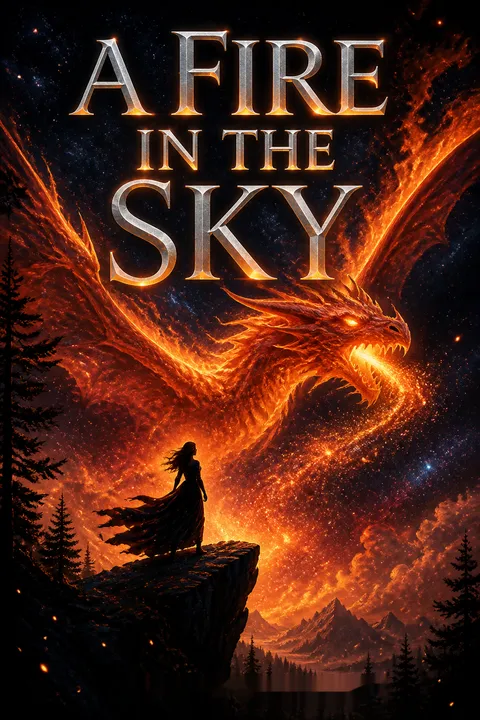
In the haunted forest, Tamsyn is betrayed by Arkin, one of Fell's men, who seeks to kill her. Cornered and desperate, something primal awakens within her—she transforms into a dragon, incinerating her attacker. The experience is both agony and revelation; Tamsyn flees, horrified by her own power and the monstrous form she cannot control. Thora finds her, recognizing the truth and offering guidance, but Tamsyn's sense of self is shattered. She is no longer merely a girl or a whipping girl—she is something ancient and feared, a living secret in a world that believes her kind extinct.
Betrayal in the Woods
Fell discovers the aftermath of Tamsyn's transformation: Arkin's charred corpse and the remnants of Tamsyn's clothing. He realizes the dragon has taken her, not knowing she is the dragon. Consumed by guilt and rage, Fell vows vengeance and sets out in pursuit, driven by a mysterious bond that guides him. Meanwhile, Tamsyn, now human again, hides with Thora, who urges her to flee. The revelation of her true nature is a burden she cannot share, and the threat of discovery looms. Both Tamsyn and Fell are hunted—by others, by their own secrets, and by the inexorable pull between them.
The Huldra's Enchantment
As Tamsyn journeys north, she encounters the huldra, a seductive forest spirit who ensnares travelers with illusions. Fell and his warriors fall under the huldra's spell, each seeing the face of their deepest desire. Tamsyn alone resists, her own magic shielding her from enchantment. Using her wits and a gift from Thora, she binds the huldra and frees Fell and his companions. The ordeal cements a fragile trust between Tamsyn and Fell, even as the truth of her nature remains hidden. Together, they press on toward the mountains, pursued by danger and the secrets that threaten to destroy them.
Truths Revealed
In the safety of the Borderlands, Tamsyn and Fell's uneasy truce is shattered by the arrival of Stig, Tamsyn's childhood friend, who brings an army to avenge her supposed death. The confrontation forces Tamsyn to confront her past and the impossibility of her future. When Stig learns the truth—that Tamsyn is the dragon—he reacts with horror and violence. Fell, torn between love and duty, chooses to protect Tamsyn, even as the world turns against them. The revelation of Tamsyn's identity is both liberation and exile, severing her last ties to her old life.
Flight and Transformation
With her secret exposed, Tamsyn flees with Fell into the Crags, pursued by enemies both human and dragon. In the mountains, they are attacked by a pride of dragons, and Fell is forced to confront his own transformation—he, too, becomes a dragon, revealing a shared destiny. Together, they find refuge in a hidden den, their bond deepened by shared danger and the realization that they are no longer alone. The world they knew is lost to them, but in each other, they find the possibility of acceptance and belonging.
The Crags' Secret
In the heart of the mountains, Tamsyn and Fell discover a community of dragonkind—beings like themselves, living in secret, neither fully human nor fully beast. The leader of the pride reveals a shocking truth: Fell is his brother, separated by fate and raised among humans. Tamsyn's own origins are hinted at, her abandonment as a child now seen in a new light. The Crags offer both sanctuary and challenge, a place where Tamsyn and Fell must reckon with their identities, their powers, and the legacy of a war that never truly ended.
The Army at the Gates
Back in the Borderlands, Stig's army arrives at the gates, demanding justice for Tamsyn's supposed murder. The confrontation is a test of loyalty and love, as Tamsyn must choose between her past and her future. The truth of her survival and transformation is revealed, and the fragile peace is shattered. The world is forced to confront the reality of dragons' return, and Tamsyn and Fell must decide whether to fight for acceptance or flee into obscurity. The lines between friend and foe, human and dragon, are redrawn in blood and fire.
Friends and Foes
Tamsyn's confession to Stig is met with disbelief and betrayal. The man who once loved her now sees her as a monster, and the world she sacrificed so much to protect turns against her. Fell stands by her, choosing love over vengeance, but the cost is exile and the loss of all they once knew. Together, they face a future as outcasts, hunted by those they once called kin. The pain of rejection is tempered by the strength of their bond, and the hope that, in each other, they can find a new home.
The Final Unmasking
In a final confrontation, Tamsyn is forced to reveal her true form before both Stig and Fell. Stig, unable to accept the truth, tries to kill her, but Fell intervenes, choosing Tamsyn over his oldest ally. The battle leaves Stig wounded and Tamsyn irrevocably changed. With the world closing in, Tamsyn and Fell flee together, embracing their identities as dragons and as partners. The past is left behind, and the future is uncertain, but for the first time, they are free to choose their own path.
Dragon's Embrace
In the wild sanctuary of the Crags, Tamsyn and Fell finally surrender to their love, their union both physical and spiritual. Their transformations are no longer a curse but a source of strength, and together they face the challenges of their new existence. The community of dragons welcomes them, and the possibility of a new order—one where dragons and humans might coexist—emerges. The journey has been one of pain and loss, but also of growth and self-discovery. Tamsyn, once a whipping girl, is now a queen in her own right, her power matched only by her capacity for love.
The New Order
The story ends with the promise of a new beginning. Tamsyn and Fell, united in love and power, stand at the threshold of a world forever changed by their choices. The return of dragons signals both danger and hope, a chance to heal old wounds and forge new alliances. The legacy of pain and sacrifice is not forgotten, but it is transformed into something greater—a fire in the sky, lighting the way for those who come after. The future is uncertain, but for the first time, it belongs to them.
Analysis
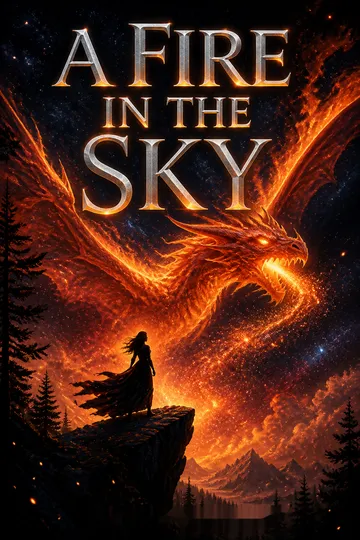
A Fire in the Sky is a powerful meditation on identity, belonging, and the cost of survival in a world built on pain and exclusion. Through the lens of fantasy, Sophie Jordan interrogates the structures that demand sacrifice from the vulnerable—whether through the literal whipping of a girl for royal misdeeds or the metaphorical burning of witches and dragons. The novel's central relationship, between Tamsyn and Fell, is both a romance and a reckoning: each must confront the parts of themselves they have been taught to fear, and only by embracing their otherness can they find wholeness. The story's use of transformation—physical, emotional, and societal—serves as a metaphor for coming of age, for the painful but necessary process of shedding old skins and forging new selves. In a modern context, the book speaks to the experience of outsiders everywhere: those who are punished for difference, who are asked to bear the burdens of others, and who must fight for the right to exist on their own terms. Ultimately, A Fire in the Sky is a story of hope: that even in a world scarred by violence and betrayal, love and acceptance are possible—not by denying what we are, but by embracing it, and lighting a fire that can guide others home.
Review Summary
People Also Read
Characters
Tamsyn
Tamsyn is the emotional and narrative heart of the story—a girl raised as the royal whipping girl, always on the margins of power and belonging. Her role as a proxy for pain shapes her psyche: she is fiercely loyal, self-effacing, and conditioned to endure suffering for others. Yet beneath her resilience lies a deep longing for acceptance and identity. Tamsyn's journey is one of self-discovery, as she is forced to confront not only her own worth but also the monstrous power within her. Her transformation into a dragon is both literal and symbolic—a coming-of-age that forces her to reconcile her humanity with her otherness. Her relationships—with her adoptive family, with Stig, and most profoundly with Fell—are marked by love, betrayal, and the search for a place to belong. Ultimately, Tamsyn's arc is one of empowerment: she moves from victim to agent, from outcast to queen, her greatest strength found in embracing all that she is.
Fell Dryhten
Fell is the legendary Beast of the Borderlands, a man forged in violence and duty. Raised by a father who saved him from a dragon's den, Fell is haunted by the legacy of war and the burden of protecting a kingdom that does not value him. His demand for a royal bride is both a political gambit and a personal quest for recognition. Initially cold and ruthless, Fell's encounter with Tamsyn awakens a vulnerability he has long suppressed. The blood bond they share becomes a conduit for transformation—both emotional and physical—as Fell discovers his own dragon nature. His relationship with Tamsyn is fraught with anger, desire, and ultimately, love. Fell's arc is one of redemption: he learns to trust, to forgive, and to choose love over vengeance. His journey mirrors Tamsyn's, as both must accept the parts of themselves they fear most in order to find wholeness.
Stig
Stig is Tamsyn's childhood companion and the captain of the guard, a man defined by duty and unspoken love. His relationship with Tamsyn is complex—protective, affectionate, and tinged with longing. Stig's inability to accept Tamsyn's transformation is both a personal and societal failing; he embodies the fear and prejudice of a world that cannot tolerate difference. His eventual betrayal is heartbreaking, a testament to the limits of love when confronted with the unknown. Stig's arc is one of loss: he loses Tamsyn, his sense of self, and ultimately, his place in the world. His actions force Tamsyn and Fell to choose each other, cementing his role as both catalyst and casualty.
The King and Queen of Penterra
The king and queen are both benefactors and betrayers to Tamsyn. Their affection is genuine, but always secondary to the needs of the realm. Their decision to give Tamsyn to Fell is a political calculation, a sacrifice made for the greater good. They represent the complexities of power—how love and duty can coexist, but not always align. Their relationship with Tamsyn is a microcosm of the story's central tension: the cost of survival in a world built on hierarchy and pain.
Mari
Mari is one of Fell's warriors, a rare woman in a man's world. She is both fierce and compassionate, offering Tamsyn guidance and friendship when others shun her. Mari's presence challenges the gender norms of the setting and provides a model of strength that is not predicated on cruelty. Her acceptance of Tamsyn hints at the possibility of a new order, one where difference is not a death sentence.
Thora
Thora is a survivor of the witch hunts, living in isolation on the edge of the world. She recognizes Tamsyn's true nature and offers both warning and aid. Thora's history is a mirror to Tamsyn's—both are women marked by magic, forced to hide or be destroyed. Her wisdom and kindness are tinged with sorrow, a reminder of the costs of survival. Thora's role is that of mentor and midwife, helping Tamsyn birth her new self.
Arkin
Arkin is Fell's right hand, a man who resents Tamsyn's presence and ultimately seeks her death. His betrayal is motivated by fear and a desire to maintain the old order. Arkin's death at Tamsyn's hands is both justice and tragedy—a turning point that forces Tamsyn to confront the reality of her power and the impossibility of returning to her old life.
The Huldra
The huldra is a magical being who ensnares travelers with illusions, feeding on their desires and weaknesses. Her encounter with Tamsyn and Fell is a test of will and identity, a crucible that reveals the strength of Tamsyn's magic and the depth of her connection to Fell. The huldra represents the dangers of the unknown, but also the possibility of overcoming enchantment through self-knowledge.
The Dragon Pride
The dragons of the Crags are both threat and refuge. Their existence challenges the world's assumptions and offers Tamsyn and Fell a place to belong. The pride's leader, revealed to be Fell's brother, embodies the lost heritage and potential of dragonkind. The pride's acceptance of Tamsyn and Fell signals a new era, one where the past's wounds might finally heal.
The Lord Regent
The lord regent is the architect of Tamsyn's fate, a man who values stability over compassion. His machinations set the story in motion, and his refusal to accept change marks him as an antagonist to the new world Tamsyn and Fell represent. He is both a product and a perpetuator of a system built on pain.
Plot Devices
Blood Bonding Ritual
The blood ritual at Tamsyn and Fell's wedding is both a plot device and a symbol. It creates a physical and magical link between them, manifesting as a throbbing mark that guides their actions and emotions. This bond serves as a narrative engine, drawing them together even when trust and understanding fail. It also foreshadows their shared destiny as dragons, hinting at a deeper magic that transcends human law and custom.
Hidden Identity and Transformation
The story is driven by layers of concealment—Tamsyn's true parentage, her role as whipping girl, her dragon nature. Each revelation is both a liberation and a crisis, forcing characters to confront the limits of love, loyalty, and self-acceptance. Transformation is both literal (human to dragon) and metaphorical (victim to agent), and the narrative structure mirrors this, moving from the closed world of the palace to the open, dangerous wilds.
Foreshadowing and Symbolism
The epigraph's curse, the recurring imagery of fire and blood, and the legends of dragons and witches all serve to foreshadow Tamsyn's awakening. The use of mirrors, veils, and masks underscores the theme of hidden truths. The story's structure—moving from the palace to the borderlands to the mountains—mirrors Tamsyn's journey from confinement to freedom, from ignorance to knowledge.
Narrative Structure
The novel alternates between Tamsyn's and Fell's points of view, with interludes from other key characters. This allows for a deep exploration of internal conflict and the gradual unraveling of secrets. The emotional arc moves from fear and isolation to connection and acceptance, with each plot twist forcing characters to choose between the safety of the known and the risk of the new.
A Fire in the Sky Series
Download PDF
Download EPUB
.epub digital book format is ideal for reading ebooks on phones, tablets, and e-readers.








































