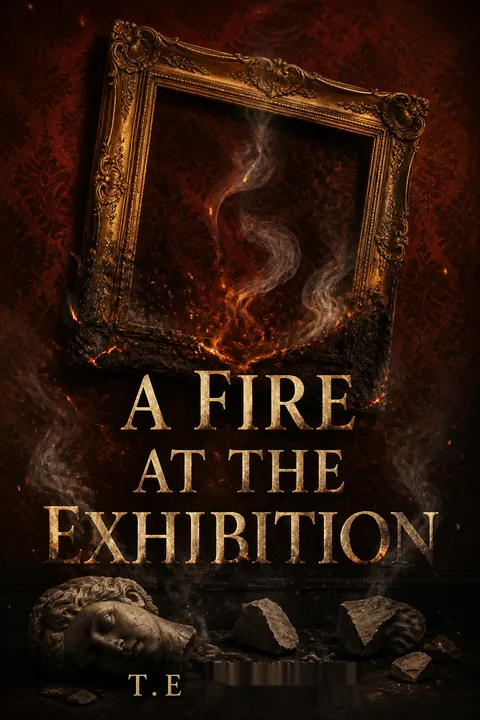

Plot Summary
May Day Revels Begin
On a bright May Day, Lady Hardcastle and her companion, Florence Armstrong, join the villagers of Littleton Cotterell for traditional festivities. The mood is light, with children dancing around the maypole and the newly reformed Daisy crowned Queen of the May. The event is a showcase of community spirit, gentle teasing, and the close-knit relationships among the villagers and local gentry. Amid the laughter and music, plans are discussed for the upcoming art exhibition, which promises to bring excitement—and perhaps a touch of notoriety—to the village. The day's warmth and camaraderie mask the undercurrents of change and the subtle tensions that will soon surface.
The Jewel-Encrusted Shakespeare
The village buzzes with talk of Basil Westbury's extraordinary, jewel-encrusted edition of Shakespeare's works, soon to be the star attraction at the art exhibition. Westbury's obsession with Shakespeare is both endearing and eccentric, and his willingness to display the book—insured and guarded—adds a sense of grandeur to the otherwise humble event. The exhibition is also a chance for villagers to display their own art, blending local pride with the allure of high culture. Yet, beneath the excitement, there's a sense of vulnerability: the book's value and fame make it a tempting target, and the elaborate security arrangements hint at the risks to come.
Fire, Panic, and Theft
The grand opening of the art exhibition draws a crowd, eager to see both local works and the famed Shakespeare. Suddenly, a cry of "Fire!" triggers panic. Smoke pours from the office, and the crowd surges for the exits. Amid the confusion, Lady Hardcastle and Flo help ensure everyone's safety, only to discover that the fire was a diversion. The Westbury Shakespeare, Sir Hector's prized Summerhays painting, and a bust have vanished. The theft is audacious, exploiting the chaos and the building's vulnerabilities. The village's joy turns to shock, and suspicion begins to ripple through the community.
The Aftermath and Suspicions
Sergeant Dobson and Constable Hancock take charge, but the scale of the crime is daunting. The security guards are nowhere to be found, and the insurance investigator, Cordelia Harrill, arrives with a brusque manner and a shadowy past. Lady Hardcastle and Flo, seasoned in amateur sleuthing, are drawn in—especially when they learn that the Farley-Strouds' financial future hinges on recovering the stolen painting. The theft is not just a crime but a threat to the village's social fabric. As rumors swirl, the investigation becomes personal, and the lines between friend and suspect blur.
Village Life and Newcomers
Life in Littleton Cotterell continues, but the theft casts a long shadow. The arrival of Angelina Goodacre, a former circus trick cyclist, and the enigmatic Freer siblings, self-styled treasure hunters, adds intrigue. The village's rhythms—gossip in the pub, cycling excursions, and committee meetings—are punctuated by subtle investigations and shifting alliances. Old reputations and new suspicions intermingle, as Lady Hardcastle and Flo navigate both the comforts and the complexities of rural life. The newcomers' motives are unclear, and their presence stirs both curiosity and unease.
Bicycles, Races, and Rivalries
A cycling craze sweeps the village, culminating in a race and a convivial ride to Berkeley Castle. The event brings together villagers, newcomers, and outsiders, revealing rivalries and hidden passions. Lady Hardcastle and Flo join the ride, enduring both physical discomfort and social maneuvering. The race is a microcosm of the village: competitive, communal, and laced with undercurrents of jealousy and ambition. The disappearance of a cyclist, Russell Blackmore, after the event adds a new layer of mystery, intertwining the theft with darker possibilities.
The Art Exhibition's Shadow
As the investigation deepens, Lady Hardcastle and Flo revisit the exhibition, questioning security guards and scrutinizing the scene. The theft's amateurish execution—reliant on luck and chaos—contrasts with the sophistication of the stolen items. The discovery of broken frames and discarded bust fragments behind the hall suggests opportunism rather than careful planning. Meanwhile, the insurance investigator's presence complicates matters, as does the growing suspicion that multiple crimes may have occurred simultaneously. The village's surface calm belies the tangled web of motives and opportunities.
The Case of the Missing Painting
The Farley-Strouds' financial woes make the recovery of the Summerhays painting urgent. Lady Hardcastle and Flo focus their efforts, interviewing local suspects and following leads into the city. The painting's value as part of a pair raises the stakes, and the possibility of a professional gang from Bristol is weighed against the evidence of local involvement. The investigation is both methodical and intuitive, blending deduction with empathy. The search for the painting becomes a quest to preserve not just a home, but a way of life.
The Cycling Club's Dark Turn
The disappearance and subsequent discovery of Russell Blackmore's body in the woods shocks the village. The murder investigation, led by Inspector Sunderland, intersects with the art theft, as suspicions fall on various members of the cycling club and beyond. Clues—a missing bicycle saddle, a bloodied signpost—point to a crime of passion or opportunity rather than premeditation. The murder exposes the village's undercurrents of rivalry, desire, and resentment, and Lady Hardcastle and Flo's involvement deepens as they seek to untangle the threads connecting theft and death.
Murder in the Woods
A careful reconstruction of Blackmore's last ride reveals a staged diversion and a fatal confrontation. The murder weapon—a cycling signpost—suggests improvisation, while the theft of a bicycle saddle hints at a connection to the broader pattern of bicycle-related crimes. The investigation is hampered by the amateurishness of the perpetrators and the overlapping motives at play. Lady Hardcastle and Flo's expertise in observation and deduction is tested as they sift through red herrings and conflicting testimonies, seeking the truth beneath the surface.
The Treasure Hunters Arrive
The Freer siblings' quest for Sir Theodore Elderkin's legendary treasure brings a new dimension to the mystery. Their research, blending historical fact and fanciful speculation, leads them to believe that clues to the treasure's location are hidden in the stolen painting. Their presence is both a distraction and a catalyst, as their methods—part scholarship, part opportunism—mirror the amateurishness of the art theft. The possibility of hidden riches stirs old dreams and new dangers, as the line between treasure hunting and criminality blurs.
Clues, Contradictions, and Confessions
As Lady Hardcastle and Flo probe deeper, they uncover a web of secrets: Angelina's bicycle business, Mickey Yawn's ambiguous loyalties, and Cordelia Harrill's criminal past. The investigation becomes a dance of confessions and denials, with each suspect offering plausible explanations and alibis. The theft's true nature—whether the work of professionals, opportunists, or insiders—remains elusive. The detectives' persistence and empathy gradually unravel the contradictions, revealing the human frailties and ambitions at the heart of the crimes.
The Bicycle Racket Unveiled
Flo's nocturnal surveillance uncovers Angelina's clandestine bicycle operation, aided by Mickey Yawn. The business, though suspicious, is ultimately legitimate, dispelling one line of inquiry but highlighting the village's capacity for reinvention and survival. The episode underscores the dangers of assumption and the importance of direct questioning. The revelation also clears several suspects, narrowing the field and refocusing the investigation on the art theft and the treasure hunt.
The Shakespeare's Secret
A breakthrough comes when Lady Hardcastle and Flo realize that the theft of the Westbury Shakespeare was a ruse. The book, too large and conspicuous to be spirited away, was hidden in a secret compartment in the hall's paneling by Westbury himself, who hoped to claim the insurance. The revelation is both satisfying and sobering, exposing the temptations of greed and the ingenuity of desperation. The insurance investigator's own dubious history adds irony to the resolution, as the true nature of the crime is revealed.
The Treasure of The Grange
Attention shifts to the Freers' treasure hunt, as Lady Hardcastle and Flo piece together clues from paintings, poems, and architectural quirks. Their reasoning leads them to a concealed entrance beneath The Grange, where they discover Sir Theodore's hidden vault—a private museum of war mementoes and, at last, the legendary treasure. The find is both a triumph and a vindication, offering the Farley-Strouds salvation and the village a new chapter in its history.
The Freers' Final Gambit
The Freers, driven by greed and frustration, confront Lady Hardcastle and Flo in the vault, armed and dangerous. Their amateurish bravado is no match for the detectives' calm and skill, and a brief struggle ends with their arrest. The confrontation is a culmination of the story's themes: the allure of easy riches, the perils of underestimating others, and the ultimate triumph of integrity and friendship. The Freers' downfall is both a cautionary tale and a moment of catharsis.
Truths Unearthed
With the Freers in custody and the treasure secured, the various threads of the mystery are tied together. The murder of Blackmore is revealed as a tragic byproduct of the Freers' bungling, while the art theft is exposed as a misguided quest for clues. The Westbury Shakespeare is returned, and the Farley-Strouds' future is assured. The village, having weathered scandal and loss, emerges stronger and more united, its secrets laid bare and its bonds reaffirmed.
Restoration and Revelations
In the aftermath, the village gathers to celebrate the restoration of The Grange and the return of its treasures. Lady Hardcastle and Flo, their work done, reflect on the nature of community, the dangers of greed, and the enduring power of friendship. The story closes with a sense of renewal: old wounds healed, new alliances formed, and the promise of future adventures. The lessons of the past are honored, and the village looks forward with hope and resilience.
Analysis
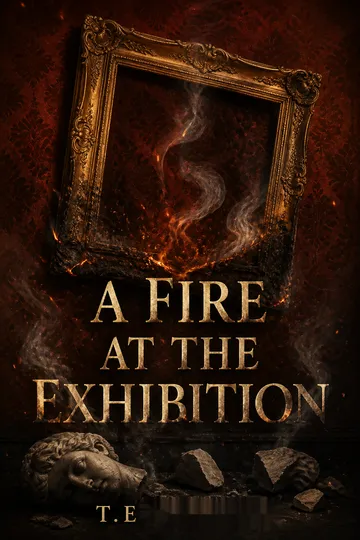
A Fire at the Exhibition is a deftly constructed village mystery that uses the conventions of the cozy detective genre to explore themes of community, ambition, and the dangers of unchecked desire. At its heart, the novel is a meditation on the tension between tradition and change: the May Day celebrations and art exhibition represent the village's yearning for continuity and recognition, while the theft, murder, and treasure hunt expose the vulnerabilities and aspirations lurking beneath the surface. The interplay between amateur and professional investigators highlights the value of empathy, intuition, and local knowledge in the pursuit of justice, while the red herrings and false leads underscore the complexity of human motivation. Ultimately, the story affirms the resilience of community and the redemptive power of friendship, even as it acknowledges the temptations of greed and the inevitability of change. Through its rich cast of characters, sharp dialogue, and intricate plotting, the novel invites readers to reflect on the nature of truth, the costs of ambition, and the enduring importance of kindness and loyalty in a world marked by uncertainty and upheaval.
Characters
Lady Emily Hardcastle
Lady Hardcastle is the heart of the narrative: a widowed gentlewoman with a sharp mind, a taste for adventure, and a penchant for irreverent humor. Her relationship with Florence Armstrong is both professional and deeply personal, blending the roles of employer, friend, and partner-in-detection. A former spy, Lady Hardcastle's past gives her a unique perspective on danger and deception, while her empathy and loyalty anchor her to the village community. Throughout the story, she balances curiosity with compassion, using her intelligence and social acumen to unravel mysteries and protect those she cares about.
Florence "Flo" Armstrong
Flo is Lady Hardcastle's maid, confidante, and equal in all but social standing. Her practical skills—ranging from martial arts to lock-picking—complement Lady Hardcastle's deductive prowess. Flo's working-class background and sharp wit provide a counterpoint to her employer's aristocratic eccentricities, grounding the narrative in both humor and realism. Her psychological insight and emotional intelligence are crucial to the investigation, as she navigates the village's social hierarchies and unearths hidden motives. Flo's journey is one of self-acceptance and quiet strength, as she moves from the margins to the center of village life.
Sir Hector Farley-Stroud
Sir Hector is the embodiment of the old English gentry: jovial, generous, and slightly bumbling. His financial troubles and emotional vulnerability make him both sympathetic and relatable. The theft of his prized painting threatens not just his home but his identity, and his reliance on Lady Hardcastle and Flo reflects both trust and desperation. Sir Hector's humor and warmth endear him to the community, while his resilience in the face of adversity underscores the story's themes of loyalty and perseverance.
Lady Gertrude Farley-Stroud
Lady Farley-Stroud is the social linchpin of the village, presiding over committees and traditions with a mixture of pride and anxiety. Her concern for appearances masks deeper fears about the future, and her vulnerability is heightened by the threat to The Grange. She is both a figure of authority and a source of emotional support, her relationship with Lady Hardcastle marked by mutual respect and affection. Lady Farley-Stroud's journey is one of humility and gratitude, as she learns to accept help and embrace change.
Basil Westbury
Westbury is a genial businessman whose obsession with Shakespeare drives both the exhibition's success and its undoing. His willingness to display his prized book is both generous and self-serving, and his eventual attempt at insurance fraud reveals the corrosive effects of vanity and greed. Westbury's psychological complexity—his need for recognition, his fear of loss—makes him both a suspect and a victim, and his arc serves as a cautionary tale about the dangers of unchecked ambition.
Cordelia Harrill
Cordelia is a formidable presence: intelligent, brusque, and haunted by a criminal past. Her interactions with Lady Hardcastle are charged with rivalry and mutual suspicion, and her investigation is both a professional duty and a personal vendetta. Cordelia's psychological profile is marked by insecurity and a need to prove herself, leading her to both overreach and underestimate others. Her eventual exposure as a former art thief adds irony and depth to her role, highlighting the blurred lines between law and transgression.
Angelina Goodacre
Angelina is a newcomer whose past as a circus trick cyclist and present as a bicycle manufacturer make her both intriguing and suspect. Her resourcefulness and resilience are matched by a playful secrecy, as she navigates the village's suspicions and forges new alliances. Angelina's relationship with Flo is tinged with nostalgia and mutual respect, and her legitimate business ultimately serves as a red herring in the investigation. Her character embodies the themes of reinvention and the challenges faced by women in a changing world.
Ezekiel and Hephzibah Freer
The Freer siblings are outsiders driven by a mix of scholarship, greed, and fantasy. Their quest for Sir Theodore's treasure is both earnest and delusional, leading them to theft, violence, and ultimately, ruin. Psychologically, they are marked by a sense of entitlement and a lack of empathy, their amateurish methods and escalating desperation making them both dangerous and pitiable. Their downfall is a product of their inability to distinguish between legend and reality, and their story serves as a warning against the perils of obsession.
Daisy Spratt
Daisy is the village's heart: lively, irreverent, and deeply loyal. Her transformation from "flighty" youth to Queen of the May mirrors the village's capacity for forgiveness and renewal. Daisy's role as barmaid and gossip is both comic and crucial, as she provides information, support, and a sense of continuity. Her psychological resilience and adaptability make her a symbol of hope and community spirit.
Sergeant Dobson
Dobson is the embodiment of local law enforcement: diligent, modest, and occasionally out of his depth. His reliance on Lady Hardcastle and Flo reflects both his limitations and his wisdom in seeking help. Dobson's psychological makeup is marked by a sense of duty and a desire to protect his community, even as he grapples with crimes beyond his usual experience. His humility and good humor make him a beloved figure, and his partnership with the amateur detectives is a testament to the power of collaboration.
Plot Devices
Dual Mysteries Intertwined
The narrative structure weaves together two central mysteries: the theft at the art exhibition and the murder of Russell Blackmore. These threads intersect through shared suspects, overlapping motives, and the village's social dynamics. The dual focus allows for misdirection, red herrings, and the gradual revelation of deeper connections. The interplay between theft and murder amplifies the stakes and keeps both characters and readers off-balance, while the eventual convergence of the two plots delivers a satisfying resolution.
Amateur Sleuths vs. Professionals
The story juxtaposes the intuitive, empathetic approach of Lady Hardcastle and Flo with the procedural, sometimes blinkered methods of official investigators like Cordelia and Inspector Sunderland. This contrast is explored through dialogue, rivalry, and the differing outcomes of their inquiries. The amateur sleuths' success is attributed to their local knowledge, psychological insight, and willingness to question assumptions, while the professionals' limitations are exposed by their adherence to protocol and personal biases.
Red Herrings and False Leads
Throughout the narrative, plausible suspects and alternative explanations abound: Angelina's bicycle business, Mickey Yawn's reputation, Cordelia's criminal history, and the Freers' treasure hunt all serve as potential solutions to the central mysteries. These red herrings are carefully constructed, with enough detail and motivation to be convincing, yet ultimately unravel as the true nature of the crimes is revealed. The use of misdirection keeps the reader engaged and mirrors the detectives' own process of elimination.
Foreshadowing and Symbolism
Early scenes—such as the May Day festivities and the art exhibition's preparations—foreshadow the disruptions to come, while recurring motifs (bicycles, hidden compartments, family heirlooms) symbolize the themes of concealment, legacy, and transformation. The juxtaposition of tradition and change, innocence and deception, is reinforced through imagery and dialogue, creating a layered reading experience that rewards attention to detail.
Social Satire and Character Comedy
The story employs wit, irony, and gentle satire to both entertain and critique the social structures of Edwardian England. The eccentricities of village life, the pretensions of the gentry, and the foibles of the aspiring middle class are all lampooned with affection. Character-driven comedy—especially in the banter between Lady Hardcastle and Flo—serves to humanize the investigation and provide relief from the darker elements of the plot.
Lady Hardcastle Mysteries Series

Download PDF
Download EPUB
.epub digital book format is ideal for reading ebooks on phones, tablets, and e-readers.








































