
Plot Summary
Gales of Exile
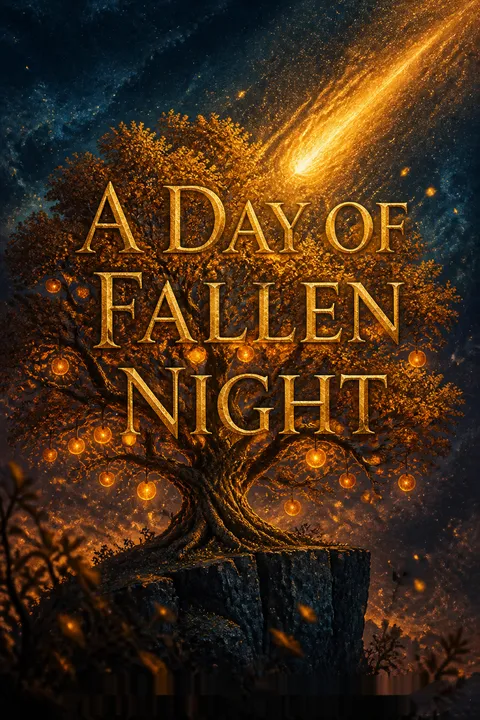
The story opens with three women—Dumai, Glorian, and Tunuva—each born into different corners of a world on the brink of change. Dumai, raised in the high temple of Mount Ipyeda, is the secret daughter of a disgraced noblewoman, Unora, and the Emperor of Seiiki. Glorian, a princess in the West, is the only child of Queen Sabran and King Bardholt, her birth meant to keep a great evil chained. Tunuva, a warrior of the Priory of the Orange Tree, is devoted to a secret order sworn to defend the world from the Nameless One. Each woman's life is shaped by exile, whether from family, power, or the world's memory, and their stories begin to intertwine as omens and old wounds resurface.
Chains and Crowns
Glorian's lineage is both her shield and her shackle. In Inys, the Berethnet queens are revered as the chain that binds the Nameless One, a monstrous wyrm. Glorian's coming of age is marked by political maneuvering, arranged marriages, and the ever-present expectation to produce an heir. Her mother, Sabran, forges alliances through marriage and faith, but the peace is brittle. In Seiiki, Dumai's hidden parentage is revealed, thrusting her into the deadly politics of the imperial court, where the powerful Kuposa clan seeks to control the throne. Both women must navigate the perilous expectations of their bloodlines, as the world's stability rests on their choices.
The Orange Tree's Daughters
Tunuva and Esbar, warriors and lovers in the Priory, raise Siyu, a headstrong girl whose defiance mirrors the growing doubts within the order. The Priory's purpose—to guard against the return of the Nameless One—feels increasingly abstract after centuries of peace. Yet, as Siyu's reckless actions threaten the sanctity of the Priory, Tunuva's memories of loss and longing for her stolen son resurface. The bonds of sisterhood, both chosen and blood, are tested as the Priory faces internal rot and the world outside grows restless.
The Waking Bell
Dumai's journey from obscurity to prominence is catalyzed by the ringing of the Queen Bell, a forbidden act that awakens the sleeping dragons of Seiiki. This act, meant to protect her people, instead exposes her to the machinations of the court and the ambitions of the River Lord and his daughter, Nikeya. As Dumai is recognized as the emperor's daughter, she is thrust into a struggle for succession, forced to choose between her own desires and the fate of her nation. The world's old magics stir, and the balance of fire and water, tradition and change, begins to unravel.
Blood and Bone
The eruption of the Dreadmount signals the return of the Nameless One's kin—wyrms of fire and destruction. Across the world, chaos erupts: cities burn, plagues spread, and alliances fracture. Glorian faces assassination and the collapse of her family, while Dumai and Nikeya are forced into uneasy partnership. Tunuva and Esbar lead the Priory's warriors into open war, their love and leadership tested by loss and the resurgence of ancient enemies. The cost of survival is steep, and the world's heroes are forged in blood and bone.
The Fire Beneath
As the wyrms and their monstrous offspring ravage the world, the protagonists are scattered and battered. Dumai's bond with the dragons deepens, but she is hunted by both human and inhuman foes. Glorian, now queen, must lead her people through famine, plague, and siege, her every action scrutinized by allies and enemies alike. Tunuva's search for her lost son brings her face to face with the Witch of Inysca, whose secrets threaten to upend everything the Priory stands for. The fire beneath the world is no longer contained, and survival demands sacrifice.
Daughters of the Mother
The women's stories converge around themes of motherhood—both literal and symbolic. Glorian's pregnancy becomes a beacon of hope and a political weapon. Dumai's relationship with Nikeya evolves from rivalry to love, offering a vision of partnership beyond the old power structures. Tunuva's reunion with her son, Wulf, is bittersweet, as the truth of his abduction and the Witch's role in it are revealed. The Priory's warriors, now Red Damsels, fight not just for survival, but for the possibility of a world remade.
The Age of Sorrow
The world is plunged into the Age of Sorrow as the wyrms' devastation reaches its peak. Cities fall, millions perish, and the survivors are driven into hiding. Glorian, forced to give birth in a besieged cave, becomes a symbol of resilience. Dumai, mortally wounded, makes a final stand against Taugran the Golden, wielding the power of the comet and the dragons. Tunuva and Esbar, united in love and purpose, lead the Priory in a last, desperate defense of the South. The cost of victory is immense, and the survivors are left to reckon with their losses.
The Lady of Faces
Nikeya, the Lady of Faces, emerges as a pivotal figure—spy, lover, and eventual ruler. Her journey from her father's instrument to Dumai's consort and, finally, to Warlord of Seiiki, is marked by self-discovery and the rejection of old loyalties. The secrets of the Mulberry Queen and the balance of fire and water are revealed, offering a new path forward. Nikeya's love for Dumai, and her willingness to rule for the people rather than for power, signals a new era for Seiiki.
The Gilded Wyrm
The final battles against the wyrms are fought on land, sea, and sky. Dumai, with the help of the dragons and the comet's power, destroys Taugran, ending the Age of Fire. Glorian, in a blood-soaked shift, leads her people in a last stand, her newborn daughter Sabran the hope of a battered realm. Tunuva, wielding the waning jewel, channels the comet's magic to drown Dedalugun, fulfilling the Priory's ancient purpose. The world is forever changed, and the survivors must find meaning in the ashes.
The Comet's Promise
As the comet passes, the wyrms fall into slumber, and the world begins to heal. Glorian, now a true queen, must navigate the treacherous politics of Inys, balancing the demands of faith, tradition, and her own heart. Dumai's sacrifice is honored, and Nikeya rises as a new kind of leader in Seiiki, forging alliances and training a new generation of dragonriders. Tunuva and Esbar, reunited and forgiven, rebuild the Priory and prepare for whatever future may come. The promise of the comet is not peace, but the chance to begin again.
Fallen Night, Rising Dawn
The survivors of the Great Sorrow reckon with the past and look to the future. Wulf, now a knight and father, finds peace in his dual heritage and the love of Thrit. Siyu, once a wayward daughter, becomes a protector of the new queen. Nikeya, haunted by loss, rules with wisdom and compassion. Tunuva, at last, finds closure for her grief and hope for her family. The world is scarred, but the seeds of renewal are sown, and the dawn rises on a new age.
The Waning Jewel
The mystery of the waning jewel, a relic of the comet's magic, is revealed to be both a weapon and a curse. Canthe, the Witch of Inysca, is unmasked as the architect of much suffering, her quest for the jewel driven by guilt and longing. Tunuva's confrontation with Canthe brings closure to decades of pain, but also a warning: the balance of magic is fragile, and the world's wounds may never fully heal. The jewel is hidden, its power a reminder of the dangers of unchecked ambition.
The Witch of Inysca
Canthe's true nature and her role in Wulf's abduction are laid bare. Her centuries-long quest for belonging and atonement ends in exile, her love for Tunuva both her solace and her punishment. The Priory, forever changed by war and revelation, must decide how to honor the past while protecting the future. The Witch of Inysca becomes a legend, a warning, and a symbol of the world's enduring mysteries.
The Last Chain
Glorian, now fully queen, must decide how to wield her power in a world where the old certainties are gone. The truth of the Berethnet legacy is known to a few, but the myth endures. Sabran, the new heir, is both a hope and a burden. Nikeya, as Warlord of Seiiki, forges a new path, training orphans as dragonriders and breaking the cycle of dynastic oppression. The last chain is not a shackle, but a link to a future shaped by choice.
The Price of Survival
As the world rebuilds, the survivors must reckon with the price of survival. The scars of war, loss, and betrayal linger, but so do the bonds of love and the promise of renewal. Tunuva and Esbar, Wulf and Thrit, Glorian and her daughter, Nikeya and the memory of Dumai—all find meaning in endurance. The world is not healed, but it endures, and the seeds of a brighter age are sown in the ashes of the fallen night.
Analysis
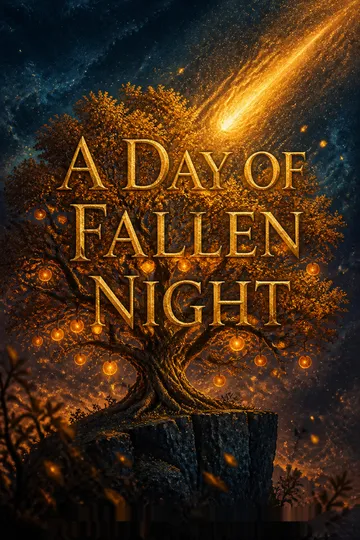
A Day of Fallen Night is a sweeping epic that interrogates the cycles of history, the burdens of legacy, and the possibility of renewal in a world scarred by violence and loss. Through its interwoven narratives, the novel explores the ways in which individuals—especially women—are shaped by, and rebel against, the expectations of family, faith, and society. The protagonists' journeys are marked by exile, sacrifice, and the forging of new bonds, as they struggle to balance duty and desire, tradition and change. The novel's central metaphor—the balance of fire and water, destruction and healing—resonates in both its magic system and its emotional core. The comet's arrival, and the passing of the Age of Fire, offer a hard-won hope: that even in the aftermath of devastation, the seeds of a brighter future can be sown. The novel's ultimate message is one of endurance, forgiveness, and the transformative power of love—romantic, familial, and communal. In a world where survival demands sacrifice, and where the past can never be fully escaped, the characters' choices to build, to love, and to hope are acts of quiet, radical defiance.
Review Summary
A Day of Fallen Night received mostly positive reviews, with readers praising its rich world-building, complex characters, and intricate plot. Many found it even more engaging than its predecessor, The Priory of the Orange Tree. Some critics noted the slow pacing and length as potential drawbacks. The book's exploration of themes like motherhood, grief, and political intrigue was widely appreciated. LGBTQ+ representation was highlighted as a strength. While some found the plot twists predictable, most agreed the epic scope and detailed storytelling made for a compelling read.
People Also Read


Characters
Dumai of Ipyeda
Dumai is the secret daughter of Unora and Emperor Jorodu, raised in isolation on Mount Ipyeda. Her life is shaped by longing—for belonging, for her mother's love, for a place in the world. Dumai's awakening comes when she rings the forbidden Queen Bell, calling the dragons back to Seiiki and setting in motion the events that will define her life. Thrust into the deadly politics of the imperial court, she must navigate betrayal, love, and the burden of destiny. Her bond with Nikeya evolves from rivalry to partnership, and her ultimate sacrifice—wielding the comet's power to destroy Taugran—cements her as a hero who chooses the world over her own happiness. Dumai's journey is one of self-discovery, resilience, and the forging of a new kind of leadership.
Glorian Hraustr Berethnet
Glorian is born into the weight of prophecy and expectation, her very existence meant to keep the Nameless One chained. Her childhood is marked by isolation, political intrigue, and the pressure to produce an heir. As queen, she must navigate assassination attempts, the collapse of her family, and the devastation of her realm. Glorian's psychological arc is defined by her struggle to reconcile duty with desire, and her eventual embrace of agency—choosing her own lover, leading her people in battle, and giving birth in the midst of war. Her relationship with her parents, especially her mother, is fraught with longing and disappointment, but she ultimately forges her own identity as Shieldheart, a queen who endures and inspires.
Tunuva Melim
Tunuva is a pillar of the Priory of the Orange Tree, devoted to its secret purpose and to her chosen family. Her life is haunted by loss—the abduction of her son, the deaths of loved ones, the slow decay of the Priory's purpose. Her relationship with Esbar is a source of strength and vulnerability, and her love for Siyu and Wulf shapes her every choice. Tunuva's arc is one of endurance, forgiveness, and the search for closure. Her confrontation with Canthe, the Witch of Inysca, brings both pain and healing, and her role as tomb keeper and warrior is redefined in the aftermath of war. Tunuva embodies the tension between tradition and change, grief and hope.
Esbar du Apaya uq-Nāra
Esbar is Tunuva's partner and the eventual Prioress of the Orange Tree. Fierce, decisive, and sometimes abrasive, she is both a warrior and a mother, raising Siyu and leading the Priory through its darkest hour. Her relationship with Tunuva is central to her development, as is her struggle to balance duty and love. Esbar's leadership is tested by war, betrayal, and the revelation of old secrets, but she emerges as a figure of strength and compassion. Her willingness to forgive, to adapt, and to fight for her family and her sisters defines her legacy.
Kuposa pa Nikeya (Lady of Faces)
Nikeya is the daughter of the River Lord, raised to be his instrument in the deadly politics of Seiiki. Her identity is shaped by masks—courtier, spy, seductress—but beneath them lies a longing for autonomy and love. Her relationship with Dumai transforms her, leading her to reject her father's ambitions and embrace a new vision for Seiiki. As Dowager Queen and Warlord, Nikeya forges alliances, trains new dragonriders, and breaks the cycle of dynastic oppression. Her psychological journey is one of self-discovery, the rejection of old loyalties, and the embrace of vulnerability.
Wulfert Glenn (Child of the Woods)
Wulf is a foundling, raised by the Glenn family in Inys, haunted by the mystery of his origins and the suspicion of witchcraft. His journey takes him from the haithwood to the courts of Hróth, from the horrors of war to the discovery of his true parentage. Wulf's relationships—with his adoptive family, with Thrit, with Glorian—are marked by loyalty, longing, and the search for acceptance. His survival of the Ashen Sea, his role in saving Sabran, and his eventual reconciliation with Tunuva define his arc as one of endurance, forgiveness, and the forging of a new identity.
Canthe of Nurtha (Witch of Inysca)
Canthe is a centuries-old mage, the Witch of Inysca, whose quest for belonging and atonement drives much of the novel's hidden conflict. Her abduction of Wulf, her manipulation of Tunuva, and her pursuit of the waning jewel are acts born of guilt, longing, and a desperate hope to heal the world. Canthe's psychological complexity lies in her capacity for both love and harm, her inability to escape her own loneliness, and her ultimate exile. She is both a warning and a symbol of the world's enduring mysteries.
Siyu du Tunuva uq-Nāra
Siyu is the headstrong daughter of Esbar and Tunuva, whose defiance and mistakes mirror the world's own growing pains. Her journey from postulant to initiate, from exile to protector, is marked by loss, growth, and the forging of new bonds. Siyu's willingness to learn, to forgive, and to serve as a bridge between the Priory and Inys signals a new era of cooperation and understanding.
Sabran Berethnet VII
Sabran is born in the midst of war, her very existence a symbol of hope and continuity. Though an infant for most of the novel, she represents the possibility of a world remade, free from the burdens of the past. Her survival, protected by Wulf and Siyu, is the novel's final act of faith in the future.
The River Lord (Kuposa pa Fotaja)
The River Lord is the primary antagonist in Seiiki, a master manipulator whose quest for power drives much of the political conflict. His relationship with Nikeya is fraught with control and disappointment, and his ultimate betrayal—offering Suzumai as a sacrifice—marks his descent into madness. He embodies the dangers of unchecked ambition and the fragility of dynastic power.
Plot Devices
Interwoven Narratives and Generational Cycles
The novel employs a braided narrative, following Dumai, Glorian, and Tunuva (and, to a lesser extent, Nikeya and Wulf) as their stories unfold in parallel across continents. Each woman's journey is shaped by the legacies of those who came before—mothers, queens, warriors—and by the expectations of their societies. The cyclical nature of history is reinforced through recurring motifs: the ringing of bells, the awakening of dragons, the forging and breaking of chains, and the return of ancient evils. The narrative structure allows for foreshadowing, dramatic irony, and the gradual revelation of secrets, as the characters' choices ripple across the world.
The Balance of Fire and Water
At the heart of the novel is the concept of balance—between fire and water, tradition and change, duty and desire. The eruption of the Dreadmount and the return of the wyrms signal a world out of balance, and the comet's arrival offers the hope of restoration. Magic is both a gift and a curse, its power shaped by the intentions of those who wield it. Prophecy and dreams guide the characters, but their fulfillment is always fraught with ambiguity and cost.
Masks, Secrets, and Identity
The motif of masks—literal and figurative—runs throughout the novel. Characters hide their true selves behind roles, expectations, and secrets: Dumai as a hidden princess, Nikeya as the Lady of Faces, Wulf as the Child of the Woods. The revelation of these secrets is both a source of conflict and a catalyst for growth. The novel explores the tension between the identities imposed by society and the selves the characters choose to become.
Sacrifice and Survival
Survival in the novel is never free; it demands sacrifice—of love, of power, of self. The characters are repeatedly forced to choose between personal happiness and the greater good, between vengeance and forgiveness, between the past and the future. The endurance of love—romantic, familial, and platonic—is both a source of strength and a vulnerability. The novel's emotional arc is defined by loss, grief, and the stubborn hope that something better can be built from the ashes.
The Comet and the Waning Jewel
The comet, Kwiriki's Lantern, is both a harbinger of doom and a symbol of hope. Its approach is foreshadowed in dreams, prophecies, and the world's growing unrest. The waning jewel, a relic of the comet's magic, becomes a focal point for the struggle between Canthe and the Priory, embodying the dangers and possibilities of forbidden power. The novel's climax is shaped by the convergence of these cosmic forces, offering the promise of renewal at a terrible cost.
The Roots of Chaos Series
About the Author


Download PDF
Download EPUB
.epub digital book format is ideal for reading ebooks on phones, tablets, and e-readers.








































