
Plot Summary
Blood on the Doorstep
The story opens with Torgar, a grizzled mercenary, stumbling home drunk to the Keenan estate in Angelport. The city is tense, rumors of elven unrest in the air. Torgar discovers two guards murdered, their throats slit, and quickly realizes a deadly intruder is inside. He raises the alarm, but the killer—an assassin known as the Wraith—has already left a trail of bodies. Torgar finds the Keenan family's son, Taras, and his wife Julie, butchered, their infant daughter Tori miraculously spared. The killer leaves a symbol: a single open eye, drawn in blood. The massacre is a message, and the city's fragile peace is shattered. The survivors are left with grief, rage, and a vow for vengeance.
The Watcher's Summons
Haern, the infamous Watcher of Veldaren, is drawn into the chaos when Alyssa Gemcroft, a powerful noblewoman, requests his help. The Wraith's bloody calling card—a symbol once used by Haern himself—implicates him in the Angelport murders. Alyssa, seeking justice for her friends, persuades Haern to travel with her and Zusa, her enigmatic bodyguard, to Angelport. Haern is torn between his duty to maintain order in Veldaren and the personal challenge issued by the Wraith. The journey south is fraught with tension, as Haern senses he is being lured into a trap, his reputation and identity weaponized against him.
Shadows Over Angelport
Angelport is a city of uneasy truces and hidden agendas. The Trifect—three powerful families—struggle to maintain control as the Merchant Lords plot in the shadows. The elves, led by ambassador Graeven and the princess Laryssa, arrive for tense negotiations, their presence inflaming old prejudices. Haern, Alyssa, and Zusa must navigate a world of shifting loyalties, posing as newlyweds to avoid suspicion. Meanwhile, the Wraith continues his campaign of terror, targeting both humans and elves, leaving bodies and the bloody eye symbol as warnings. The city's undercurrents of violence and ambition threaten to erupt.
Masks and Motives
Haern and Zusa begin their hunt for the Wraith, sending a message to the city's underworld by killing a group of predatory guards. Their actions, however, are twisted by Lord Ingram, who executes prisoners in retaliation, blaming the Watcher for the bloodshed. The lines between justice and vengeance blur. Alyssa and Zusa uncover the Merchant Lords' secret trade in Violet, a potent drug grown only in elven forests, fueling the city's corruption. The Wraith manipulates events from the shadows, framing Haern and deepening the city's descent into chaos.
The Price of Justice
The city's leaders—Ingram, the Trifect, the Merchant Lords, and the elves—meet in a series of fraught negotiations. Each seeks advantage, but trust is scarce. Haern's attempts to deliver justice are met with brutal reprisals; every act of violence begets more. The elves, provoked by attacks and the murder of their ambassador, demand retribution. Alyssa's efforts to broker peace are undermined by betrayal and the city's appetite for blood. The Watcher is captured and imprisoned, his presence a catalyst for further violence. The cost of justice grows unbearable, and the city teeters on the brink.
The Wraith's Message
The Wraith, revealed as the elven ambassador Graeven, orchestrates a campaign to plunge Angelport into war. He manipulates every faction, using Haern's symbol to frame him for atrocities. Haern, wounded and doubting his own methods, is forced to confront the Wraith in a series of brutal encounters. Zusa, risking everything, rescues Haern from execution, but both are left battered and hunted. The Wraith's philosophy—that only through destruction can the city be cleansed—challenges Haern's belief in redemption. The Watcher must decide whether to become the monster he is accused of being.
Webs of Betrayal
Betrayal becomes the city's currency. Madelyn Keenan, driven by grief and ambition, murders her husband Laurie and frames the Wraith. Torgar, the mercenary captain, uncovers her secret and blackmails her, seizing control of the Keenan fortune. The Merchant Lords, led by Ulrich and Stern Blackwater, plot to seize power, using the chaos to their advantage. The elves, divided between those seeking peace and those hungry for war, launch covert attacks. Alyssa is captured, tortured, and forced to sign away the Trifect's power. Zusa is gravely wounded trying to save her. The city's last bonds of trust are severed.
The Elven Dilemma
The elves, manipulated by Graeven, are drawn into open conflict. Laryssa, the princess, is attacked and nearly killed, further inflaming tensions. The Merchant Lords burn their own ships to prevent elven sabotage, preparing for a final confrontation. Ingram, the city's lord, is betrayed and murdered by his own allies. The city's defenses crumble as the elves and merchants vie for dominance. Haern, Zusa, and Alyssa are forced to flee, their efforts to prevent war seemingly in vain. The city's fate hangs by a thread, and the hope for peace fades.
The Merchant Lords' Gambit
The Merchant Lords, with the help of traitorous nobles, orchestrate a coup. Madelyn's attempt to crush them fails, and she is murdered by Torgar, who claims guardianship of the Keenan fortune. The Merchant Lords, now led by Warrick Sun, consolidate their rule, dissolving the Trifect and offering Alyssa to the elves as a peace offering. Alyssa, tortured and betrayed, is rescued at the last moment by Zusa and Dieredon, the elven scoutmaster. The city is left in the hands of those who value profit over honor, and the old order is swept away.
The Fall of the Trifect
With the Trifect dissolved and the Merchant Lords ascendant, Angelport is transformed. The elves, denied justice, retreat to their forests, nursing their wounds and plotting revenge. Haern, having defeated the Wraith in a final, brutal duel, is left to ponder the cost of his actions. Zusa, miraculously surviving her wounds, and Alyssa, freed but broken, leave the city behind. The survivors are haunted by what they have lost, and the city's future is uncertain. The Watcher's legacy is one of blood, sacrifice, and unanswered questions.
The City Burns
Angelport descends into anarchy as the last restraints are cast aside. Fires rage, bodies litter the streets, and the city's soul is lost to greed and vengeance. Haern, wearing the Wraith's hood as a reminder of what he might become, stalks the night in search of meaning. The city's new rulers are little better than those they replaced, and the promise of peace is a bitter lie. The Watcher's journey ends not in triumph, but in exhaustion and doubt, his faith in justice shaken to its core.
The Wraith Unmasked
The final confrontation between Haern and Graeven—the Wraith—lays bare the truth: both are killers shaped by a world that rewards violence. Graeven's vision of cleansing fire is defeated, but not without cost. Haern, wounded and weary, refuses to become the monster he hunts. Dieredon, the elven scout, helps expose the Wraith's manipulations, but the damage is done. The city is forever changed, and the survivors must live with the consequences of their choices. The Watcher's victory is hollow, a testament to the price of survival in a world without mercy.
The Last Dance
With Angelport in ruins, Haern, Zusa, and Alyssa escape into the wilds. Dieredon ensures Alyssa's safety, and the trio part ways, each bearing scars both physical and emotional. Haern returns to Veldaren, haunted by what he has seen and done. The Trifect, though battered, survives in name, but its power is broken. Zusa and Alyssa find solace in each other, their friendship forged in suffering. The Watcher resumes his vigil, determined to protect his city from the fate that befell Angelport. The cycle of violence may never end, but hope endures in small acts of courage and love.
Ashes and Aftermath
In the aftermath, the survivors reckon with their choices. Torgar, now master of the Keenan fortune, is assassinated by Dieredon, avenging the wrongs done to both elves and men. Haern, reunited with Delysia, confesses his doubts and guilt, questioning whether his actions have made any difference. Delysia's forgiveness offers him a measure of peace, and he resumes his role as the Watcher, vowing to protect Veldaren from the darkness that consumed Angelport. The story ends not with victory, but with the hard-won wisdom that justice is a burden, and redemption a journey without end.
Analysis
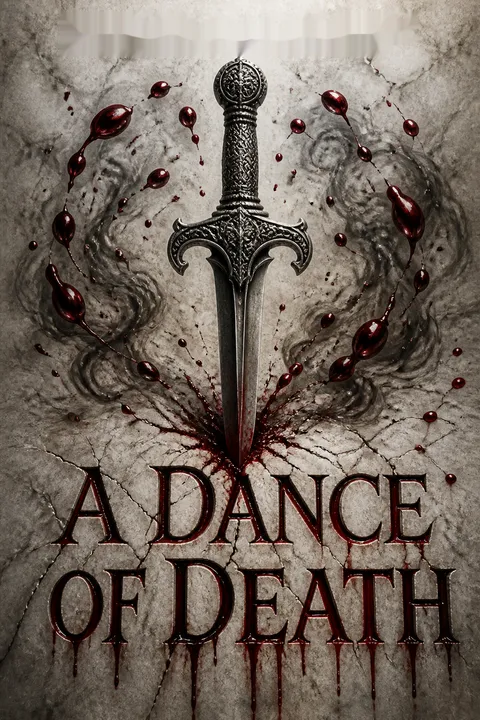
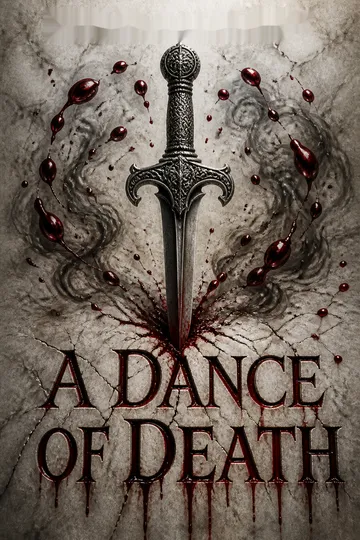
A Dance of Death is a dark, intricate meditation on justice, power, and the corrosive effects of violence. David Dalglish crafts a world where every act of heroism is shadowed by unintended consequences, and every attempt at order is met with chaos. The novel's central question—can one man make a difference in a world determined to destroy itself?—is answered with both hope and resignation. Haern's journey is one of self-confrontation: he is forced to see himself in his enemies, to recognize the thin line between justice and vengeance. The story's relentless pace, shifting perspectives, and moral ambiguity make it a powerful exploration of the costs of survival in a world without mercy. In the end, the lesson is clear: justice is not a destination, but a burden, and redemption is found not in victory, but in the willingness to keep fighting, even when hope seems lost. The novel's relevance to modern readers lies in its refusal to offer easy answers, its insistence that every choice matters, and its recognition that the struggle for meaning and goodness is never truly over.
Review Summary
A Dance of Mirrors receives mostly positive reviews, with readers praising the action sequences, character development, and plot twists. Many appreciate the change in setting and the exploration of Haern's character. Some criticize the lack of continuity with previous books and find the new characters less engaging. Overall, fans of the series enjoy the fast-paced, dark fantasy elements and Dalglish's writing style. However, a few readers find the plot predictable or disconnected from earlier installments.
People Also Read
Characters
Haern (The Watcher)
Haern is the legendary Watcher of Veldaren, a master assassin who has shaped the city's underworld through fear and violence. Scarred by his upbringing as the son of Thren Felhorn, he is driven by a relentless sense of justice, but haunted by the blood on his hands. Haern's journey in Angelport forces him to confront the limits of his methods and the cost of vengeance. He is both hunter and hunted, framed by the Wraith and doubted by those he seeks to protect. His relationships—with Alyssa, Zusa, and Delysia—reveal a man torn between duty and the desire for redemption. By the end, Haern is changed: wiser, more self-aware, and burdened by the knowledge that justice is never simple.
Alyssa Gemcroft
Alyssa is a powerful member of the Trifect, known for her intelligence, resilience, and political acumen. She is both a survivor and a strategist, navigating the treacherous waters of Angelport's politics while seeking justice for her murdered friends. Alyssa's relationship with Haern is complex—she sees him as both weapon and ally, yet comes to respect his moral struggle. Her bond with Zusa is deep, forged in shared danger and mutual respect. Betrayed by those she trusted, tortured, and forced to sign away her power, Alyssa endures with dignity. Her journey is one of survival, sacrifice, and the painful wisdom that comes from loss.
Zusa
Zusa is Alyssa's bodyguard and confidante, a former member of the faceless women—a sect punished for breaking religious taboos. Her body is covered in wrappings, her past marked by suffering and resilience. Zusa is a master of stealth and combat, her loyalty to Alyssa unwavering. Her relationship with Haern evolves from wary respect to deep trust, and she becomes his equal in both battle and emotional strength. Zusa's willingness to risk everything for her friends, even at the cost of her own life, marks her as one of the story's true heroes. Her survival, despite overwhelming odds, is a testament to the power of love and loyalty.
Graeven (The Wraith)
Graeven, the elven ambassador, is revealed as the Wraith—a master manipulator who orchestrates the city's descent into war. Driven by a belief that only destruction can save his people from human encroachment, he frames Haern, incites violence, and betrays every alliance. Graeven is both brilliant and ruthless, his actions rooted in a deep sense of elven pride and existential fear. His confrontations with Haern are as much philosophical as physical, forcing both men to question the nature of justice and the cost of survival. In the end, Graeven's defeat is not just a personal loss, but a tragic commentary on the cycle of violence he sought to escape.
Torgar
Torgar is the gruff, hard-drinking captain of the Keenan guards, a man who thrives in chaos. Initially loyal to Laurie Keenan, he becomes a power broker after Madelyn's betrayal, blackmailing her and seizing control of the Keenan fortune as Tori's godfather. Torgar is pragmatic, ruthless, and surprisingly cunning, using violence and intimidation to secure his position. His actions—murder, betrayal, and manipulation—mirror the city's descent into lawlessness. Ultimately, Torgar's rise is short-lived, as he is assassinated by Dieredon, a final reckoning for his many sins.
Madelyn Keenan
Madelyn is the matriarch of the Keenan family, her life defined by loss and fear. The murder of her son Taras and the threat to her granddaughter Tori drive her to madness. In a desperate bid for control, she murders her husband Laurie and frames the Wraith, setting off a chain of betrayals. Madelyn's actions are both tragic and monstrous, a portrait of a woman destroyed by grief and ambition. Her eventual downfall at Torgar's hands is both justice and irony, as the power she sought slips away.
Dieredon
Dieredon is the legendary elven tracker, sent to hunt Haern for the attack on Laryssa. Unlike many of his kin, Dieredon is pragmatic, experienced in the ways of men, and skeptical of easy answers. His duels with Haern are fierce, but he is ultimately convinced of the Watcher's innocence and helps expose Graeven's manipulations. Dieredon's actions help avert total war, and his final act—avenging the wrongs done to both elves and men—brings a measure of justice to a world starved for it.
Warrick Sun
Warrick is the eldest of the Merchant Lords, a shrewd and ruthless operator who survives the city's upheaval through cunning and adaptability. He orchestrates the dissolution of the Trifect, seizes power, and offers Alyssa to the elves as a peace offering. Warrick's worldview is pragmatic: power is to be seized, and justice is a luxury. His final confrontation with Haern is a reckoning, as the Watcher refuses to become the executioner he is expected to be. Warrick's survival is a bitter reminder that in Angelport, the strong endure, and the innocent suffer.
Lord Ingram Murband
Ingram is the embattled ruler of Angelport, a man whose authority is undermined by cowardice, prejudice, and the machinations of his rivals. His attempts to maintain order—public executions, betrayals, and alliances—only hasten the city's collapse. Ingram's paranoia and brutality make him both victim and villain, and his eventual murder by his own allies is the inevitable result of a life spent sowing distrust. Ingram's fate is a warning: in a world without mercy, even the powerful are not safe.
Laryssa Sinistel
Laryssa is the daughter of the elven king, her presence in Angelport both a diplomatic gesture and a provocation. Her near-fatal attack becomes the catalyst for war, her suffering exploited by Graeven to justify violence. Laryssa is proud, wounded, and ultimately powerless to prevent the tragedy that unfolds. Her story is a reminder of the cost of pride and the dangers of seeing enemies where there might be allies.
Plot Devices
Duality and Mirrors
The narrative structure hinges on the duality between Haern and Graeven—the Watcher and the Wraith. Both are killers shaped by violence, both believe in justice, but their methods and philosophies diverge. The Wraith's use of Haern's symbol, his manipulation of events, and his philosophical challenges force Haern to confront the darkness within himself. This mirroring is reinforced by the city's descent into chaos, as every act of violence is echoed and amplified. The story uses parallel plotlines—Haern's quest for redemption and Graeven's quest for destruction—to explore the limits of justice and the dangers of becoming what one fights.
Framing and False Flags
The Wraith's framing of Haern, the use of the bloody eye symbol, and the manipulation of public perception are central plot devices. Characters are repeatedly forced to question what is true, who is guilty, and whether justice is possible in a world of lies. The framing extends to political machinations: the Merchant Lords' coup, Madelyn's murder of Laurie, and the elves' internal divisions all rely on deception and misdirection. The narrative structure is one of constant reversals, where every victory is tainted and every truth is suspect.
Cycles of Violence
The story is structured around cycles of violence: each act of retribution begets another, and the city spirals into anarchy. Haern's attempts to impose order are met with brutal reprisals; the elves' quest for justice leads to war; the Merchant Lords' ambition destroys the old order. The use of foreshadowing—Haern's fear of becoming a monster, the warnings of the Wraith, the city's simmering tensions—builds a sense of inevitability. The climax, a series of betrayals and duels, is both cathartic and tragic, as the survivors are left to reckon with the ashes.
Moral Ambiguity
The narrative repeatedly subverts expectations of heroism and villainy. Haern is both savior and executioner; Alyssa is both victim and manipulator; Graeven is both visionary and monster. The story's structure—alternating points of view, shifting alliances, and unreliable narrators—forces the reader to question every motive and outcome. The use of internal monologue, especially Haern's, deepens the psychological complexity, making the story as much about self-discovery as external conflict.
Shadowdance Series
About the Author
Other books by David Dalglish
Download PDF
Download EPUB
.epub digital book format is ideal for reading ebooks on phones, tablets, and e-readers.








































