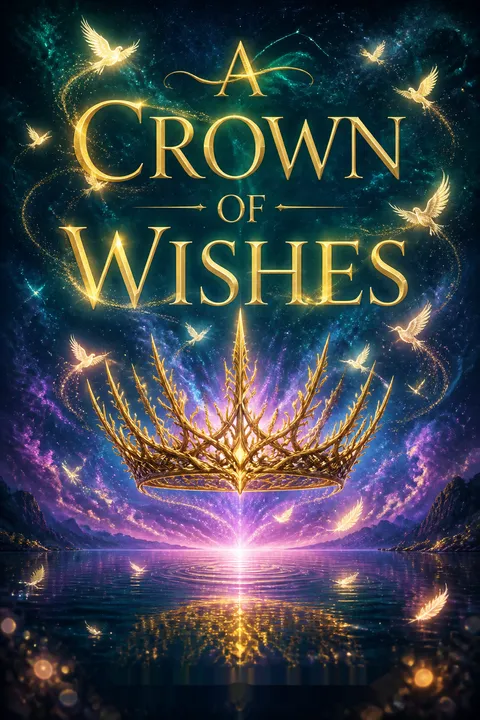

Summary Temporarily Unavailable
This summary is temporarily unavailable and is currently being updated. You can still explore the FAQs and other metadata below.
Plot Summary
Invitation to the Impossible
In the ashram, Prince Vikram receives a mysterious invitation to the Tournament of Wishes, a legendary contest promising the winner their heart's desire. The invitation, delivered by a trickster sage and his jewel-spitting mongoose, is both a challenge and a hope for Vikram, who yearns for true power in a kingdom that sees him as a puppet. The invitation requires a partner, and Vikram is told to seek someone who "glows, with blood on the lips and fangs in the heart." The promise of magic and the possibility of changing his fate ignite a long-dormant hope, setting him on a path that will test his cunning, courage, and the very nature of his desires.
Prisoner Princess, Fox Prince
Princess Gauri, betrayed and imprisoned by her brother Skanda, faces execution in Ujijain. She is a warrior, but now must rely on her wits and memories of home to survive. When she is brought before Vikram, the so-called Fox Prince, both see each other as tools for escape. Gauri's reputation as a monster and Vikram's as a clever but powerless prince collide in a tense, witty confrontation. Each hides pain and ambition behind bravado. Their meeting is a clash of sharp minds and sharper wounds, and the first step toward an uneasy alliance that will force them to trust, betray, and ultimately transform each other.
Bargains and Betrayals
Vikram offers Gauri a deal: join him as his partner in the Tournament of Wishes, and she may win back her throne. Gauri, skeptical of magic and men, plans to use Vikram for her own ends. Their escape from Ujijain is fraught with mistrust, failed assassination attempts, and reluctant admiration. Both are haunted by betrayals—Gauri by her brother and best friend, Vikram by the council that denies him legitimacy. As they journey toward the magical city of Alaka, their banter masks a growing respect and a shared hunger for more than survival: for agency, for justice, for a place to belong.
Escape into Enchantment
Their path leads through the Chakara Forest, a place of legend and loss. Gauri's memories of her vanished sister Maya and the pain of exile sharpen her resolve. When a golden apple falls into their hands, they are captured by vanaras—magical monkey warriors—who accuse Vikram of theft and drag them into the Night Bazaar, a realm where dreams and nightmares are traded. The Otherworld is dazzling and dangerous, filled with temptations and threats. Here, the rules of reality bend, and both Gauri and Vikram must confront the limits of their skepticism and the lure of magic.
The Vanara's Judgment
Imprisoned by the vanaras, Gauri and Vikram face a trial for a crime they did not commit. Their only hope lies in outsmarting their captors and surviving the Otherworld's perils. Gauri is tempted by a demon fruit that promises monstrous power but risks her humanity. A vetala—a corpse-dwelling spirit—offers cryptic advice and a bargain for freedom. The choice to eat the fruit becomes a test of Gauri's will: can she wield power without losing herself? The escape that follows is a wild, desperate flight through magic and memory, forging a bond between the two that is both fragile and fierce.
Night Bazaar of Desires
The Night Bazaar is a place where desires are currency and nothing is as it seems. Gauri and Vikram witness the vishakanyas—poisonous courtesans who feed on longing—and glimpse the cost of unchecked want. The bazaar's wonders and horrors force them to confront their own desires and fears. Gauri's longing for home and Vikram's hunger for recognition are mirrored in the bazaar's wares. Their journey through this realm is a dance with temptation, a lesson in the poison of unchecked longing, and a prelude to the greater trials that await in Alaka.
Demon Fruit and Dilemmas
In the vanara kingdom, Gauri's hunger for the demon fruit becomes unbearable. The fruit offers strength but threatens to consume her humanity. The vetala's stories of vengeance and curses echo Gauri's own struggle: how much of herself is she willing to lose for power? When the vanaras come to execute them, Gauri eats the fruit, transforming into a beast. Vikram must trust her monstrous form to escape. Their flight is both literal and metaphorical—a leap into the unknown, a test of trust, and a reckoning with the darkness within.
Through Grotto of Memories
To reach Alaka, they must cross the Grotto of the Undead, a place where memories become traps. Gauri and Vikram are each confronted by visions of their deepest regrets and losses—Gauri by her betrayals and failures, Vikram by the death of his mother and his own sense of inadequacy. The only way forward is through: they must face, not flee, their pain. The journey strips them bare, forging a deeper understanding and empathy between them. Survival demands not just strength, but the courage to forgive themselves.
Crossing the Crossroads
At the Crossroads, Gauri and Vikram are presented with a dizzying array of doors, each promising a different fate. The path to Alaka requires not cunning, but faith—in themselves, in each other, and in the possibility of hope. Their partnership, once built on convenience and suspicion, becomes a true alliance. Together, they solve the riddle, choosing the path of trust over fear. The crossing is a symbolic rebirth, shedding old identities and stepping into the unknown as equals, ready to face the Tournament and whatever sacrifices it demands.
Alaka: City of Wishes
Alaka is a realm of impossible beauty and peril, ruled by the enigmatic Lord Kubera and his consort Kauveri. Here, every guest is a contestant, and every desire is a potential trap. Gauri and Vikram must navigate a labyrinth of magical courts, seductive temptations, and deadly rivals. The city's splendor is matched only by its cruelty: only one of them may leave with a wish, and the cost of failure is oblivion or worse. Their growing feelings for each other are both a strength and a vulnerability, as love becomes another kind of risk.
The Tournament Begins
The Tournament of Wishes is not a contest of strength, but of story, sacrifice, and self-knowledge. Gauri and Vikram face challenges that force them to confront their deepest truths and fears. They must outwit poisonous courtesans, solve riddles, and resist the seductions of power. Each trial is a test of character: can they hold on to themselves and each other, or will ambition and desire tear them apart? The city's magic is both a mirror and a crucible, revealing who they are and what they are willing to become.
Poisoned Courtesans' Tent
Disguised as vishakanyas, Gauri and Vikram infiltrate the tent of the poisonous courtesans to retrieve a key to immortality. The tent is a hall of mirrors, reflecting their desires and fears. Gauri is forced to confront the cost of her longing for home and vengeance, while Vikram faces the limits of his cleverness. Their escape is aided by Aasha, a vishakanya who yearns for a different life. The alliance with Aasha is uneasy but vital, as she becomes both a guide and a symbol of the possibility of change.
The Serpent King's Riddle
To secure an exit from Alaka, Gauri and Vikram must obtain the venom of the Serpent King, a being both feared and misunderstood. The trial is not one of combat, but of discernment: can they see past stories and prejudices to the truth? Their choice has consequences for others, and the guilt of their actions haunts them. The encounter with the Serpent King and his consort is a lesson in the complexity of love, power, and the stories we tell about ourselves and others.
Trials of Fear and Desire
The final trials of the Tournament force Gauri and Vikram to face their greatest fears and desires. Gauri must eat her own fears to save Vikram, while Vikram is rendered voiceless and powerless before his deepest insecurities. Their survival depends on their willingness to be vulnerable, to trust, and to let go of control. The cost of victory is real: Gauri loses her sword hand, a symbol of her identity, and both are changed by what they have endured. The Tournament is revealed as a crucible for stories, not just wishes.
Sacrifice and Storytelling
Kubera demands a sacrifice from each champion, but the real sacrifice is not flesh, but the illusions of control, certainty, and self-sufficiency. Gauri and Vikram learn that the stories they tell—about themselves, about power, about love—are the true keys to immortality. The Tournament's end is not a simple victory, but a transformation. Each must decide what they truly wish for, and what they are willing to let go. The power of story, and the courage to choose one's own, becomes the ultimate treasure.
The Parade of Fables
The defeated contestants are sent home, their stories transformed into magical birds that join Kubera's collection. The winners are celebrated, but the cost of their wishes is made clear. The Nameless, vengeful spirits, attack, and Vikram is gravely wounded. Gauri is offered a choice by her lost sister Maya: to forget her pain or return and face the consequences. The Parade of Fables is both a celebration and a caution, a reminder that every wish, every story, leaves a mark on the world and the self.
Homecoming and Reckoning
Gauri returns to Bharata, armed with magic, wisdom, and a new sense of self. She confronts her brother Skanda, exposes his treachery, and claims her throne—not through violence, but through truth and the loyalty of those she once feared she had lost. The cost of power is made clear: relationships are tested, and the past cannot be undone. Gauri's journey is not just a return home, but a reckoning with who she has become and what kind of queen she will be.
A New Legend Begins
Vikram, now Emperor, and Gauri, Queen, are changed by their journey. Their love, forged in adversity, is both a comfort and a challenge. They must learn to trust, to communicate, and to let go of old wounds. The story ends not with a wish granted, but with the promise of new stories to be written—together and apart. The magic of Alaka lingers, not as a power to be wielded, but as a reminder that the greatest treasures are the stories we choose to live and share.
Analysis
A Crown of Wishes is a lush, inventive reimagining of the quest fantasy, blending Indian mythology with universal themes of power, agency, and the redemptive force of story. At its heart, the novel is about the courage to choose one's own narrative in the face of trauma, betrayal, and the seductive allure of easy answers. Gauri and Vikram's journey is both epic and intimate: their battles with monsters and magic mirror their internal struggles with guilt, fear, and the longing to be seen and loved. The Tournament of Wishes, with its shifting rules and impossible trials, becomes a metaphor for life itself—unpredictable, demanding, and ultimately shaped by the stories we dare to tell. The novel warns against the poison of unchecked desire and the dangers of letting pain define us, but it also celebrates the possibility of transformation, forgiveness, and new beginnings. In a world where magic is both a blessing and a curse, the greatest power is not in wishes granted, but in the bravery to live, love, and rewrite one's own legend.
Last updated:
Report IssueReview Summary
A Crown of Wishes receives an overall rating of 4.1 out of 5 stars from readers. Reviewers praise the stunning prose, intricate world-building based on Hindu mythology, and the dynamic chemistry between protagonists Gauri and Vikram. Many consider it superior to its predecessor, The Star-Touched Queen, citing improved character development and a more engaging plot centered around a magical tournament. The enemies-to-lovers romance and witty banter particularly resonate with readers. Some criticisms include occasionally confusing world-building and overly flowery writing. The book stands well as a companion novel, accessible without reading the first installment.
People Also Read

Characters
Gauri
Gauri is the exiled princess of Bharata, known as the Jewel of Bharata for her beauty and ferocity. Trained as a soldier, she is shaped by betrayal—her brother Skanda's cruelty, her best friend's perceived treachery, and the loss of her sister Maya. Gauri's psyche is a battleground of guilt, anger, and longing for home. She is fiercely protective, slow to trust, and terrified of losing control. Her journey is one of learning to balance strength with vulnerability, vengeance with mercy, and to accept love without seeing it as weakness. By the end, she claims her throne not through violence, but through truth and the courage to rewrite her own story.
Vikram
The Fox Prince of Ujijain, Vikram is brilliant, witty, and underestimated. Adopted by the Emperor, he is denied true power by the council, who see him as a puppet. Vikram's intelligence is both his armor and his prison; he longs to be seen for who he is, not what he represents. His partnership with Gauri challenges his cynicism and forces him to confront his own fears of inadequacy and loss. Through the Tournament, Vikram learns that true power comes not from titles, but from self-knowledge, empathy, and the willingness to risk his heart.
Aasha
Aasha is a vishakanya, a woman whose touch is deadly and who feeds on desire. Unlike her sisters, she yearns for a life beyond poison and seduction—a life of choice, curiosity, and connection. Her alliance with Gauri and Vikram is born of mutual need, but grows into genuine friendship. Aasha's struggle is one of identity: can she honor her heritage while forging a new path? Her wish, ultimately, is for control over her own nature—a metaphor for agency and self-acceptance.
Skanda
Skanda is Gauri's older brother and the usurper king of Bharata. Paranoid, cunning, and ruthless, he wields power through fear, lies, and emotional manipulation. Skanda's relationship with Gauri is a twisted dance of control and cruelty, teaching her that caring is a liability. His downfall comes not through violence, but through exposure and the loss of loyalty. Psychologically, Skanda embodies the dangers of unchecked ambition and the corrosive effects of power without empathy.
Nalini
Nalini is Gauri's best friend and, for much of the story, a pawn in Skanda's schemes. Her relationship with Gauri is a source of both strength and guilt, as Gauri's choices often endanger her. Nalini's forgiveness and resilience are crucial to Gauri's redemption. She represents the possibility of healing and the importance of honest communication in relationships.
Arjun
Once Gauri's closest confidant and a leader of her rebellion, Arjun's apparent betrayal is a wound that shapes Gauri's journey. His actions are driven by love for Nalini and a desire to protect, but also by fear and manipulation. Arjun's arc is one of regret and reconciliation, highlighting the complexities of loyalty and the cost of silence.
Lord Kubera
The Lord of Wealth and Treasures, Kubera is the enigmatic ruler of Alaka and the architect of the Tournament. He delights in games, riddles, and the collection of stories. Kubera's motivations are both inscrutable and deeply human: he seeks immortality not through power, but through the tales that outlast him. He is both a guide and a test, forcing contestants to confront the truth that every wish has a price, and every story a consequence.
Lady Kauveri
Kubera's consort, Kauveri is both nurturing and formidable. She represents the possibility of forgiveness, the complexity of love, and the wisdom to know when to let go. Her interactions with Gauri and Vikram are tests of character, offering both guidance and challenge. Kauveri's own story—her estrangement from her sister and the Serpent King—mirrors the novel's themes of trust, reconciliation, and the limits of control.
The Nameless
The Nameless are former vishakanyas who traded their names for vengeance and immortality. They are both antagonists and warnings: consumed by their quest for retribution, they lose their identities and humanity. Their attacks on Gauri and Vikram force the protagonists to confront the dangers of letting pain define one's story.
Maya
Maya, Gauri's vanished sister, is both a literal and symbolic presence. Her disappearance haunts Gauri, shaping her fears and hopes. In a moment of crisis, Maya offers Gauri a choice: to forget pain or to return and be brave. Maya's role is that of the muse, the reminder that stories—like love and loss—are what make us human.
Plot Devices
The Tournament of Wishes
The Tournament is the central narrative structure, blending quest, riddle, and psychological trial. It is both literal—a series of magical challenges—and metaphorical, forcing characters to confront their desires, fears, and the stories they tell about themselves. The Tournament's rules are fluid, its outcomes unpredictable, and its true purpose is revealed to be the forging of stories, not just the granting of wishes. The device allows for episodic adventures, deep character development, and the exploration of themes like agency, sacrifice, and the power of narrative.
Dual Protagonist Structure
The novel alternates between Gauri and Vikram's points of view, allowing readers to experience events through contrasting lenses. This structure deepens the emotional arc, highlights misunderstandings and growth, and creates dramatic irony. The dual narrative also mirrors the story's central partnership, emphasizing the necessity of trust, communication, and mutual transformation.
Magical Realism and Symbolism
The Otherworld, its denizens, and its magic are not just backdrops, but active agents in the characters' journeys. Magical elements—demon fruit, vishakanyas, enchanted cities—are used to externalize psychological conflicts: the hunger for power, the poison of desire, the weight of memory. Symbolic objects (the ruby invitation, the glass hand, the story birds) serve as touchstones for character growth and thematic resonance.
Foreshadowing and Repetition
The story is rich in foreshadowing: early warnings about the poison of desire, the cost of wishes, and the dangers of unchecked ambition recur throughout. Repeated motifs—mirrors, stories, scars—create a sense of inevitability and interconnectedness, guiding both characters and readers toward the novel's revelations.
Storytelling as Power
The novel is deeply self-aware, with characters and gods alike recognizing that stories are the true currency of immortality. The Parade of Fables literalizes this, as the losers' stories become magical birds. The act of telling, retelling, and choosing one's story is both a plot device and a thematic core, blurring the line between fiction and reality.
The Star-Touched Queen Series

About the Author
Roshani Chokshi is an award-winning, bestselling author known for incorporating world mythology and folklore into her novels. Her works include The Star-Touched Queen series, The Gilded Wolves, and Aru Shah and The End of Time, which Time Magazine recognized among the Top 100 Fantasy Books of All Time. Her adult debut, The Last Tale of The Flower Bride, became a #1 Sunday Times bestseller. Chokshi's books have been translated into over two dozen languages. She serves on the National Leadership Board for the Michael C. Carlos Museum and resides in Georgia with her husband and cat.

Download PDF
Download EPUB
.epub digital book format is ideal for reading ebooks on phones, tablets, and e-readers.








































