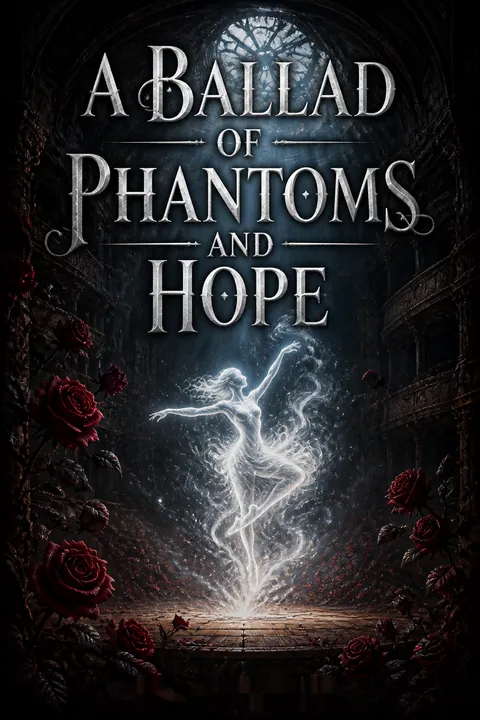

Plot Summary
Rain, Roses, and Regrets
The story opens in a rain-soaked Boston, where Lanston, newly dead, is left alone after his friends Wynn and Liam vanish into the afterlife. He is haunted by memories of abuse, failed attempts at love, and the relentless ache of depression. The coldness of death is only slightly eased by the warmth of memories and the tokens left at his grave. Lanston's reflections reveal a life marked by trauma and a death that brings no easy answers—only more questions about why he remains, what unfinished business binds him, and whether hope is possible for a soul so battered. The emotional weight is palpable, setting the tone for a journey through grief, regret, and the search for meaning beyond the grave.
Ghosts of Harlow Sanctum
Lanston finds himself among other phantoms at Harlow Sanctum, a purgatorial echo of the mental institution where he died. Here, ghosts linger, unable to move on, each haunted by their own unfinished business. Jericho, the counselor, encourages Lanston to seek what's keeping him tethered. The camaraderie among the dead is bittersweet—shared suffering offers comfort, but also underscores the pain of being unable to let go. The ghosts' routines, their attempts at joy, and their morbid humor all mask deeper wounds. Harlow is both a haven and a prison, a place where the dead try to heal, but also where their traumas are replayed in endless cycles.
The Phantom Dancer
During a rare outing to a city performance, Lanston is captivated by Ophelia, a phantom who dances among the living, her movements a haunting blend of sorrow and beauty. Her presence is electric, stirring something in Lanston that he thought long dead. The other phantoms reveal that Ophelia's annual performance is a beacon for their kind—a fleeting glimpse of hope in the darkness. Lanston's fascination with her is immediate and profound, igniting a longing for connection and understanding. Ophelia, however, is guarded, her tragic aura both alluring and intimidating. Their brief encounter leaves Lanston desperate to know her story and to find out if she holds the key to his own release.
Bridges and Broken Promises
Lanston's pursuit of Ophelia leads him to a bridge, a place heavy with symbolism and personal history. Here, Ophelia tests him, leaping into the river below—a ritual she repeats, perhaps hoping for release or simply to feel something. Lanston follows, and in the shared plunge, a bond forms. Their conversation on the riverbank is raw and vulnerable, both admitting to being murdered, both carrying wounds that refuse to heal. Ophelia's warmth is a mystery, her defenses high, but Lanston's persistence begins to chip away at her walls. The bridge becomes a threshold, not just between life and death, but between isolation and the possibility of intimacy.
Warmth in the Afterlife
Ophelia invites Lanston into her world—a derelict opera house filled with plants and memories. Over coffee and confessions, they share stories of abuse, mental illness, and the struggle to find meaning in suffering. Their connection deepens as they reveal their scars, both literal and metaphorical. Lanston's hopeless romanticism meets Ophelia's cynicism, and together they begin to imagine a different kind of afterlife—one where healing might be possible. The warmth they find in each other is a stark contrast to the coldness of death, suggesting that even in the darkest places, love can take root.
Letters, Drawings, and Darkness
Lanston and Ophelia exchange tokens of their inner worlds—his drawings, her letters. Through these, they communicate what words cannot: the depth of their pain, the complexity of their desires, and the hope that still flickers within them. The act of sharing art becomes a form of therapy, a way to process trauma and to reach for understanding. Yet, the darkness is never far; Ophelia is pursued by "Those Who Whisper," manifestations of her deepest fears and self-loathing. Together, they confront these shadows, learning that the only way out is through honesty and mutual support.
Bucket Lists and Beginnings
Inspired by Ophelia's theory, Lanston creates a bucket list of things he never did in life. This list becomes their shared mission—a way to give purpose to their wandering and to test whether fulfillment can bring peace. Their adventures are both literal and metaphorical: riding trains, visiting Paris, dancing in grand halls, and saving stray plants. Each item crossed off is a small victory against despair, a step toward self-acceptance. The bucket list is not just about experiences, but about reclaiming agency and rewriting the narrative of their lives—and deaths.
Haunted by the Living
As Lanston and Ophelia travel, they are haunted not just by their own regrets, but by the living who remember—or forget—them. Visits to graves, encounters with old friends, and the realization that life moves on without them all force the phantoms to confront their own insignificance and the limits of their influence. The pain of being forgotten is acute, but so is the realization that memory is a form of love, and that to be remembered, even imperfectly, is a kind of immortality. The living and the dead are bound by threads of grief, guilt, and longing.
The Music Room Mystery
Back at Harlow, Lanston and Ophelia investigate rumors of a haunting in the music room. They discover Charlie, a phantom unable to move on until he finds a lost photograph of his beloved. Helping Charlie becomes a metaphor for their own struggles—sometimes, peace requires confronting the past and letting go of what cannot be recovered. The search for the photo leads them through memories, regrets, and the realization that closure is often elusive. When Charlie finally passes on, it is both a triumph and a reminder of the fragility of hope.
Chasing Shadows, Finding Light
Ophelia's fear of Those Who Whisper intensifies, threatening to consume her and endanger Lanston. Their journey becomes a race against the darkness, both literal and psychological. As they travel—by train, by yacht, through cities and countrysides—they are forced to confront the roots of their pain: abusive families, lost loves, and the lies they've internalized. The world is both beautiful and terrifying, and the only way to survive is to face the shadows together. In moments of crisis, their love becomes a beacon, illuminating the path forward.
Confessions in the Dark
Through letters and late-night conversations, Lanston and Ophelia reveal the deepest wounds of their lives. Ophelia confesses that her death was by suicide, driven by years of abuse and the belief that she was unworthy of love or redemption. Lanston shares the pain of never receiving the apology or acceptance he craved from his father. These confessions are met not with judgment, but with compassion and understanding. Together, they begin to rewrite the stories they've been told about themselves, choosing forgiveness and self-love over shame and despair.
Lost and Found in Love
When Ophelia, fearing for Lanston's safety, flees into the darkness, both are plunged into despair. Lanston's search for her is frantic and all-consuming, mirroring the desperation of the living to find meaning after loss. Ophelia, trapped in a self-made purgatory, is rescued by friends who remind her that love is stronger than fear. Their eventual reunion is cathartic—a testament to the power of persistence, vulnerability, and the willingness to be found. Together, they resolve to face whatever comes next, hand in hand.
The Art of Survival
Art and storytelling become central to Lanston and Ophelia's survival. Drawing, dancing, and writing letters are not just hobbies, but lifelines—ways to process trauma, express longing, and build bridges between souls. Their creative acts are both personal and communal, offering hope to other phantoms and to the living who stumble upon their traces. The opera house, once a place of loneliness, becomes a sanctuary of memory and possibility. Through art, they assert their existence and their right to be seen, even in death.
Running from Whispers
The final confrontation with Those Who Whisper is both literal and symbolic. Ophelia realizes that the darkness chasing her is not an external force, but the internalized voices of her abusers and the shame of her illness. With Lanston's support, she confronts these voices, rejecting their lies and embracing her own worth. The act of standing up to the whispers is an act of liberation, freeing both herself and Lanston to move forward. The darkness dissipates, replaced by the light of self-acceptance and mutual love.
Letters from the Abyss
As the end approaches, Lanston and Ophelia return to the places that shaped them—Harlow, the opera house, the graves of loved ones. They leave behind letters, drawings, and tokens for those who come after, hoping to offer comfort and understanding. Lanston finally receives a gesture of reconciliation from his father, and Ophelia forgives herself for the circumstances of her death. Their journey is one of closure, not in the sense of forgetting, but in the willingness to let go of what cannot be changed and to cherish what remains.
The Last Goodbye
With their bucket list nearly complete, Lanston and Ophelia prepare to move on. They visit Paris, dance in the Palais Garnier, and save a stray plant—each act a celebration of life, love, and the possibility of redemption. Their final moments are filled with laughter, tears, and the knowledge that they have done all they could to heal themselves and each other. The afterlife is not an escape, but a continuation—a chance to carry hope into whatever comes next.
Dancing in the Dawn
As they fade from the world, Lanston and Ophelia's love becomes a legend—a ballad of phantoms and hope. Their laughter and art linger in the places they touched, offering solace to the living and the dead alike. The opera house, once a place of sorrow, is now filled with thriving plants and memories of joy. Their story is discovered by those they left behind, a testament to the enduring power of connection, creativity, and the refusal to be defined by pain. In the end, they dance together, suspended in time, lighting the way for all who stray.
Hope Among the Ruins
The epilogue shifts to Wynn, who visits the opera house with her family. She finds the traces of Lanston and Ophelia's journey—plants, drawings, and a sense of peace that permeates the space. Their story has become a source of comfort and inspiration, a reminder that even the most broken souls can find hope and leave a mark on the world. The ballad of phantoms and hope continues, echoing through the lives of those who remain, and offering a promise that healing is possible, even in the ruins.
Analysis
A Ballad of Phantoms and Hope is a profound meditation on trauma, mental illness, and the redemptive power of love and creativity. Through the intertwined journeys of Lanston and Ophelia, the novel explores the ways in which pain can become both a prison and a catalyst for transformation. The afterlife setting serves as a metaphor for the liminal spaces we inhabit when grappling with grief, regret, and the search for meaning. The story refuses easy answers or tidy resolutions; instead, it honors the complexity of healing, the persistence of memory, and the courage required to confront one's demons. By centering the experiences of characters who are often marginalized—those struggling with depression, abuse, and suicidal ideation—the novel offers both representation and hope, insisting that even the most broken souls are worthy of love and capable of finding peace. The use of art, letters, and performance as vehicles for healing underscores the importance of creative expression in the journey toward self-acceptance. Ultimately, the book is a testament to the enduring power of connection, the necessity of vulnerability, and the possibility of redemption, even in the darkest of places.
Review Summary
People Also Read





Characters
Lanston Nevers
Lanston is the emotional core of the story—a sensitive, creative soul scarred by childhood abuse, mental illness, and the trauma of dying young. His relationships are marked by longing and self-sacrifice, especially for his friends Wynn and Liam, whom he saved at the cost of his own life. In death, Lanston is both a seeker and a skeptic, desperate to understand why he remains and what unfinished business binds him. His journey is one of self-discovery, moving from self-blame and despair to acceptance and hope. Through art, love, and vulnerability, he learns to forgive himself and others, ultimately finding peace not in escape, but in connection. His relationship with Ophelia is transformative, allowing him to experience love that is both healing and redemptive.
Ophelia Rosin
Ophelia is a phantom defined by both her beauty and her pain. A gifted dancer, she uses performance as a way to express the sorrow and hope that words cannot contain. Her life was marked by abuse, betrayal, and untreated mental illness, culminating in her suicide—a fact she hides out of shame and fear of damnation. Ophelia's defenses are formidable, but beneath them lies a desperate need for love and understanding. Her relationship with Lanston is a lifeline, offering her the chance to confront her fears, forgive herself, and imagine a future beyond suffering. Through their shared journey, she learns that her worth is not defined by her wounds, and that hope is possible even for the most broken souls.
Jericho
Jericho is the steady presence at Harlow Sanctum, a counselor in life and in death. He provides wisdom, humor, and tough love to the phantoms, encouraging them to confront their unfinished business and seek peace. For Lanston, Jericho is both a mentor and a surrogate father, offering the acceptance and guidance he never received from his own family. Jericho's own unfinished business is revealed to be love and the desire to help others heal. His eventual decision to move on is both a loss and a triumph, symbolizing the possibility of closure and the importance of letting go.
Yelina
Yelina is a phantom marked by both tragedy and strength. A victim of the Harlow fire, she carries the scars of her death but refuses to be defined by them. Her friendship with Lanston, Poppie, and Jericho is a source of comfort and stability, and her budding romance with Jericho adds depth to her character. Yelina is both supportive and blunt, unafraid to challenge her friends when they retreat into despair. Her journey is one of learning to trust, to love, and to believe in the possibility of happiness after trauma.
Poppie
Poppie is the heart of the Harlow group—a kind, nurturing presence who struggles with feelings of not belonging. Her journey takes her from the safety of the group to a solo quest for her roots in Rome, symbolizing the universal search for identity and home. Poppie's departure is bittersweet, highlighting the necessity of growth and the pain of separation. Her story underscores the theme that healing often requires both community and the courage to strike out alone.
Charlie
Charlie is a phantom trapped by a single unresolved desire: to see a photograph of his beloved Lucie. His inability to move on until this wish is fulfilled serves as a metaphor for the power of memory and the importance of closure. Charlie's story is a reminder that sometimes, the smallest things can bind us to the past, and that peace often requires the help of others. His passing is both a victory and a lesson for the other phantoms.
Wynn
Wynn is Lanston's friend and the living embodiment of hope and survival. Her visits to Lanston's grave, her grief, and her eventual healing provide a bridge between the world of the living and the dead. Wynn's presence in the epilogue underscores the enduring impact of those we've lost and the ways in which memory and love persist beyond death. She is both a mourner and a witness, carrying forward the legacy of those who came before.
Liam
Liam, another of Lanston's friends, represents the bonds of chosen family and the sacrifices made for love. His relationship with Wynn and Lanston is central to the emotional arc of the story, and his survival is both a blessing and a source of guilt for Lanston. Liam's presence in the epilogue is a testament to the ways in which the dead continue to shape the lives of the living.
Ophelia's Family
Ophelia's parents and stepmother are the source of much of her pain, their abuse and neglect leaving deep scars that persist into death. They are both literal and symbolic antagonists, representing the voices of shame, self-loathing, and fear that haunt Ophelia. Their presence as "Those Who Whisper" is a powerful depiction of the ways in which trauma can become internalized, shaping identity and self-worth long after the original harm has passed.
Lanston's Father
Lanston's father is a figure of cruelty and disappointment, his inability to love or accept his son driving much of Lanston's suffering. In the end, his silent gesture of leaving art supplies at Lanston's grave is a form of belated reconciliation—a recognition of the harm done and a small attempt at amends. His character arc is a reminder that forgiveness is complex, and that closure often comes not from others, but from within.
Plot Devices
Dual Narration and Epistolary Elements
The novel employs a dual narrative structure, alternating between Lanston and Ophelia's points of view. This allows readers to experience the story from both sides of the central romance, deepening empathy and highlighting the ways in which trauma, love, and hope are experienced differently by each character. The inclusion of letters, drawings, and other epistolary elements serves as both a plot device and a thematic motif, emphasizing the importance of communication, confession, and creative expression in the healing process.
Unfinished Business and the Bucket List
The concept of unfinished business is central to the narrative, with each phantom tethered to the world by unresolved desires, regrets, or traumas. The bucket list becomes a literal and metaphorical roadmap for Lanston and Ophelia, guiding their journey and providing structure to their search for peace. Each item on the list represents a step toward self-acceptance and the possibility of moving on, while also serving as a catalyst for character development and relationship growth.
Manifestations of Trauma
The "Those Who Whisper" are a powerful plot device, embodying the internalized voices of shame, fear, and self-loathing that haunt Ophelia. Their presence externalizes the psychological battles faced by trauma survivors, making the abstract concrete and allowing for a climactic confrontation that is both literal and symbolic. The defeat of these whispers is a turning point, marking the triumph of self-love and mutual support over the legacy of abuse.
Art and Performance as Healing
Art—whether in the form of drawing, dancing, or writing—is both a coping mechanism and a means of communication for the characters. Creative expression allows Lanston and Ophelia to process their pain, share their stories, and build bridges between themselves and others. The recurring motif of performance (on stage, in letters, through art) underscores the idea that healing is both a personal and communal act, requiring vulnerability, courage, and the willingness to be seen.
Foreshadowing and Symbolism
The novel is rich in foreshadowing and symbolism: bridges represent thresholds and choices; roses and plants symbolize growth, memory, and the possibility of renewal; the opera house is both a place of sorrow and transformation. The recurring use of music, weather, and physical tokens (hats, letters, drawings) weaves a tapestry of meaning that rewards attentive readers and deepens the emotional impact of the story.
About the Author


Download PDF
Download EPUB
.epub digital book format is ideal for reading ebooks on phones, tablets, and e-readers.








































