
Plot Summary
Dead Woman in the Railway
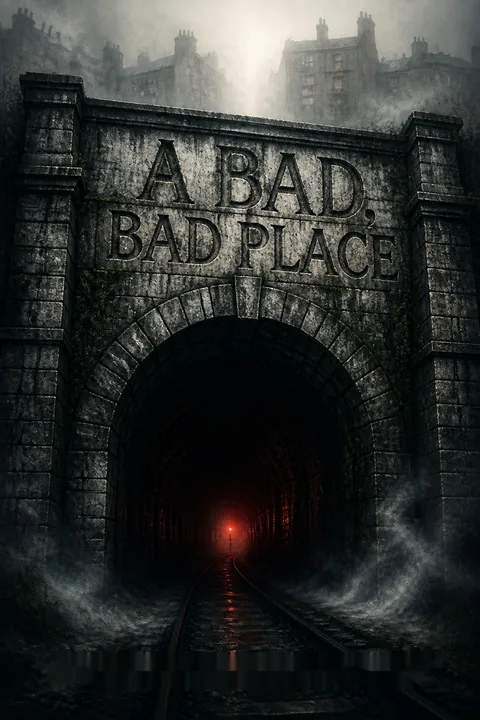
Janey, a twelve-year-old girl in Glasgow, stumbles upon the body of Samantha Watson while walking her dog, Sid Vicious, along the abandoned Dummy Railway. The shock of the gruesome discovery—Samantha's body battered and exposed—marks the beginning of a traumatic journey for Janey and her grandmother, Maggie. The event ripples through their working-class community, stirring up old wounds and fears. Janey's initial numbness gives way to confusion and guilt, as she becomes the center of a murder investigation. The discovery not only disrupts her childhood but also exposes the fragile bonds of family and community, setting the stage for a story about trauma, memory, and the search for justice.
Silence and Suspicion
Janey's once-chatty nature is replaced by a haunted silence, worrying her Nana, Maggie. The police repeatedly question Janey, hoping she'll recall new details, but her memory is fractured by shock. Maggie, struggling to support her granddaughter, is also drawn into the investigation, feeling the weight of suspicion and the burden of protecting Janey. The community's whispers and the press's lurid headlines only deepen their isolation. Maggie's memories of her own losses—her daughter and granddaughter's parents in a gas explosion—intertwine with the present, as she wonders if she's doing enough for Janey. The silence between them becomes both a shield and a prison, as guilt and suspicion fester.
Police Questions and Confessions
The police, led by Detective Baxter and Constable Val, press Janey for details about the day she found Samantha. Janey's fragmented recollections—her dog's discovery, the blood, the missing shoes—are met with skepticism and impatience. Maggie bristles at the police's insensitivity, especially as Janey's behavior grows more withdrawn and obsessive. Janey's repeated visits to confession hint at a secret she's hiding, something she did at the scene that fills her with shame. The police's focus shifts to possible suspects: a taxi driver, Samantha's father's criminal connections, and rumors of gangland revenge. The investigation's pressure exposes the cracks in Janey and Maggie's relationship, as both struggle with what to reveal and what to protect.
Gossip, Grief, and Guilt
The murder becomes the talk of Possilpark, with neighbors, schoolmates, and pub regulars speculating about suspects and motives. Maggie, working at The Glen pub, overhears theories linking Samantha's death to her father's ties with local gangsters. The community's morbid curiosity and casual cruelty—especially toward women—intensify Maggie's grief for her own lost family and her guilt over Janey's suffering. Janey, meanwhile, is ostracized at school, her trauma misunderstood or sensationalized. She begins a secret scrapbook, collecting clippings and rumors about Samantha, trying to make sense of the chaos. The weight of communal judgment and personal guilt threatens to overwhelm both grandmother and granddaughter.
Schoolyard Shadows
Janey's return to school is fraught with tension. Former friends now treat her as a curiosity or pariah, peppering her with insensitive questions about the body. A minor playground scuffle lands Janey in trouble, and she's referred to the kindly but ineffectual Sister Agnes. The school's attempts at support only highlight Janey's alienation. Her best friend, Lorraine, drifts away, and Janey's only solace is in her obsessive documentation of Samantha's life and death. The violence and suspicion that haunt the adult world seep into the schoolyard, leaving Janey more isolated than ever, her trauma unspoken and unaddressed.
Nana's Memories
Maggie's memories of her own tragedies—her daughter's death in a gas explosion, her abusive marriage—surface as she tries to care for Janey. The cramped flat, the struggle to make ends meet, and the constant threat of social services compound her anxiety. Maggie's resilience is tested by the demands of work, the community's judgment, and her own grief. She finds unexpected support from neighbors like Mrs. Khan and old friends, but the sense of living in "a bad, bad place" lingers. Maggie's determination to protect Janey is both her strength and her vulnerability, as she confronts the limits of her love and the persistence of trauma.
Fear in the Playground
Janey's fear of the killer intensifies, especially as strange men and suspicious vehicles appear near her school and home. The police's inability to catch the murderer leaves the community on edge, and Janey's anxiety manifests in nightmares and compulsive rituals. Maggie's efforts to maintain normalcy—shopping, dominoes, Mass—are undermined by the ever-present threat. The sense of danger is heightened by rumors of gangland feuds and the possibility that Samantha's death was a message to her father. Janey's world shrinks, her trust eroded by the knowledge that evil can strike close to home.
Ghosts of the Past
Both Janey and Maggie are haunted by ghosts—literal and metaphorical. Janey dreams of Samantha, her dead family, and the day at the Dummy Railway. Maggie is visited by memories of her lost daughter and the violence she endured. The past intrudes on the present, blurring the line between memory and reality. Janey's scrapbook becomes a way to keep Samantha alive, to give her a story beyond the violence of her death. Maggie's reflections on her own survival—her decision not to save her abusive husband—underscore the moral ambiguities of justice and revenge. The ghosts that haunt them are both a source of pain and a reminder of resilience.
The Wrong Car
The investigation focuses on vehicles seen near the crime scene—a dark-colored Avenger, a suspicious taxi. Janey becomes convinced that Gibby, a local fixer, is the killer, especially after he threatens her and mutilates her belongings. She tries to gather evidence, photographing his car and planning to inform the police. Meanwhile, other suspects emerge: Lulu, a young man with a criminal past; Taxi Alex, whose nervousness and history make him a target of suspicion; and Ninian Hogg, Samantha's ex-boyfriend, whose controlling behavior is revealed through interviews. The proliferation of suspects and red herrings mirrors the confusion and paranoia gripping the community.
A Visit to Billy Watson
Janey and Maggie are drawn into the orbit of Billy Watson, Samantha's father, a man with deep criminal ties and profound grief. Billy's need for answers leads him to question Janey, seeking any detail that might explain his daughter's death. Maggie, wary of his influence but sympathetic to his pain, is offered a job at his taxi firm, Ashfield Cabs. The lines between victim and perpetrator, helper and exploiter, blur as Maggie navigates the moral compromises of survival. The visit exposes the complexities of grief, guilt, and the ways in which violence reverberates through families and communities.
The Weight of Witness
Janey's role as a witness becomes a heavy burden. She is pressured by police, family, and even suspects to remember, to forget, to tell, or to keep silent. Her secret—wiping a swear word from Samantha's forehead—becomes a symbol of her guilt and her desire to protect the dead from further violation. The community's need for closure clashes with Janey's fractured memory and her fear of retribution. Maggie, too, is caught between the demands of justice and the imperative to shield her granddaughter. The weight of witness is both isolating and transformative, forcing both to confront the limits of their power.
Money, Threats, and Warnings
The underworld connections of Billy Watson and the Edgar brothers come to the fore, as Maggie is drawn deeper into their operations. Money changes hands—sometimes as kindness, sometimes as bribes or hush money. Threats and warnings abound: Lulu is hunted by both police and gangsters; Gibby menaces Janey; and the community is caught in the crossfire of criminal feuds. The lines between victim and perpetrator blur, as everyone becomes complicit in the web of silence and survival. The threat of violence is ever-present, shaping choices and relationships.
The Funeral and the Wake
Samantha's funeral becomes a spectacle of grief, gossip, and unresolved tension. The gathering of family, friends, and enemies at the crematorium and the wake exposes the fractures in the community. Fights break out, secrets are whispered, and the police presence is both reassuring and threatening. Janey, overwhelmed by the spectacle, is reminded of her own family's funeral and the ways in which mourning can both heal and wound. The rituals of death fail to bring closure, as the real killer remains at large and the community's wounds fester.
Secrets and Suspects
As the investigation drags on, secrets come to light: Heather's false alibi for Lulu, Gibby's confession to robbing Samantha's body, and the revelation that Ninian Hogg's relationship with Samantha was abusive and controlling. Janey's encounters with suspects—Heather, Lulu, Gibby, and Nino—reveal the complexity of guilt and innocence. The police, eager for a quick resolution, focus on easy targets, while the real killer remains hidden. The accumulation of secrets threatens to overwhelm Janey, who must decide whom to trust and what to reveal.
The Ex-Boyfriend
Ninian Hogg, Samantha's ex-boyfriend, emerges as a central figure. His charm and intelligence mask a deep-seated need for control, and his relationship with Samantha was marked by manipulation and humiliation. Janey's interactions with Nino at the library are tinged with unease, as he offers support while subtly probing for information. The revelation of his alibi and his presence at the scene raise suspicions, but his outward kindness confuses Janey. The danger of obsession and the capacity for violence beneath a respectable facade become increasingly apparent.
Taxi Alex and the Truth
Taxi Alex, once a suspect, is cleared after a series of misunderstandings and police harassment. His life unravels under the weight of suspicion, leading to the loss of his job and family. Maggie's sympathy for him is tempered by her own need for survival. The focus on Alex as a suspect exposes the flaws in the investigation and the ways in which prejudice and desperation can distort justice. The truth remains elusive, as the real killer continues to evade detection.
Summer's End
As summer ends and school resumes, Janey and Maggie begin to find moments of normalcy and hope. Janey reconnects with friends, attends a punk concert, and prepares for secondary school. Maggie leaves her job at The Glen and contemplates a new start. The community, though scarred by violence and loss, shows resilience in small acts of kindness and solidarity. The unresolved murder remains a shadow, but the possibility of healing emerges as Janey and Maggie learn to share their burdens and seek help.
Revisiting the Scene
Prompted by police and her own need for closure, Janey revisits the Dummy Railway and the Screke tunnel. The return triggers a flood of repressed memories: the smell of smoke, the presence of the killer, and the details of the crime. Janey's confrontation with her trauma is both terrifying and cathartic, as she finally recalls the face of the murderer. The act of remembering becomes an act of resistance, reclaiming agency from the forces that sought to silence her.
The Scrapbook and the Swear
Janey's scrapbook, once a secret compulsion, becomes a testament to her journey. She documents not only the facts of the case but also her feelings, dreams, and the community's stories. The act of writing and drawing helps her process her trauma and assert control over her narrative. The revelation that she wiped a swear word from Samantha's forehead—an act of compassion and defiance—underscores the importance of bearing witness and protecting the dignity of the dead. The scrapbook becomes both a memorial and a tool for justice.
Fire and Aftermath
A fire at Ashfield Cabs—likely arson—destroys Maggie's workplace and further destabilizes the community. The event exposes the ongoing dangers of criminal feuds and the vulnerability of ordinary people caught in their wake. Maggie's decision to leave the job and Janey's confrontation with Gibby—who confesses to robbing, not killing, Samantha—bring a measure of closure. The aftermath of the fire is both literal and symbolic, marking the end of one chapter and the beginning of another.
The Real Killer
Janey's recovered memory reveals that Ninian Hogg, Samantha's ex-boyfriend, is the real killer. The revelation is both shocking and inevitable, as the clues—his controlling behavior, his presence at the scene, his attempts to befriend Janey—fall into place. Janey and Maggie must decide whether to go to the police or to Billy Watson, knowing that either choice carries risks and moral complications. The question of justice—legal or vigilante—looms large, as the story confronts the limits of the law and the power of community.
Justice and Letting Go
In the end, Janey and Maggie choose to seek justice through official channels, trusting that the truth will prevail. The act of telling—of breaking the silence and sharing the burden—marks a turning point for both. Janey's trauma is acknowledged and addressed, and the community begins to heal. The story closes with a sense of hope: the possibility of justice, the resilience of love, and the enduring power of memory. The "bad, bad place" is not erased, but it is transformed by the courage to face the past and imagine a better future.
Analysis
A Bad, Bad Place is a powerful exploration of trauma, memory, and the search for justice in a working-class Glasgow community. Through its dual narrative—Janey's child's-eye view and Maggie's hard-won wisdom—the novel interrogates the ways in which violence, both personal and systemic, shapes lives and relationships. The story's structure—fragmented, recursive, and rich in dialect—mirrors the psychological realities of trauma, where memory is both a wound and a means of survival. The proliferation of suspects and red herrings critiques the failures of official justice and the dangers of scapegoating, while the eventual revelation of the real killer exposes the capacity for evil beneath respectability. The novel's greatest strength lies in its refusal to offer easy answers: justice is complicated, healing is incomplete, and the "bad, bad place" is both a literal setting and a metaphor for the burdens we carry. Ultimately, the story is a testament to resilience—the power of love, memory, and community to endure in the face of suffering. Its lessons are urgent and universal: that silence can be deadly, that bearing witness is an act of courage, and that even in the darkest places, hope can be found.
People Also Read




Characters
Janey Devine
Janey is a twelve-year-old girl whose discovery of Samantha Watson's body thrusts her into the center of a murder investigation and a maelstrom of trauma. Sensitive, intelligent, and imaginative, Janey is both a victim and a reluctant detective, struggling to process the horror she has witnessed. Her silence and obsessive documentation in her scrapbook reflect her need for control and understanding. Janey's relationships—with her grandmother Maggie, her friends, and the adults who alternately protect and exploit her—are shaped by her vulnerability and resilience. Her journey is one of reclaiming agency, confronting memory, and seeking justice, even as she grapples with guilt and fear. Janey's psychological arc is marked by repression, revelation, and ultimately, healing.
Maggie Devine
Maggie, Janey's grandmother and guardian, is a woman forged by hardship—widowhood, the loss of her daughter and granddaughter's parents in a gas explosion, and years of poverty and abuse. Fiercely protective and pragmatic, Maggie navigates the challenges of raising Janey in a tough Glasgow neighborhood, balancing work, community expectations, and her own grief. Her psychoanalysis reveals a deep well of guilt—over her daughter's death, her husband's demise, and her perceived failures as a mother and grandmother. Maggie's development is one of learning to share her burdens, trust others, and accept help. Her relationship with Janey is the emotional core of the story, embodying both the wounds and the resilience of generational trauma.
Samantha Watson
Samantha, though dead at the story's outset, is a constant presence—her life and death shaping the actions and emotions of those left behind. Through Janey's scrapbook, community gossip, and the memories of friends and family, Samantha emerges as a complex figure: kind, ambitious, sometimes reckless, and marked by her relationships with men—her father, her ex-boyfriend Ninian, and the men who exploit or betray her. Samantha's murder is both a personal tragedy and a symbol of the violence inflicted on women in a patriarchal, class-divided society. Her absence haunts the narrative, driving the search for justice and the need to reclaim her story from sensationalism and victim-blaming.
Maggie's Nana (Maggie Devine)
As Janey's grandmother and primary caregiver, Maggie is both a source of strength and a repository of generational trauma. Her role as protector is complicated by her own history of loss and survival—her abusive marriage, the death of her daughter, and the challenges of poverty. Maggie's psychoanalysis reveals a woman who has learned to endure, to keep secrets, and to find dignity in small acts of kindness and resistance. Her relationship with Janey is marked by love, frustration, and the struggle to break cycles of silence and suffering. Maggie's development is a testament to the power of memory, storytelling, and the courage to confront the past.
Billy Watson
Billy, Samantha's father, is a man torn between grief and rage, love and violence. His criminal connections—money laundering, ties to the Eggman and the Edgars—make him both a suspect and a source of danger. Billy's psychoanalysis reveals a man haunted by guilt—over his daughter's death, his wife's illness, and his own complicity in a world of violence. His relationship with Janey and Maggie is fraught with ambiguity: he is both a protector and a potential threat, offering help while demanding answers. Billy's arc is one of reckoning with loss, seeking justice, and confronting the limits of revenge.
Lulu (Louis McLure)
Lulu, a young man with a troubled past, becomes a prime suspect in Samantha's murder. His relationship with Samantha is marked by unrequited love, jealousy, and poor decisions—taking compromising photos, seeking validation from criminal mentors. Lulu's psychoanalysis reveals a longing for belonging and a vulnerability to manipulation. Hunted by both police and gangsters, Lulu is both victim and perpetrator, his fate a commentary on the dangers of scapegoating and the failures of justice. His interactions with Janey and Heather expose the complexities of guilt, innocence, and the search for redemption.
Heather
Heather, Samantha's college friend, is drawn into the investigation through her relationship with Lulu and her own secrets. Her false alibi for Lulu, her shifting loyalties, and her eventual confession to Janey reveal a character struggling with guilt, fear, and the desire for self-preservation. Heather's psychoanalysis highlights the pressures faced by young women—peer judgment, sexual politics, and the dangers of complicity. Her development is one of painful honesty, as she confronts her own role in the tragedy and seeks a measure of atonement.
Gibby
Gibby, a local fixer and petty criminal, becomes a suspect in Janey's eyes due to his threatening behavior and proximity to the crime. His eventual confession—to robbing, not killing, Samantha—reveals the moral gray areas of survival in a harsh environment. Gibby's psychoanalysis exposes the ways in which poverty, addiction, and desperation can warp morality. His relationship with Janey is marked by fear, misunderstanding, and a grudging recognition of shared trauma. Gibby's arc is a reminder that not all villains are killers, and not all victims are innocent.
Ninian Hogg (Nino)
Ninian, Samantha's ex-boyfriend and a local librarian, is initially presented as a supportive, if eccentric, figure. His charm, intelligence, and apparent concern for Janey mask a deep-seated need for control and a capacity for violence. The revelation that he is the real killer—his presence at the scene, his attempts to befriend Janey, his manipulation of evidence—casts his earlier actions in a sinister light. Ninian's psychoanalysis reveals the dangers of obsession, the capacity for evil beneath respectability, and the ways in which predators exploit trust and vulnerability.
Constable Val Wilde
Val, the policewoman assigned to Janey's case, is both a source of support and a symbol of institutional failure. Her attempts at psychological intervention are alternately helpful and intrusive, and her own struggles with sexism and exclusion in the police force mirror the broader themes of power and marginalization. Val's psychoanalysis reveals the limitations of official justice, the dangers of tunnel vision, and the need for empathy in the face of trauma. Her relationship with Janey is marked by good intentions, missed signals, and the ultimate failure to protect.
Plot Devices
Fragmented Narrative and Multiple Perspectives
The novel employs a fragmented, multi-perspective narrative, alternating between Janey's first-person voice and Maggie's close third-person. This structure mirrors the fractured nature of trauma and memory, allowing readers to experience the story's events through the eyes of both a traumatized child and a grieving adult. The use of dialect and internal monologue deepens the sense of authenticity and immediacy. The narrative's non-linear progression—moving between past and present, memory and reality—creates suspense and invites readers to piece together the truth alongside the characters.
Red Herrings and Misdirection
The investigation is marked by a proliferation of suspects—Lulu, Gibby, Taxi Alex, Billy Watson—each with plausible motives and opportunities. The community's gossip, the police's biases, and Janey's own fears contribute to a web of misdirection. These red herrings serve both to heighten suspense and to critique the failures of official justice, as the real killer remains hidden in plain sight. The eventual revelation of Ninian Hogg's guilt is both shocking and thematically resonant, exposing the dangers of obsession and the limits of surface appearances.
Symbolism of the Scrapbook
Janey's secret scrapbook functions as both a plot device and a symbol. It is a repository of facts, rumors, drawings, and feelings—a way for Janey to process her trauma and assert control over her story. The act of documenting, editing, and eventually burning the scrapbook mirrors Janey's journey from repression to revelation, from silence to speech. The scrapbook also serves as a counter-narrative to the sensationalism of the press and the failures of the police, reclaiming Samantha's dignity and humanity.
Foreshadowing and Repressed Memory
The novel makes extensive use of foreshadowing—Janey's nightmares, her compulsive rituals, the recurring motif of the swear word on Samantha's forehead—to hint at deeper truths. The device of repressed memory is central: Janey's inability to recall the killer's face, her gradual recovery of details through revisiting the scene, and the final, shattering revelation of Ninian Hogg's guilt. This structure not only builds suspense but also reflects the psychological realities of trauma, where memory is both a source of pain and a path to healing.
Moral Ambiguity and Cycles of Violence
The story resists easy moral binaries. Victims are not always innocent, and perpetrators are not always monsters. The community's complicity in silence, the failures of the police, and the cycles of violence perpetuated by poverty and patriarchy are all interrogated. The question of justice—legal, vigilante, or restorative—is left open, as Janey and Maggie must decide how to respond to the truth. The novel's refusal to offer simple answers is both a narrative device and a thematic statement.
Download PDF
Download EPUB
.epub digital book format is ideal for reading ebooks on phones, tablets, and e-readers.








































