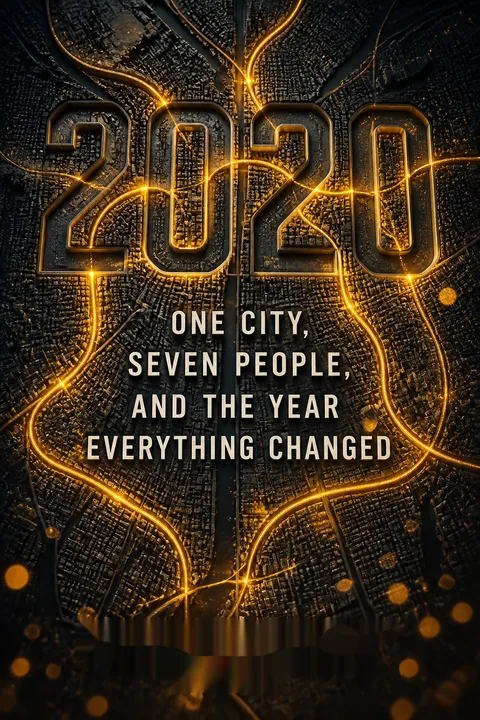

Key Takeaways
1. Initial Responses: A Global Tapestry of Uncertainty
Once it left China, the SARS-CoV-2 coronavirus and COVID-19 arrived in different countries at roughly the same moment, yet the initial responses of nation-states—their reactions from January to April 2020—varied dramatically, in timing and in substance.
Diverse strategies emerged. The early days of the pandemic were marked by profound uncertainty, forcing nations to make critical decisions with incomplete information. While some, like Japan and Taiwan, adopted vigilant, precautionary approaches based on lessons from SARS, others, such as the U.S. and U.K., initially downplayed the threat or pursued risky strategies like "herd immunity." These divergent paths set the stage for vastly different outcomes in terms of public health and mortality.
Transparency vs. control. China's initial response prioritized information control, suppressing early medical reports and punishing whistleblowers like Dr. Li Wenliang, fearing public panic and international stigma. This secrecy allowed the virus to spread further and faster. In contrast, Taiwan, drawing on its SARS experience, immediately activated its Central Epidemic Command Center, shared information publicly, and implemented rapid testing, contact tracing, and mask production, demonstrating how liberal democracies could effectively contain the virus without authoritarian methods.
Preparedness proved insufficient. The Global Health Security Index, which ranked the U.S. and U.K. highest in pandemic preparedness in 2019, failed to predict their poor performance. This highlighted that structural preparedness alone was not enough; political leadership, public trust, and the willingness to act decisively based on evolving scientific understanding were paramount. The stark differences in early mortality rates across nations underscored the profound consequences of these initial policy choices.
2. The Erosion of Trust: A Pandemic's Political Fallout
If living with uncertainty is challenging, managing a public health crisis amid widespread distrust—of political leaders, of scientists and experts, and of fellow citizens—is a nearly impossible task.
Leadership failures undermined trust. In many nations, public trust in government and experts plummeted when political leaders were perceived as violating their own pandemic rules or disseminating misinformation. Australia's Prime Minister Scott Morrison faced backlash for planning to attend a rugby match despite advising against large gatherings, while the U.K.'s Boris Johnson endured "Partygate" scandals for illicit social events during lockdown. These actions fostered a sense of hypocrisy and eroded the spirit of mutual obligation.
Misinformation fueled skepticism. In the U.S., President Donald Trump was identified as the "largest driver of the COVID-19 misinformation 'infodemic'," downplaying the virus's severity, promoting unproven cures, and questioning the credibility of federal health agencies like the CDC and Dr. Anthony Fauci. This created a deeply polarized environment where:
- Republicans increasingly distrusted "government scientists" and mainstream media.
- Democrats viewed Trump's administration as corrupt and incompetent.
- Conspiracy theories about the virus's origins and vaccine safety proliferated.
Partisan divides deepened. The pandemic exacerbated pre-existing political polarization, turning public health measures into ideological battlegrounds. This partisan distrust extended to fellow citizens, with surveys showing a significant decline in social trust in the U.S. compared to other democracies. The inability to agree on basic facts and shared purpose made a unified national response nearly impossible, contributing to higher rates of illness and death.
3. Masks: More Than Just Fabric, A Symbol of Division
Masks, it turns out, are made of social fabric, and they are saturated with meaning.
Cultural context shaped adoption. The decision to wear a mask, seemingly a simple public health measure, became deeply contentious, particularly in Western nations. In East Asia, where historical experiences with SARS and cultural norms of collectivism fostered widespread mask use, adoption was swift and uncontroversial. In contrast, Western countries, lacking similar historical precedents, struggled with acceptance, often viewing masks through a lens of individual liberty.
Conflicting guidance created confusion. Early, inconsistent advice from organizations like the WHO and national health agencies (e.g., initially stating masks were unnecessary for civilians, then reversing course) fueled public skepticism. In the U.S., President Trump's public refusal to wear a mask, despite CDC recommendations, transformed it into a political symbol. This led to:
- Republicans viewing masks as a sign of repression and submission.
- Democrats seeing masks as a mark of social solidarity and responsibility.
- Public "face mask freak outs" in stores and on transit, often escalating to violence.
Identity and ideology intertwined. The mask became a totemic marker of partisan identity, with refusal or adoption signaling allegiance to political blocs. Social media amplified these divisions, turning mask-wearing into a litmus test of loyalty. This politicization overshadowed scientific evidence, making rational discourse difficult and contributing to a fractured public response.
4. The Paradox of Distancing: Social Bonds Under Strain
"Social distancing" turned out to be the very opposite of what people needed to maintain health and vitality.
Physical necessity, social cost. While epidemiologically sound for reducing viral spread, the concept of "social distancing" proved sociologically problematic. It implied severing social ties, which are crucial for human well-being, rather than simply maintaining physical space. This led to widespread distress, particularly for those living alone, who suddenly lost access to casual social interactions that provided daily companionship.
Unequal capacity for distancing. The ability to "distance" was a luxury, heavily stratified by class and occupation. Wealthier individuals could work remotely and relocate to safer, less dense areas, while "essential workers" (disproportionately Black and Latino) had no choice but to continue working in person, often in dangerous conditions. This created a stark divide:
- Affluent areas emptied out, with residents seeking more space.
- Low-income neighborhoods, like Corona, Queens, remained crowded, with essential workers facing high exposure risks.
- The term "essential worker" became a de facto designation for "disposable."
Mutual aid filled the void. Despite the official call for distancing, many communities spontaneously organized mutual aid networks, demonstrating a powerful counter-trend of social solidarity. In places like Jackson Heights, Queens, Nuala O'Doherty's "COVID Care Neighbor Network" provided food, diapers, and legal advice, bridging ethnic divides and fostering a sense of collective purpose when government services fell short.
5. Inequality Exposed: Race, Class, and Vulnerability
Race and class mattered. "Of the 10 ZIP codes with the highest death rates, eight have populations that are predominantly black or Hispanic," The New York Times reported in May 2020. Of those with the lowest death rates, "each has a six-figure median household income."
Demography dictated destiny. The pandemic's impact in New York City starkly revealed pre-existing inequalities. Neighborhoods with high concentrations of Black and Hispanic residents, like the Bronx and central Queens, experienced disproportionately high rates of cases, hospitalizations, and deaths. These areas often featured:
- High poverty rates and residential crowding.
- A large proportion of essential workers unable to work remotely.
- Less access to quality healthcare and green spaces.
Crowded spaces amplified risk. Research using mobile phone data showed that low-income residents frequented more crowded commercial spaces (like grocery stores) and spent more time there, increasing their risk of exposure. These "super-spreading" locations, combined with dense living conditions, turned "hunkering down at home" into a perilous act for many.
Local knowledge offered protection. In contrast, some Asian communities, like Flushing, Queens, fared surprisingly well despite similar demographics. This was partly attributed to early warnings from relatives in Asia and a cultural understanding of mask-wearing and distancing, demonstrating that social networks and prior experience could mitigate risk even in vulnerable populations.
6. Structural Racism: An Invisible Assailant
This virus, this, like, invisible thing that is affecting and killing all people around the world without prejudice. In America, "it winds up being about race."
Disparities rooted in systemic issues. While the virus itself was indiscriminate, its impact in the U.S. was profoundly shaped by structural racism. Black and Latino populations faced significantly higher rates of infection, hospitalization, and death due to:
- Exposure: Overrepresentation in essential, low-wage jobs with high public contact.
- Living Conditions: Residential segregation leading to crowded housing and environmental pollution.
- Health Access: Less access to primary care, advanced medical treatments, and quality facilities.
- Pre-existing Conditions: Higher rates of chronic diseases (diabetes, hypertension) linked to "physical weathering" from cumulative social adversity.
Police actions exacerbated injustice. In New York City, police disproportionately stopped and arrested Black and Latino individuals for social distancing violations, while often giving white people a pass. This selective enforcement, coupled with officers' frequent refusal to wear masks, was perceived as an act of aggression and further fueled outrage over systemic racial injustice.
Global pattern of racialized blame. Beyond the U.S., the pandemic sparked a worldwide surge in anti-Asian hate crimes, fueled by rhetoric linking the virus to China. This demonstrated a global pattern of racial scapegoating during health crises, where pre-existing racial resentments were amplified, leading to discrimination and violence against visible minority groups.
7. Growing Up in Crisis: The Pandemic's Toll on Youth
"I grew up like ten years in the pandemic."
Accelerated adulthood. For young adults, the pandemic disrupted pivotal developmental processes, forcing many to confront adult responsibilities prematurely. College students faced educational disruptions, job losses, and the specter of debt, leading some to question the value of higher education or alter career paths. Many returned to parental homes, sacrificing social lives to protect older relatives or contribute financially.
Mental health challenges. The radical uncertainty, confinement, and economic insecurity led to a dramatic spike in anxiety, depression, and suicidal ideation among young adults. The loss of social outlets, coupled with increased domestic burdens (especially for women), created immense stress. As one student, Antonio, described, "Everything is a blur," and he felt "burned out."
Social pruning and re-evaluation. The pandemic forced young adults to re-evaluate their social networks. Many engaged in "social pruning," cutting ties with friends deemed "reckless" regarding COVID safety, while strengthening bonds with those who shared their values. This led to a desire for fewer but deeper connections, and for some, accelerated romantic relationships as they sought intimacy and stability amidst chaos.
8. American Anomie: A Surge in Destructive Behavior
In America, reckless driving, resulting in a rash of fatal accidents like the one that killed Hamlet Cruz-Gomez, and, in more typical cases, the deaths of unlucky pedestrians, was particularly widespread.
Unique surge in violence. Unlike most other developed nations that saw a decline in violent crime during 2020, the U.S. experienced a staggering 30% increase in homicides—the highest single-year jump in over a century. This was accompanied by spikes in reckless driving fatalities, domestic violence, drug overdoses, and hate crimes, indicating a profound social disintegration.
Political polarization as a catalyst. This surge in "senseless mayhem" was not merely due to stress or isolation, which were global phenomena. Instead, it was deeply intertwined with America's extreme political polarization and a culture of distrust. President Trump's rhetoric, which encouraged violence against adversaries and questioned the legitimacy of institutions, fueled a climate of rage and indignation.
Individualism vs. collective responsibility. The U.S.'s hyper-individualistic culture, where personal freedom is paramount, clashed with the need for collective action during a pandemic. When leaders like Trump tacitly endorsed ignoring public health guidelines, it empowered individuals to defy rules, leading to conflicts over masks and lockdowns. This "war of all against all" on "Hobbesian highways" and in public spaces reflected a breakdown of shared norms and mutual obligation.
9. Art and Memory: Honoring the Invisible Frontline
The memorial showed people the power that art has. It gets short shrift on funding, but it carries so much water. People needed it in this pandemic. That’s why they were drawn to these portraits. The art helps us heal.
Grief in isolation. The pandemic stripped away traditional rituals of mourning, leaving families to grieve in isolation. Mathews Thankachan's family, after his father Thankachan Mathai died as an MTA custodian, experienced this profound loneliness, unable to gather with loved ones or perform customary ceremonies. This highlighted a collective moral debt to essential workers who perished while keeping society functioning.
Art as a public tribute. Sandra Bloodworth, director of MTA Arts & Design, recognized this void and initiated "Travels Far," a memorial project featuring portraits of 111 fallen MTA workers displayed in transit stations. These digital triptychs, accompanied by a poem and musical score, transformed public spaces into sites of collective remembrance, making the invisible sacrifices of essential workers visible.
Healing through recognition. The memorial offered a crucial opportunity for healing and acknowledgment, not just for the bereaved families but for the wider community. It provided a tangible way to honor those lost, fostering a sense of shared grief and gratitude. This demonstrated art's profound capacity to process trauma, build community, and restore a sense of humanity amidst widespread devastation.
10. The Unlearned Lessons: America's Cycle of Denial
For now, at least, the U.S. appears ready to treat the plague of 2020 just as it did the Great Influenza, as a nonevent, a "forgotten pandemic" whose impact is perplexingly diminutive given the scale of death and disruption it caused.
A nation in denial. Despite suffering over a million COVID deaths and 1.7 million excess deaths by 2023—a higher rate of premature mortality than comparable wealthy nations—the U.S. quickly moved to deny and forget the pandemic's lessons. Political leaders, particularly on the right, actively characterized public health measures as misguided and tyrannical, while Democrats largely avoided the topic.
Missed opportunity for transformation. Historically, pandemics have spurred significant improvements in public health infrastructure and social policy. However, the U.S., unlike many other nations, failed to leverage the crisis to strengthen its social safety nets, address deep-seated inequalities, or rebuild public trust. Instead, the "will not to know" about COVID-19's devastating impact took hold.
Future perils loom. The failure to learn from 2020 leaves the U.S. vulnerable to future crises, such as deadlier pandemics or the intensifying climate emergency. The erosion of social solidarity, coupled with persistent political polarization and a culture of denial, suggests a dangerous trajectory. The book concludes with a stark warning: without a new vision and collective action, the nation risks spiraling towards even greater catastrophes.
Review Summary
2020 by Eric Klinenberg examines the COVID-19 pandemic's first year through seven New Yorkers' experiences while analyzing global responses. Reviewers praise the well-researched, balanced approach combining personal narratives with data-driven analysis. The book explores how the pandemic exposed societal inequalities, particularly affecting marginalized communities. Readers appreciate Klinenberg's sociological perspective on mutual aid, government failures, and varying international responses. Some found revisiting 2020 emotionally difficult or felt it was premature, while others valued understanding the collective trauma. Critics noted political bias in places. Overall, readers recommend it as essential documentation of how the pandemic transformed society and individuals.
People Also Read

About the Author
Other books by Eric Klinenberg
Download PDF
Download EPUB
.epub digital book format is ideal for reading ebooks on phones, tablets, and e-readers.








































