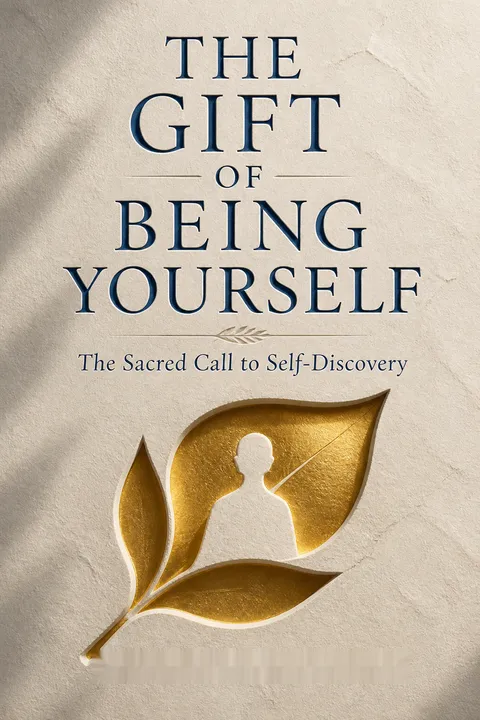

أهم النقاط
1. اكتشاف ذاتك الحقيقية لا ينفصل عن معرفة الله
هناك مشكلة واحدة فقط يتوقف عليها وجودي كله، وسلامي، وسعادتي: وهي أن أكتشف نفسي في غمرة اكتشافي لله. فإذا وجدته سأجد نفسي، وإذا وجدت ذاتي الحقيقية سأجده.
إن الطبيعة المتشابكة لاكتشاف الذات واكتشاف الله تشكل الحجر الأساس للروحانية المسيحية. وتتضمن هذه الرحلة إدراك أن المسيح هو الحقيقة الأعمق لكياننا، وتجسيد حضور المسيح في داخلنا. لا يتعلق الأمر ببناء ذات جديدة من خلال تحسين الذات، بل بالكشف عن الذات الحقيقية التي خلقنا الله لنكون عليها.
وتتطلب هذه العملية:
- اعتناق مفارقة خسارة الذات من أجل العثور عليها.
- فهم أن هويتنا الحقيقية تكمن في علاقتنا مع الله.
- إدراك أن المعرفة الحقيقية بالذات تقود إلى معرفة أعمق بالله، والعكس صحيح.
بينما نمضي في رحلتنا نحو معرفة الله بشكل أعمق، فإننا نكشف بالتزامن مع ذلك عن طبقات ذاتنا الحقيقية، الكامنة في المسيح. وتشكل عملية الاكتشاف المتبادلة هذه جوهر التحول الروحي.
2. المعرفة التحولية تتطلب تجربة شخصية
إن المعرفة التحولية الحقيقية هي دائمًا معرفة شخصية، وليست مجرد معرفة موضوعية. إنها تنطوي على معايشة الشيء، لا مجرد العلم به.
إن التسامي فوق الفهم الفكري المجرد أمر بالغ الأهمية للنمو الروحي الحقيقي. فالمعرفة التحولية تضرب بجذورها في التجربة الشخصية والعلاقة الحية، وليست مجرد تكديس للحقائق أو المفاهيم اللاهوتية.
وتشمل الجوانب الرئيسية للمعرفة التحولية ما يلي:
- التواصل مع الله من خلال الممارسات التأملية مثل التأمل الإنجيلي.
- التماس حضور الله في تجارب الحياة اليومية.
- تنمية علاقة شخصية مع يسوع من خلال الصلاة التخيلية.
تتيح لنا هذه المعرفة التجريبية الانتقال من مجرد الإيمان بالله إلى معرفته حق المعرفة. وهي تحول فهمنا لله ولأنفسنا على حد سواء، مما يؤدي إلى تغييرات عميقة في هويتنا وطريقة وجودنا في هذا العالم.
3. اعتناق هويتك كمحبوب بعمق من الله
إن وجودنا، الذي خُلق من الحب، وبالحب، ومن أجل الحب، لا معنى له بمعزل عن الحب الإلهي.
إن تأسيس هويتنا على محبة الله هو أمر جوهري في الروحانية المسيحية. ويتطلب هذا الانتقال من هوية قائمة على الأداء أو الإنجاز إلى هوية متجذرة في كوننا محبوبين من الله دون قيد أو شرط.
خطوات لاعتناق هذه الهوية:
- التأمل بانتظام في محبة الله غير المشروطة لك.
- التدرب على رؤية نفسك من خلال عيون الله المحبة.
- تحدي التصورات السلبية عن الذات التي تتعارض مع محبة الله.
عندما نستوعب هذه الهوية في داخلنا، فإنها تغير طريقة تعاملنا مع الله، ومع أنفسنا، ومع الآخرين. فهي توفر أساسًا آمنًا يمكننا من خلاله استكشاف ذاتنا الحقيقية وعيش دعوتنا الفريدة.
4. قبول كل جوانب ذاتك، بما في ذلك خطاياك
إذا كان الله يحبك ويقبلك كخاطئ، فكيف يمكنك أنت أن تفعل أقل من ذلك؟
يعد القبول الحقيقي للذات خطوة حاسمة في مسيرة التحول الروحي. ويتضمن ذلك احتضان جميع جوانب أنفسنا، بما في ذلك تلك التي نجدها غير مرغوبة أو خاطئة.
نقاط رئيسية يجب مراعاتها:
- قبول الذات يسبق التسليم الحقيقي والتحول الفعلي.
- الاعتراف بخطايانا يتيح لنا اختبار نعمة الله بشكل أكمل.
- يمكن لأدوات مثل "الإنيغرام" (مخطط الشخصية) أن تساعد في تحديد نزعات الخطية وأنماطها الأساسية.
من خلال قبول أنفسنا كما نحن، نفتح الباب لعمل الله التحولي في حياتنا. ولا يعني هذا القبول الرضا بالواقع السلبي، بل إنه يهيئ الظروف الملائمة للتغيير الحقيقي.
5. كشف قناع الذات الزائفة وتعلقاتها
نحن نعتقد أننا نعرف كيف نعتني باحتياجاتنا بشكل أفضل من الله.
إن إدراك الذات الزائفة والتخلي عنها يمثل جزءًا بالغ الأهمية من الرحلة الروحية. فالذات الزائفة تُبنى على الأوهام والتعلقات التي نعتقد أنها ستجلب لنا السعادة والرضا.
سمات الذات الزائفة:
- تقوم على ما نملك، وما يمكننا فعله، وما يعتقده الآخرون عنا.
- تُستبقى وتُغذى من خلال الجهد والسيطرة.
- تضرب بجذورها في الخوف وغياب الثقة في الله.
يتطلب كشف قناع الذات الزائفة:
- تحديد تعلقاتنا ومخاوفنا القهرية الأساسية.
- إدراك أنماط الدفاعية والانفعالية لدينا.
- تسليم أوهام السيطرة والتحكم لله.
بينما نتخلى عن الذات الزائفة، فإننا نفسح المجال لذاتنا الحقيقية في المسيح لتظهر وتزدهر.
6. العثور على دعوتك الفريدة في المسيح
إن دعوتنا هي دائمًا استجابة لنداء إلهي لنأخذ مكاننا في ملكوت الله.
إن اكتشاف دعوتنا الفريدة وعيشها هو جانب أساسي من جوانب صيرورتنا ذاتنا الحقيقية في المسيح. وتتجاوز هذه الدعوة مجرد المهنة أو الوظيفة لتشمل طريقتنا الفريدة في الوجود والخدمة في العالم.
وتشمل عناصر الدعوة ما يلي:
- التوافق مع مواهبنا، وشغفنا، وطبائعنا التي وهبنا الله إياها.
- الاستجابة لاحتياجات العالم من حولنا.
- العثور على نقطة التلاقي بين "بهجتنا العميقة" و"جوع العالم الشديد".
يتطلب تمييز دعوتنا تأملًا صلاتيًا، ومشاركة مجتمعية، واستعدادًا لتسليم خططنا الخاصة لمقاصد الله الأوسع. وبينما نعيش دعوتنا، نصبح أكثر تجسيدًا للشخصية الفريدة التي خلقنا الله لنكون عليها.
7. تنمية الحضور من أجل معرفة أعمق بالذات وبالله
إن الحضور لأي شيء أو لأي شخص يبدأ بالترسخ في حضورك لذاتك. لكن الحضور الذي تختبره سيشمل دائمًا مشاركة في "الوجود الإلهي" الذي هو الأساس الذي تقوم عليه، والذي يجعل أي هبة حضور صغيرة تتلقاها أمرًا ممكنًا.
إن ممارسة الحضور الواعي أداة قوية لتعميق معرفتنا بأنفسنا وبالله على حد سواء. ويتضمن ذلك تنمية الوعي باللحظة الحالية وبتجاربنا الداخلية.
طرق تنمية الحضور:
- ممارسات التأمل المنتظم أو الصلاة التأملية.
- الوعي اليقظ بالتجارب والمشاعر اليومية.
- التأمل الصلاتي في أحداث كل يوم.
بينما نصبح أكثر حضورًا مع أنفسنا، نصبح في الوقت نفسه أكثر وعيًا بحضور الله في داخلنا ومن حولنا. وهذا يعمق قدرتنا على العيش والمعرفة التحولية.
8. الرحلة المستمرة لتحول الهوية في المسيح
إن الذات التي تبدأ الرحلة الروحية ليست هي ذاتها التي تنهيها.
إن اعتناق الطبيعة المستمرة للتحول هو مفتاح الروحانية المسيحية. فهويتنا ليست ثابتة، بل تتطور باستمرار مع نمونا في علاقتنا مع الله.
جوانب التحول المستمر:
- إعادة تقييم هويتنا ودعوتنا بانتظام.
- البقاء منفتحين على تجليات جديدة عن أنفسنا وعن الله.
- الاستمرار في التخلي عن طرق الوجود الزائفة.
تتضمن هذه الرحلة انتقالًا تدريجيًا من هوية نصنعها بأنفسنا إلى هوية نتلقاها كهدية من الله. ومع استمرارنا في النمو، تظهر ذاتنا الحقيقية في المسيح بشكل متزايد في حياتنا، مما يجلب لنا أصالة وعمقًا أكبر.
Characters
Plot Devices
Analysis
ملخص المراجعات
يحظى كتاب "هبة أن تكون نفسك" بآراء إيجابية للغاية، حيث يشيد القراء بعمقه وأثره التحولي الكبير. ويسلط الكثيرون الضوء على ما يقدمه من استكشاف لرحلة اكتشاف الذات من خلال معرفة الله، وتركيزه على التخلص من الذات المزيفة من أجل احتضان الهوية الحقيقية في المسيح. كما يقدر القراء أسلوب كتابة بينر السلس، ورؤاه النفسية، ودمجه للمفاهيم الروحية. ورغم أن البعض وجدوا بعض أجزائه مكررة أو صعبة، فإن الأغلبية يعتبرونه كتابًا عميقًا يغير الحياة، ويستحق إعادة قراءته مرارًا وتكرارًا من أجل مواصلة النمو والتأمل.
قرأ الآخرون أيضًا




الأسئلة الشائعة
What's "The Gift of Being Yourself" about?
- Spiritual Journey: The book explores the concept of the spiritual journey as a process of transformation, emphasizing awakening and spiritual awareness over mere achievement.
- Self-Discovery: It focuses on the sacred call to self-discovery, encouraging readers to find their true self in relation to God.
- Identity in God: The book argues that our true identity is grounded in being deeply loved by God, and that knowing God and self are interdependent.
- Practical Guidance: It provides practical advice on how to embark on this journey, including meditation on the Gospels and reflecting on daily experiences.
Why should I read "The Gift of Being Yourself"?
- Deepen Spirituality: It offers insights into deepening your spiritual life by understanding the connection between knowing God and knowing yourself.
- Transformational Insights: The book provides transformational insights that can lead to a more authentic and fulfilling life.
- Practical Exercises: It includes practical exercises and meditations to help you engage with the material and apply it to your life.
- Personal Growth: Reading it can aid in personal growth by helping you uncover and embrace your true self in Christ.
What are the key takeaways of "The Gift of Being Yourself"?
- Interdependence of Knowing: Knowing God and knowing self are deeply interconnected; one cannot proceed far without the other.
- Identity in Love: Our identity should be grounded in being deeply loved by God, not in what we do or what others think of us.
- False vs. True Self: The book distinguishes between the false self, which is based on illusions and attachments, and the true self, which is found in God.
- Vocation and Fulfillment: Our true calling or vocation is aligned with our true self and leads to genuine fulfillment.
How does David G. Benner define the "false self" in "The Gift of Being Yourself"?
- Illusory Identity: The false self is an identity based on illusions, attachments, and the belief that happiness comes from living life our way.
- Defensive Nature: It is characterized by defensiveness and the need to maintain an image that is not true to our deepest self.
- Attachments: The false self clings to possessions, accomplishments, and others' opinions as sources of value.
- Hiding from God: It represents a way of hiding from God and ourselves, preventing us from embracing our true identity in God.
What is the "true self" according to "The Gift of Being Yourself"?
- God-Centered Identity: The true self is who we are in relation to God, grounded in being deeply loved by Him.
- Authentic Being: It is the self that is free from illusions and attachments, living in truth and surrender to God.
- Unique Vocation: The true self is aligned with our unique calling and gifts, leading to fulfillment and service to others.
- Christ as Model: Jesus is presented as the model of the true self, showing us how to live in relation to God.
What practical exercises does "The Gift of Being Yourself" suggest for self-discovery?
- Gospel Meditation: Engaging in Spirit-guided meditation on the Gospels to deepen your relationship with Jesus and, through Him, with God.
- Daily Reflection: Conducting a prayerful review of daily experiences to discern God's presence and invitations for growth.
- Solitude and Silence: Spending time in solitude and silence to meet God in the depths of your being and embrace your true self.
- Community Support: Seeking spiritual friendship and community to support your journey of self-discovery and transformation.
How does "The Gift of Being Yourself" address the concept of sin?
- Ontological Sin: Sin is described as a fundamental flaw in our being, not just a matter of moral behavior.
- Core Sin Tendencies: The book encourages identifying core sin tendencies that underlie specific sins, such as pride or greed.
- Acceptance and Transformation: Accepting our sinfulness is necessary for transformation, as it allows us to meet God in our brokenness.
- Enneagram Tool: The Enneagram is suggested as a tool to help identify and understand our core sin tendencies.
What role does identity play in the spiritual journey according to "The Gift of Being Yourself"?
- Transformational Identity: The spiritual journey involves the transformation of identity, moving from a false self to a true self in God.
- Identity in Christ: Our deepest identity is found in Christ, and the journey involves realizing this truth.
- Dynamic Process: Identity is not static; it develops and changes as we grow in our relationship with God.
- Foundation of Being: The journey reveals that our being is grounded in God, and our identity is intertwined with our relationship with Him.
What are some of the best quotes from "The Gift of Being Yourself" and what do they mean?
- "There is only one problem on which all my existence, my peace, and my happiness depend: to discover myself in discovering God." This quote emphasizes the inseparable link between knowing God and knowing oneself.
- "Our identity is who we experience ourselves to be—the I each of us carries within." It highlights the importance of understanding our identity as grounded in God's love.
- "We do not find our true self by seeking it. Rather, we find it by seeking God." This underscores the idea that our true self is discovered through our relationship with God.
- "The false self is the tragic result of trying to steal something from God that we did not have to steal." It points to the futility of seeking fulfillment outside of God's will.
How does "The Gift of Being Yourself" suggest we deal with the false self?
- Awareness and Honesty: Becoming aware of and honest about the false self is the first step in dealing with it.
- Surrender to God: Surrendering the false self to God and trusting in His love and guidance is crucial for transformation.
- Embrace Vulnerability: Embracing vulnerability and acknowledging our weaknesses allows us to move beyond the false self.
- Seek Truth: A radical encounter with truth, facilitated by the Spirit, is necessary to dispel the illusions of the false self.
What is the significance of vocation in "The Gift of Being Yourself"?
- Expression of True Self: Vocation is seen as the expression of our true self, aligned with our unique gifts and calling.
- Service to Others: It involves serving God and others in a way that reflects our true identity and fulfills our purpose.
- Dynamic and Evolving: Vocation is not static; it evolves as we grow in our relationship with God and understanding of self.
- Grounded in God: Our vocation is grounded in our identity in God, and living it out leads to genuine fulfillment.
How does "The Gift of Being Yourself" integrate psychology and spirituality?
- Depth Psychology: The book draws on depth psychology to explore the complexities of the self and the process of self-discovery.
- Spiritual Practices: It integrates spiritual practices, such as meditation and prayer, to facilitate personal and spiritual growth.
- Interconnectedness: The book emphasizes the interconnectedness of psychological and spiritual transformation.
- Holistic Approach: By combining insights from psychology and spirituality, it offers a holistic approach to understanding and becoming one's true self.
الرحلة الروحية السلسلة
عن المؤلف
كتب أخرى لـ ديفيد ج. بينر





تحميل PDF
تحميل EPUB
.epub digital book format is ideal for reading ebooks on phones, tablets, and e-readers.








































