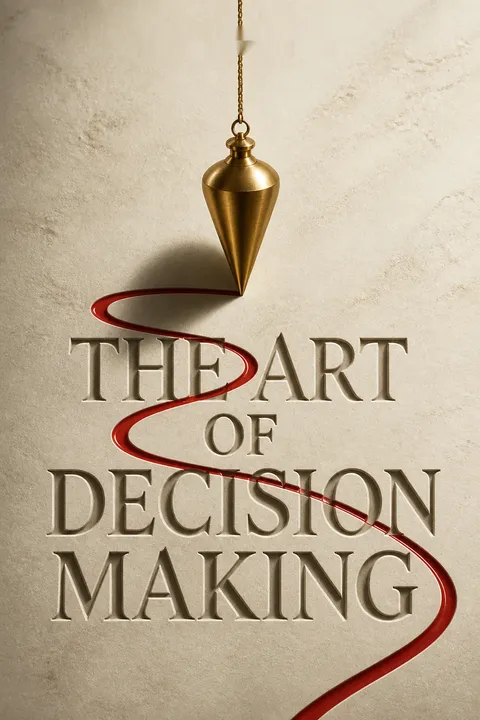

أهم النقاط
1. القرارات رحلات لاكتشاف الذات، وليست مجرد خيارات
"إذا كان للقرارات أن تخدمنا، فلا بد أن تنبع من نية إيجابية راسخة في أذهاننا. قد تكون مؤلمة، لكن ثمارها تستحق العناء."
استكشاف الذات هو المفتاح. لا تقتصر القرارات على مجرد المفاضلة بين الخيارات المتاحة، بل هي وسيلة نكتشف من خلالها حقيقة أنفسنا وما يهمنا حقًا. إنها تمنحنا فرصًا للنمو والوعي الذاتي، وغالبًا ما تكشف لنا عن جوانب في شخصياتنا لم نكن ندركها من قبل.
تقبل عدم الارتياح يقود إلى النمو. على الرغم من أن عملية اتخاذ القرار قد تكون مربكة وغير مريحة، إلا أن هذا الشعور غالبًا ما يكون مؤشرًا على أننا نتجاوز مناطق راحتنا المعتادة ونخوض تجربة تطور شخصي حقيقية. وحين ننظر إلى القرارات بوصفها فرصًا لاكتشاف الذات لا أعباءً ثقيلة، سنقبل عليها بفضول وانفتاح.
القرارات تصيغ هويتنا. يسهم كل خيار نتخذه في كتابة قصة هويتنا ومن نكون ومن سنصبح في المستقبل. ومن خلال اتخاذ القرارات بوعي ويقظة، نشارك بفاعلية في تشكيل معالم شخصيتنا ورواية حياتنا.
2. الخوف غالبًا ما يحجب مشكلات نفسية أعمق في عملية اتخاذ القرار
"الخوف رد فعل، أما الشجاعة فهي قرار."
فهم مخاوفنا. تنبع الكثير من الصعوبات التي نواجهها في اتخاذ القرارات من مخاوف عميقة كامنة في نفوسنا، مثل:
- الخوف من الفشل
- الخوف من النجاح
- الخوف من خيبة أمل الآخرين
- الخوف من المجهول
تأثيرات مرحلة الطفولة. غالبًا ما تشكل تجاربنا المبكرة أنماط اتخاذ القرارات لدينا. وإن إدراك كيفية تأثير أحداث الماضي وعلاقاتنا القديمة على خياراتنا الحالية يساعدنا على اتخاذ قرارات أكثر وعيًا ونضجًا.
التغلب على الخوف بالوعي. عندما نحدد مخاوفنا ونواجهها بشجاعة، نصبح قادرين على اتخاذ قرارات أكثر صدقًا وقوة. وتتطلب هذه العملية عادةً ما يلي:
- الاعتراف بالخوف وقبوله
- البحث في جذوره وأسبابه
- تحدي الأفكار والمعتقدات غير العقلانية
- اتخاذ خطوات صغيرة وجريئة نحو الأمام
3. الإبداع والحدس يلعبان دورًا حاسمًا في القرارات الفعالة
"يرتبط الحدس بالزمن؛ فالشخص الحدسي يمتلك القدرة على 'رؤية ما وراء المنعطفات'، والتنبؤ بمسارات الأمور، وهو أكثر اهتمامًا بالممكن والمستقبلي منه بالواقع الحالي الملموس."
الموازنة بين المنطق والحدس. على الرغم من الأهمية البالغة للتحليل العقلاني، فإن دمج الحدس والإبداع في قراراتنا يمكن أن يقودنا إلى حلول أكثر ابتكارًا وتناغمًا مع ذواتنا. وتشمل أساليب تعزيز اتخاذ القرارات الإبداعية ما يلي:
- العصف الذهني لتوليد خيارات متعددة
- تصور النتائج المحتملة وتخيلها
- البحث عن وجهات نظر متنوعة ومختلفة
- إتاحة الوقت الكافي للعقل الباطن ليعالج الأمور بهدوء
الثقة بالصوت الداخلي. يعتمد الحدس غالبًا على مخزون هائل من الخبرات والمعارف المتراكمة التي قد لا تكون حاضرة في عقلنا الواعي بشكل مباشر. وإن تعلم كيفية تمييز هذه الإشارات الحدسية والثقة بها من شأنه أن يرتقي بجودة قراراتنا.
تنمية الإبداع. إن الممارسات المنتظمة التي تحفز الإبداع — مثل الكتابة اليومية، أو التأمل، أو ممارسة الفنون — تقوي قدرتنا على النظر إلى القرارات من زوايا جديدة تمامًا وتوليد حلول مبتكرة.
4. الزخم والتدفق ضروريان للإقدام على خطوات حاسمة
"ينطبق على البشر ما ينطبق على ركوب الدراجة؛ فلن يتمكن المرء من الحفاظ على توازنه براحة إلا إذا ظل في حالة حركة مستمرة."
التغلب على الركود. غالبًا ما تمثل الخطوة الأولى الجزء الأصعب في عملية اتخاذ القرار. ومن خلال التركيز على خلق قوة دفع تدريجية عبر أفعال صغيرة ومستمرة، يمكننا التغلب على شلل التردد.
الوصول إلى حالة التدفق. عندما ننغمس تمامًا في عملية اتخاذ القرار، ندخل في حالة من "التدفق الذهني" حيث تتضح الخيارات وتصبح الأفعال أكثر تلقائية وسلاسة. وتتميز هذه الحالة بـ:
- التركيز العميق والكامل
- الشعور بالسيطرة والتحكم
- غياب القلق والوعي المفرط بالذات
- الدافع الداخلي الذاتي
الحفاظ على قوة الدفع. بمجرد أن ننجح في خلق هذا الزخم في قراراتنا، يصبح من الضروري الحفاظ عليه. ويتطلب ذلك:
- وضع أهداف واضحة ومحددة
- تقسيم القرارات الكبيرة إلى خطوات أصغر يسهل إدارتها
- الاحتفاء بالتقدم والإنجازات الصغيرة على طول الطريق
- تعديل المسار عند الحاجة دون فقدان قوة الدفع نحو الأمام
5. المنظور الشامل والمسافة يمنحاننا الوضوح في الخيارات الصعبة
"الشعاع المركزي وحده هو الذي يحظى بالدعم في وسطها، كأنه محفل موحد تدعمه سائر الأشعة الأخرى، ولذلك يستحق بحق أن يُدعى قائد الأشعة وأميرها."
خلق مسافة عاطفية. عندما نكون قريبين جدًا من القرار، يمكن للعواطف المشحونة أن تغيم على بصائرنا وتؤثر على أحكامنا. ومن الأساليب الفعالة لاكتساب منظور أوسع:
- تخيل أنك تقدم النصيحة لصديق يمر بنفس الموقف تمامًا
- التفكير في الكيفية التي سيبدو عليها هذا القرار بعد 10 أيام، و10 أشهر، و10 سنوات
- استكشاف وجهات نظر متعددة ومختلفة حول القضية المطروحة
إعادة صياغة المشكلة. غالبًا ما يؤدي التغيير البسيط في طريقة طرحنا للقرار وتأطيره إلى رؤى وأفكار جديدة تمامًا. وقد يشمل ذلك:
- تحديد القيم أو الأهداف الجوهرية الكامنة وراء الخيار
- النظر إلى القرار من منظور الأطراف الأخرى المعنية
- استكشاف مدى توافق هذا القرار مع رؤيتنا المستقبلية طويلة المدى
استخدام تقنيات التصور. يمكن أن يساعدنا التخيل الذهني في تبسيط القرارات المعقدة واكتساب الوضوح بشأنها. وقد يشمل ذلك تصور النتائج المحتملة أو استخدام الاستعارات والمجازات لفهم أبعاد القرار بشكل أفضل.
6. قراراتنا تصنع قصة ذات معنى لحياتنا
"ثق بنفسك: واصنع الشخصية التي تسعد بالعيش معها طوال حياتك. واستثمر في نفسك بأفضل طريقة ممكنة عبر تحويل شرارات الإمكانات الصغيرة الكامنة في داخلك إلى شعلة مضيئة من الإنجازات."
صياغة قصة حياتنا. يسهم كل قرار نتخذه في كتابة فصول قصة حياتنا المستمرة. وحين نقبل على قراراتنا بنية واعية ورؤية واضحة، فإننا نشارك بنشاط في تشكيل سيرتنا الذاتية والأثر الذي سنتركه وراءنا.
إيجاد الانسجام في خياراتنا. قد تبدو القرارات الفردية متفرقة ومنعزلة في ظاهرها، لكنها غالبًا ما تكشف عند تأملها عن أنماط وقيم جوهرية مشتركة. وإن مراجعة خياراتنا الماضية تساعدنا على فهم دوافعنا العميقة وتوجيه قراراتنا المستقبلية بحكمة أكبر.
العيش بصدق وأصالة. إن مواءمة قراراتنا مع حقيقتنا الداخلية تقودنا إلى حياة أكثر رضا وإشباعًا. ويتطلب ذلك:
- تحديد قيمنا الجوهرية بوضوح
- اتخاذ خيارات تعكس هذه القيم وتترجمها على أرض الواقع
- الاستعداد لاتخاذ القرارات الصعبة التي تحترم ذواتنا الحقيقية وتصونها
7. اللغة تشكل هويتنا وعملية اتخاذ قراراتنا
"كانت الكلمات في أصلها سحرًا، ولا تزال تحتفظ حتى يومنا هذا بالكثير من قوتها السحرية القديمة. فبالكلمات يستطيع المرء أن يسعد الآخرين غاية السعادة أو يدفعهم إلى قاع اليأس، وبالكلمات ينقل المعلم معرفته إلى تلاميذه، وبها يأسر الخطيب قلوب سامعيه ويوجه أحكامهم وقراراتهم."
قوة التأطير. إن الطريقة التي نصف بها القرار لأنفسنا وللآخرين تؤثر تأثيرًا بالغًا على النتيجة النهائية. فاللغة الإيجابية والمحفزة تمنحنا ثقة أكبر وتؤدي إلى قرارات أكثر فاعلية وحسمًا.
إثراء مصطلحاتنا القرارية. إن تطوير حصيلة لغوية غنية لوصف عملية اتخاذ القرار يساعدنا على اتخاذ خيارات أكثر عمقًا ودقة. وقد يشمل ذلك:
- تعلم مصطلحات ومفاهيم من نظرية اتخاذ القرار
- استخدام الاستعارات التعبيرية لوصف مواقف اتخاذ القرار
- تبني لغة تفتح آفاق النمو والاحتمالات الواعدة
الحوار الداخلي. إن الطريقة التي نتحدث بها مع أنفسنا بشأن القرارات تشكل أسلوبنا في التعامل معها ونتائجها. وإن بناء حوار داخلي داعم ومشجع يعزز ثقتنا وقدرتنا على اتخاذ قرارات ناجحة.
8. تقبل الغموض يقودنا إلى خيارات أكثر صدقًا وأصالة
"لا يتحقق التكامل والكمال بإقصاء جزء من كياننا، بل بدمج الأضداد واحتوائها."
قبول عدم اليقين. تنطوي معظم القرارات على قدر من الغموض الطبيعي. وإن تدريب أنفسنا على التعايش مع عدم اليقين يتيح لنا مرونة أكبر وقدرة أعلى على التكيف في اتخاذ القرارات.
دمج المتناقضات. بدلاً من النظر إلى القرارات كخيارات ثنائية حتمية (إما هذا أو ذاك)، فإن استيعاب التعقيد والطبيعة المتناقضة أحيانًا لرغباتنا يمكن أن يقودنا إلى حلول أكثر شمولاً وتكاملاً. ويتطلب ذلك:
- تحديد الأهداف التي تبدو متعارضة في الظاهر
- استكشاف كيف يمكن لهذه الأهداف أن يكمل بعضها بعضًا
- البحث عن حلول إبداعية تحترم الجوانب المتعددة لشخصياتنا
تنمية القدرة على تحمل الغموض. إن الممارسات التي تزيد من قدرتنا على تقبل الغموض والتعامل معه — مثل تأمل اليقظة الذهنية أو الانفتاح على وجهات النظر المتنوعة — تعزز مهاراتنا في اتخاذ القرارات في المواقف المعقدة.
9. "الصيغة النشطة" للإرادة تمنحنا القوة لاتخاذ قرارات تحولية
"هل يمكنني أن أقرر العيش بكامل جوارحي في الحياة التي أحياها الآن؟"
العمل الموجه نحو الحاضر. تتطلب "الصيغة النشطة" للإرادة الاندماج الكامل مع واقعنا الحالي والعمل في الوقت نفسه على تشكيل معالم مستقبلنا. ويجمع هذا الأسلوب بين قبول ظروفنا الراهنة وامتلاك القوة والقدرة على تغييرها وتطويرها.
التغلب على الحنين والندم. من خلال التركيز على هذه الصيغة النشطة، نتحرر من قيود الندم على الماضي ومخاوف المستقبل، مما يمنحنا القوة والحرية لاتخاذ قرارات حاسمة وفاعلة في لحظتنا الحاضرة.
التناغم مع جوهرنا الذاتي. تربطنا الصيغة النشطة للإرادة بأعمق قيمنا وتطلعاتنا، مما يثمر عن قرارات تبدو حقيقية ومتسقة تمامًا مع ذواتنا. ويتطلب ذلك:
- توضيح قيمنا الأساسية والجوهرية
- تحديد القرارات التي تتناغم مع تلك القيم وتدعمها
- الإقدام على خطوات جريئة تتماشى مع حقيقتنا وأصالتنا
Characters
Plot Devices
Analysis
ملخص المراجعات
يتلقى كتاب "فن اتخاذ القرار" آراءً متباينة من القراء؛ إذ يشيد البعض بطرحه العميق الذي يستكشف جوانب علم النفس والفلسفة والتاريخ، واصفين إياه بأنه يثير الفكر ويساعد على النمو الشخصي. وعلى الجانب الآخر، ينتقد البعض تعقيده، وافتقاره إلى النصائح العملية، وميله إلى الاستطراد في موضوعات جانبية. وفي حين يثني القراء الإيجابيون على عمق الكتاب وأسلوبه الفريد، تشير المراجعات السلبية إلى الإسهاب وصعوبة استخلاص معلومات قابلة للتطبيق الفعلي. وهكذا، يُنظر إلى الطبيعة المتداخلة للتخصصات والمحتوى الفكري للكتاب باعتبارهما نقطة قوة وضعف في آن واحد، وذلك بناءً على تطلعات القارئ وتفضيلاته الشخصية.
قرأ الآخرون أيضًا

الأسئلة الشائعة
What is "The Art of Decision Making" by Joseph Bikart about?
- Explores the psychology and philosophy of decision making, focusing on why we struggle to make choices and how to overcome indecision.
- Introduces the concept of "Decisiology," a methodology developed by Bikart to help individuals move from will to action.
- Examines the interplay between will, volition, and action, drawing on insights from psychoanalysis, philosophy, and neuroscience.
- Uses metaphors from literature, art, and history to illustrate the anatomy of decision making and the obstacles we face.
Why should I read "The Art of Decision Making" by Joseph Bikart?
- Gain a deeper understanding of the internal and external factors that influence your decisions, including fears, biases, and psychological patterns.
- Learn practical tools and reflective questions to improve your decision-making skills in both personal and professional contexts.
- Discover a unique blend of philosophical, psychological, and practical perspectives not found in typical self-help books.
- Benefit from Bikart’s experience coaching leaders and his innovative approach to overcoming indecision and achieving greater resolve.
What are the key takeaways from "The Art of Decision Making"?
- Indecision is often rooted in deeper psychological fears and defense mechanisms, not just a lack of information or willpower.
- Effective decision making requires self-awareness, the ability to manage risk, and the courage to accept imperfection and uncertainty.
- The process of decision making is dynamic, involving creativity, intuition, discernment, action, resolve, and completion.
- The quality of your decisions shapes your life’s narrative, and learning to decide well is essential for personal growth and fulfillment.
How does Joseph Bikart define "Decisiology" in "The Art of Decision Making"?
- Decisiology is Bikart’s methodology for understanding and improving decision making, developed through years of coaching and research.
- It aims to improve specific decision outcomes, empower individuals to make better decisions independently, and uncover the deeper threads behind challenging choices.
- The approach is heuristic, focusing on asking the right questions rather than providing pre-packaged answers.
- Decisiology integrates insights from psychoanalysis, philosophy, and practical coaching to address both the mechanics and the meaning of decision making.
What are the main psychological barriers to decision making discussed in "The Art of Decision Making"?
- Fear of making the wrong choice, missing out, failure, success, identification, lack of recognition, and selfishness.
- Defense mechanisms such as procrastination, perfectionism, outsourcing decisions to others or fate, and habitual avoidance.
- Deep-seated childhood fears of insufficiency (not enough) and engulfment (too much), which can manifest as "life traps."
- The tendency to remain in a pre-decision state for comfort, avoiding the pain of "cutting off" other options.
How does "The Art of Decision Making" explain the role of fear in indecision?
- Fear is both a protective and inhibiting force, often leading to risk aversion or irrational risk-taking depending on context.
- Bikart identifies seven categories of decision-related fears, grouped into fears about choices and fears about consequences.
- Fear of regret, failure, and even success can paralyze action, while fear of selfishness or lack of recognition can distort priorities.
- Understanding and naming these fears is the first step to overcoming them and making more authentic decisions.
What is the COSARC Pyramid in "The Art of Decision Making" and how does it structure decision making?
- The COSARC Pyramid is a six-chamber model: Creativity, Options, Selection, Action, Resolve, and Completion.
- Each chamber represents a stage in the decision-making process, from generating ideas to seeing a decision through to its end.
- The model emphasizes the importance of creativity and intuition at the start, discernment in selection, and resolve in following through.
- It also highlights where the Self can get "stuck" in the process, offering strategies to regain momentum and clarity.
How does Joseph Bikart recommend using intuition in decision making?
- Intuition is described as a profound, wordless source of insight, distinct from both instinct and rational thought.
- Bikart suggests creating conditions for intuition to flourish: allowing time, seeking quiet, and reflecting away from immediate pressures.
- Intuition is informed by experience and empathy, often providing a "feel-right" factor that complements rational analysis.
- He advises using intuition as a check on rational decisions, especially in complex or ambiguous situations.
What practical skills and strategies does "The Art of Decision Making" offer for better decision making?
- Managing risk by accepting, reducing, transferring, or avoiding it, and preparing for both positive and negative outcomes.
- Attaining detachment to act authentically and ethically, balancing personal and collective interests.
- Using reframing, seeking multiple options, and consulting others to break deadlocks and expand possibilities.
- Accepting imperfection, learning from feedback, and recognizing when a decision or project is truly complete.
How does "The Art of Decision Making" connect decision making to personal growth and individuation?
- Bikart argues that decision making is central to individuation—the process of becoming one’s true Self.
- Challenging decisions are opportunities for self-discovery, growth, and the integration of unconscious desires and fears.
- The narrative of your life is shaped by the "thread" of your decisions, not just individual outcomes.
- Embracing both chaos and order in decision making leads to greater maturity, fulfillment, and authenticity.
What are some of the most powerful quotes from "The Art of Decision Making" and what do they mean?
- “Where you are today, in your personal and professional life, is the result of decisions you once made. Where you will be in the future depends on the decisions you are about to take.” — Emphasizes the foundational role of decisions in shaping destiny.
- “The opposite of a decision is not the opposite decision. It is renouncing: renouncing our essential ability and duty to decide.” — Highlights the danger of passivity and the importance of agency.
- “We are only truly alive, as human beings, when we accept to stand at the edge of the abyss, ready to face our decisions.” — Suggests that growth and meaning come from confronting difficult choices.
- “The best decision making is not necessarily the most direct: it depends on the nature of your goals.” — Encourages openness to indirect paths and the value of process over immediate results.
How does "The Art of Decision Making" by Joseph Bikart differ from other self-help or decision-making books?
- Focuses on asking deep, reflective questions rather than providing formulaic answers, making it a heuristic rather than prescriptive guide.
- Integrates philosophy, psychoanalysis, neuroscience, and art, offering a multidimensional perspective on decision making.
- Addresses the existential and narrative aspects of decisions, not just the mechanics or outcomes.
- Provides a unique methodology (Decisiology) and practical frameworks (like the COSARC Pyramid) grounded in real-world coaching experience.
تحميل PDF
تحميل EPUB
.epub digital book format is ideal for reading ebooks on phones, tablets, and e-readers.








































