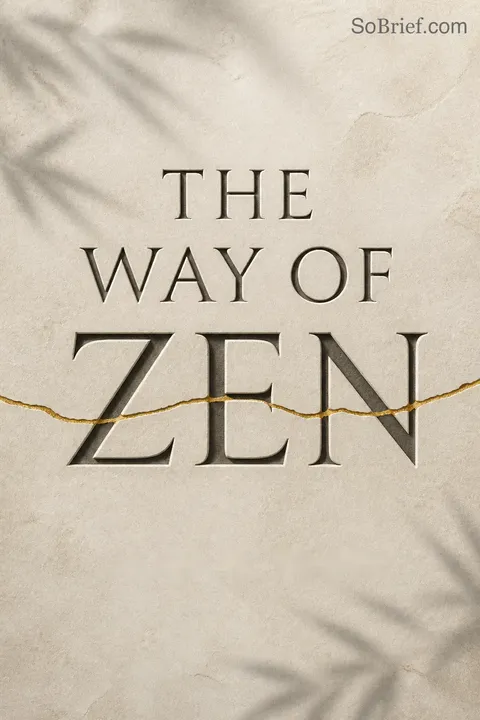

核心要点
1. 禅宗:直指觉悟之路
禅宗不将灵性等同于剥土豆时思考上帝的念头,禅的灵性即是剥土豆本身。
直接体验。 禅宗强调对现实的直接、个人体验,胜于理智理解或哲学概念。它旨在唤醒个体本已完整完美的真实本性。
超越言语与概念。 禅宗教导终极真理无法用言语或思想表达,借助多种方法帮助修行者超越概念思维,直接体验现实:
- 坐禅
- 公案(悖论式的问题或陈述)
- 师徒间的直接传承
日常觉悟。 禅宗视觉悟非遥远目标,而是每个平凡瞬间皆可即刻达成,鼓励修行者在简单日常中发现觉醒。
2. 道家哲学:顺应自发与非二元
大道无难,唯不择取。
道为自然之道。 道指宇宙根本法则——自然自发、无为而流。道家与禅宗皆强调顺应自然之流,而非抗拒。
非二元与相互关联。 道家与禅宗摒弃僵化的二元对立,视表面对立实为相互依存、终归一体:
- 善与恶
- 主体与客体
- 自我与他者
无为而为。 两者倡导无为,即顺应道而自发自然地行动:
- 不强求、不刻意
- 任事物自然展开
- 灵活应对环境变化
3. 大乘佛教:空性与慈悲
色即是空,空即是色。
空性(空)。 大乘佛教(含禅宗)教导诸法无自性,非独立存在。此非否认存在,而是强调依缘而生。
慈悲(悲)。 体悟空性自生慈悲,见众生相互关联。菩萨理想体现智慧与慈悲的结合:
- 为众生利益求觉悟
- 觉悟中仍积极参与世间
无执着。 理解空性引导无执着,不固守固定观念、经验或结果,令生命更自由自发。
4. 禅宗兴起:中国到日本
教外别传,不立文字,直指人心,见性成佛。
中国起源。 禅(中文称“禅”)源于印度佛教与中国本土思想(尤以道家)融合。重要人物包括:
- 菩提达摩(5-6世纪)
- 惠能(638-713)
- 临济(卒于866)
传入日本。 12至13世纪禅传入日本,深刻影响日本文化:
- 栄西(1141-1215)引入临济宗
- 道元(1200-1253)创立曹洞宗
文化影响。 禅宗强调简约、直接与自发,影响日本诸多领域:
- 艺术(绘画、诗歌、书法)
- 武术
- 茶道
- 园林设计
5. 禅修:坐禅与公案体系
学佛道者,学自我;学自我者,忘自我;忘自我者,万法皆成。
坐禅。 禅的核心修行是坐禅,即“只坐”:
- 专注姿势与呼吸
- 观察念头而不执着
- 培养当下觉知
公案修行。 公案为悖论式问题或陈述,挑战逻辑思维,激发顿悟:
- “一手拍掌声为何?”
- “父母未生前,你本来面目为何?”
日常修行。 禅强调将禅定觉知融入日常生活:
- 正念饮食、行走、工作
- 视每一行为修行机缘
- 培养持续觉察
6. 日常禅:正念与自发
饥则食,困则眠。
当下觉知。 禅鼓励活在当下,非沉溺于过去或未来思绪:
- 关注感官体验
- 全心投入每一活动
- 放下内心评判
自然自发。 禅重视心境清明、无杂念而生的自然行为:
- 无自我意识地行动
- 适时应对环境
- 信任内在智慧
平常心即道。 禅教导觉悟非脱离日常的特殊状态,而是清晰见到平凡中的非凡:
- 在平凡中发现不凡
- 不追求特殊体验
- 认知自身本具佛性
7. 禅与艺术:表达难以言说之境
野鹅无意投影,水无心接影。
禅的艺术表达。 多种艺术形式用以传达禅的洞见与美学:
- 书法与水墨画
- 诗歌(尤以俳句)
- 茶道
- 园林设计
核心美学原则:
- 简约与极简
- 自发与自然
- 欣赏不完美与无常
- 含蓄而非直白
超越技巧。 禅艺强调超越技法,直接表达真我:
- 修炼“无心”状态
- 让作品自然而然流露
- 视创作为禅修形式
读者评价
《禅之道》因其清晰且易于理解的禅宗入门介绍而备受赞誉,书中深入阐述了禅宗的历史、哲学与修行方法。读者普遍认可沃茨将复杂的东方理念传达给西方读者的能力,尽管部分内容对一些人来说较为晦涩难懂。此书因探讨禅宗对艺术与文化的深远影响而受到重视。虽然它并非实用指南,但被视为一部发人深省的著作,挑战传统思维,提供了关于生命、意识及现实本质的新视角。
其他人还在读




常见问题
What's The Way of Zen about?
- Exploration of Zen Buddhism: The Way of Zen by Alan W. Watts explores the philosophy and practice of Zen Buddhism, tracing its historical roots and cultural significance. It integrates elements from both Taoism and Buddhism, emphasizing a unique approach to liberation.
- Cultural Context: The book discusses the growth of interest in Zen in the West, particularly post-World War II, and its resonance with contemporary thought. It highlights parallels between Zen and modern scientific and psychological insights.
- Two-Part Structure: Divided into two main parts, the first focuses on the background and history of Zen, while the second addresses its principles and practices. This structure helps readers understand both the historical context and practical applications of Zen philosophy.
Why should I read The Way of Zen?
- Comprehensive Overview: Alan Watts provides a thorough introduction to Zen Buddhism, making it accessible for both beginners and those with prior knowledge. His engaging writing style and clear explanations demystify complex concepts.
- Cultural Exchange: The book encourages exploration of the intersections between Eastern and Western philosophies, fostering a deeper understanding of both. Watts emphasizes learning from Zen without directly importing it from its cultural origins.
- Personal Insight: Watts shares personal experiences and insights from studying Zen, adding a relatable and human element to the text. This invites readers to reflect on their own lives and beliefs.
What are the key takeaways of The Way of Zen?
- Zen as Liberation: Zen is presented as a "way of liberation" rather than a strict philosophy or religion, emphasizing direct experience and personal insight over dogma and intellectual understanding.
- Embracing the Void: A central theme is the acceptance of the "Great Void," which is not to be feared but embraced. True freedom comes from letting go of attachments and preconceived notions.
- Non-Duality: The book highlights the Zen perspective of non-duality, where distinctions between self and other, subject and object, dissolve. This understanding is crucial for achieving enlightenment.
What are the best quotes from The Way of Zen and what do they mean?
- "Above, not a tile to cover the head; Below, not an inch of ground for the foot.": This quote encapsulates the Zen attitude towards existence, emphasizing freedom and detachment from material concerns.
- "The Tao which can be spoken is not the eternal Tao.": Reflects the limitations of language in conveying reality's essence, underscoring that ultimate truths are beyond verbal expression.
- "Those who know do not speak; those who speak do not know.": Highlights the paradox of wisdom in Zen, suggesting that genuine insight transcends words and cannot be fully articulated.
How does The Way of Zen address the relationship between Zen and Taoism?
- Shared Philosophical Roots: Watts explores how Zen Buddhism is deeply influenced by Taoist thought, particularly in its understanding of nature and spontaneity. Both traditions emphasize living in harmony with the natural world.
- Complementary Practices: Zen incorporates Taoist practices, such as meditation and mindfulness, to achieve liberation. This blending enriches the Zen experience and offers diverse pathways to enlightenment.
- Cultural Exchange: Historical interactions between Zen and Taoism have shaped each other over time, leading to a unique synthesis that characterizes Zen as a distinctly Chinese form of Buddhism.
What is the role of meditation (za-zen) in Zen practice according to The Way of Zen?
- Central Practice: Za-zen, or sitting meditation, is fundamental in Zen, cultivating mindfulness and awareness. It allows practitioners to quiet the mind and connect with their true nature.
- Direct Experience: Meditation is not merely a technique but a means to experience reality directly, emphasizing presence without attachment to thoughts or distractions.
- Path to Enlightenment: Regular practice of za-zen leads to insights and awakenings, deepening understanding of oneself and the world, essential for realizing one's Buddha nature.
How does The Way of Zen explain the koan method?
- Definition of Koan: A koan is a paradoxical question or statement used in Zen practice to provoke deep thought and insight, often leading to moments of awakening.
- Purpose of Koans: Designed to exhaust the logical mind, koans push practitioners beyond conventional thinking to experience a direct understanding of reality.
- Training Process: Students engage with koans under a master's guidance, emphasizing personal discovery rather than rote memorization of answers.
What is "wu-wei" and how does it relate to Zen practice in The Way of Zen?
- Concept of Non-Action: Wu-wei translates to "non-action" or "effortless action," emphasizing alignment with the natural flow of life. In Zen, it encourages spontaneous, unforced action.
- Naturalness in Action: True effectiveness comes from allowing things to unfold naturally rather than forcing outcomes, aligning with Zen's belief in trusting intuition and inherent wisdom.
- Integration with Zen Philosophy: Wu-wei reflects the non-dualistic nature of reality, allowing individuals to experience a deeper connection to their true nature and the world.
How does The Way of Zen address the concept of enlightenment?
- Non-Duality of Enlightenment: Enlightenment is not a distant goal but an inherent aspect of our being, suggesting that we are already Buddhas at our core.
- Letting Go of Seeking: Pursuit of enlightenment can be counterproductive, as expressed in the quote, “To seek the Buddha and to seek the Dharma is precisely making karma for the hells.”
- Awakening in Everyday Life: Enlightenment is portrayed as a natural state realized through everyday actions and experiences, rather than through rigorous spiritual practices alone.
What is the significance of the "Bodhi Tree" in Zen according to The Way of Zen?
- Symbol of Awakening: The Bodhi Tree is where Siddhartha Gautama attained enlightenment and became the Buddha, symbolizing the potential for awakening within all individuals.
- Connection to Nature: Represents interconnectedness of all life and the importance of being present in nature, with Zen practice emphasizing mindfulness as a path to enlightenment.
- Cultural Heritage: Serves as a reminder of Zen's historical roots and evolution, connecting practitioners to the broader Buddhist tradition while embodying unique aspects of Zen philosophy.
How does The Way of Zen differentiate between Zen schools?
- Rinzai vs. Soto: Watts outlines differences between the Rinzai and Soto schools, particularly in their approaches to meditation and koan practice.
- Rinzai Emphasis on Koans: Focuses heavily on the koan method, encouraging intense seeking and doubt to provoke awakening.
- Soto Focus on Za-zen: Emphasizes za-zen as a practice of simply sitting and being present, without striving for specific outcomes or enlightenment.
What are the challenges of understanding Zen as presented in The Way of Zen?
- Cultural Differences: Western readers may struggle with Zen concepts due to cultural and philosophical differences, as Zen's non-linear, paradoxical nature can be challenging.
- Language Limitations: Language limitations in conveying Zen teachings can lead to misunderstandings, as many concepts are inherently ineffable.
- Personal Experience Required: Understanding Zen requires personal experience rather than mere intellectual study, with practice and meditation essential for grasping its essence.
关于作者
其他作品,作者: 阿伦·W·沃茨







下载 PDF
下载 EPUB
.epub digital book format is ideal for reading ebooks on phones, tablets, and e-readers.








































