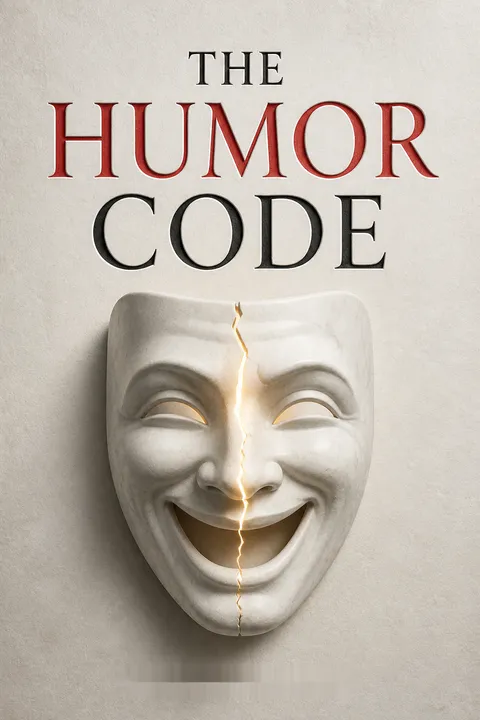

核心要点
1. 幽默是全球通用的语言,却有地方方言
幽默如同幸福,普遍存在却因人而异。
幽默的普遍性与独特表现。幽默是人类共有的能力,但其具体表现形式因文化而异。一种文化中令人捧腹的笑料,可能在另一种文化中让人困惑甚至反感。这凸显了文化背景在理解和欣赏幽默中的重要性。
文化差异的例子:
- 日本幽默常依赖共同的文化知识和细微的暗示,外人难以领会。
- 美国幽默更直接明了,常用讽刺、挖苦和自嘲。
- 美国的波兰笑话等族裔幽默,往往基于刻板印象,可能冒犯部分人群。
把握细微差别。理解这些文化差异对于有效沟通和避免误解至关重要。一种幽默在某种语境下奏效,换到另一种环境可能失效,因此跨文化交流时需保持敏感和警觉。
2. 良性违背理论:幽默的框架
根据这一修正理论,幽默产生于某事既显得错误、不安或威胁(即违背),又同时显得无害、可接受或安全(即良性)。
理论核心。良性违背理论认为,幽默源于对某事既感知为违背(错误、威胁或不安),又感知为良性(无害、可接受或安全)的微妙平衡。正是这种违背与安全的张力激发了愉悦感。
良性违背的例子:
- 下流笑话违背社会规范,但在轻松场合被接受。
- 双关语违背语言规则,却仍合语法。
- 挠痒违背个人空间,但因其玩笑性质而无害。
寻找平衡。成功幽默的关键在于找到适当的违背与良性程度。违背过度会冒犯或令人不快,违背不足则乏味无趣。“莎拉·西尔弗曼策略”(让令人不快的概念显得良性)和“塞恩菲尔德策略”(指出日常互动中的不合理)是两种平衡方式。
3. 喜剧源于局外人的视角
喜剧演员与人类学家共享一种观察方式。
局外人的优势。喜剧演员常具备独特能力,能跳出社会框架,批判性地观察。这种“局外人”视角使他们能发现他人忽视的荒谬与矛盾,成为幽默的肥沃土壤。
局外人身份的例子:
- 美国的少数族裔和文化群体因能从多重视角看世界,常在喜剧领域崭露头角。
- 许多喜剧演员经历艰难背景或个人挣扎,赋予他们独特的世界观。
培养双重意识。发展“二重意识”,即能从他人眼中看自己,是喜剧演员的宝贵资产。它帮助他们理解不同观众如何接受笑话,从而创作出更广泛共鸣的幽默。
4. 幽默创作的混沌与不完美科学
喜剧很少在理想环境中上演。
难以捉摸的公式。尽管存在幽默理论和技巧,但没有万无一失的成功公式。喜剧是一门复杂且不可预测的艺术,受观众、语境和表演方式等多重因素影响。
实验的重要性。喜剧演员不断尝试新素材,根据观众反馈调整表演。这种反复试验的过程是打造成功作品的关键。
直觉的作用。科学理论虽能揭示幽默之道,直觉与创造力同样不可或缺。顶尖喜剧演员常凭直觉和本能指导创作选择。
5. 笑声:不仅仅是对笑话的反应
真理无比幽默。
笑声的社交功能。笑声不仅是对笑话或幽默情境的反应,更承担重要社交功能,帮助建立联系、表达认同、缓解紧张。
现实中的笑声。研究显示,日常对话中的大多数笑声并非因笑话引发,而是因无害言语和社交暗示。这表明笑声主要是一种交流形式,而非纯粹情绪反应。
笑声的传染性。笑声极具传染力,仅听到笑声即可激活大脑镜像神经元,引发微笑或轻笑。这凸显了笑声强大的社交影响力及其营造连接与共鸣的能力。
6. 幽默的阴暗面:攻击与分裂
在幽默的名义下,社会允许无限的攻击,人人相互为敌。
幽默作为武器。幽默虽能带来积极力量,却也可用来伤害、强化刻板印象、制造分裂。贬低性笑话、种族刻板和性别歧视言论助长不容忍与歧视氛围。
可接受性的界限。无害幽默与冒犯攻击的界限常因人而异,且受文化影响。一人觉得好笑的笑话,另一人可能深感受伤。
语境的力量。笑话的语境极大影响其接受度。私下合适的笑话,公开场合可能极具冒犯性。
7. 在逆境中寻找幽默:生存的机制
幽默是悲剧加时间。
幽默作为应对工具。面对困境与痛苦,幽默成为宝贵的应对机制,帮助人们疏离痛苦,保持视角,在黑暗中寻找欢乐。
逆境中幽默的例子:
- 大屠杀幸存者用幽默应对集中营的恐怖。
- 苏联公民用政治笑话表达对共产政权的不满。
- 巴勒斯坦人用幽默应对被占领的生活挑战。
时机的重要性。幽默作为应对机制的效果常取决于时机。刚发生的悲剧可能不宜开玩笑,但随着时间推移,幽默有助于疗愈和理解艰难经历。
8. 语境为王:共享理解的力量
《纽约客》漫画的核心发现,不是单行标题,而是标题与画面共同传达的喜剧理念。
共享知识的重要性。幽默常依赖共享的文化知识、假设和暗示。一群人轻松理解的笑话,另一群人可能因缺乏共同语境而完全无法领会。
高语境与低语境文化。日本等文化属高语境,意义多隐含,依赖共享理解;美国等文化属低语境,交流更直接明确。
翻译的挑战。跨文化翻译幽默不仅需语言能力,更需深刻理解笑话产生的文化背景。
9. 幽默的商业化:从单口喜剧到全球媒体
单口喜剧或许是唯一一门其顶尖从业者常想转行的主要艺术形式。
喜剧的商业化。喜剧产业已成大生意,单口喜剧演员、情景喜剧编剧和电影制片人争夺市场份额。商业化有时导致喜剧质量稀释,艺术表达让位于利润最大化。
集体创作的兴起。许多大众喜剧形式如情景喜剧和电影由编剧团队合作完成。这种协作带来更精炼易懂的幽默,但也可能抑制创造力,产品趋于同质化。
追求真实的挣扎。面对商业压力,许多喜剧演员努力保持艺术诚信,忠于独特声音。挑战在于平衡商业成功与艺术理想。
10. 通往幽默之路:个人的蜕变
说科学无法助力喜剧,是忽视喜剧演员多年积累的经验。
实验的力量。理解幽默的旅程不仅是智力活动,更是个人蜕变。通过尝试不同喜剧技巧、探索新文化、挑战自身假设,作者们深化了对自我和世界的认识。
连接的重要性。此行最宝贵的收获是人际连接的重要性。幽默在最佳状态下,是架起隔阂、建立关系、共享欢乐与笑声的桥梁。
幽默的永恒之谜。尽管作者破解了部分幽默密码,他们也更加珍视这一复杂多面现象的持久神秘。幽默是一门不断演进的艺术,将持续激励和愉悦未来世代。
读者评价
《幽默密码》评价褒贬不一,评分从一星到五星不等。有些读者赞赏书中对全球幽默的深入探讨以及“良性违规”理论,欣赏作者们的旅行经历和对文化差异的洞察;而另一些读者则觉得内容散乱、枯燥,缺乏真正的幽默感。批评者认为本书未能兑现破解幽默密码的承诺,支持者则喜欢其游记与流行科学的结合。总体来看,读者普遍认为这是一个有趣的主题,但对其表现手法和娱乐价值存在分歧。
常见问题
1. What is The Humor Code by Peter McGraw about?
- Global search for humor: The book follows Peter McGraw and Joel Warner as they travel the world to investigate what makes things funny, blending scientific research with real-world adventures.
- Scientific and narrative blend: McGraw, a professor and humor researcher, applies psychological theories and experiments, while Warner provides journalistic storytelling and cultural observations.
- Key questions explored: The authors examine why we laugh, how humor works across cultures, and the social and psychological functions of humor.
- Diverse settings and stories: Their journey includes comedy clubs in the U.S., laughter epidemics in Tanzania, and controversial humor in places like Denmark and Japan.
2. Why should I read The Humor Code by Peter McGraw?
- Unique mix of science and storytelling: The book makes complex humor theories accessible and entertaining through engaging travel narratives and real-life experiments.
- Insight into humor’s power: Readers gain a deeper understanding of how humor functions socially, psychologically, and even politically, including its role in coping with adversity and bridging cultural divides.
- Practical takeaways: The book offers actionable advice for being funnier and understanding humor, useful for comedians, marketers, educators, and anyone interested in human behavior.
- Broader perspective: It challenges assumptions about humor, showing both its positive and negative impacts on individuals and societies.
3. What are the key takeaways from The Humor Code by Peter McGraw?
- Benign violation theory: Humor is best explained by the idea that something is funny when it is both a violation and benign at the same time.
- Cultural and contextual complexity: Humor is deeply influenced by culture, context, and audience, making it difficult to create universally funny material.
- Laughter as social glue: Laughter is more about social bonding and communication than just reacting to jokes.
- Practice and authenticity matter: Becoming funny requires experimentation, authenticity, and understanding your audience, not just innate talent.
4. What are the best quotes from The Humor Code by Peter McGraw and what do they mean?
- On dissecting humor: “Humor can be dissected, as a frog can, but the thing dies in the process and the innards are discouraging to any but the pure scientific mind.” —E. B. White, cited in the Authors’ Note, highlighting the challenge of analyzing humor without losing its essence.
- On humor’s complexity: “People say humor is such a complex phenomenon, you can’t possibly have one theory that explains it... It has to be the same for humor.” —Peter McGraw, emphasizing the search for a unifying theory.
- On humor’s role in life: The book repeatedly stresses that humor is a vital part of living, helping people connect, cope, and enjoy life.
5. What is the "benign violation theory" introduced in The Humor Code by Peter McGraw?
- Core concept: The theory posits that humor arises when something is perceived as both a violation (wrong, unsettling) and benign (safe, acceptable) at the same time.
- Improvement over past theories: It explains why some violations are funny while others are not, and why context, timing, and audience matter so much in comedy.
- Scientific validation: McGraw and colleagues tested the theory through experiments, such as stories about Keith Richards or the "fly-down" study, showing that people laugh most when a situation is both wrong and okay.
- Practical application: The theory helps comedians and writers craft jokes by balancing edginess with safety, and explains why humor can sometimes offend or fall flat.
6. How does The Humor Code by Peter McGraw explain what makes a person funny?
- Personality traits: Funny people often share traits like authenticity, skepticism, and a willingness to question norms; many comedians are introverted or disagreeable offstage but use humor to connect.
- Creativity and experimentation: Being funny is less about innate talent and more about generating many ideas, experimenting, and learning from feedback.
- Importance of delivery: Humor relies on intangibles like timing, confidence, and the ability to read the room, which can be developed through practice.
- Collaboration and playfulness: Working with others and maintaining a playful attitude increases the chances of creating successful humor.
7. How do comedians develop their humor according to The Humor Code by Peter McGraw?
- No single formula: Comedians like Louis C.K. stress that humor is complex and context-dependent, developed through trial, error, and constant stage experimentation.
- Training and practice: Comedy schools and classes teach joke-writing, timing, and audience interaction, but real success comes from extensive stage time and learning from failure.
- Balancing wit and warmth: Successful comedians often combine sharp wit with likability, making them both funny and relatable to audiences.
- Continuous refinement: Comedians constantly test and refine material, adapting to different audiences and cultural contexts.
8. How does The Humor Code by Peter McGraw address cultural differences in humor?
- Cultural specificity: Humor varies widely across cultures, with different comedic traditions, taboos, and social norms shaping what is considered funny.
- Examples from around the world: The book explores Japanese comedy forms like rakugo and manzai, and Scandinavian dark humor, highlighting challenges in translation and cultural understanding.
- Universal elements and limits: While some motifs, like the trickster, appear globally, many jokes are culture-specific and may not translate well.
- Context is crucial: Shared knowledge and context are essential for humor to succeed, explaining why jokes often fail across cultures.
9. What does The Humor Code by Peter McGraw reveal about the social and evolutionary functions of laughter?
- Laughter as social signal: Laughter primarily serves as a social cue, indicating safety, bonding, and shared understanding, rather than just a response to humor.
- Contagious and affiliative: Laughter is highly contagious and helps build social connections, often occurring in conversation rather than in response to jokes.
- Evolutionary roots: The book discusses how laughter evolved from primate play signals to promote social cohesion and learning.
- Types of laughter: It distinguishes between genuine (Duchenne) laughter and non-genuine laughter used for social manipulation.
10. How does The Humor Code by Peter McGraw explore the dark side of humor?
- Aggression and superiority: Humor can involve aggression, superiority, or cruelty, such as in racist or sexist jokes, reinforcing social hierarchies or causing harm.
- Historical and modern examples: The book discusses philosophers’ and religious leaders’ fears of laughter’s power, and modern controversies like the Danish Mohammad cartoons.
- Potential for conflict: Humor can provoke international incidents and social unrest, showing that it is not always harmless.
- Balancing act: The benign violation theory helps explain why some edgy humor is funny while other attempts are simply offensive.
11. What does The Humor Code by Peter McGraw say about humor’s role in coping, healing, and relationships?
- Coping with adversity: Humor helps people endure hardship, as seen in POWs, Holocaust survivors, and those living in conflict zones.
- Therapeutic uses: Practices like hospital clowns and laughter yoga improve emotional well-being, even if laughter doesn’t cure diseases.
- Limits of humor: The effectiveness of humor in coping depends on timing, context, and the severity of suffering.
- Humor in relationships: Humor is valued in mate selection, strengthens bonds, but can also create challenges if it attracts outside attention.
12. What practical advice and lessons does The Humor Code by Peter McGraw offer for being funnier and using humor effectively?
- Generate many ideas: Since most attempts at humor fail, creating a large pool of ideas increases the chance of success; collaboration helps.
- Balance edge and safety: Use the benign violation theory to find the sweet spot between being edgy and being acceptable, always considering your audience.
- Be authentic and playful: Humor works best when it’s honest and the humorist enjoys the process, inviting others to join in.
- Use humor for connection: Seek out people and experiences that make you laugh, and use humor to build social bonds and navigate life’s challenges.
下载 PDF
下载 EPUB
.epub digital book format is ideal for reading ebooks on phones, tablets, and e-readers.








































