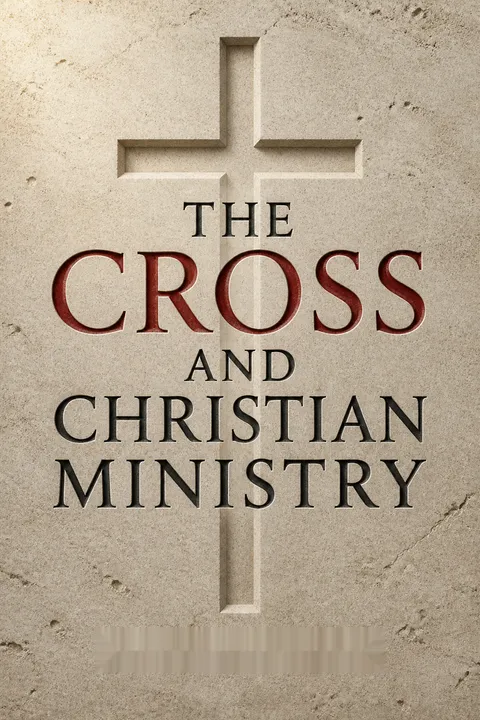

核心要点
1. 十字架划分人类,挑战世俗智慧
因为十字架的道理,在那灭亡的人看来是愚拙的;但在我们得救的人看来,却是神的大能。
神的智慧与人类预期相悖。 基督的十字架在人类中划出一道分界线,将认知其大能者与视之为愚拙者分开。这一悖论挑战了传统智慧和人的骄傲。
十字架揭示人类的不足。 它暴露了我们根深蒂固的悖逆和自我中心,表明我们无法自救。神特意拣选世人眼中软弱愚拙的,羞辱那自以为聪明和强壮的人,彰显救恩唯有靠祂的恩典而来。
接受十字架需谦卑。 要接纳基督被钉十字架的信息,必须放下人的自负,信靠神看似愚拙的计划。这种彻底的价值观转变构成了基督信仰与实践的根基。
2. 圣灵启示福音的智慧
没有圣灵的人不领受神圣灵的事,反倒以为愚拙,并且不能领会,因为这些事惟有属灵的人才能看透。
属灵的理解需神的启示。 圣灵在使信徒领悟福音中神所启示的智慧上扮演关键角色。若无圣灵的工作,十字架的信息便难以理解。
圣灵架起神与人之间的桥梁。 正如人的灵只有自己最明白自己的心思,惟有神的灵能向我们启示神的心意。这种神圣的光照是信仰和属灵成长的必要条件。
属灵的辨识超越人类智慧。 拥有圣灵的人能对属灵事作出判断,而无圣灵者无法理解。这种属灵洞察力提供了比世俗哲学更广阔、更全面的现实认知。
3. 属灵成熟拒绝教会中的派系纷争
有人说:“我属保罗”,有人说:“我属亚波罗”,难道你们不是属乎人的么?
分裂显露属灵不成熟。 当基督徒依附于特定领袖或教会派别时,表明其属灵成长不足。这种行为模仿世俗模式,违背基督对门徒合一的期望。
基督徒领袖是仆人,不是明星。 保罗强调他、亚波罗及其他领袖不过是基督的仆人,共同为神的旨意劳作。过分抬高人领袖,反而削弱了基督在教会中的核心地位。
在基督里的合一超越人类差异。 成熟的信徒明白万物都是属乎他们的,包括各样领袖和教导。这种视角促成更广泛、更包容的基督徒团契与学习。
4. 基督徒领袖服侍基督与福音
所以,人应当看我们是基督的仆人,是神奥秘事的管家。
领袖是神真理的管家。 基督徒领袖肩负忠心传讲福音的责任。他们的首要忠诚对象是基督,而非人的认可或世俗的成功。
忠心服侍胜过人的评价。 保罗强调领袖应关注神对其事工的评价,而非人的看法或文化标准。这种以神的认可为中心,塑造了领袖的优先次序和方法。
领导需诚信与自律。 保罗用竞技比喻说明基督徒领导所需的专注与自制。领袖必须“奔跑有目标”,时刻意识自己对神的责任。
5. 领袖必须以十字架为生命与领导的核心
我定意在你们中间不知道别的,只知道耶稣基督,并他钉十字架。
十字架必须居于核心。 基督徒领袖应始终聚焦基督被钉十字架的信息,让其塑造讲道、教导和个人行为。这种专注防止被外围议题或世俗智慧分心。
以十字架为中心的事工拒绝操控。 保罗摒弃花言巧语和人类说服技巧,转而依靠圣灵的大能单纯宣讲福音。此法确保信心根基在神的能力,而非人的智慧。
苦难与软弱彰显神的大能。 领袖若走十字架的道路,或将经历艰难和拒绝,但这些经历能有力地显明基督改变生命的真实。
6. 十字架呼召牺牲的生活与门徒训练
我击打我的身体,使它服我,免得我传福音给别人,自己反被弃绝。
跟随基督需自我否认。 十字架的信息呼召信徒过牺牲和纪律的生活。这种委身不仅限于领袖,而是塑造所有基督徒的优先次序和选择。
门徒训练是一场持续的争战。 保罗用“击打身体”的生动语言,描绘与罪恶和放纵的属灵争战。这场争战需不断警醒和努力。
永恒奖赏胜过暂时牺牲。 虽然门徒之路艰难,保罗强调那“永远的冠冕”价值非凡。这永恒视角激励信徒持守信心与顺服。
7. 世界基督徒超越文化障碍传福音
我向各人就成了各人,为要救些人。
文化灵活性服务于传福音。 保罗展现出愿意调整方法和生活方式,以便与不同群体沟通,目标始终是有效传达福音。
灵活有其界限。 虽然保罗“向各人就成了各人”,但他坚守基督律法的底线。这种平衡需智慧和辨别力,既尊重文化差异,又不妥协圣经核心真理。
福音优先超越个人权利。 保罗的榜样挑战信徒愿意放下个人偏好和文化舒适,为了将福音传给他人。这种牺牲的态度反映了基督十字架上自我奉献的爱。
读者评价
《十字架与基督教事工》因其对《哥林多前书》的深刻阐释而备受赞誉,特别强调十字架如何塑造基督徒的领导力与事工。读者们称赞卡森清晰且圣经根基深厚的教导,以及其对当代问题的切实关联。此书因其内容深刻、挑战性强的应用,以及对十字架在讲道和基督徒生活中核心地位的强调而广受推崇。尽管部分读者认为内容较为晦涩,但大多数人仍视其为牧师、领袖和成熟信徒调整事工、契合基督钉十字架信息的重要资源。
其他人还在读





常见问题
What's "The Cross and Christian Ministry" about?
- Focus on 1 Corinthians: The book is an exposition of key passages from 1 Corinthians, focusing on how the cross of Christ shapes Christian ministry and leadership.
- Centrality of the Cross: It emphasizes the cross as the test and standard for all Christian ministry, not just a means of salvation.
- Leadership Lessons: The book provides leadership lessons drawn from the Apostle Paul's teachings, particularly on how to serve and lead in a way that reflects the message of the cross.
Why should I read "The Cross and Christian Ministry"?
- Deepen Understanding: It offers a deeper understanding of how the cross influences Christian leadership and ministry.
- Practical Application: The book provides practical insights for applying biblical principles to modern ministry contexts.
- Challenge and Growth: It challenges readers to evaluate their own ministry practices and align them with the teachings of the cross.
What are the key takeaways of "The Cross and Christian Ministry"?
- Cross-Centered Ministry: The cross should be central to all aspects of Christian ministry, influencing both message and method.
- Servant Leadership: Christian leaders are called to be servants of Christ, entrusted with the gospel, and accountable to God.
- Cultural Flexibility: Effective ministry requires understanding and adapting to different cultural contexts without compromising the gospel.
How does D.A. Carson define a "world Christian" in the book?
- Global Perspective: A world Christian prioritizes allegiance to Christ above national, cultural, or racial identities.
- Church Commitment: They are committed to the global church, not just their local or national expression of it.
- Evangelistic Focus: Their primary aim is to evangelize and make disciples across cultural and national boundaries.
What is the significance of the cross in Christian leadership according to D.A. Carson?
- Servant Leadership: Leaders are to be servants of Christ, reflecting the humility and sacrifice of the cross.
- Accountability: Leaders are accountable to God for how they build the church, with the cross as their guiding standard.
- Suffering and Sacrifice: True leadership involves embracing suffering and sacrifice, following the example of Christ.
How does D.A. Carson address factionalism in "The Cross and Christian Ministry"?
- Spiritual Immaturity: Factionalism is a sign of spiritual immaturity and a misunderstanding of Christian leadership.
- Unity in Christ: Paul emphasizes unity in Christ, urging believers to focus on the gospel rather than human leaders.
- God's Temple: The church is God's temple, and leaders must build it with care, avoiding division and destruction.
What are the best quotes from "The Cross and Christian Ministry" and what do they mean?
- "The cross not only establishes what we are to preach, but how we are to preach." This highlights the cross as both the content and method of Christian ministry.
- "We are God’s fellow workers; you are God’s field, God’s building." This emphasizes the collaborative nature of ministry and the importance of building the church on the foundation of Christ.
- "I have become all things to all men so that by all possible means I might save some." This reflects Paul's commitment to cultural flexibility for the sake of the gospel.
How does D.A. Carson suggest Christian leaders handle cultural differences?
- Flexibility with Boundaries: Leaders should be flexible in cultural matters but remain firm on gospel essentials.
- Understanding and Adaptation: They should strive to understand different cultures and adapt their methods accordingly.
- Gospel Integrity: While adapting, leaders must ensure that the gospel message remains uncompromised and central.
What does D.A. Carson say about the relationship between the cross and the Holy Spirit?
- Revelation of the Cross: The Holy Spirit reveals the wisdom of the cross, which is hidden from the world.
- Spiritual Discernment: Understanding the cross requires spiritual discernment, which the Spirit provides.
- Empowerment for Ministry: The Spirit empowers believers to live out and proclaim the message of the cross.
How does "The Cross and Christian Ministry" address the concept of Christian maturity?
- Growth in Understanding: Maturity involves growing in understanding and applying the message of the cross.
- Unity and Love: Mature Christians avoid division and jealousy, striving for unity and love within the church.
- Holistic Development: Maturity encompasses both knowledge of the gospel and its practical outworking in life.
What role does self-denial play in Christian ministry according to D.A. Carson?
- Following Christ's Example: Self-denial is essential, reflecting the sacrificial nature of Christ's ministry.
- Prioritizing Others: Leaders should prioritize the spiritual well-being of others over their own rights and comforts.
- Gospel Advancement: Self-denial is a means to advance the gospel, removing barriers to effective ministry.
How does D.A. Carson interpret the concept of "God's wisdom in a mystery"?
- Hidden Wisdom: God's wisdom, particularly the message of the cross, was hidden in ages past but is now revealed.
- Revelation through Christ: This wisdom is fully revealed in Christ and is central to the gospel message.
- Contrary to Worldly Wisdom: It stands in contrast to worldly wisdom, which cannot comprehend the cross without the Spirit's revelation.
关于作者

下载 PDF
下载 EPUB
.epub digital book format is ideal for reading ebooks on phones, tablets, and e-readers.








































