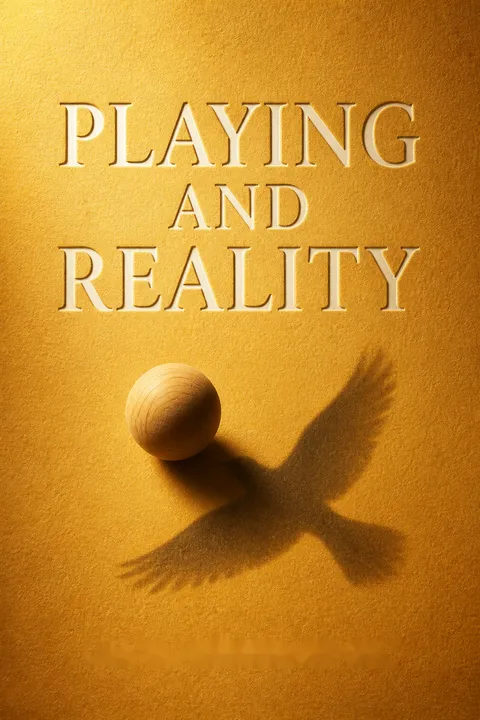

核心要点
1. 过渡物:连接内心与外界的桥梁
我的贡献在于请求接受、容忍并尊重一个悖论,而非试图解决它。
中间领域。 过渡物(如毛毯或泰迪熊)及相关现象(如咿呀学语或重复的旋律)存在于婴儿内心心理现实与外部世界之间的关键中间空间。它们是婴儿拥有的第一个“非自我”物品,标志着开始认识到自我之外的存在。这个领域至关重要,因为它不受质疑——我们不会问婴儿这物品是自己创造的还是发现的。
创造的悖论。 核心思想是一个悖论:婴儿出于需求和爱创造了过渡物,但该物品其实早已存在,等待被发现。接受这一悖论对健康发展至关重要。试图用理智去解决它,会丧失其价值,并可能阻碍幻象能力的发展,而幻象能力是艺术、宗教和创造性生活的基础。
物品的命运。 在健康状态下,过渡物不会被遗忘或压抑,而是逐渐失去其特定意义。它的功能扩散到更广泛的文化领域,成为艺术、宗教和想象生活中共享体验的基础。这个早期阶段,在“足够好”母亲的适应下,使婴儿获得必要的幻象,感受到其创造冲动与现实相呼应。
2. 潜在空间:游戏与文化的栖息地
我提出一个观点,供讨论其价值:创造性游戏和文化体验(包括其最复杂的发展)都发生在婴儿与母亲之间的潜在空间。
超越内外。 人类体验不仅限于内心心理现实或外部共享世界。还有第三个重要领域:潜在空间。这个空间存在于个体与环境之间,起源于婴儿与母亲的关系。这里是游戏的起点,并扩展至整个文化体验领域。
建立在信任之上。 潜在空间的广度和丰富性完全依赖于早期生活经历,特别是婴儿对母亲形象可靠性和依赖性的逐渐信任。这种信任使婴儿能够容忍分离的观念,因为“之间”的空间充满创造性活动。缺乏这种信任,空间可能极小或充满迫害性元素。
体验的连续性。 潜在空间是主观对象与客观感知对象相遇之地,是融合感与分离感交织的区域。它在个体间高度可变,不同于内外现实的相对固定性,其发展对连接个体与文化遗产、促进贡献至关重要。
3. 游戏:通向创造性生活与自我发现之路
只有在游戏中,个体儿童或成人才能发挥创造力,运用完整人格,且唯有创造才能让个体发现自我。
生命的本质。 游戏不仅是消遣,而是一种根本的创造性体验,对成长与健康至关重要。它是个体从婴儿期到成年期与世界互动、发现自我的主要方式。游戏使人格的各个层面得以发挥,这是其他活动难以比拟的。
区别于本能。 虽然游戏可能伴随身体兴奋,但其本质并非源于本能驱动或高潮。兴奋来自内心心理现实与外部物体操控之间的微妙互动。如果本能唤起过于强烈,游戏便停止或被破坏。游戏拥有自身的满足感,区别于本能的快感。
治疗核心。 在心理治疗和精神分析中,游戏居于核心地位。若患者无法游戏,治疗师的首要任务是帮助其达到能够游戏的状态。治疗发生在患者与治疗师游戏领域的重叠处。治疗师的角色常是提供可靠存在,使患者得以游戏、创造,最终发现自我。
4. 母亲的镜像:通过看见自己而存在
我认为,通常情况下,婴儿所见即是他或她自己。
首次映照。 对有视力的婴儿而言,母亲的脸是第一面镜子。当婴儿注视母亲时,映照回来的正是他们的自我,这基于母亲对婴儿所见的敏感回应。被看见和映照的体验对婴儿存在感的发展极为重要。
感知的基础。 这种最初在母亲脸上看到自己的体验,是后续感知的前奏。顺序是:“我看时,我被看见,因此我存在。我现在可以看见并感知。”若母亲持续未能映照婴儿,只展现自身情绪或防御,婴儿虽见母亲脸,却未见自己。这可能导致专注于单纯感知而非领悟,阻碍与世界的双向交流发展。
未被映照自我的心理病理。 未被充分映照的婴儿长大后可能感到不真实,或对镜子感到困惑。他们难以感受到被看见或与自身形象连接。母亲镜像角色的缺失,可能促成分裂状态及稳定自我感的困难,凸显环境在人格最初阶段的重要作用。
5. “存在”的能力:自我的根基
对纯粹、未受污染的女性元素的研究,引领我们走向存在,这构成自我发现与存在感的唯一基础……
超越“做”。 人格中同时包含男性与女性元素。男性元素关联“做”——本能驱动、活动及与独立对象的关系;而纯粹的女性元素根本在于“存在”。这种单纯存在、感受真实的能力,是自我发现和身份感形成的绝对前提。
原初认同。 女性元素与对象(如乳房)的关系,不是通过“做”来实现,而是通过“存在”或以非本能方式的认同。这种与对象的同一体验,为自我感奠定基础。它是一种统一状态,先于与独立实体“合一”的观念。
环境的必要性。 “存在”的能力非天生,而依赖于“足够好”的环境供给,尤其是母亲以可靠方式“存在”于婴儿身边。若母亲无法提供此种存在,婴儿可能无法发展出“存在”的能力,或存在感受损。这凸显环境行为是个体最初人格发展的内在部分。
6. 使用对象:生存、现实与破坏
正是对对象的破坏,使对象置于主体全能控制之外。
超越关系。 使用对象比单纯关系更为复杂。关系可能针对主观对象(投射),而使用对象则要求其被感知为真实、外在且属于共享现实。这一转变对真实世界的接触至关重要。
破坏的角色。 从关系到使用的关键步骤,是主体将对象置于其全能控制之外。这通过主体对对象的破坏冲动(无意识幻想)实现。对象必须经受住这破坏而存活。对象的存活(即不反击或质变)确认其独立存在与现实性。
现实与爱的基础。 对象经受破坏冲动的存活,使其稳固地处于外部现实。这种持续的无意识破坏,成为爱真实外部对象的必要背景。缺乏此经历,对象仍是主观现象,主体无法真正使用或与共享现实世界互动。
7. 梦境与幻想:真实体验与解离防御
相比之下,幻想仍是孤立现象,吸收能量却无助于梦境或生活。
整合体验。 梦境深刻连接内心心理现实与外部世界。它处理生活经历,促进个体自我与对象关系的形成。梦境与生活同属一类,彼此丰富,精神分析对此有深入理解。
静止孤立。 幻想(白日梦)则常为解离状态。它吸收心理能量,却停滞孤立,未能有效促进梦境或真实生活。它可能是对现实接触或内心体验强度的防御,有时源于早期创伤或维持隐秘全能感的需要。
临床区分。 虽微妙,但临床上极为重要。梦境材料可被解读,揭示与患者生活相关的多层意义。幻想因解离,常难以进入分析,表现为“无所作为”却内心忙碌,阻碍真实参与与成长。
8. 男性与女性元素:不同的关系与存在方式
男性元素“做”,女性元素(无论男女)“存在”。
普遍元素。 男性与女性元素存在于每个人体内,不论生物性别。它们代表了基本的世界与对象关系模式。理解其不同本质,是把握人格发展与心理病理复杂性的关键。
做与存在。 男性元素以“做”为特征,其对象关系由本能驱动(如口欲、施虐等)支撑,涉及与独立对象的互动。女性元素则以“存在”为特征,其主要关系方式是与对象的同一(如成为乳房),构成存在感与自我的基础。
解离与健康。 理想状态下两者整合,但常被严重分裂。严重解离多源于早期环境失败(如母亲无法认同男婴的男性身份),导致关系困难、身份混乱及特定心理病理。健康发展需整合两者,实现本能参与(“做”)与稳定自我感(“存在”)的统一。
9. 互相关联:超越本能走向认同
一种新的对象关系能力已发展,即基于外部现实与个人心理现实样本之间的互动。
“我存在”之后的关系。 个体获得“我是一个整体”的存在感,并建立内心心理现实(围绕抑郁位置)后,出现一种新颖复杂的对象关系能力。它超越了早期本能驱动的关系或原初认同,涉及内心世界与外部现实的动态交流。
连接机制。 这种能力基于内摄与投射认同机制的建立与运用。它使个体能够“设身处地”,关心他人,感受到被理解。这种关系形式更贴近情感与共情,而非单纯本能驱动。
临床意义。 这类机制的障碍会导致显著的人际问题,如缺乏关心、共情缺失或感到根本被误解与疏离。治疗工作常聚焦于帮助患者发展或强化此跨认同能力,促进与被视为独立复杂个体的他人建立更丰富、更紧密的关系。
读者评价
《游戏与现实》一书由D.W.温尼科特所著,因其对儿童发展、创造力及精神分析的深刻见解而备受推崇。评论者高度评价温尼科特关于过渡物、游戏以及“足够好”父母的概念。许多人认为此书意义深远,甚至改变了他们的生活,尤其对治疗师及心理学爱好者而言更具价值。然而,也有部分读者批评其语言陈旧,精神分析术语晦涩难懂,且缺乏实证支持。尽管存在这些不足,大多数读者仍然认可温尼科特独特的人类成长视角,以及他对创造力在有意义生活中重要性的强调。
其他人还在读
常见问题
1. What is "Playing and Reality" by D.W. Winnicott about?
- Exploration of Transitional Phenomena: The book investigates the concept of "transitional objects" and "transitional phenomena," focusing on the intermediate area between a child's inner reality and the external world.
- Developmental Psychology and Psychoanalysis: Winnicott draws from his experience as a pediatrician and psychoanalyst to discuss how play, creativity, and cultural experience emerge in early childhood and continue to shape adult life.
- The Role of Play: Central to the book is the idea that play is fundamental to emotional development, creativity, and the sense of self.
- Cultural and Clinical Implications: The book extends its analysis to the significance of cultural experience, the therapeutic process, and the development of individuality.
2. Why should I read "Playing and Reality" by D.W. Winnicott?
- Foundational Psychoanalytic Concepts: The book introduces and elaborates on key ideas like transitional objects, the potential space, and the importance of play, which are now foundational in psychoanalytic and developmental theory.
- Insight into Creativity and Self: Winnicott’s work offers a profound understanding of how creativity, play, and cultural engagement are essential for a fulfilling and authentic life.
- Clinical Relevance: Therapists, educators, and parents can gain practical insights into child development, the therapeutic process, and the roots of psychological health and pathology.
- Accessible and Rich Case Studies: The book is filled with clinical examples and real-life observations, making complex theories relatable and applicable.
3. What are the key takeaways from "Playing and Reality" by D.W. Winnicott?
- Transitional Objects Bridge Worlds: Objects like blankets or teddy bears help children transition from subjective omnipotence to recognizing external reality.
- Play as a Developmental Space: Play occurs in a "potential space" between inner and outer reality, fostering creativity, self-discovery, and cultural experience.
- Creativity is Essential to Living: Living creatively, not just complying with external demands, is central to feeling life is worth living.
- Therapeutic Implications: Psychotherapy is most effective when it enables patients to play, be creative, and use the therapist as a real object, not just a projection.
4. What are transitional objects and transitional phenomena according to "Playing and Reality"?
- Definition of Transitional Objects: Transitional objects are items (like a blanket or teddy bear) that a child uses to navigate the space between self and other, or inner and outer reality.
- Transitional Phenomena: These are behaviors and experiences (such as thumb-sucking, babbling, or playing with objects) that occur in the intermediate area between subjective experience and objective reality.
- Function in Development: Transitional objects and phenomena help the child gradually accept the separateness of the external world while maintaining a sense of continuity and security.
- Not Just Symbolic: The value of the transitional object lies not only in its symbolic meaning but in its actual use and the paradox it embodies—being both created by the child and existing independently.
5. How does D.W. Winnicott define "play" in "Playing and Reality"?
- Play as a Potential Space: Play takes place in a "potential space" between the child and the caregiver, neither wholly internal nor external.
- Foundation for Creativity: Play is the basis for creativity, cultural experience, and the development of the self.
- Distinct from Instinctual Activity: Winnicott distinguishes play from activities driven by instinct or mere compliance; play is inherently creative and satisfying.
- Therapeutic and Developmental Role: The ability to play is a sign of psychological health, and therapy aims to restore or enable play when it is absent.
6. What is the "potential space" in "Playing and Reality" by D.W. Winnicott?
- Intermediate Area of Experience: The potential space is the area between the individual and the environment, where play, creativity, and cultural experience occur.
- Origin in Early Relationships: It develops from the relationship between the baby and the "good-enough" mother, who provides a reliable environment for the child to explore.
- Location of Cultural Experience: Winnicott locates cultural experience, play, and transitional phenomena in this space, which is neither purely internal nor external.
- Variable Among Individuals: The size and richness of the potential space depend on early experiences of trust and reliability in caregivers.
7. How does "Playing and Reality" by D.W. Winnicott explain the development of the self?
- Creativity and Being: The self is discovered and affirmed through creative activity, especially in play, rather than through compliance or external achievement.
- Search for the Self: Many people seek their self in creative products, but true selfhood is found in the experience of being, not just doing.
- Role of the Environment: A "good-enough" environment is necessary for the child to relax, play, and eventually discover the self.
- Therapeutic Implications: Therapy provides a setting where formless, non-purposive experience can lead to creative impulses and self-discovery.
8. What is the significance of creativity in "Playing and Reality" by D.W. Winnicott?
- Creativity as a Way of Living: Creativity is not limited to artistic production but is a way of engaging with the world that makes life feel real and meaningful.
- Contrast with Compliance: Living creatively is contrasted with living in compliance, which leads to a sense of futility and lack of meaning.
- Universal Human Capacity: Creativity is seen as a universal human potential, present in all healthy individuals, not just artists.
- Threats to Creativity: Environmental failures, trauma, or excessive compliance can stifle creativity, leading to psychological distress or illness.
9. How does "Playing and Reality" by D.W. Winnicott describe the use of objects and object-relating?
- From Relating to Using: Winnicott distinguishes between relating to objects (which can be subjective) and using objects (which requires recognizing their independent existence).
- Destruction and Survival: The transition to using an object involves the child "destroying" the object in fantasy and experiencing its survival, which confirms its reality.
- Therapeutic Application: In therapy, the patient must be able to use the analyst as a real object, surviving the patient’s destructive impulses, for deep change to occur.
- Developmental Milestone: The capacity to use objects is a sophisticated achievement, dependent on both maturation and a facilitating environment.
10. What is the role of the mother and family in child development according to "Playing and Reality"?
- Mirror Role of the Mother: The mother’s face acts as a mirror, reflecting the baby’s self back to them and supporting the development of self-awareness.
- Holding, Handling, Object-Presenting: The mother provides holding (physical and emotional support), handling (care), and object-presenting (introducing the world), all crucial for healthy development.
- Family as Ongoing Mirror: As the child grows, the family continues to reflect the child’s self, supporting identity and self-esteem.
- Pathology of Non-Reflection: If the mother or family fails to reflect the child’s self, the child may develop a sense of unreality or seek self-reflection elsewhere.
11. How does "Playing and Reality" by D.W. Winnicott address adolescence and the transition to maturity?
- Adolescence as a Crisis of Growth: Adolescence involves a re-enactment of earlier developmental struggles, including issues of dependence, independence, and aggression.
- Role of the Family and Society: The family and society must provide containment and not abdicate responsibility, allowing adolescents to mature at their own pace.
- Immaturity as Potential: Winnicott values the immaturity of adolescence as a source of creativity, idealism, and new ideas, which should not be prematurely foreclosed.
- Dangers of False Maturity: Forcing adolescents into adult roles too soon can stifle their development and lead to psychological problems.
12. What are the best quotes from "Playing and Reality" by D.W. Winnicott and what do they mean?
- "It is in playing and only in playing that the individual child or adult is able to be creative and to use the whole personality, and it is only in being creative that the individual discovers the self."
- This quote encapsulates Winnicott’s central thesis: play is the foundation of creativity and self-discovery.
- "The potential space between baby and mother, between child and family, between individual and society or the world, depends on experience which leads to trust."
- Here, Winnicott highlights the importance of early relationships in creating the space for play, culture, and personal growth.
- "The object is a symbol of the union of the baby and the mother (or part of the mother). This symbol can be located."
- This quote explains the transitional object as a symbol of the child's evolving relationship with the mother and the world.
- "Creativity is the universal, and it belongs to health."
- Winnicott asserts that creativity is not a rare gift but a fundamental aspect of healthy living.
- "Psychotherapy takes place in the overlap of two areas of playing, that of the patient and that of the therapist."
- This statement redefines therapy as a shared creative process, not just interpretation or analysis.
下载 PDF
下载 EPUB
.epub digital book format is ideal for reading ebooks on phones, tablets, and e-readers.








































