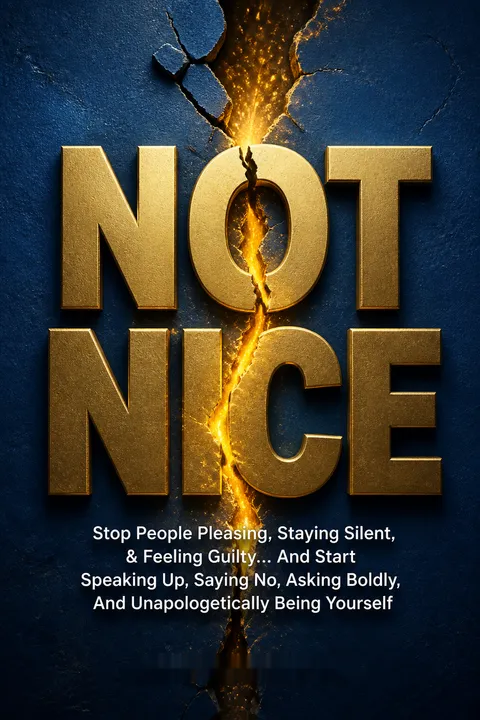

核心要点
1. 认识“好人”与取悦他人的高昂代价
“做好人不是好事吗?……或许吧……”
好人的阴暗面。 过分讨好他人、不断寻求认可,代价极高。它可能导致长期焦虑、内疚、怨恨,甚至身体上的痛苦。取悦行为往往源于恐惧,而非真诚的善意,形成自我怀疑和内心挣扎的恶性循环。
挣脱好人牢笼。 要摆脱过度讨好:
- 识别善意与基于恐惧的“好人”行为的区别
- 找出你的取悦行为及其深层动机
- 练习设立界限,表达真实自我
- 接纳不适感,将其视为成长和自我发展的信号
2. 理解健康内疚与破坏性内疚的区别
“健康的内疚源于真实价值观,帮助你保持正轨。破坏性的内疚来自你并不认同但小时候接受的错误规则。”
内疚如指南针。 健康的内疚是道德指南,促使我们与价值观保持一致,修正错误并从中学习。破坏性的内疚则源自内化的规则和期望,可能与真实自我不符。
摆脱破坏性内疚:
- 识别并质疑内化的“应该”和“必须”
- 区分真实价值观与社会期望
- 面对内疚时练习自我慈悲
- 将内疚重新解读为成长和自省的机会
3. 拥抱你的阴影,发挥其力量
“你的阴影是你最大的力量源泉,因为它本身就是原始的生命能量。”
整合阴影。 阴影包含被压抑的自我部分,包括欲望、愤怒及其他“负面”情绪。承认并整合这些部分,能激发强大的能量和真实感。
利用阴影能量:
- 通过阴影日记探索被压抑的思想和情绪
- 进行“确定性宣泄”,安全表达被压抑的感受
- 将阴影能量转化为自信和自我表达的动力
- 认识到拥抱阴影带来更深的自我接纳和真诚的人际关系
4. 建立健康界限,承担自身需求的责任
“你不必为别人的情绪负责。”
夺回个人力量。 健康的界限帮助我们区分自己的责任与他人的责任。承担自身需求和情绪的责任,赋予自己力量,建立更真实的关系。
建立健康界限:
- 识别并尊重自己的需求和愿望
- 学会对不符合价值观或能力的请求说“不”
- 清晰且尊重地表达界限
- 允许他人对自己的情绪和选择负责
5. 学会为自己发声,应对困难对话
“好人的对立面是真实。”
找到你的声音。 为自己发声是个人成长和健康关系的关键。即使感到不适或可能遭遇反对,也要真实表达想法、感受和需求。
有效自我表达策略:
- 使用“我”语句表达感受和需求
- 练习七步法应对困难对话
- 接纳不适感,视其为成长和真实的标志
- 记住,发声最终有益于你和你的人际关系
6. 培养健康的自我关怀,克服“自私”恐惧
“自我牺牲并不让你成为无私的‘好人’,反而会逐渐消耗你的能量,带来痛苦,伤害亲近的人。”
重新定义自私。 健康的自我关怀不是忽视他人需求,而是平衡自身与他人的需求。它让你在关系中更真实、更慷慨地出现。
培养健康自我关怀:
- 识别并挑战关于自私的信念
- 在小事上练习优先考虑自己
- 运用“自私算法”做出平衡决策
- 认识到照顾自己能让你更好地陪伴和支持他人
7. 练习无愧地说“不”,勇敢表达所需
“请求是与他人连接的关键,也是满足关系中需求的最有效方式。”
“不”和“是”的力量。 学会对不符合价值观或能力的事说“不”,为真正重要的事腾出空间。同样,直接表达所需对满足需求、建立充实关系至关重要。
掌握拒绝与请求:
- 在低风险场合练习说“不”,建立自信
- 用清晰直接的语言拒绝请求
- 明确真实愿望,练习表达
- 记住,表达需求让他人有机会支持你
8. 从寻求认可转向真实自我表达
“你得到的,正是你认为自己应得的。”
打破认可依赖。 不断寻求认可导致不真实和关系不满足。将关注点从外部验证转向自我接纳,能建立更真诚的连接和更强的自我感。
迈向真实自我表达:
- 识别寻求认可的行为及其背后恐惧
- 练习表达真实想法和感受,即使与他人不同
- 培养自我认可和自我肯定
- 认识到真实吸引更有意义的关系
9. 克服对冲突的恐惧,学会有效分歧
“如果双方都真实诚实,分歧是不可避免的。”
拥抱健康冲突。 冲突是人际关系的自然部分,妥善处理能促进成长和更深理解。学会尊重地处理分歧,能增强关系和个人诚信。
有效分歧策略:
- 练习轻松分歧,建立信心
- 用幽默分歧保持关系同时表达不同意见
- 必要时直接分歧,聚焦问题而非人身攻击
- 记住,分歧不必威胁关系,反而能促进关系
10. 平衡关系中的付出与接受,实现长远满足
“付出 + 无选择权 = 怨恨”
怨恨公式。 持续无回报或无选择的付出导致倦怠和怨恨。健康关系需付出与接受平衡,双方都能表达需求和界限,感到被赋权。
打造平衡关系:
- 识别关系中过度付出和怨恨的迹象
- 练习表达需求,允许他人给予
- 设立付出界限,确保出于自愿
- 记住,接受与付出同等重要,助力关系满足感
读者评价
《不讨好》一书评价褒贬不一,许多读者称赞其关于自信与真我的深刻见解,认为书中实用的练习和贴近生活的案例极具启发性。然而,也有部分读者批评其篇幅冗长、内容重复,且偶尔语气令人反感。该书尤其触动了那些讨好型人格和社交焦虑者,提供了克服这些困扰的有效工具。尽管有读者觉得作者的观点新颖独特,但也有人认为其方法过于自我中心。总体来看,读者普遍认可本书在个人成长方面的潜力,但建议读者有选择地吸收其中的原则。
其他人还在读








常见问题
What's Not Nice about?
- Core Concept: Not Nice by Aziz Gazipura challenges the notion that being nice is always beneficial, suggesting that it often stems from fear and leads to negative emotions like anxiety and guilt.
- Personal Journey: The author shares his experiences with people-pleasing, highlighting how it hindered his personal growth and relationships, and emphasizes the importance of authenticity.
- Transformation Focus: The book provides a roadmap for breaking free from the constraints of niceness, encouraging readers to embrace their true selves and express their needs and desires.
Why should I read Not Nice?
- Overcoming People-Pleasing: If you struggle with anxiety about others' opinions or feel guilty for asserting yourself, this book offers practical strategies to reclaim your voice.
- Improving Relationships: The insights in Not Nice can help you build deeper, more authentic connections by encouraging honest communication and boundary-setting.
- Personal Empowerment: Dr. Gazipura provides tools to help you become more confident and assertive, leading to a more fulfilling life.
What are the key takeaways of Not Nice?
- Understanding Niceness: The book distinguishes between being nice and being kind, emphasizing that true kindness comes from authenticity, not fear.
- Five Pillars of Not Nice: Dr. Gazipura outlines five essential practices: Have Boundaries, Own Your Shadow, Speak Up, Be More Selfish, and Say No.
- Action Plan: The book includes a 30-day action plan to help readers implement the concepts and strategies discussed, fostering lasting change.
What are the best quotes from Not Nice and what do they mean?
- "Being nice does not come out of goodness or high morals.": This quote encapsulates the book's central thesis that niceness is often a mask for deeper insecurities.
- "You are not responsible for other people’s feelings.": This statement challenges the reader to let go of the burden of managing others' emotions, promoting personal freedom and authenticity.
- "The opposite of nice is being real.": This highlights the importance of authenticity over superficial niceness, encouraging readers to express their true selves.
What are the five pillars of Not Nice?
- Have Boundaries: Establishing clear boundaries is essential for maintaining personal integrity and ensuring that your needs are met.
- Own Your Shadow: Acknowledging and accepting all parts of yourself, including the less desirable traits, is crucial for personal growth.
- Speak Up: This pillar emphasizes the importance of expressing your thoughts and feelings openly, fostering authentic communication.
- Be More Selfish: Embracing self-interest allows you to prioritize your needs and desires, leading to more effective relationships.
- Say No: Learning to say no is vital for maintaining boundaries and protecting your time and energy.
How can I implement the concepts from Not Nice in my life?
- Start Small: Begin by identifying situations where you feel pressured to be nice and practice asserting yourself in low-stakes scenarios.
- Use the Peace Process: Dr. Gazipura introduces a technique to process feelings of guilt and anxiety when asserting yourself.
- Create Your Bill of Rights: Draft a personal list of rights that affirm your desires and boundaries.
What is the Peace Process mentioned in Not Nice?
- Emotional Awareness: The Peace Process involves tuning into your body to identify where you feel discomfort related to guilt or anxiety.
- Surrendering to Feelings: Instead of resisting uncomfortable feelings, you learn to accept and feel them fully.
- Reclaiming Power: By facing your feelings head-on, you reclaim your emotional power and reduce the anxiety associated with pleasing others.
How does Not Nice address the fear of conflict?
- Conflict as Normal: Dr. Gazipura reframes conflict as a natural part of relationships rather than something to be avoided.
- Tools for Confrontation: The book provides strategies for handling conflict assertively, such as using "I" statements.
- Empowerment through Boundaries: Establishing boundaries allows you to engage in conflict without feeling overwhelmed or guilty.
What is the significance of having boundaries according to Not Nice?
- Self-Identity: Boundaries help you define who you are and what you stand for.
- Healthy Relationships: Establishing boundaries fosters mutual respect and understanding in relationships.
- Personal Empowerment: Having boundaries empowers you to prioritize your needs and desires.
How can I overcome the guilt associated with being less nice?
- Acknowledge the Guilt: Recognize that guilt is a natural response when you start asserting yourself.
- Reframe Your Thoughts: Challenge the belief that being less nice makes you a bad person.
- Practice Self-Compassion: Treat yourself with kindness as you navigate this transition.
What is the "shadow" in Not Nice?
- Definition of Shadow: The shadow represents the parts of ourselves that we deem unacceptable or undesirable.
- Importance of Embracing the Shadow: Acknowledging and integrating your shadow can lead to greater self-acceptance and personal power.
- Practical Exercises: The book includes exercises, such as journaling about your shadow, to help you explore and understand these hidden parts of yourself.
What is the "Hell Yes or Hell No" concept in Not Nice?
- Decision-Making Framework: The concept encourages individuals to only engage in activities or relationships that elicit a strong positive response.
- Empowerment in Choices: This framework empowers readers to prioritize their desires and needs.
- Clarity in Intentions: By adopting this mindset, individuals can make clearer decisions that align with their authentic selves.
关于作者



下载 PDF
下载 EPUB
.epub digital book format is ideal for reading ebooks on phones, tablets, and e-readers.








































