
核心要点
1. 接纳金钱作为成长与服务的工具
“金钱是以货币形式体现的福祉与繁荣,是对自己和他人的关怀与服务。”
金钱是一种积极的力量。与普遍认知相反,金钱本身并非邪恶。它是一种中性的工具,只要以正确的心态对待,便能带来巨大的善意。将金钱视为个人成长和服务他人的手段,能够在你的人生和周围世界中创造积极的影响。
平衡自利与利他。有效利用金钱的关键在于找到自我利益与无私奉献之间的平衡。这意味着:
- 追求财务成功以改善自身生活和福祉
- 利用财富支持有益他人的事业和项目
- 创造一个不断增长与回馈的良性循环,逐步放大你的积极影响
通过这种视角,你能克服对财富的负面情绪和内疚,将金钱视为推动个人与社会进步的强大工具。
2. 理解金钱的本质与目的
“金钱不过是高效、公平且被普遍信任的价值储存与交换媒介,服务于人类的进化。”
金钱作为交换媒介。金钱的核心功能是作为一种被普遍接受的价值交换工具。它使得:
- 交易高效,无需以物易物
- 不同商品和服务的价值得到公平体现
- 财富得以储存以备未来使用
信任与流通速度。金钱的有效性依赖于两个关键因素:
- 信任:集体对货币价值和稳定性的信念
- 流通速度:货币在经济中循环的速度
理解这些基本特性,有助于你做出更明智的财务决策,洞察自身行为对更广泛经济的影响。
3. 培养财富思维,突破限制性信念
“生来贫穷不是你的错,死时贫穷才是你的错。”
识别并挑战限制性信念。许多人潜意识中持有阻碍财务成功的观念,常见的有:
- “金钱是万恶之源”
- “富人都是贪婪的”
- “我不配拥有财富”
要突破这些障碍,需主动质疑对金钱的假设,用积极的信念取代消极的想法。
拥抱富足心态。不要将财富视为稀缺或有限,而应相信资源充足。这种转变能:
- 激发对财务机会的积极态度
- 减少恐惧和匮乏驱动的决策
- 培养慷慨与合作的思维模式
通过培养财富思维,你将开启更多财务可能,为长期成功奠定基础。
4. 掌握财富创造的公式
“W = (V + FE) × L”
财富方程。财富创造由三大要素构成:
- 价值(V):你为他人提供的服务或产品
- 公平交换(FE):确保交易双方均获益
- 杠杆(L):通过系统、团队或技术放大你的努力
公式的应用。要实现可持续财富:
- 专注于为他人创造真实价值
- 确保定价反映产品或服务的真实价值
- 寻找通过杠杆扩大影响力的方法
持续运用此公式,能为你在任何行业或市场环境中构建稳固的财富生成框架。
5. 有效利用时间与资源
“金钱喜爱速度。”
时间是宝贵的资源。要最大化时间价值,应:
- 优先处理高影响力的任务(创造收入的关键活动)
- 委托或剔除低价值的事务
- 投资于节省时间的系统和流程
善用其他资源。除了时间,还应利用:
- 他人的技能与专业知识
- 技术与自动化工具
- 金融工具和投资渠道
通过有效杠杆多种资源,你能成倍提升生产力和财富创造能力。
6. 发展多元收入来源
“普通百万富翁拥有三条收入来源。”
收入多元化。依赖单一收入风险大且受限,应努力发展多条收入渠道,如:
- 来自主业或企业的主动收入
- 投资或租赁物业带来的被动收入
- 知识产权的版税收入
- 兼职业务或咨询服务
平衡与成长。发展多元收入时应:
- 先从一条主收入开始,逐步增加其他来源
- 兼顾主动与被动收入
- 持续评估并优化各收入流的效率
多元化收入能带来更稳健的财务基础,提升财富积累潜力。
7. 练习智慧的资金管理与财务规划
“你必须先学会管理已有的财富,才能管理更多财富。”
预算与追踪。建立收入与支出的监控系统:
- 利用应用或表格跟踪现金流
- 分类支出,找出改进空间
- 设定财务目标并定期检查进展
战略储蓄与投资。制定资源分配计划:
- 自动化储蓄,先支付自己
- 建立应急基金应对突发开支
- 投资多元化组合,符合风险承受能力和目标
掌握理财基础,为财富的积累与保值打下坚实根基。
8. 拥抱创业精神与创新
“颠覆即新秩序,唯一不变的是变化。”
培养创业心态。即便不经营企业,采纳创业思维也能带来更大成功:
- 寻找在现有岗位或行业内创新的机会
- 保持适应性,乐于接受变化
- 计算风险,勇于从失败中学习
识别并抓住趋势。关注可能颠覆行业或创造新机遇的新兴趋势与技术:
- 关注领域内的最新进展
- 与前瞻性人士建立联系
- 必要时灵活调整策略
拥抱创业与创新,助你在不断变化的经济环境中立于不败之地。
9. 服务他人,创造持久财富
“找到自我的最好方式,是在为他人服务中迷失自我。”
专注解决问题。真正的财富源于为他人创造价值。要实现持久成功:
- 识别市场中的紧迫问题或需求
- 开发切实改善人们生活的解决方案
- 根据反馈不断优化产品或服务
平衡自利与利他。服务他人时应:
- 确保自身努力获得公平回报
- 重新投资于自身和业务,提升服务能力
- 寻找回馈社会和支持公益的机会
以服务为先,构建可持续的财富创造模式,惠及个人与社会。
10. 持续学习,投资个人成长
“学得越多,赚得越多。”
坚持终身学习。在快速变化的世界中,持续教育至关重要:
- 阅读相关领域和个人兴趣的书籍与文章
- 参加工作坊、研讨会和会议
- 寻找导师,借鉴他们的经验
投资自己。将个人发展视为重要投资:
- 分配时间和资源提升技能与知识
- 勇于走出舒适区,实现成长
- 将新知应用于工作和生活
优先持续学习与成长,提升市场价值,开启财富创造的新机遇。
读者评价
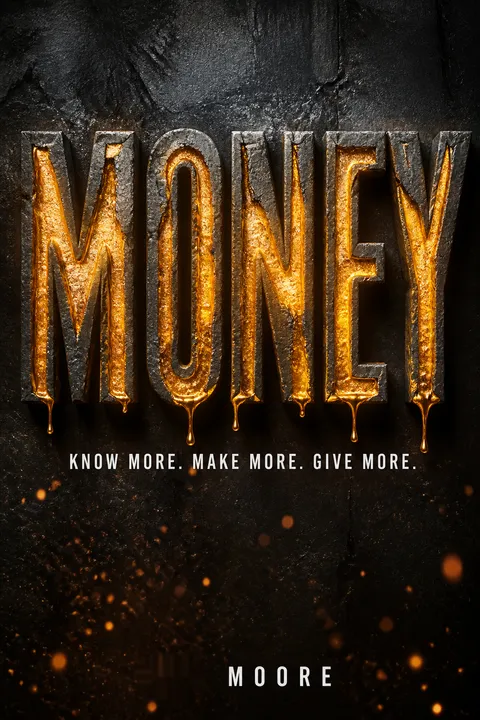
《财富:知多一点,赚多一点,给予多一点》评价不一。一部分读者赞赏其真实的见解和切实可行的财富创造建议,认为作者摩尔的个人经历和改变思维方式的方法尤为宝贵;而另一部分读者则批评内容重复,结构松散,且带有明显的资本主义倾向。支持者认为书中关于财务规划和创业的理念具有实用价值,能够启发思考;反对者则认为其深度不足,更适合初学者或有意创业的人群。总体来看,这本书在不同读者中引发了多样的反响。
其他人还在读






常见问题
What is Money: Know More, Make More, Give More by Rob Moore about?
- Comprehensive money philosophy: The book explores the psychology, history, and practical systems of money, aiming to dispel negativity and guilt around wealth.
- Balanced spiritual and material approach: Rob Moore combines spiritual and material perspectives, teaching readers to love money, use it for good, and serve both themselves and others.
- Practical strategies: It covers myths, money mastery, and actionable systems to help readers make, grow, and give more money ethically and sustainably.
- Personal growth and trust: The book emphasizes that trust in yourself attracts money, and personal development is key to building lasting wealth.
Why should I read Money: Know More, Make More, Give More by Rob Moore?
- Break limiting beliefs: The book helps readers reprogram common money myths and limiting beliefs that hold them back from wealth.
- Learn from real experience: Rob Moore shares his journey from debt to millionaire, offering relatable stories and practical advice.
- Holistic wealth approach: It combines mindset, personal development, practical strategies, and ethical giving for a balanced path to wealth.
- Empowerment and mindset: Readers are encouraged to take responsibility, embrace abundance, and develop a positive, strategic money mindset.
What are the key takeaways from Money: Know More, Make More, Give More by Rob Moore?
- Trust is foundational: Trust reduces friction in transactions and is the basis of personal and business reputation.
- Leverage and compounding: Using leverage (time, money, systems, people, ideas) and understanding compounding are essential for exponential wealth growth.
- Personal GDP (YGDP): Wealth is measured by the flow and velocity of money you generate, not just your net worth.
- Philanthropy and purpose: Giving back and having a clear purpose attract more wealth and create a lasting legacy.
What are the major money myths addressed in Money: Know More, Make More, Give More by Rob Moore?
- Money and happiness: The book debunks the myth that money doesn’t make you happy, arguing that it enables more of what brings joy.
- Rich get richer: Moore explains that money flows to those who value it most, emphasizing personal responsibility over victimhood.
- Making money is hard: He stresses that making money is a learnable system, especially with modern technology and opportunities.
- Greed and money: The book reframes greed as growth and highlights the importance of balancing self-interest with contribution.
How does Rob Moore define money and its purpose in Money: Know More, Make More, Give More?
- Money as exchange: Money is an efficient, fair, and universal medium of exchange that replaced barter and solved trade limitations.
- Four economic purposes: It serves as a medium of exchange, unit of account, store of value, and standard of deferred payment.
- Money is trust: The value of money depends on trust and belief; it must keep moving to function effectively.
- Spiritual and material balance: Money is seen as spirit converted into matter, enabling fair exchange and human progress.
What is the "formula for wealth" in Money: Know More, Make More, Give More by Rob Moore?
- Wealth formula: Wealth = (Value + Fair Exchange) × Leverage.
- Value creation: Wealth is built by providing valuable services or solutions that others desire.
- Fair exchange: Sustainable wealth comes from balanced transactions where both parties feel satisfied.
- Leverage: Scaling your value and fair exchange through leverage multiplies your wealth potential.
What is the concept of "You are money" in Money: Know More, Make More, Give More by Rob Moore?
- Trust attracts money: Your personal trustworthiness and reputation act as currency, drawing financial opportunities.
- Trust economy: Building your brand, creditworthiness, and reliability accelerates financial and personal success.
- Fair exchange and relationships: Both lending and borrowing should be fair; greed erodes trust and damages relationships.
- Reputation as leverage: Your reputation, built on proof and trust, influences referrals, costs, and profits in all areas of life.
How does Rob Moore define and suggest growing your personal GDP (YGDP) in Money: Know More, Make More, Give More?
- YGDP definition: Your personal GDP is the total flow and velocity of money you generate through spending, investing, and receiving.
- Growth through flow: Wealth increases by accelerating the movement of money, not just by saving or hoarding.
- Measure and target: Regularly monitor your cashflows—spending, investing, and income—to ensure growth in all areas.
- Balance giving and receiving: Acts of giving, charity, and reinvestment boost both your YGDP and overall wealth.
What are the "five vehicles of leverage" in Money: Know More, Make More, Give More by Rob Moore?
- Time (life): Multiply your time by focusing on high-value tasks and delegating or automating the rest.
- Money (assets): Invest in appreciating assets like businesses, property, and intellectual property for residual income.
- Systems (processes): Create repeatable, automated systems to increase efficiency and reduce reliance on yourself.
- People/skills: Build teams and networks to leverage others’ talents and time, treating relationships as partnerships.
- Ideas and information: Innovate and monetize ideas through information marketing and creative problem-solving.
What is the VVKIK system in Money: Know More, Make More, Give More by Rob Moore and how does it help with money mastery?
- VVKIK defined: Vision, Values, KRAs (Key Result Areas), IGTs (Income Generating Tasks), KPIs (Key Performance Indicators).
- Top-down clarity: Start with a clear vision and aligned values to guide your priorities and decisions.
- Focus on high-value tasks: Concentrate on KRAs and IGTs that directly generate income, delegating or dropping low-value work.
- Measure progress: Use KPIs to track results, optimize efforts, and avoid working hard on the wrong things.
How does Money: Know More, Make More, Give More by Rob Moore address emotions and beliefs around money?
- Emotions rule money: Extreme emotions like fear, guilt, or impatience can sabotage wealth creation; mastering emotions is crucial.
- Beliefs shape reality: Money beliefs are shaped by family, culture, and experience; changing limiting beliefs unlocks wealth potential.
- Strategies for mastery: Observe emotions without judgment, understand their roots, and link spending/investing to your values for balanced decisions.
- Feedback and growth: Seek feedback and continually adjust your beliefs and behaviors to align with your financial goals.
What money management and mastery advice does Rob Moore provide in Money: Know More, Make More, Give More?
- Take responsibility: You are ultimately responsible for your financial well-being; no one else will care as much as you do.
- Financial planning: Set clear short- and long-term goals, get out of debt, budget daily, and build savings and investments.
- Seven layers of money: Understand the full spectrum from spending and saving to borrowing, investing, speculating, insuring, and giving.
- Track net worth and cashflow: Regularly monitor your assets, liabilities, and cashflow to ensure solvency and sustainable growth.

下载 PDF
下载 EPUB
.epub digital book format is ideal for reading ebooks on phones, tablets, and e-readers.








































