
Summary Temporarily Unavailable
This summary is temporarily unavailable and is currently being updated. You can still explore the FAQs and other metadata below.
核心要点
1. 地域的力量:出生与命运
如今我明白,命运选择因河畔布劳瑙作为我的出生地,是多么恰当。
象征性的起点。 作者的出生地因河畔布劳瑙,这个位于德国与奥地利边境的小镇,并非偶然,而是承载着更宏大命运的象征。这个夹在两个德意志国家之间的小镇,成为作者毕生追求将所有德国人统一为一个帝国的隐喻。
血脉与土地。 作者强调共同血脉与传承的重要性,主张德国人在统一所有同胞于一个国家之前,不应进行殖民扩张。“血与土”的理念成为核心主题,将民族认同与特定领土和祖先紧密相连。
- 作者认为,共同的血脉比经济利益更为重要。
- 他主张德国人应先实现民族统一,方可谋求海外领土。
早期的民族主义。 作者在多民族帝国奥地利的童年经历,激发了他早期的民族主义情怀。他对德国怀有深厚的情感,强烈渴望统一,视之为德国人民福祉的根本保障。
2. 维也纳:思想与斗争的熔炉
在维也纳,我学会了理解力量的价值。
截然不同的世界。 维也纳被描绘为一个极端对比的城市,富裕与贫困并存。这样的环境让作者亲身感受到社会问题的严峻,认识到激进变革的必要。
- 作者目睹了贫富悬殊的巨大差距。
- 他视这座城市为社会动荡和政治极端主义的温床。
社会达尔文主义。 在维也纳的经历使作者接受了社会达尔文主义的世界观,认为强者支配弱者是自然法则。只有通过斗争和无情淘汰弱者,民族才能实现伟大。
- 他拒绝慈善,主张奖励强者,惩罚弱者。
- 他认为必须铲除无法治愈的“癌症”。
犹太问题。 在维也纳,作者对犹太人的看法逐渐形成。他视犹太人为破坏力量,掌控媒体、政治和经济。反犹主义成为其意识形态的核心。
- 他开始将犹太人视为一个独立的种族,而非单纯的宗教群体。
- 他认为犹太人是社会民主及其他破坏性意识形态的幕后推手。
3. 民主的危机与宣传的力量
广大群众的心理无法接受半心半意或软弱无力的事物。
对民主的批判。 作者批评议会民主制度助长软弱和不负责任,认为其滋生腐败,削弱国家权威。
- 他认为民主是犹太人用来削弱和控制民族的工具。
- 他主张民主偏袒平庸,抑制卓越。
宣传的艺术。 作者认识到宣传在塑造舆论中的强大作用,赞赏英美在一战中的宣传手段,批评德国的宣传软弱无力。
- 他认为宣传应简明、重复且情感充沛。
- 他主张聚焦少数关键点,符合大众理解。
群众心理学。 作者洞察群众心理,认为群众更易受情感而非理性影响。宣传应诉诸感情和本能,而非智力。
- 他将群众比作女性,更易被强者而非弱者左右。
- 他认为群众倾向于追随不容异己的教义。
4. 慕尼黑:转折点与生存空间的需求
实施健康领土政策的唯一可能,是在欧洲本土获得新土地。
德国城市。 慕尼黑被描绘为与维也纳截然不同的真正德国城市,作者在此感到归属。这一转变标志着他政治思想的萌芽和未来规划的开始。
- 他对这座城市及其人民怀有深厚感情。
- 他视其为德国力量与统一的象征。
生存空间的必要性。 作者主张德国必须在欧洲扩展领土,以容纳日益增长的人口。他拒绝海外殖民地,认为其不适合大规模德国人定居。
- 他认为新土地的获得对德国民族的生存与繁荣至关重要。
- 他坚信唯有通过武力扩张方能实现。
与英国的联盟。 作者认为与英国结盟对德国实现领土目标至关重要,认为英国是德国东扩时唯一能保障后方的强权。
- 他主张德国应为此联盟作出牺牲。
- 他视英国为因共享种族血脉的天然盟友。
5. 大战:个人与政治转型的熔炉
对我而言,那些时刻如同从青春的压抑印象中解脱。
战争如净化之火。 作者将第一次世界大战视为转折经历,是摆脱平凡、证明自我的机会。他认为战争是民族品格的考验,是锻造新德国身份的熔炉。
- 他在军队中感受到使命感与归属感。
- 他视战争为德国民族生存的必然斗争。
后方的背叛。 作者对国内形势深感失望,尤其是罢工及社会主义与犹太势力的影响,认为这些力量破坏战争努力,背叛士兵牺牲。
- 他认为后方是德国失败的根源。
- 他视罢工为软弱和民族背叛的表现。
政治行动的萌芽。 战争经历及对政治局势的失望促使作者考虑从政,认为必须有新运动恢复德国伟大,复仇失败。
- 他开始构思政治理念和未来规划。
- 他认为需要强有力的领导者统一德国人民。
6. 革命与背叛:政治行动的种子
在那些夜晚,我对这场事件的始作俑者生出仇恨。
失败的震撼。 作者被德国战败及随后的革命深深震撼,视革命为对士兵的背叛和民族软弱的象征。
- 他感到绝望和幻灭。
- 他认为革命是犹太人阴谋,旨在摧毁德国。
“十一月罪人”的崛起。 作者将德国战败和屈辱归咎于签署停战协议的“十一月罪人”——政治家和革命者,视其为为私利出卖国家的叛徒。
- 他认为他们应为德国人民的苦难负责。
- 他视其软弱懦弱,缺乏领导国家的力量。
行动的号召。 革命经历坚定了作者从政决心,认为必须有新运动恢复德国荣誉,复仇失败。
- 他决意成为政治领袖,为德国未来奋斗。
- 他认为需要新意识形态统一德国人民。
7. 运动核心:民族、种族与反马克思主义斗争
了解犹太人,是理解社会民主内在且真实目标的唯一钥匙。
种族的首要性。 作者认为种族是人类历史中最重要的因素,视雅利安种族为所有伟大文明的创造者,犹太人为破坏力量,意图颠覆文明。
- 他主张不惜一切代价维护雅利安种族纯洁。
- 他视种族混合为雅利安种族生存的威胁。
犹太阴谋论。 作者认为马克思主义是犹太人毁灭雅利安种族、建立犹太世界统治的阴谋,犹太人利用马克思主义操控群众。
- 他将犹太人视为寄生种族,依赖他人劳动生存。
- 他认为犹太人是所有社会政治动荡的幕后推手。
对平等的否定。 作者拒绝人类平等观念,认为其虚假且危险,主张某些种族优越,强者应支配弱者。
- 他视种族间斗争为自然且必要的人类历史组成部分。
- 他坚信雅利安种族注定统治世界。
8. 国家作为手段:种族与民族优先
国家是达成目的的工具,其目的在于维护和促进一群身心相似者的共同体。
国家作为工具。 作者认为国家非目的本身,而是维护和促进民族及种族利益的工具,国家应服务于人民,而非相反。
- 他拒绝将国家视为中立实体。
- 他主张国家应推动雅利安种族的目标。
牺牲的重要性。 作者认为国家应要求公民为民族利益作出牺牲,视自我牺牲为美德和民族力量的必要组成。
- 他主张个人应将民族需求置于自身之上。
- 他视牺牲意愿为民族伟大的标志。
对经济决定论的否定。 作者拒绝经济因素为历史主导的观点,认为民族的意志和决心比经济状况更为重要。
- 他视经济理论为犹太人操控民族的工具。
- 他主张国家应优先考虑民族需求,而非经济利益。
9. 公民身份与个人价值的重要性
国家必须确保只有健康者才被允许生育。
三类人群。 作者将人口分为公民、臣民和外国人,认为只有拥有德国血统且忠诚于国家者,方可享有完全公民权。
- 他视公民身份为特权,而非权利。
- 他认为外国人不应参与国家政治生活。
个人价值的重要性。 作者认为个人价值在于其对民族的贡献,拒绝平等观念,主张某些人比他人更有价值。
- 他主张国家应促进个人才能和能力的发展。
- 他视个人为实现民族伟大的手段。
女性的角色。 作者认为女性的主要职责是为人母和家庭主妇,视其为维护种族和培养后代的关键。
- 他主张女性应接受教育以履行母亲职责。
- 他视家庭为民族的基石。
10. 强有力领导者与狂热追随的必要性
多数人永远无法取代那个领导者。
对多数统治的否定。 作者拒绝多数人统治的理念,认为群众无法做出明智决策,需由强势果断的领导者引领。
- 他视民主为助长平庸和软弱的制度。
- 他认为领导者只对民族负责,而非对人民负责。
狂热的重要性。 作者认为运动唯有拥有狂热忠诚的追随者才能成功,视狂热为实现伟大目标的必要因素。
- 他主张运动应不容忍异见和反对。
- 他视狂热为力量和信念的象征。
个人崇拜。 作者认为领导者应成为运动理想的化身,是能激励和鼓舞群众的魅力人物。
- 他主张领导者应成为运动忠诚和奉献的焦点。
- 他视领导者为运动成功的关键。
11. 宣传与组织在实现政治权力中的作用
宣传是达成目的的手段,必须根据其效用加以评判。
宣传作为武器。 作者视宣传为塑造舆论、动员群众的强大武器,主张宣传应简明、重复且情感充沛。
- 他认为宣传是营造民族团结和使命感的工具。
- 他主张利用宣传妖魔化敌人,歌颂民族。
组织作为工具。 作者认为强有力的组织对实现政治权力至关重要,视组织为引导群众能量和热情的手段。
- 他主张组织应具层级性和纪律性。
- 他视组织为贯彻运动意识形态的工具。
群众集会的重要性。 作者认为群众集会对营造归属感和团结感不可或缺,视其为激励群众的方式。
- 他主张群众集会应精心策划和组织。
- 他视群众集会为展示运动力量和人气的舞台。
12. 工会的重要性与新世界秩序的需求
工会不是阶级斗争的工具,而是工人保护和代表的工具。
工会作为民族团结的工具。 作者认为工会不应成为阶级斗争的工具,而应促进民族团结与合作,既保护工人利益,也服务民族需求。
- 他主张工会应融入国家经济体系。
- 他视工会为促进社会和谐与稳定的手段。
对国际主义的否定。 作者拒绝国际主义,认为其是犹太人破坏民族主权、建立世界政府的阴谋,主张民族应独立自强。
- 他视国际主义为雅利安种族生存的威胁。
- 他主张民族应以种族和国家为基础组织。
新世界秩序。 作者设想一个由雅利安种族统治其他种族的新世界秩序,认为该秩序将基于力量、纪律和种族纯洁。
- 他视争夺世界统治权为人类历史的必然斗争。
- 他坚信雅利安种族注定引领人类迈向新的辉煌时代。
最后更新:
Report Issue读者评价
《我的奋斗》评价褒贬不一,许多人批评希特勒的种族主义思想及其拙劣的文笔。一些人认为该书在理解希特勒心态方面具有历史意义,另一些人则谴责其充满仇恨的内容。多位评论者指出书中反复重复的内容和阅读难度。有读者将其视为历史文献,而另一些人则警示其危险思想。许多人强调必须批判性地、结合历史背景来阅读此书。总体而言,评论者认可其影响力,但大多拒绝其意识形态。
常见问题
What's "Mein Kampf" about?
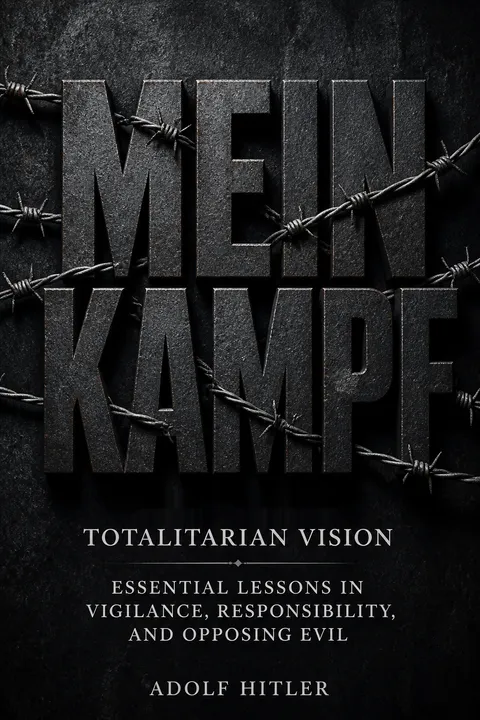
- Autobiographical and ideological work: "Mein Kampf" is an autobiographical manifesto by Adolf Hitler, outlining his political ideology and future plans for Germany.
- Two volumes: The book is divided into two volumes, with the first focusing on Hitler's early life and the second on his political theories.
- Themes of nationalism and anti-Semitism: It discusses themes of extreme nationalism, anti-Semitism, and the need for German expansion.
- Blueprint for Nazi ideology: The book serves as a blueprint for the Nazi ideology that would later be implemented during Hitler's regime.
Why should I read "Mein Kampf"?
- Historical significance: Understanding the historical context and the mindset that led to World War II and the Holocaust.
- Insight into Nazi ideology: Provides insight into the ideological foundations of the Nazi Party and its policies.
- Controversial perspectives: Offers a controversial perspective on race, politics, and society that shaped 20th-century history.
- Critical analysis: Reading it allows for critical analysis and understanding of extremist ideologies and their impact.
What are the key takeaways of "Mein Kampf"?
- Racial purity and anti-Semitism: Emphasizes the importance of racial purity and expresses deep-seated anti-Semitic views.
- Nationalism and expansionism: Advocates for extreme nationalism and the expansion of German territory.
- Critique of democracy: Criticizes democratic systems and promotes a totalitarian regime.
- Propaganda and leadership: Stresses the importance of propaganda and strong leadership in achieving political goals.
What are the best quotes from "Mein Kampf" and what do they mean?
- "The broad masses of a population are more amenable to the appeal of rhetoric than to any other force." This highlights Hitler's belief in the power of propaganda.
- "He alone, who owns the youth, gains the future." Emphasizes the importance of indoctrinating young people to secure future control.
- "The art of leadership... consists in consolidating the attention of the people against a single adversary." Reflects the strategy of unifying people by identifying a common enemy.
- "The great masses of the people will more easily fall victims to a big lie than to a small one." Suggests that large-scale deception is more effective in manipulating public opinion.
How does Hitler describe his early life in "Mein Kampf"?
- Birth and family background: Hitler was born in Braunau am Inn, Austria, and describes his family as lower middle class.
- Education and ambitions: He discusses his education, his ambitions to become an artist, and his eventual move to Vienna.
- Influence of Vienna: His time in Vienna exposed him to various political ideologies and anti-Semitic views.
- Military service: Hitler recounts his service in World War I, which he describes as a formative experience.
What is Hitler's view on propaganda in "Mein Kampf"?
- Essential tool: Hitler views propaganda as an essential tool for influencing the masses and achieving political goals.
- Simplicity and repetition: He emphasizes the need for simplicity and repetition in propaganda to ensure its effectiveness.
- Targeting emotions: Propaganda should appeal to emotions rather than intellect to sway public opinion.
- Control of media: Advocates for controlling media to disseminate propaganda and suppress opposing views.
How does "Mein Kampf" address the concept of race?
- Racial hierarchy: Hitler promotes a racial hierarchy with Aryans at the top and Jews as the primary enemy.
- Racial purity: Stresses the importance of maintaining racial purity to preserve the strength and superiority of the Aryan race.
- Anti-Semitic ideology: Blames Jews for societal problems and portrays them as a threat to racial purity and national stability.
- Social Darwinism: Applies Social Darwinist ideas to justify racial policies and expansionist ambitions.
What political strategies does Hitler propose in "Mein Kampf"?
- Totalitarian regime: Advocates for a totalitarian regime led by a single, strong leader.
- Expansionism: Proposes territorial expansion to provide living space (Lebensraum) for the German people.
- Anti-democratic stance: Criticizes democratic systems as weak and ineffective, promoting authoritarian governance.
- Use of propaganda: Emphasizes the strategic use of propaganda to manipulate public opinion and consolidate power.
How does "Mein Kampf" reflect Hitler's views on leadership?
- Strong leadership: Advocates for strong, decisive leadership to guide the nation and implement policies.
- Charismatic authority: Believes in the power of charismatic authority to inspire and mobilize the masses.
- Centralized control: Supports centralized control and decision-making to ensure unity and direction.
- Cult of personality: Encourages the development of a cult of personality around the leader to maintain loyalty and obedience.
What role does anti-Semitism play in "Mein Kampf"?
- Central theme: Anti-Semitism is a central theme, with Jews depicted as the root of societal and political problems.
- Scapegoating: Jews are scapegoated for Germany's economic struggles and political instability.
- Conspiracy theories: Promotes conspiracy theories about Jewish control of finance and media.
- Call to action: Calls for the removal of Jews from society to achieve national rejuvenation and racial purity.
How does "Mein Kampf" address the concept of nationalism?
- Extreme nationalism: Promotes extreme nationalism as a unifying force for the German people.
- National identity: Emphasizes the importance of a strong national identity based on racial purity and cultural heritage.
- Patriotism and loyalty: Encourages patriotism and loyalty to the nation above all else.
- National revival: Advocates for a national revival to restore Germany's power and prestige on the world stage.
What impact did "Mein Kampf" have on history?
- Foundation of Nazi ideology: Served as the foundation for Nazi ideology and policies implemented during Hitler's regime.
- Influence on World War II: Influenced the events leading to World War II and the Holocaust.
- Propaganda tool: Used as a propaganda tool to spread Nazi beliefs and gain support for the party.
- Historical analysis: Continues to be studied for its historical significance and as a warning against extremist ideologies.
关于作者
阿道夫·希特勒是奥地利出生的德国政治家,1933年至1945年间担任德国独裁者。作为纳粹党的领导人,他先后担任总理,随后自称元首。希特勒于1939年入侵波兰,发动了第二次世界大战,并在整个战争期间积极参与军事行动。他是大屠杀的核心人物,主导了约六百万犹太人及数百万其他受害者的种族灭绝。随着盟军逼近柏林,希特勒于1945年自杀,其统治宣告结束,纳粹德国和欧洲的二战也随之终结。
下载 PDF
下载 EPUB
.epub digital book format is ideal for reading ebooks on phones, tablets, and e-readers.








































