
核心要点
1. 经济政策必须考虑长期且广泛的影响
经济学的艺术不仅在于关注行为或政策的直接效果,更在于追踪其长期影响;不仅关注某一群体,更要考虑所有群体的后果。
整体分析至关重要。 经济政策往往带来意想不到的后果,这些影响可能不会立即显现。政策制定者和公众必须同时考虑经济决策的短期与长期影响,以及其对社会各阶层的作用,而非仅仅关注特定利益群体。
短视政策的例子:
- 农业价格支持虽惠及农民,却推高了消费者的食品成本
- 关税保护特定产业,却提高了价格并减少了公众选择
- 最低工资法可能帮助部分工人,却导致其他人失业
只有采取更全面的视角,才能避免制定那些只为少数人带来短期利益,却牺牲多数人长期繁荣的政策。
2. 破窗谬论:破坏并不创造繁荣
简言之,玻璃匠的生意增长,只是裁缝的生意减少。并没有新增“就业”。
破坏非经济刺激。 破窗谬论揭示人们常只关注经济行为的显性利益,却忽视隐形成本。窗户被打破,确实给玻璃匠带来工作,但修复费用本可用于其他更有益经济的用途。
要点:
- 破坏将资源从其他生产性用途转移
- 灾后重建虽刺激部分行业,却以整体经济增长为代价
- 真正的经济进步源于创造新财富,而非替代损失
此原则适用于多种经济情境,提醒我们考虑机会成本,超越眼前可见的影响。
3. 公共工程与政府支出并不创造净就业
桥梁项目创造的每一个公共岗位,私营部门就有一个岗位被摧毁。
政府支出只是就业的重新分配。 虽然公共工程和政府支出能创造显性岗位,但这往往是通过转移私营部门资源实现的。资金来源通常是税收或借款,减少了私营部门的支出和投资。
政府支出的影响:
- 目标行业的显性就业增长
- 其他经济领域的隐性就业流失
- 资源配置可能因政治因素而非市场机制而低效
- 若通过借款融资,长期债务负担加重
政策制定者应着眼于创造有利于私营部门发展的环境,促进可持续就业,而非单纯依赖政府支出制造岗位。
4. 税收与信贷政策可能抑制生产与投资
所得税的重担主要落在少数收入群体身上,且需辅以其他税种。这些税收不可避免地影响纳税人的行为和激励。
激励机制在经济中至关重要。 高税率和限制性信贷政策会削弱工作、储蓄和投资的回报,抑制生产性经济活动。个人和企业面临过重税负或融资困难时,可能缩减经营规模或转向他处寻求机会。
高税与信贷限制的后果:
- 企业扩张和就业创造减少
- 新技术和设备投资下降
- 资本流向税负较轻的地区
- 经济增长放缓,创新能力减弱
政策制定者需在保障政府收入与维护激励经济活力之间取得平衡。
5. 机械与技术最终创造的就业多于摧毁的
过去半个世纪(尤其是美国)实际工资大幅增长的真正原因,是资本积累及其带来的巨大技术进步。
创新推动繁荣。 尽管技术进步初期可能替代部分工人,但最终提升生产率、降低成本,催生新产业和就业机会。对技术失业的恐惧常导致错误政策,试图保护过时岗位,反而阻碍整体经济发展。
技术进步的益处:
- 提高生产率和经济产出
- 降低商品和服务价格
- 创造全新产业和职业类别
- 提升生活水平,增加闲暇时间
社会应积极应对技术变革,通过教育培训和灵活的劳动力政策帮助工人适应新经济环境。
6. 关税与贸易限制损害整体经济福利
设立关税壁垒效果如同筑起实体墙。保护主义者常用战争语言,颇具象征意义。
自由贸易惠及所有人。 保护主义政策如关税和进口配额虽似乎保护特定产业或工人,实则降低经济效率,令消费者承担更高价格和更少选择。自由贸易使各国专注于比较优势领域,提升生产率和繁荣。
贸易限制的负面影响:
- 消费者价格上涨
- 竞争和创新减少
- 贸易伙伴报复,损害出口产业
- 资源错配至效率较低产业
各国应摒弃贸易壁垒,制定帮助工人和产业适应全球经济变化的政策,拥抱国际贸易带来的机遇。
7. 价格管制导致短缺与经济低效
政府强制压低价格时,需求长期超过供给。
市场需要价格信号。 价格管制(无论是上限还是下限)干扰市场资源的有效配置。价格无法反映真实供需状况时,必然出现短缺或过剩。
价格管制的后果:
- 商品短缺(价格上限)或劳动力短缺(如最低工资)
- 黑市和非法经济活动滋生
- 商品和服务质量下降
- 资源错配与经济效率降低
政策应着力解决价格高企或工资偏低的根本原因,如增强竞争或提升劳动生产率,而非简单施加价格限制。
8. 通胀是一种隐形税,扭曲经济
通胀本质上是一种税收,且往往是最糟糕的形式,最重压于最无力承担者。
货币稳定至关重要。 通胀,尤其是意外或严重的通胀,会隐性侵蚀储蓄和固定收入者财富,扭曲经济决策。它可能导致错误投资、储蓄减少和资源配置失衡。
通胀的影响:
- 购买力下降,固定收入者受害最深
- 抑制储蓄和长期投资
- 企业频繁调整价格带来“菜单成本”
- 若失控,可能引发恶性通胀
保持货币政策稳定,是促进可持续经济增长和保护储蓄价值的关键。
9. 工会与最低工资法可能增加失业
认为工会提高实际工资的观点基于一系列谬误。过去半世纪工资大幅上涨,主要因资本投资增长和科技进步,而非工会扩张。
劳动力市场干预有利弊。 工会和最低工资法虽惠及部分工人,却可能导致失业增加,尤其是低技能工人。这些政策可能使部分工人被市场排斥,降低企业竞争力。
潜在负面影响:
- 低技能工人就业机会减少
- 企业竞争力下降
- 为规避高劳动力成本,推动自动化或外包
- 劳动力市场灵活性降低
政策应侧重提升工人生产率和整体经济增长,自然带动工资提升,而非单靠工会或最低工资法。
10. 利润在指导生产中发挥关键经济功能
利润源于成本与价格的关系,不仅告诉我们生产哪些商品最经济,也指明了最经济的生产方式。
利润驱动效率。 在市场经济中,利润是资源配置的信号,激励企业创新、降低成本、满足消费者需求。
利润的功能:
- 激励风险承担和创业精神
- 引导投资流向高效企业
- 促进成本削减和效率提升
- 向生产者传递消费者偏好
过度限制或妖魔化利润,会削弱经济活力,导致资源配置低效。
11. 储蓄与投资对经济增长至关重要
现代社会中,“储蓄”实为另一种形式的支出,资金转交他人用于提升生产的手段。
资本形成推动进步。 储蓄和投资是经济增长的基础,促进资本积累,提高生产率和生活水平。抑制储蓄或错误引导投资,会阻碍长期经济发展。
储蓄与投资的益处:
- 通过更好的工具和技术提升生产率
- 创造新产业和就业机会
- 由于生产率提高,带来更高工资
- 随时间改善生活水平
政策应鼓励消费与储蓄的平衡,认识两者在健康经济中的重要作用。偏重消费而忽视储蓄,可能削弱长期经济增长。
其他人还在读



常见问题
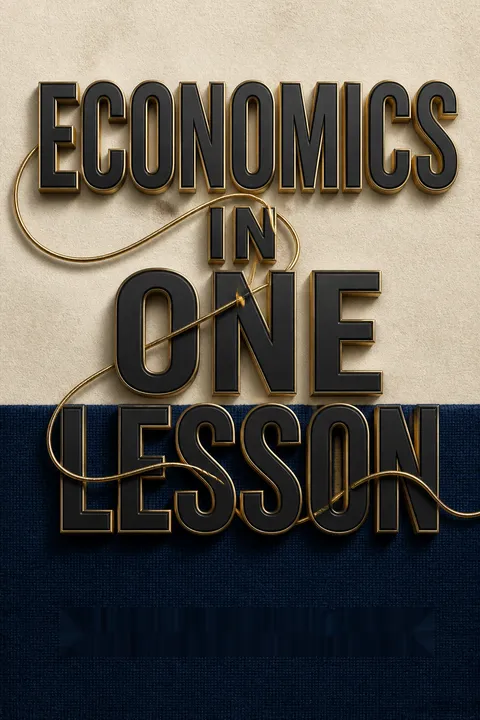
What's "Economics in One Lesson" about?
- Overview: "Economics in One Lesson" by Henry Hazlitt is a classic introduction to economic principles, focusing on the importance of considering the long-term effects of economic policies on all groups, not just the immediate effects on a specific group.
- Central Theme: The book emphasizes the fallacy of overlooking secondary consequences and the importance of tracing the broader impact of economic decisions.
- Structure: It is divided into three parts: the lesson itself, the lesson applied to various economic fallacies, and a restatement of the lesson.
- Target Audience: Written for the general public, it aims to make economic concepts accessible and understandable to non-economists.
Why should I read "Economics in One Lesson"?
- Clarity and Simplicity: Hazlitt's writing is clear and straightforward, making complex economic ideas easy to understand.
- Timeless Lessons: The book addresses economic fallacies that are still relevant today, providing insights into current economic debates.
- Critical Thinking: It encourages readers to think critically about economic policies and their broader implications.
- Influence: As one of the most popular economics texts, it has influenced countless readers and remains a foundational work in economic education.
What are the key takeaways of "Economics in One Lesson"?
- Long-term Effects: Always consider the long-term effects of economic policies, not just the immediate benefits or harms to specific groups.
- Secondary Consequences: Look beyond the obvious and immediate outcomes to understand the full impact of economic actions.
- Interconnectedness: Recognize the interconnected nature of economic activities and how changes in one area can affect others.
- Fallacies: Be aware of common economic fallacies, such as the belief that destruction can lead to economic benefits or that government spending inherently creates wealth.
What is the "broken window fallacy" in "Economics in One Lesson"?
- Concept: The broken window fallacy illustrates the error of focusing only on the immediate benefits of an economic action while ignoring the hidden costs.
- Example: When a window is broken, it creates work for the glazier, but it also means the shopkeeper cannot spend that money on other goods, leading to no net economic gain.
- Broader Implication: This fallacy warns against the belief that destruction or waste can stimulate economic growth.
- Lesson: Always consider what is unseen or what could have been done with resources if they were not diverted to repair or replace.
How does "Economics in One Lesson" address government spending?
- Critical View: Hazlitt argues that government spending is not inherently beneficial and often diverts resources from more productive uses.
- Taxation Impact: Every dollar spent by the government must be taken from taxpayers, potentially destroying private jobs and reducing overall wealth.
- Public Works: While public works can create jobs, they do so at the expense of private sector jobs that could have been created with the same resources.
- Efficiency Concerns: Government projects are often less efficient than private sector initiatives due to lack of competition and profit motive.
What does "Economics in One Lesson" say about inflation?
- Misconceptions: Inflation is often mistakenly seen as a way to stimulate the economy, but it distorts price relationships and harms long-term economic stability.
- Wealth Illusion: Inflation creates the illusion of wealth by increasing nominal incomes, but it reduces the purchasing power of money.
- Winners and Losers: Inflation benefits those who receive new money first, while those on fixed incomes or with delayed income adjustments suffer.
- Policy Critique: Hazlitt criticizes inflationary policies as deceptive and ultimately damaging to economic health.
How does "Economics in One Lesson" view tariffs and trade?
- Free Trade Advocacy: Hazlitt supports free trade, arguing that tariffs protect specific industries at the expense of overall economic efficiency and consumer welfare.
- Economic Distortion: Tariffs lead to higher prices for consumers and misallocation of resources, as they encourage production in less efficient industries.
- Long-term Harm: While tariffs may temporarily benefit certain industries, they ultimately reduce real wages and economic growth.
- Global Perspective: Hazlitt emphasizes the interconnectedness of global trade and the mutual benefits of allowing goods to flow freely across borders.
What are the best quotes from "Economics in One Lesson" and what do they mean?
- "The art of economics consists in looking not merely at the immediate but at the longer effects of any act or policy." This quote encapsulates the book's central lesson about considering long-term consequences.
- "The bad economist sees only what immediately strikes the eye; the good economist also looks beyond." It highlights the importance of understanding the broader impact of economic actions.
- "Inflation is the opium of the people." This metaphor suggests that inflation provides a temporary illusion of prosperity while causing long-term harm.
- "What is prudence in the conduct of every private family can scarce be folly in that of a great kingdom." It argues for applying common-sense principles to national economic policies.
How does "Economics in One Lesson" address the role of profits?
- Profit Function: Profits guide resources to their most efficient uses, signaling where demand is highest and encouraging innovation.
- Misunderstanding: Many people view profits negatively, but Hazlitt argues they are essential for economic growth and resource allocation.
- Incentive for Efficiency: Profits motivate businesses to reduce costs and improve products, benefiting consumers and the economy.
- Economic Balance: Profits help balance supply and demand, ensuring that resources are used where they are most valued.
What does "Economics in One Lesson" say about labor unions and wages?
- Wage Determination: Hazlitt argues that wages are ultimately determined by labor productivity, not union demands.
- Union Limitations: While unions can raise wages for their members, they may do so at the expense of non-union workers and overall employment.
- Market Forces: Attempts to set wages above market levels can lead to unemployment and reduced economic efficiency.
- Long-term Impact: Sustainable wage increases come from increased productivity, not coercive measures.
How does "Economics in One Lesson" view savings and investment?
- Virtue of Saving: Saving is essential for capital formation and economic growth, contrary to the belief that spending drives prosperity.
- Investment Role: Savings are channeled into investments, leading to increased production capacity and technological advancement.
- Misconceptions: Hazlitt refutes the idea that saving leads to economic stagnation, emphasizing its role in creating wealth.
- Economic Balance: A healthy economy requires a balance between consumption and saving, with each playing a crucial role.
What is the "lesson" in "Economics in One Lesson"?
- Core Principle: The lesson is to consider the long-term and widespread effects of economic policies, not just the immediate impact on specific groups.
- Holistic View: It encourages looking at the economy as a whole, understanding how different parts are interconnected.
- Avoiding Fallacies: By recognizing secondary consequences, one can avoid common economic fallacies and make better policy decisions.
- Practical Application: The lesson is applied to various economic issues throughout the book, demonstrating its relevance and importance.
下载 PDF
下载 EPUB
.epub digital book format is ideal for reading ebooks on phones, tablets, and e-readers.








































