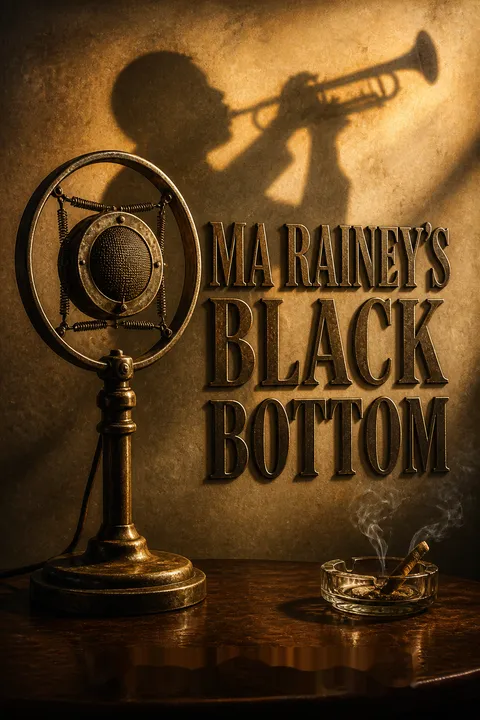

Tóm tắt cốt truyện
Khúc Blues Lạnh Lẽo Của Chicago
Thành phố là một sự pha trộn nhộn nhịp giữa giàu sang và nghèo đói, nơi dòng nhạc blues hưng thịnh giữa những hiện thực khắc nghiệt của cuộc sống. Câu chuyện bắt đầu tại một phòng thu âm, nơi các thành viên trong ban nhạc tụ họp để thu âm cùng huyền thoại Ma Rainey. Phòng thu là một thế giới thu nhỏ của những căng thẳng sắc tộc và khát vọng thời bấy giờ, với những nhà sản xuất da trắng như Sturdyvant và Irvin điều hành buổi thu, thường ít màng đến lòng tự trọng của các nhạc công da đen. Nhạc blues, dòng nhạc sinh ra từ trải nghiệm của người Mỹ gốc Phi, vừa là nguồn an ủi, vừa là chiến trường để giành lấy sự tôn trọng và công nhận.
Căng Thẳng Trong Phòng Ban Nhạc
Trong phòng ban nhạc, các nhạc công—Cutler, Toledo, Slow Drag và Levee—chuẩn bị cho buổi thu âm. Levee, tay kèn trumpet đầy tham vọng, mơ ước thành lập ban nhạc riêng và thu âm những bản nhạc của chính mình. Phong cách hiện đại, sôi động của anh xung đột với dòng nhạc blues truyền thống mà Ma Rainey ưa chuộng. Các thành viên ban nhạc đùa giỡn và tranh cãi, hé lộ những đấu tranh và khát vọng cá nhân của mỗi người. Sự kiêu ngạo tuổi trẻ của Levee cùng khao khát thoát khỏi những ràng buộc của quá khứ đã tạo ra xích mích, đặc biệt là với một Cutler dày dạn kinh nghiệm và thực tế hơn.
Sự Xuất Hiện Của Ma Rainey
Ma Rainey đến phòng thu, toát lên vẻ tự tin và đòi hỏi sự tôn trọng. Sự xuất hiện của bà được đánh dấu bằng một cuộc đối đầu với một cảnh sát, làm nổi bật những định kiến sắc tộc mà bà phải đối mặt bất chấp sự nổi tiếng của mình. Ma khăng khăng làm mọi việc theo ý mình, bao gồm cả việc để người cháu trai nói lắp Sylvester đảm nhận phần mở đầu của bài hát. Sự kiên quyết kiểm soát âm nhạc và hình ảnh của bà nhấn mạnh vai trò của bà như một người tiên phong trong một ngành công nghiệp do nam giới thống trị, quyết tâm giữ vững sự toàn vẹn nghệ thuật của mình.
Xung Đột Tham Vọng Của Levee
Khát vọng hiện đại hóa nhạc blues và giành được sự công nhận của Levee xung đột với cách tiếp cận truyền thống của Ma Rainey. Anh tin rằng những bản phối của mình sẽ quyến rũ khán giả, nhưng Ma không hề lay chuyển trong tầm nhìn của bà. Sự căng thẳng giữa đổi mới và truyền thống phản ánh những chủ đề rộng lớn hơn về xung đột thế hệ và cuộc đấu tranh cho quyền tự chủ nghệ thuật. Sự thất vọng của Levee ngày càng lớn khi anh cảm thấy bị kìm hãm bởi những giới hạn do cả ban nhạc lẫn các nhà sản xuất da trắng áp đặt, những người cuối cùng nắm quyền kiểm soát quá trình thu âm.
Kịch Tính Trong Phòng Thu
Buổi thu âm đầy rẫy những khó khăn kỹ thuật và xung đột cá nhân. Ma Rainey yêu cầu một chai Coca-Cola trước khi hát, khẳng định quyền lực của mình theo cách duy nhất bà có thể. Những nỗ lực của Levee nhằm gây ấn tượng với các nhà sản xuất bằng âm nhạc của mình bị cản trở, dẫn đến một cuộc tranh cãi nảy lửa với Cutler về vai trò của Chúa và những bất công mà người da đen phải đối mặt. Buổi thu âm trở thành một thế giới thu nhỏ của những căng thẳng sắc tộc và cá nhân định hình cuộc đời các nhân vật, khi mỗi người đều cố gắng khẳng định giá trị của mình trong một thế giới luôn hạ thấp họ.
Chúa Và Ác Quỷ
Cơn giận dữ của Levee bùng phát khi anh nghi ngờ sự tồn tại của một vị Chúa công bình, nhớ lại ký ức đau buồn khi mẹ anh bị những người đàn ông da trắng hành hung. Sự bộc phát của anh chống lại Chúa và thế giới của người da trắng để lộ nỗi đau sâu kín và nhu cầu tuyệt vọng về quyền tự quyết. Khoảnh khắc dễ bị tổn thương này phơi bày những vết sẹo tâm lý của nạn phân biệt chủng tộc và cơn thịnh nộ nội tâm thúc đẩy tham vọng cũng như sự phản kháng của Levee. Cuộc đối đầu của anh với Cutler leo thang thành bạo lực, biểu trưng cho sức tàn phá của những tổn thương chưa được giải tỏa.
Cao Trào Bi Kịch
Buổi thu âm kết thúc trong bi kịch khi Levee, bị đẩy đến giới hạn chịu đựng, đã đâm chết Toledo trong một cơn giận dữ sau một sự khiêu khích nhỏ nhặt. Hành vi bạo lực này nhấn mạnh các chủ đề của vở kịch về sự áp bức mang tính hệ thống và những xung đột nội tâm mà nó nuôi dưỡng. Ước mơ của Levee tan vỡ, và vòng xoáy của bạo lực cùng sự tuyệt vọng vẫn tiếp diễn. Vở kịch khép lại với tiếng kèn trumpet đầy ám ảnh của Levee, một lời nhắc nhở đau xót về tiềm năng không được thực hiện và cuộc đấu tranh bền bỉ vì nhân phẩm và sự công nhận trong một thế giới vốn ban phát quá ít công lý.
Analysis
Khám phá sự áp bức mang tính hệ thống và sự toàn vẹn nghệ thuật"Ma Rainey's Black Bottom" là một cuộc khám phá mạnh mẽ về sự giao thoa giữa chủng tộc, nghệ thuật và thương mại ở nước Mỹ những năm 1920. August Wilson sử dụng phòng thu âm như một thế giới thu nhỏ để xem xét sự áp bức mang tính hệ thống mà các nghệ sĩ da đen phải đối mặt và cuộc đấu tranh cho sự toàn vẹn nghệ thuật cùng sự tôn trọng. Vở kịch làm nổi bật sự căng thẳng giữa truyền thống và đổi mới, cũng như những tổn thương cá nhân và tập thể mà người Mỹ gốc Phi phải trải qua. Thông qua các tương tác và xung đột của các nhân vật, Wilson đi sâu vào các chủ đề về bản sắc, tham vọng và tác động hủy hoại của nỗi đau chưa được giải tỏa. Cao trào bi kịch đóng vai trò như một lời nhắc nhở đau xót về cái giá phải trả của sự bất công mang tính hệ thống và cuộc đấu tranh bền bỉ vì nhân phẩm và sự công nhận trong một thế giới thường hạ thấp giá trị cuộc sống và tiếng nói của người da đen.
Tóm tắt đánh giá
Ma Rainey's Black Bottom là một vở kịch đầy sức mạnh lấy bối cảnh ở Chicago vào những năm 1920, khắc họa những căng thẳng giữa một nữ ca sĩ nhạc blues, ban nhạc của cô và những nhà sản xuất thu âm người da trắng. Các nhà phê bình ngợi ca lời thoại bậc thầy, sự phát triển nhân vật và cách khai thác các khía cạnh chủng tộc của Wilson. Bối cảnh không gian khép kín của vở kịch tạo điều kiện cho những tương tác mãnh liệt và những hé lộ về lịch sử cá nhân. Nhiều người chú ý đến sự căng thẳng ngày một leo thang và cái kết đầy bùng nổ. Dù một số người cảm thấy tác phẩm này chưa thực sự trau chuốt như những sáng tác sau này của Wilson, hầu hết đều coi đây là một bức chân dung đột phá và sâu sắc về trải nghiệm của người Mỹ gốc Phi trong những năm đầu thế kỷ 20.
Mọi người cũng đọc
Characters
Ma Rainey
Ma Rainey, được biết đến là "Mẹ đẻ của nhạc Blues", là một nhân vật mạnh mẽ và quyết đoán, người luôn đòi hỏi sự tôn trọng trong một thế giới thường từ chối trao điều đó cho bà. Bà bảo vệ quyết liệt âm nhạc và hình ảnh của mình, từ chối thỏa hiệp với tầm nhìn nghệ thuật của bản thân. Những tương tác của bà với các nhà sản xuất da trắng làm nổi bật nhận thức của bà về các động lực sắc tộc đang diễn ra, và bà sử dụng tầm ảnh hưởng của mình để khẳng định quyền kiểm soát quá trình thu âm. Nhân vật Ma hiện thân cho cuộc đấu tranh giành quyền tự chủ và sự tôn trọng trong một xã hội áp bức sắc tộc.
Levee Green
Levee là một nhạc công trẻ tuổi, tài năng với ước mơ dẫn dắt ban nhạc của riêng mình và cách mạng hóa nhạc blues. Tham vọng của anh được thúc đẩy bởi khao khát thoát khỏi những giới hạn do nạn phân biệt chủng tộc và truyền thống áp đặt. Tuy nhiên, sự kiêu ngạo và những tổn thương chưa được giải quyết của anh dẫn đến những xung đột với ban nhạc và cuối cùng là bạo lực. Nhân vật của Levee đại diện cho sự căng thẳng giữa đổi mới và truyền thống, cũng như tác động hủy hoại của sự áp bức mang tính hệ thống lên khát vọng cá nhân.
Cutler
Cutler là trưởng ban nhạc, một nhạc công dày dạn kinh nghiệm, người coi trọng sự ổn định và tính chuyên nghiệp. Anh thường xuyên xung đột với Levee vì hành vi bốc đồng và sự thiếu tôn trọng truyền thống của cậu ta. Nhân vật của Cutler hiện thân cho trí tuệ và sự kiên cường của những người đã vượt qua các thử thách của ngành công nghiệp âm nhạc và những bất công sắc tộc thời bấy giờ. Anh đóng vai trò là một lực lượng ổn định trong ban nhạc, ủng hộ sự đoàn kết và tôn trọng lẫn nhau.
Toledo
Toledo là tay piano của ban nhạc, nổi tiếng với những suy ngẫm triết học và bản tính nội tâm. Anh thường tham gia vào các cuộc tranh luận với Levee về chủng tộc, bản sắc và tương lai của cộng đồng người da đen. Nhân vật của Toledo mang đến một tiếng nói của lý trí và sự phản tỉnh, nhấn mạnh tầm quan trọng của việc thấu hiểu lịch sử của chính mình và cuộc đấu tranh tập thể vì sự tiến bộ. Cái chết bi thảm của anh dưới tay Levee nhấn mạnh các chủ đề của vở kịch về xung đột nội tâm và cái giá phải trả cho những tổn thương không được giải quyết.
Slow Drag
Slow Drag là tay bass của ban nhạc, nổi tiếng với phong thái dễ chịu và sự nhạy bén. Anh thường đóng vai trò là người hòa giải trong các xung đột, mang lại sự hiện diện êm dịu giữa bầu không khí căng thẳng. Nhân vật của Slow Drag đại diện cho sự kiên cường và khả năng thích ứng của những người đã học được cách vượt qua những phức tạp của cuộc sống bằng sự hài hước và duyên dáng. Những tương tác của anh với các thành viên khác trong ban nhạc hé lộ tình bạn thân thiết và những trải nghiệm chung gắn kết họ lại với nhau.
Irvin
Irvin là quản lý của Ma Rainey, một người đàn ông da trắng tự hào về khả năng làm việc với các nhạc công da đen. Anh thường thấy mình bị kẹt giữa những yêu cầu của Ma và lợi ích kinh doanh của Sturdyvant. Nhân vật của Irvin làm nổi bật sự phức tạp của vai trò đồng minh và những giới hạn của những người được hưởng lợi từ đặc quyền hệ thống. Bất chấp những nỗ lực hòa giải, cuối cùng anh vẫn ưu tiên lợi ích của công ty thu âm hơn nhu cầu của các nhạc công.
Sturdyvant
Sturdyvant là nhà sản xuất da trắng giám sát buổi thu âm, chủ yếu quan tâm đến thành công tài chính của các đĩa nhạc. Ông xem các nhạc công như những món hàng, tỏ ra ít màng đến lòng tự trọng hay tầm nhìn nghệ thuật của họ. Nhân vật của Sturdyvant hiện thân cho bản chất bóc lột của ngành công nghiệp âm nhạc và nạn phân biệt chủng tộc mang tính hệ thống vốn hạ thấp giá trị của các nghệ sĩ da đen trong khi vẫn trục lợi từ tài năng của họ.
Sylvester
Sylvester là cháu trai của Ma Rainey, người mà bà khăng khăng muốn sử dụng cho phần mở đầu của bài hát bất chấp tật nói lắp của cậu. Nhân vật của cậu đại diện cho mối quan hệ gia đình và lòng trung thành mà Ma coi trọng, cũng như những thách thức mà những người khuyết tật phải đối mặt trong một thế giới luôn đòi hỏi sự hoàn hảo. Sự hiện diện của Sylvester trong buổi thu âm nhấn mạnh quyết tâm hỗ trợ gia đình và khẳng định quyền lực của Ma.
Dussie Mae
Dussie Mae là một cô gái trẻ, hấp dẫn đi cùng Ma Rainey. Mối quan hệ của cô với Ma vừa mang tính cá nhân vừa mang tính nghề nghiệp, và cô trở thành đối tượng tán tỉnh của Levee. Nhân vật của Dussie Mae làm nổi bật sự phức tạp của các mối quan hệ trong ngành công nghiệp âm nhạc và các động lực quyền lực đang diễn ra. Những tương tác của cô với Levee làm tăng thêm sự căng thẳng và cuối cùng góp phần vào cao trào bi kịch của vở kịch.
Plot Devices
Recording Studio Setting
Phòng thu âm đóng vai trò là bối cảnh chính cho vở kịch, biểu trưng cho sự giao thoa giữa nghệ thuật, thương mại và động lực sắc tộc. Đó là một không gian nơi các xung đột cá nhân và nghề nghiệp của các nhạc công diễn ra, phản ánh những vấn đề xã hội rộng lớn hơn thời bấy giờ. Bố cục vật lý của phòng thu, với phòng ban nhạc và phòng điều khiển, làm nổi bật sự mất cân bằng quyền lực giữa các nhạc công da đen và các nhà sản xuất da trắng, những người kiểm soát quá trình thu âm.
Blues Music
Nhạc blues ở trung tâm của vở kịch vừa là một công cụ dẫn dắt câu chuyện vừa là một yếu tố chủ đề. Nó đại diện cho di sản văn hóa và sự biểu đạt cảm xúc trong trải nghiệm của người Mỹ gốc Phi, mang lại tiếng nói cho những đấu tranh và khát vọng của các nhân vật. Vai trò của âm nhạc trong vở kịch nhấn mạnh sự căng thẳng giữa truyền thống và đổi mới, cũng như khao khát được công nhận và tôn trọng của các nhân vật.
Symbolism of Shoes
Đôi giày là một biểu tượng lặp đi lặp lại trong vở kịch, đại diện cho địa vị, bản sắc và khát vọng của các nhân vật. Sự ám ảnh của Levee với đôi giày mới phản ánh khao khát thành công và sự công nhận của anh, trong khi đôi giày mòn của Toledo tượng trưng cho cách tiếp cận cuộc sống thực tế, mang tính triết học của ông. Xung đột về đôi giày cuối cùng dẫn đến cao trào bi kịch của vở kịch, làm nổi bật sức tàn phá của những căng thẳng chưa được giải quyết và sự mong manh của những ước mơ.
Dialogue and Monologues
Các đoạn đối thoại và độc thoại của vở kịch là những công cụ then chốt để hé lộ động cơ, xung đột và chủ đề của nhân vật. Những đoạn độc thoại của Levee về quá khứ đau buồn và tham vọng của anh mang lại cái nhìn sâu sắc về trạng thái tâm lý của anh và tác động của sự áp bức mang tính hệ thống. Những tương tác và tranh luận của các nhân vật làm nổi bật những khác biệt về thế hệ và tư tưởng thúc đẩy câu chuyện, tạo nên một bức tranh phong phú về những tiếng nói phản ánh sự phức tạp trong trải nghiệm của người Mỹ gốc Phi.
Câu hỏi thường gặp
0. Synopsis & Basic Details
What is Ma Rainey's Black Bottom about?
- A 1920s Chicago recording session: The play centers on a tense afternoon in a Chicago recording studio in 1927, where legendary blues singer Ma Rainey and her band gather to record new songs. The setting becomes a crucible for the simmering racial tensions, artistic clashes, and personal traumas of the African American musicians under the exploitative gaze of their white producers.
- Clash of generations and styles: At its heart, the narrative explores the friction between Ma Rainey's traditional, raw blues style and her ambitious young trumpet player, Levee, who yearns to modernize the music with a jazzier sound and establish his own band. This artistic conflict mirrors deeper generational and ideological divides within the black community regarding identity, survival, and progress in a white-dominated world.
- Power dynamics and exploitation: The story vividly portrays the systemic exploitation of black artists by white record producers, who control their music, image, and financial destiny. Ma Rainey fiercely asserts her limited power to maintain dignity and artistic integrity, while her band members grapple with their own aspirations and the harsh realities of racial prejudice and economic disenfranchisement.
Why should I read Ma Rainey's Black Bottom?
- Unflinching historical mirror: August Wilson's play offers a raw, powerful look into the lives of black musicians in 1920s America, illuminating the systemic racism, economic exploitation, and cultural appropriation they faced. It's a vital piece of American theater that provides a window into a pivotal era of the Great Migration and the birth of recorded blues.
- Rich character depth and dialogue: The play is celebrated for its complex, fully realized characters, particularly Ma Rainey and Levee, whose struggles, dreams, and internal conflicts are brought to life through Wilson's masterful, poetic dialogue. Their conversations are not just plot devices but deep philosophical debates on race, religion, art, and survival.
- Exploration of the blues as lifeblood: Beyond being a historical drama, the play is a profound meditation on the blues itself—its origins, its purpose, and its enduring power as an expression of black experience. Reading it offers a deeper understanding of how this music served as both a lament and a source of resilience for a community facing immense hardship.
What is the background of Ma Rainey's Black Bottom?
- Great Migration and urban North: The play is set against the backdrop of the Great Migration, where millions of African Americans moved from the rural South to northern cities like Chicago seeking better opportunities and escaping Jim Crow laws. This migration brought Southern culture, including the blues, to urban centers, but also exposed migrants to new forms of racial discrimination and economic struggle.
- Exploitation in early recording industry: The 1920s saw the rise of "race records," where white-owned labels profited immensely from black artists like Ma Rainey, often paying them meager sums and owning their intellectual property. The play highlights this exploitative system, where black talent was commodified, and artists had little control over their own creations or financial futures.
- Cultural clash of tradition vs. modernity: The era was a crossroads for black culture, with traditional blues evolving alongside newer forms like jazz. Levee's desire to "jazz it up" and Ma's insistence on the "old way" reflect this broader cultural tension, as black artists navigated how to honor their roots while adapting to changing tastes and commercial pressures.
What are the most memorable quotes in Ma Rainey's Black Bottom?
- "They don't care nothing about me. All they want is my voice.": Ma Rainey's poignant observation to Cutler in Act Two encapsulates the core theme of exploitation. It reveals her acute awareness that white producers value her talent only for its commercial potential, stripping away her humanity and agency, a central point in any Ma Rainey's Black Bottom analysis.
- "God take a nigger's prayers and throw them in the garbage. God don't pay niggers no mind. In fact... God hate niggers!": Levee's explosive declaration in Act Two, born from deep-seated trauma and disillusionment, is a raw and controversial challenge to faith and the perceived indifference of a divine power to black suffering. This quote is central to understanding Levee Green's motivations and his crisis of faith.
- "We's the leftovers. The colored man is the leftovers.": Toledo's "stew" metaphor in Act One profoundly articulates the historical dispossession and fragmented identity of African Americans, who were consumed and then discarded by the dominant white society. This philosophical insight is key to understanding the themes in Ma Rainey's Black Bottom regarding identity and historical trauma.
What writing style, narrative choices, and literary techniques does August Wilson use?
- Blues aesthetic and oral tradition: Wilson masterfully infuses the play with the structure and spirit of the blues, using call-and-response patterns in dialogue, extended monologues that function like blues verses, and a cyclical narrative that returns to core themes of pain, resilience, and survival. This choice grounds the play deeply in African American cultural forms.
- Realism with poetic depth: While the dialogue is rooted in the vernacular of 1920s black America, Wilson elevates it with poetic imagery and philosophical weight, allowing characters like Toledo and Levee to articulate profound ideas about history, identity, and God. This blend creates a vivid, authentic world that also resonates with universal human struggles.
- Symbolism and foreshadowing: Wilson employs rich symbolism, such as Levee's new shoes representing his aspirations and eventual downfall, and the broken microphone cord foreshadowing the disruption of black voices. Subtle hints, like Levee's earlier display of his knife, build dramatic tension and prepare the audience for the tragic climax, enhancing the Ma Rainey's Black Bottom symbolism explained.
1. Hidden Details & Subtle Connections
What are some minor details that add significant meaning?
- The changing band room location: Levee's initial complaint about the band room being moved downstairs ("Last time the band room was upstairs. This time it's downstairs.") is more than just a minor gripe; it subtly symbolizes the constant displacement and lack of control black artists experienced, even over their physical environment, reflecting a broader theme of instability and powerlessness.
- Sturdyvant's "textiles" ambition: Sturdyvant's casual mention of wanting to get into "Textiles. That's a respectable business. You know what you could do with a shipload of textiles from Ireland?" highlights the white producers' ultimate goal: to extract wealth from any source, including black music, before moving on to more "respectable" (and less racially charged) ventures, underscoring the transient and exploitative nature of their interest in the blues.
- Slow Drag's "same titty" joke: When Slow Drag tries to get a reefer from Cutler by invoking their long history, including "sucked on the same titty," and then admits he "just threw that in there to make it sound good," it's a humorous moment that also subtly points to the constructed nature of kinship and shared struggle, and how even deep bonds can be exaggerated for immediate gain, reflecting the pragmatic survival instincts of the musicians.
What are some subtle foreshadowing and callbacks?
- Levee's knife and violent tendencies: Early in Act One, Levee recounts how he tried to cut a white man's throat as a child, showing his scar and declaring, "I tried my damndest to cut one of them's throat!" This vivid story, coupled with his later brandishing of the knife during his argument with Cutler, heavily foreshadows his ultimate violent act against Toledo, revealing a deep-seated, unresolved rage that is a key aspect of Levee Green's motivations.
- Toledo's "leftovers" metaphor: Toledo's extended metaphor about black people being "leftovers from history" in Act One, consumed and discarded by white society, subtly foreshadows his own fate. He becomes a literal "leftover," a victim of the internalized violence that stems from this very historical process, making his death a tragic callback to his own philosophical insight.
- Ma Rainey's "dog in the alley" comment: Ma's statement, "If you colored and can make them some money, then you all right with them. Otherwise, you just a dog in the alley," foreshadows Levee's eventual rejection by Sturdyvant. Once his music is deemed unprofitable, he is discarded, becoming that "dog in the alley," highlighting the transactional and dehumanizing nature of the white producers' relationship with black artists.
What are some unexpected character connections?
- Ma Rainey and Levee's shared defiance: Despite their constant clashes, both Ma and Levee share a fierce, albeit differently expressed, defiance against white authority. Ma asserts her power through demands and control over her art, while Levee's defiance is more volatile and destructive, rooted in a desire for individual recognition and revenge for past injustices. This parallel highlights different strategies for navigating oppression.
- Toledo's intellectualism and the band's pragmatism: Toledo, the self-taught philosopher, often engages in abstract discussions that the other band members, particularly Slow Drag and Cutler, find "highfalutin." However, their reactions, whether through humor or irritation, reveal a deep, unspoken respect for his insights, even if they don't fully grasp them. This dynamic shows the varied ways black men processed their experiences, from intellectual analysis to practical survival.
- The band's collective trauma and Levee's outburst: While Levee's story of his mother's rape and father's revenge is intensely personal, the other band members' reactions—their silence, their attempts to calm Cutler, and Slow Drag's immediate shift to a blues song—suggest a shared, unspoken understanding of such racial violence. This collective memory forms an invisible bond, making Levee's trauma a communal one, even if they don't articulate it directly.
Who are the most significant supporting characters?
- Toledo, the philosophical anchor: Toledo serves as the intellectual and moral compass of the band, offering profound insights into the historical and psychological impact of racism on black identity. His "stew" and "leftovers" metaphors provide a crucial framework for understanding the play's themes, making him indispensable for Ma Rainey's Black Bottom analysis.
- Cutler, the voice of tradition and caution: As the bandleader, Cutler embodies the older generation's wisdom, pragmatism, and adherence to tradition. He acts as a foil to Levee's ambition, constantly reminding him of the realities of their position and the importance of collective survival over individual glory, highlighting the generational themes in Ma Rainey's Black Bottom.
- Sylvester, the symbol of vulnerability and hope: Ma Rainey's stuttering nephew, Sylvester, represents the vulnerable and often overlooked members of the black community. Ma's fierce determination to have him perform the intro, despite his disability, underscores her protective nature and her desire to uplift her family, even in the face of white indifference, making him a symbol of both fragility and potential.
2. Psychological, Emotional, & Relational Analysis
What are some unspoken motivations of the characters?
- Ma Rainey's need for absolute control: Ma's seemingly petty demands (the Coke, Sylvester's intro) are not just diva antics; they are her way of asserting agency and dignity in an environment where she is otherwise powerless. Her motivation is to reclaim control over her art and personhood, knowing that once the recording is done, her leverage disappears: "As soon as they get my voice down on them recording machines, then it's just like if I'd be some whore and they roll over and put their pants on."
- Levee's desperate search for validation: Levee's ambition to create his own "hot" music and lead a band is deeply rooted in a need to prove his worth and overcome the trauma of his past. His desire for Sturdyvant's approval, despite his outward defiance, stems from a yearning for recognition from the very system that oppressed him, a complex aspect of Levee Green's motivations.
- Irvin's self-deception about "allyship": Irvin genuinely believes he's "good" to black artists and "knows how to handle them," but his actions consistently prioritize Sturdyvant's profits over the musicians' well-being. His unspoken motivation is to maintain his comfortable position within the exploitative system while convincing himself he's a benevolent figure, highlighting the insidious nature of passive complicity.
What psychological complexities do the characters exhibit?
- Levee's fractured identity: Levee struggles with a profound psychological split: he wants to be a modern, independent artist, yet he is haunted by the trauma of his childhood and the systemic racism that defines his existence. His volatile temper, his simultaneous deference and rage towards white men, and his misplaced aggression towards Toledo reveal a mind deeply scarred and unable to reconcile these conflicting forces, central to Levee Green's psychological analysis.
- Toledo's intellectual detachment as a coping mechanism: Toledo's constant philosophical musings and his ability to analyze the "colored man's problems" from a detached perspective serve as a psychological defense. By intellectualizing their suffering, he creates a buffer against the raw emotional pain, allowing him to process the harsh realities without being consumed by them, until Levee's final act shatters this intellectual shield.
- Ma Rainey's performative assertiveness: Ma's "royal fashion" and demanding demeanor are not inherent traits but a carefully constructed persona, a psychological armor against a world that seeks to diminish her. Her moments of vulnerability, like her monologue about white folks only wanting her voice, reveal the emotional toll of maintaining this facade, showcasing the depth of Ma Rainey's character analysis.
What are the major emotional turning points?
- Levee's traumatic confession: The most significant emotional turning point is Levee's raw, unburdened recounting of his mother's rape and his father's subsequent revenge. This moment shatters his facade of bravado, exposing the deep well of pain, rage, and disillusionment that fuels his actions, and profoundly shifts the emotional landscape of the band room, revealing the core of Levee Green's motivations.
- Ma Rainey's "voice" monologue: Ma's speech to Cutler about white people only wanting her voice, not her as a person, marks a crucial emotional climax for her character. It's a moment of profound vulnerability and clarity, where she articulates the dehumanizing reality of her profession, solidifying her resolve to assert control in the only ways she can.
- The band's reaction to Levee's blasphemy: Cutler's violent outburst against Levee for blaspheming God, followed by Levee's challenge to God with his knife, is an intense emotional turning point. It highlights the deep-seated faith and moral boundaries within the black community, and the explosive consequences when those boundaries are crossed, revealing the raw emotional stakes of their spiritual beliefs.
How do relationship dynamics evolve?
- Ma Rainey's assertion of matriarchal power: Initially, Irvin and Sturdyvant attempt to dictate terms to Ma, but her arrival quickly re-establishes her as the undisputed authority. Her relationship with her band, particularly her protective stance towards Sylvester, solidifies her role as a matriarch who demands loyalty and respect, shifting the power dynamic from the white producers to her.
- Levee's increasing isolation: Levee's relationships with the other band members deteriorate throughout the play. His initial clashes with Cutler over music escalate to philosophical arguments with Toledo and eventually to physical violence. His ambition and defiance, while understandable, ultimately alienate him from the communal solidarity of the band, leaving him tragically isolated by the end.
- The band's fragile brotherhood: Despite their bickering and individual differences, the band members (Cutler, Toledo, Slow Drag) share a deep, unspoken bond forged through years of shared experience and racial struggle. This brotherhood is tested by Levee's disruptive presence and ultimately shattered by his violent act, revealing the fragility of unity in the face of internalized oppression.
4. Interpretation & Debate
Which parts of the story remain ambiguous or open-ended?
- The true nature of God's presence: Levee's furious challenge to God ("Where is you? Come on and turn your back on me, motherfucker!") leaves the question of divine justice and intervention unanswered. The play doesn't offer a clear theological stance, instead presenting the raw, agonizing human experience of faith tested by profound suffering, leaving the audience to grapple with the spiritual implications.
- The future of black music and artistic direction: While Ma Rainey's traditional blues triumphs in the recording session, Levee's modern, jazz-infused sound is rejected by Sturdyvant. The play ends without a definitive answer on which artistic path will ultimately prevail or how black artists will navigate the commercial pressures of the future, leaving the evolution of the blues open to interpretation.
- The long-term impact of the recording session: The immediate outcome is tragic, but the play doesn't explicitly detail the lasting effects on the surviving band members or the broader music industry. It leaves open questions about whether the exploitation will continue unchecked, if new forms of resistance will emerge, or if the cycle of trauma and violence will simply repeat, prompting further Ma Rainey's Black Bottom analysis.
What are some debatable, controversial scenes or moments in Ma Rainey's Black Bottom?
- Levee's blasphemous rant against God: Levee's furious denunciation of God, accusing Him of hating "niggers" and turning His back on black suffering, is highly controversial. It challenges traditional religious beliefs and forces the audience to confront the profound despair and anger that can arise from systemic injustice, sparking debate about faith, suffering, and divine responsibility.
- The final murder of Toledo: Levee's sudden, brutal stabbing of Toledo over a trivial incident (stepping on his shoes) is a shocking and debatable climax. While rooted in Levee's deep-seated trauma and dashed hopes, its immediate trigger—a minor slight—raises questions about the nature of internalized violence, the fragility of human connection, and whether Levee's actions are a tragic inevitability or a preventable outburst.
- Ma Rainey's "diva" demands: Ma's insistence on her Coca-Cola, her specific intro, and her general demanding behavior can be seen as controversial. Some might view it as excessive diva behavior, while others interpret it as a necessary strategy for a black woman to assert power and maintain control in a deeply exploitative and racist industry, prompting discussions on agency and resistance.
Ma Rainey's Black Bottom Ending Explained: How It Ends & What It Means
- Levee's shattered dreams and violent outburst: The Ma Rainey's Black Bottom ending explained reveals Levee's complete disillusionment. After being fired by Ma and having his original songs rejected and bought for a pittance by Sturdyvant, his dreams of artistic independence and respect are utterly crushed. This final rejection, following a lifetime of trauma, pushes him to a breaking point, culminating in the fatal stabbing of Toledo over a seemingly minor slight (stepping on his shoes).
- The tragic cycle of internalized oppression: Levee's act of violence against Toledo, another black man, symbolizes the devastating impact of systemic racism and exploitation. Unable to direct his rage at the white power structure that truly oppressed him, Levee turns it inward, destroying a member of his own community. This ending powerfully illustrates how oppression can lead to internalized violence and self-destruction, a key theme in Ma Rainey's Black Bottom.
- The haunting echo of unfulfilled potential: The play concludes with the sound of Levee's trumpet, "a muted trumpet struggling for the highest of possibilities and blowing pain and warning." This final, mournful sound represents Levee's lost potential, the unrecorded music, and the enduring pain of black artists whose voices and dreams were stifled and exploited. It serves as a poignant reminder of the human cost of racial injustice and the tragic waste of talent.
Chu kỳ Thế kỷ Bộ sách
Tải PDF
Tải EPUB
.epub digital book format is ideal for reading ebooks on phones, tablets, and e-readers.








































