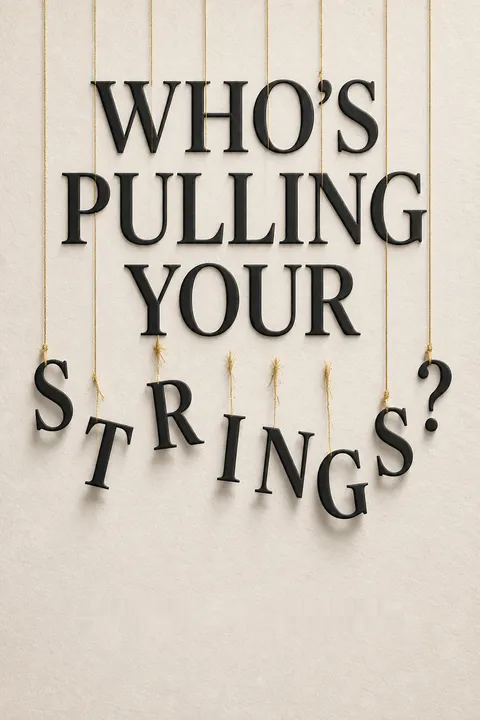

Kluczowe wnioski
1. Rozpoznaj sygnały manipulacji w relacjach
Manipulacja działa, ponieważ przynosi efekty.
Czerwone flagi manipulacji: Zwróć uwagę na takie oznaki jak dezorientacja co do motywów drugiej osoby, poczucie presji, by spełniać jej żądania, a także odczuwanie winy lub lęku, gdy nie sprostasz oczekiwaniom. Relacje oparte na manipulacji często cechują się:
- nierównowagą sił i kontroli,
- niejasną lub zmienną komunikacją,
- wykorzystywaniem twoich słabości,
- stosowaniem poczucia winy, strachu lub obowiązku jako narzędzi nacisku.
Wpływ na ofiarę: Manipulacja może prowadzić do utraty poczucia własnej wartości, zagubienia tożsamości oraz poczucia bezsilności. Ofiary często doświadczają:
- chronicznego stresu i lęku,
- trudności w podejmowaniu decyzji,
- urazy i tłumionego gniewu,
- poczucia uwięzienia lub niemożności odejścia z relacji.
2. Zrozum motywacje i taktyki manipulatorów
Manipulatorzy działają z trzech głównych motywów interpersonalnych: dążą do realizacji własnych celów i korzyści, często kosztem innych.
Typowe cechy manipulatorów:
- narcyzm,
- niska empatia,
- silna potrzeba kontroli,
- poczucie wyjątkowości,
- nieumiejętność brania odpowiedzialności.
Taktyki manipulacji:
- czar i pochlebstwa,
- milczenie jako kara,
- wywoływanie poczucia winy,
- gaslighting (podważanie rzeczywistości),
- zastraszanie i groźby,
- odgrywanie roli ofiary.
Manipulatorzy często łączą pozytywne wzmocnienia (nagrody) z negatywnymi (usuwanie dyskomfortu), by kontrolować swoje cele. Zaczynają od subtelnych metod, by z czasem przejść do jawnej kontroli.
3. Zidentyfikuj swoje podatności na manipulację
Twoje słabe punkty są widoczne.
Samoocena: Oceń swoją podatność na manipulację, biorąc pod uwagę typowe cechy:
- skłonność do zadowalania innych,
- potrzeba aprobaty i akceptacji,
- lęk przed konfliktem lub konfrontacją,
- trudność w mówieniu „nie”,
- niejasne poczucie własnej tożsamości,
- niska samodzielność,
- zewnętrzne umiejscowienie kontroli.
Znaczenie podatności: Te cechy czynią cię łatwym celem dla manipulatorów. Mogą oni wykorzystywać twoją chęć bycia lubianym, strach przed odrzuceniem czy skłonność do stawiania potrzeb innych ponad własne. Uświadomienie sobie tych słabości to pierwszy krok do ochrony przed manipulacją.
4. Rozwijaj strategie oporu wobec manipulacji
Najlepszym sposobem na zatrzymanie manipulatora jest unieszkodliwienie jego taktyk — spraw, by manipulacja stała się nieskuteczna, przestając spełniać jego żądania, pragnienia, prośby czy subtelne, a nawet jawne naciski.
Kluczowe strategie oporu:
- Zyskuj czas przed odpowiedzią na prośby,
- Stosuj technikę „zepsutej płyty”, powtarzając swoje stanowisko,
- Odczulaj się na lęk, strach i poczucie winy,
- Wyraźnie nazywaj manipulację,
- Unieszkodliwiaj manipulację, mówiąc, że nie zadziała,
- Ustalaj jasne warunki relacji,
- Ucz się kompromisu i uczciwych negocjacji.
Wdrażanie: Ćwicz te taktyki w sytuacjach o niskiej stawce, by nabrać pewności siebie. Pamiętaj, celem nie jest zmiana manipulatora, lecz zmiana własnych reakcji na jego działania.
5. Naucz się stawiać granice i asertywnie się wyrażać
Musisz wyodrębnić i nazwać te samosabotażowe emocje dokładnie jako to — uczucia, a nie fakty.
Kroki do wyznaczania granic:
- Określ swoje osobiste granice i wartości,
- Komunikuj je jasno i spokojnie,
- Bądź gotów egzekwować konsekwencje,
- Ćwicz mówienie „nie” bez poczucia winy.
Techniki asertywności:
- używaj komunikatów „ja”, by wyrazić swoje uczucia i potrzeby,
- utrzymuj kontakt wzrokowy i pewną mowę ciała,
- unikaj przepraszania za swoje granice,
- uznaj swoje prawo do posiadania i wyrażania własnych opinii.
Rozwijanie silnych granic i umiejętności asertywności nie tylko ochroni cię przed manipulacją, ale także poprawi jakość twoich relacji.
6. Przekształć się w twardy cel
Myśląc jak twardy cel, staniesz się nim.
Restrukturyzacja poznawcza: Zastąp myślenie „miękkiego celu” przekonaniami „twardego celu”:
- kwestionuj myśli o zadowalaniu innych,
- koryguj uzależnienie od aprobaty,
- przeformułuj lęki przed konfliktem i konfrontacją,
- wzmacniaj poczucie tożsamości,
- poprawiaj samodzielność i umiejętność podejmowania decyzji,
- rozwijaj wewnętrzne umiejscowienie kontroli.
Praktyczne kroki:
- Prowadź dziennik myśli, by identyfikować miękkie myślenie,
- Ćwicz przeformułowywanie negatywnych myśli,
- Angażuj się w działania budujące poczucie własnej wartości i niezależność,
- Szukaj wsparcia u terapeuty lub zaufanego przyjaciela.
Pamiętaj, zmiana wzorców myślenia wymaga czasu i wysiłku, ale to kluczowy krok do odporności na manipulację.
7. Utrzymuj zdrowe, zrównoważone relacje
Zdrowe relacje są zrównoważone i współzależne.
Cechy zdrowych relacji:
- wzajemny szacunek i zaufanie,
- otwarta i szczera komunikacja,
- równowaga w dawaniu i braniu,
- wsparcie dla indywidualnego rozwoju i autonomii,
- umiejętność konstruktywnego rozwiązywania konfliktów.
Strategie dla zdrowia relacji:
- regularnie oceniaj równowagę sił w swoich relacjach,
- praktykuj aktywne słuchanie i empatię,
- wyrażaj wdzięczność i docenienie,
- rozwiązuj problemy szybko i bezpośrednio,
- pielęgnuj własne zainteresowania i przyjaźnie poza relacją.
Kultywując te cechy w swoich relacjach, tworzysz środowisko, w którym manipulacja ma mniejsze szanse się zakorzenić. Pamiętaj, że zdrowe relacje wymagają stałego wysiłku i zaangażowania wszystkich stron.
Podsumowanie recenzji
„Kto pociąga za twoje sznurki?” spotkała się z przeważająco pozytywnym odbiorem, a czytelnicy chwalili praktyczne wskazówki dotyczące rozpoznawania i radzenia sobie z manipulacją. Wielu uznało ją za wnikliwą i dającą siłę, zwłaszcza dla osób znajdujących się w trudnych relacjach. Niektórzy krytycy zwracali uwagę na powtarzalność oraz uproszczenie złożonych zagadnień. Interaktywny charakter książki oraz przykłady z życia codziennego zostały docenione, choć część czytelników odczuwała brak niuansów w analizie dynamiki władzy. Ogólnie rzecz biorąc, większość odbiorców dostrzegła wartość w strategiach asertywności i przełamywania manipulacyjnych schematów.
Inni czytali również








FAQ
What's Who's Pulling Your Strings? about?
- Focus on Manipulation: The book delves into the dynamics of emotional and psychological manipulation across various relationships, including personal, professional, and familial.
- Understanding Vulnerability: It highlights how certain personality traits make individuals more susceptible to manipulation and offers insights into recognizing these traits.
- Empowerment Strategies: Dr. Harriet B. Braiker provides practical strategies and resistance tactics to help readers regain control and break free from manipulative relationships.
- Real-Life Case Studies: The book includes case studies that illustrate the principles discussed, offering both cautionary tales and sources of inspiration.
Why should I read Who's Pulling Your Strings??
- Gain Insight: The book offers valuable insights into the nature of manipulation, helping readers understand why they may feel controlled or exploited.
- Practical Advice: It provides actionable advice and techniques to identify manipulators and protect oneself from their tactics.
- Universal Relevance: Manipulation is a common experience, and the book addresses a wide audience, making it relevant for anyone who has felt manipulated.
- Empowerment and Self-Discovery: It encourages self-reflection and personal growth, helping readers identify vulnerabilities and develop a stronger sense of self.
What are the key takeaways of Who's Pulling Your Strings??
- Recognizing Manipulation: Understanding the signs of manipulation and the common tactics used by manipulators is crucial for self-protection.
- Identifying Vulnerabilities: The book encourages readers to assess their own vulnerabilities and needs, which can be exploited by manipulators.
- Empowerment through Resistance: It emphasizes the importance of developing resistance tactics to reclaim control over one’s life and decisions.
- Five Methods of Control: The book outlines five primary methods manipulators use: positive reinforcement, negative reinforcement, intermittent reinforcement, punishment, and traumatic one-trial learning.
What are the best quotes from Who's Pulling Your Strings? and what do they mean?
- "If you are the victim...": This quote reassures readers that manipulation is widespread, and they are not alone in their experiences.
- "Manipulation respects no relationship boundaries.": It highlights that manipulation can occur in any relationship, emphasizing the need for vigilance.
- "You hold the key...": This quote empowers readers by reminding them they can change the dynamics of a manipulative relationship.
- "Manipulation is a form of emotional blackmail.": It underscores the coercive nature of manipulation, suggesting the use of emotional pressure to control victims.
How does manipulation work according to Who's Pulling Your Strings??
- Promise of Gain or Loss: Manipulation often hinges on the promise of a reward or the threat of a loss, compelling compliance.
- Levers of Control: Manipulators use various levers, such as money, power, love, and approval, to exert influence.
- Gradual Process: Manipulation typically evolves over time, making it harder for victims to recognize the shift from benign influence to coercive control.
- Five Methods of Control: The book details methods like positive and negative reinforcement, intermittent reinforcement, punishment, and traumatic one-trial learning.
What are the common personality types of manipulators described in Who's Pulling Your Strings??
- Machiavellian Personality: Characterized by manipulativeness and a self-serving nature, using charm and deceit to achieve goals.
- Narcissistic Personality Disorder: These individuals have an inflated self-image and a strong sense of entitlement, often disregarding others' needs.
- Borderline Personality Disorder: Marked by unstable relationships and intense emotional responses, manipulating through evoking strong feelings in others.
What are the tactics used by manipulators in Who's Pulling Your Strings??
- Charm: Manipulators may use flattery and affection to gain compliance from their targets.
- Silent Treatment: This tactic involves withdrawing communication to pressure the victim into compliance.
- Coercion: Manipulators may resort to threats or aggressive behavior to force compliance.
- Intermittent Reinforcement: Creating unpredictability in rewards, making victims more likely to seek approval or validation.
How can I identify if I am being manipulated?
- Emotional Reactions: Frequent feelings of confusion, anxiety, or guilt in a relationship may indicate manipulation.
- Loss of Control: A feeling of losing autonomy over decisions and actions can suggest manipulation.
- Patterns of Compliance: Consistently giving in to uncomfortable demands is a sign to reassess the relationship dynamics.
- Self-Reflection: Assess feelings and reactions; if you feel responsible for another's emotions, it may indicate manipulation.
What resistance tactics are suggested in Who's Pulling Your Strings??
- Setting Boundaries: Establish clear limits on what you will and will not tolerate to protect yourself from manipulation.
- Assertiveness Training: Develop the ability to say no and express your needs confidently to resist manipulative tactics.
- Playing for Time: Take a moment to think before responding to a manipulator's request to regain control.
- Labeling the Manipulation: Directly naming the manipulative behavior can disrupt the cycle of control.
How does Who's Pulling Your Strings? suggest I assess my vulnerabilities?
- Self-Inventory: Take a personal inventory of needs and fears to identify areas of vulnerability.
- Recognizing Hooks: Understand what you most desire or fear losing to recognize how manipulators might exploit these vulnerabilities.
- Reflective Writing: Writing about your needs and fears helps clarify your emotional landscape, making it easier to spot manipulation.
What are the emotional impacts of being manipulated as discussed in Who's Pulling Your Strings??
- Confusion and Anxiety: Victims often experience confusion about the manipulator's motives and feel anxious about their reactions.
- Resentment and Anger: Over time, manipulation can foster feelings of resentment and anger towards the manipulator.
- Diminished Self-Esteem: Being manipulated can erode self-esteem and self-worth, leading to feelings of inadequacy.
- Helplessness: Emotional turmoil from manipulation can lead to a sense of helplessness and frustration.
How can I maintain my status as a hardened target after reading Who's Pulling Your Strings??
- Regular Self-Reflection: Continue to journal and reflect on thoughts and feelings to identify any soft-target thinking.
- Practice Resistance Tactics: Regularly use resistance tactics to reinforce boundaries and assert needs.
- Seek Support: Surround yourself with supportive individuals who respect your boundaries and encourage growth.
- Consistency: Consistently applying learned strategies will strengthen your resolve against manipulation.
O autorze
Inne książki autora Harriet B. Braiker

Pobierz PDF
Pobierz EPUB
.epub digital book format is ideal for reading ebooks on phones, tablets, and e-readers.








































