
Streszczenie fabuły
Legends and Echoes
The story opens with a sense of myth and memory, as Ciri, the "Lady of the Lake," is found by a young knight, Galahad, in a world that blurs the lines between Arthurian legend and the Witcher's own. Ciri, marked by her scar and destiny, is both a survivor and a wanderer, haunted by the violence and loss that have shaped her. She recounts her journey, her ties to Geralt and Yennefer, and the prophecy that binds her fate to the world's. The narrative is layered with echoes of old tales, blending the magical with the tragic, and setting the stage for a saga where past, present, and future are entwined in a circle of destiny.
The Dreaming Apprentices
Condwiramurs, a gifted dreamer, arrives at the island of Inis Vitre to assist Nimue, the Lady of the Lake, in unraveling the mysteries of Ciri's legend. Through dreams and visions, they explore the blurred boundaries between history and myth, seeking the truth behind the stories of Geralt, Yennefer, and Ciri. The narrative shifts between their scholarly investigation and the lived experiences of the saga's heroes, highlighting the power of dreams to reveal hidden truths and the limitations of memory and storytelling. The apprentices' journey is both intellectual and emotional, as they confront the pain and hope embedded in the legend.
Toussaint's Winter Refuge
Geralt and his companions find refuge in the idyllic duchy of Toussaint, a land of wine, beauty, and courtly intrigue. Here, Geralt is drawn into a passionate affair with the sorceress Fringilla Vigo, seeking solace from his quest to find Ciri. The winter months are marked by both healing and temptation, as the group's wounds—physical and emotional—begin to mend. Yet beneath the surface, the sense of exile and longing persists. Toussaint becomes a place of both respite and stagnation, a golden cage where the heroes must confront their desires, regrets, and the inexorable pull of destiny.
The Web of Prophecy
Ciri, trapped in the elven world of Aen Elle, faces the manipulations of Avallac'h and the elves, who seek to use her bloodline to save their dying race. The web of prophecy tightens around her, as she is pressured to bear a child with the elven king, Auberon. Ciri's autonomy is threatened by the expectations and schemes of those who see her as a tool of fate. Her struggle is both physical and existential, as she resists being reduced to a vessel for others' hopes. The chapter explores the cost of prophecy, the pain of being chosen, and the courage required to assert one's will against the designs of gods and kings.
The Elven Bargain
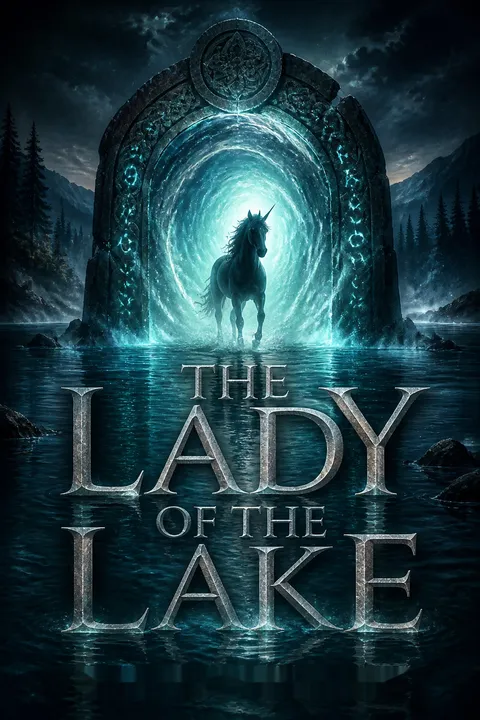
Ciri's captivity among the elves becomes a crucible of betrayal and revelation. She learns the truth of the elves' past crimes and the fate of their world, and is aided in her escape by the unicorn Ihuarraquax. The journey through the labyrinth of worlds is fraught with peril, as Ciri is hunted by the Wild Hunt and forced to confront the darkness within herself and the worlds she visits. Her escape is both a literal flight and a symbolic act of reclaiming agency, as she rejects the roles imposed upon her and forges her own path through the chaos of destiny.
The Labyrinth of Worlds
Ciri and Ihuarraquax traverse a dizzying array of worlds and times, each reflecting different facets of suffering, hope, and human folly. From plague-ridden cities to post-apocalyptic wastelands, Ciri witnesses the consequences of power, prejudice, and indifference. These journeys test her resolve and shape her understanding of herself and her place in the universe. The labyrinth is both a trial and a revelation, as Ciri comes to accept her power and the necessity of choice. Her odyssey is a meditation on the nature of evil, the fragility of hope, and the possibility of redemption.
The Battle of Brenna
The narrative shifts to the brutal Battle of Brenna, a turning point in the war between Nilfgaard and the Northern Kingdoms. Through the eyes of soldiers, medics, and bystanders, the chaos and horror of war are laid bare. The battle is a crucible of sacrifice and loss, where heroism and brutality coexist. Characters such as Jarre, Shani, and Rusty are drawn into the maelstrom, their fates intertwined with the larger currents of history. The battle's outcome shapes the political landscape, but its true cost is measured in the lives shattered and the innocence lost.
The Price of Peace
With the war's end, the victors and vanquished gather to negotiate the peace of Cintra. The process is marked by political maneuvering, betrayal, and the sacrifice of ideals. Elves and other nonhumans are betrayed by their former allies, scapegoated and cast aside in the name of stability. The peace is fragile, built on compromise and the erasure of inconvenient truths. The chapter exposes the moral ambiguities of power, the ease with which justice is bartered for expedience, and the enduring wounds left by war.
The End of the Hunt
Ciri, Geralt, and Yennefer converge on the fortress of Stygga for the final confrontation with Vilgefortz, Bonhart, and Skellen. The battles are fierce and personal, marked by vengeance, sacrifice, and the settling of old scores. Allies fall, enemies are vanquished, and the circle of violence closes. The reunion of the saga's central trio is bittersweet, shadowed by the losses endured and the knowledge that peace is fleeting. The end of the hunt is both a victory and a farewell, as the heroes prepare to face the consequences of their choices.
The Circle Closes
With Vilgefortz defeated and the war ended, Geralt, Yennefer, and Ciri are briefly reunited. Yet the demands of destiny and the machinations of power soon force them apart. Ciri is called to Montecalvo, where the Lodge of Sorceresses seeks to shape her future. Geralt and Yennefer, weary and wounded, find solace in each other's arms, but their time together is short. The circle of fate closes as each character must choose their path, balancing love, duty, and the hope for a better world.
The Last Wish
Geralt and Yennefer's love, forged through hardship and bound by destiny, reaches its poignant conclusion. In the aftermath of violence and loss, they find a moment of peace, a brief respite from the world's demands. Their love is both a wish fulfilled and a sacrifice, a testament to the power of hope in the face of despair. The chapter is a meditation on the nature of love, the cost of happiness, and the acceptance of mortality.
The Lake's Reflection
The story returns to the frame narrative, as Ciri's legend is recounted and reinterpreted by those who come after. The boundaries between history and myth blur, as the truth of the saga is lost and found in the retelling. The lake becomes a mirror, reflecting the hopes, fears, and dreams of those who gaze into its depths. The chapter is a meditation on memory, storytelling, and the enduring power of legends to shape the world.
The Fate of Legends
As the saga draws to a close, the characters' fates become the stuff of legend. Their stories are retold, embellished, and transformed by those who come after. The lessons of their lives—courage, love, sacrifice, and the struggle against fate—echo through the ages. The world changes, but the need for hope and the power of stories endure. The final chapter is both an ending and a beginning, a reminder that every legend is born from the longing for meaning and the refusal to surrender to despair.
Analysis
A meditation on destiny, memory, and the power of storiesLady of the Lake is both the culmination and the deconstruction of the Witcher saga, weaving together threads of prophecy, love, war, and myth into a tapestry that is as much about the act of storytelling as it is about the characters themselves. Sapkowski interrogates the nature of destiny, the burden of being chosen, and the cost of hope in a world marked by violence and betrayal. The novel's frame narrative and metafictional elements invite readers to question the boundaries between history and legend, truth and fiction, and to recognize the enduring need for meaning in the face of chaos. The lessons of the saga are both timeless and timely: that love is both a wish and a sacrifice, that power is always ambiguous, and that the stories we tell—about ourselves, our heroes, and our world—are the truest form of magic. In the end, Lady of the Lake is a story about the refusal to surrender to despair, the courage to choose one's own path, and the hope that, even in the darkest times, legends endure.
Podsumowanie recenzji
Inni czytali również

Characters
Ciri (Cirilla Fiona Elen Riannon)
Ciri is the heart of the saga, a child marked by prophecy and pursued by forces seeking to use her power. Her journey is one of trauma, resilience, and self-discovery. Orphaned, scarred, and hunted, she is shaped by violence but refuses to be defined by it. Her relationships with Geralt and Yennefer are central to her identity, offering both love and the burden of expectation. Ciri's time among the elves, her escape through the labyrinth of worlds, and her ultimate assertion of agency mark her transformation from victim to hero. She embodies the struggle to define one's destiny in a world that seeks to impose meaning from without.
Geralt of Rivia
Geralt is the saga's moral anchor, a witcher whose code is tested by the world's ambiguities. Haunted by loss and driven by love for Ciri and Yennefer, he is both a killer and a healer, a man who seeks peace but is drawn into violence. Geralt's journey is marked by sacrifice, disillusionment, and the search for meaning in a world where good and evil are rarely clear-cut. His relationships are fraught with longing and regret, but also with moments of profound tenderness. Geralt's final acts are those of a man who has learned the limits of power and the necessity of hope.
Yennefer of Vengerberg
Yennefer is a woman of formidable will and intelligence, whose love for Geralt and Ciri defines her life. Her journey is one of transformation, from ambitious mage to devoted mother and partner. Yennefer's struggles with infertility, her battles with the Lodge, and her willingness to sacrifice for those she loves reveal her complexity and depth. She is both a force of nature and a deeply vulnerable human being, capable of great cruelty and great compassion. Yennefer's arc is one of redemption, as she learns to accept love and to let go.
Avallac'h
Avallac'h is the architect of Ciri's captivity among the Aen Elle, driven by the hope of saving his people through her bloodline. He is both a mentor and a jailer, torn between admiration for Ciri's spirit and the demands of prophecy. Avallac'h's motivations are shaped by loss and longing, particularly for Lara Dorren, and his actions are marked by both wisdom and cruelty. He embodies the dangers of seeing people as means to an end, and his relationship with Ciri is a study in the complexities of power, desire, and regret.
Emhyr var Emreis (Duny)
Emhyr is the saga's most formidable antagonist, a man whose pursuit of power is matched only by his capacity for self-justification. As Ciri's biological father, his actions are driven by prophecy, ambition, and a twisted sense of duty. Emhyr's willingness to sacrifice love, family, and morality for the sake of destiny makes him both tragic and monstrous. His final decisions are marked by ambiguity, as he is forced to confront the limits of power and the cost of his choices.
Bonhart
Bonhart is the saga's most terrifying human villain, a bounty hunter who delights in the suffering of others. His pursuit of Ciri is relentless, marked by brutality and a perverse sense of honor. Bonhart's violence is both personal and systemic, reflecting the world's capacity for dehumanization. His eventual defeat at Ciri's hands is both a moment of catharsis and a reminder of the cost of vengeance.
Vilgefortz
Vilgefortz is the saga's central antagonist among the mages, a man whose brilliance is matched only by his ruthlessness. His schemes drive much of the conflict, as he seeks to control Ciri and reshape the world according to his vision. Vilgefortz's downfall is marked by hubris and the inability to recognize the limits of power. His confrontations with Geralt and Yennefer are both physical and philosophical, embodying the struggle between freedom and control.
Nimue
Nimue is the Lady of the Lake in the frame narrative, a scholar obsessed with uncovering the truth behind Ciri's legend. Her journey is one of intellectual and emotional discovery, as she confronts the limitations of history and the power of myth. Nimue's relationship with Condwiramurs and her own dreams reflect the enduring need to find meaning in the stories we tell. She is both a guardian of memory and a seeker of hope.
Condwiramurs
Condwiramurs is Nimue's apprentice, a gifted dreamer whose visions bridge the gap between past and present. Her role is that of a mediator, translating the legend's mysteries into understanding. Condwiramurs' journey is one of growth, as she learns to trust her intuition and to accept the ambiguity of truth. Her relationship with Nimue is marked by respect, curiosity, and the shared pursuit of meaning.
Triss Merigold
Triss is a sorceress whose loyalty to Geralt, Yennefer, and Ciri is unwavering, even as she struggles with her own fears and limitations. Her role in the saga is that of a healer and a witness, bearing the scars of war and the burden of memory. Triss's courage is quiet but profound, as she faces her fears and stands by her friends in their darkest moments. Her journey is one of acceptance, as she learns to forgive herself and to find strength in vulnerability.
Plot Devices
Frame Narrative and Metafiction
The novel employs a frame narrative, with Nimue and Condwiramurs investigating the legend of Ciri, blurring the lines between history, myth, and fiction. This structure allows for multiple perspectives, unreliable narrators, and the exploration of how stories are created, remembered, and transformed. The metafictional approach invites readers to question the nature of truth, the power of narrative, and the ways in which legends shape reality.
Prophecy and Destiny
Prophecy is both a driving force and a source of conflict, shaping the characters' choices and the world's expectations. The tension between destiny and free will is central, as Ciri, Geralt, and Yennefer struggle to assert agency in the face of seemingly inescapable fate. The narrative interrogates the cost of being chosen and the possibility of forging one's own path.
Dream Visions and Oneiromancy
Dreams and visions are used as both plot devices and thematic explorations, allowing characters to access hidden knowledge, confront trauma, and bridge the gap between past and present. Oneiromancy (dream magic) serves as a metaphor for the act of storytelling itself, highlighting the subjectivity of memory and the multiplicity of truth.
Political Intrigue and Betrayal
The saga's climax is marked by political negotiation, betrayal, and the sacrifice of ideals for expedience. The peace of Cintra is achieved through compromise and the erasure of inconvenient truths, exposing the moral ambiguities of power and the ease with which justice is bartered for stability.
Cyclical Time and Ouroboros
The motif of the ouroboros—the serpent eating its own tail—recurs throughout the novel, symbolizing the cyclical nature of time, the interweaving of past, present, and future, and the eternal return of hope and despair. The narrative structure itself mirrors this cycle, with endings giving birth to new beginnings and legends perpetually renewed.
Pobierz PDF
Pobierz EPUB
.epub digital book format is ideal for reading ebooks on phones, tablets, and e-readers.








































