
Trama
Il risveglio della giungla
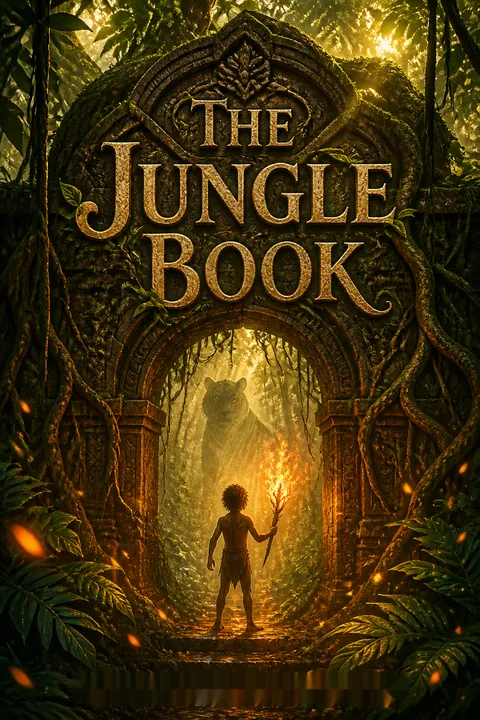
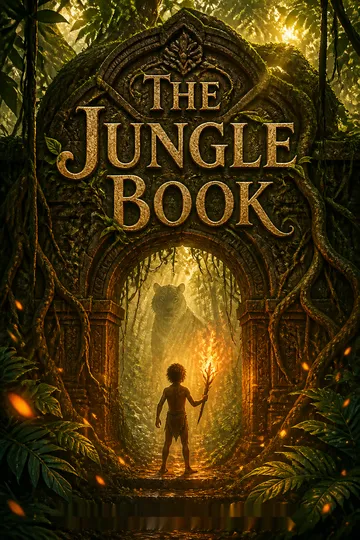
Sulle colline di Seeonee, Babbo Lupo si risveglia in una calda serata, pronto per la caccia. La sua famiglia, composta da Mamma Lupa e dai loro cuccioli, si trova nella tana. Lo sciacallo Tabaqui fa loro visita, portando la notizia che la tigre Shere Khan ha spostato il suo territorio di caccia nelle vicinanze, creando forte tensione tra i lupi.
L'arrivo di Mowgli
La caccia agli umani da parte di Shere Khan spinge un neonato a vagare fino alla tana dei lupi. I lupi, incuriositi da quel bambino così impavido, decidono di tenerlo con sé e lo battezzano Mowgli. Shere Khan esige che il piccolo gli venga consegnato, ma Mamma Lupa difende strenuamente Mowgli, rivendicandolo come proprio figlio.
La Legge e l'ordine della giungla
Crescendo, Mowgli apprende le leggi della giungla sotto la guida dell'orso Baloo e della pantera Bagheera. Impara la Legge della Giungla, che mette al primo posto il rispetto e l'equilibrio tra tutte le creature. Mowgli diventa così abilissimo a sopravvivere e a prosperare nella natura selvaggia.
La minaccia di Shere Khan
Man mano che Mowgli cresce, il risentimento di Shere Khan si fa sempre più profondo. La tigre influenza i lupi più giovani, seminando zizzania e mettendo in dubbio il diritto di Mowgli di far parte del branco. Bagheera avverte Mowgli del pericolo, esortandolo a prepararsi per l'inevitabile scontro con Shere Khan.
La vita di Mowgli nella giungla
Mowgli diventa a tutti gli effetti parte del branco di lupi, imparando a cacciare e a muoversi nella giungla. Stringe legami fortissimi con i suoi mentori animali e diventa una figura rispettata da tutte le creature della giungla, nonostante la costante minaccia di Shere Khan.
La decisione del Consiglio
Durante la riunione del Consiglio, i lupi devono decidere la sorte di Mowgli. Shere Khan pretende che il ragazzo gli venga consegnato, ma Baloo e Bagheera prendono le sue difese. Mowgli usa il fuoco, il "Fiore Rosso", per imporre la propria autorità, assicurandosi per il momento il suo posto nella giungla.
La partenza di Mowgli
Consapevole di dover fare i conti con la propria identità umana, Mowgli decide di abbandonare la giungla. Saluta la sua famiglia di lupi, promettendo di ritornare. La partenza di Mowgli segna l'inizio di un nuovo capitolo della sua vita: si avventura nel mondo degli uomini, lasciandosi alle spalle l'unica casa che abbia mai conosciuto.
Analysis
Un'esplorazione dell'identità e del senso di appartenenza"Il libro della giungla" scava a fondo nei temi dell'identità, dell'appartenenza e dello scontro tra natura e cultura. Il percorso di Mowgli riflette la ricerca universale dell'accettazione e della scoperta di sé. La storia sottolinea l'importanza della comunità, della guida dei mentori e del delicato equilibrio tra i desideri del singolo e le aspettative della società. Attraverso le interazioni di Mowgli con la giungla e i suoi abitanti, Kipling esplora la complessità dell'identità e la sfida di muoversi tra mondi diversi. La narrazione ci ricorda la profonda interconnessione tra tutti gli esseri viventi e la necessità di armonia e rispetto in un mondo eterogeneo.
Sintesi delle recensioni
Il libro della giungla è una raccolta di storie di animali e poesie ambientate in India. I recensori lodano la scrittura vivida di Kipling e i suoi personaggi memorabili, in particolare Mowgli, Baloo e Bagheera. In molti sottolineano come il libro si differenzi significativamente dagli adattamenti Disney. Sebbene alcuni trovino i racconti successivi meno avvincenti, la maggior parte apprezza i temi dell'amicizia, del coraggio e della natura. I critici non nascondono l'atteggiamento coloniale di Kipling, ma considerano generalmente queste storie senza tempo e piacevoli sia per i bambini sia per gli adulti.
Altri hanno letto anche

Characters
Mowgli
Allevato dai lupi, Mowgli è un ragazzo coraggioso e curioso che impara a conoscere i segreti della giungla. È protetto da Mamma Lupa e guidato da Baloo e Bagheera. Il percorso di Mowgli è un viaggio alla scoperta di se stesso, in cui si trova a fare i conti con la sua doppia identità di uomo e lupo.
Shere Khan
Shere Khan è una tigre feroce che disprezza gli umani e vede in Mowgli una minaccia. La sua caccia spietata a Mowgli è il motore di gran parte dei conflitti della storia. L'arroganza di Shere Khan e il suo disprezzo per le leggi della giungla segneranno alla fine la sua rovina.
Baloo
Baloo è un orso buono e paziente che insegna a Mowgli la Legge della Giungla. Rappresenta una figura paterna per Mowgli, trasmettendogli la sua saggezza e assicurandosi che il ragazzo comprenda l'importanza del rispetto e dell'equilibrio nella natura selvaggia.
Bagheera
Bagheera è una pantera agile e intelligente che veglia su Mowgli. Usa la sua astuzia e la sua forza per guidare e proteggere il ragazzo, agendo spesso come mediatore tra lui e i pericoli della giungla.
Mother Wolf
Mamma Lupa adotta Mowgli come se fosse suo figlio, difendendolo con le unghie e con i denti da Shere Khan. Il suo amore e la sua lealtà verso Mowgli sono incrollabili, e il suo ruolo si rivela decisivo per l'accettazione del ragazzo all'interno del branco.
Father Wolf
Babbo Lupo è un leader forte e rispettato che sostiene la decisione di Mamma Lupa di tenere Mowgli. Insegna al ragazzo le abilità necessarie per sopravvivere nella giungla e ne garantisce l'integrazione nel branco.
Tabaqui
Tabaqui è uno sciacallo viscido e astuto che fa da messaggero e spia per Shere Khan. Si diverte a seminare zizzania e a diffondere il terrore, ma la sua codardia finisce spesso per tradirlo.
Akela
Akela è il saggio e anziano leader del branco di lupi. Sostiene l'integrazione di Mowgli nel branco, ma fatica a mantenere l'autorità man mano che l'influenza di Shere Khan cresce. La leadership di Akela viene messa a dura prova quando il branco si trova ad affrontare minacce sia interne che esterne.
Kaa
Kaa è un enorme ed enigmatico pitone che occasionalmente offre il suo aiuto a Mowgli. Sebbene sia temuto da molti, la profonda conoscenza che Kaa ha della giungla e dei suoi segreti si rivela preziosa per Mowgli e per i suoi amici.
Raksha
Raksha, nota anche come "La Diavola", è il lato feroce di Mamma Lupa che emerge quando si tratta di difendere Mowgli. La sua forza e la sua determinazione non hanno rivali, rendendola una protettrice temibile.
Plot Devices
Jungle Law
La Legge della Giungla è l'insieme di regole che disciplina il comportamento di tutte le creature della giungla. Mette l'accento sul rispetto, sull'equilibrio e sulle conseguenze della trasgressione. Questa struttura etica plasma la comprensione che Mowgli ha del proprio posto nel mondo.
The Red Flower
Il fuoco, chiamato nella giungla il "Fiore Rosso", rappresenta il potere e la paura associati agli esseri umani. L'uso che Mowgli fa del fuoco per imporsi sui lupi e su Shere Khan evidenzia la sua posizione unica di uomo all'interno della giungla.
Dual Identity
La lotta interiore di Mowgli con la propria identità, divisa tra l'essere umano e l'essere lupo, è un tema centrale. Il suo viaggio alla scoperta di sé passa attraverso la riconciliazione di questi due aspetti, portandolo infine alla decisione di lasciare la giungla per esplorare le sue origini umane.
Mentorship
Le relazioni di Mowgli con Baloo, Bagheera e le altre creature della giungla gli forniscono le conoscenze e le competenze necessarie per sopravvivere. Questi mentori svolgono un ruolo cruciale nel plasmare il carattere di Mowgli e la sua comprensione del mondo selvaggio.
Shere Khan's Threat
La caccia spietata di Shere Khan nei confronti di Mowgli crea una tensione costante e fa avanzare la trama. La presenza della tigre costringe Mowgli ad affrontare le proprie paure, portandolo infine ad abbandonare la giungla.
FAQ
Basic Details
What is The Jungle Book about?
- Orphan Raised by Wolves: The story centers on Mowgli, a human child raised by wolves in the Indian jungle, learning the laws and ways of the wild.
- Jungle Life and Lessons: Mowgli's life is filled with adventures, friendships with animals like Baloo the bear and Bagheera the panther, and the constant threat of Shere Khan, the tiger.
- Navigating Two Worlds: The narrative explores Mowgli's journey as he grows, grappling with his dual identity as both a human and a creature of the jungle, ultimately leading to his departure.
Why should I read The Jungle Book?
- Timeless Coming-of-Age: The book offers a classic coming-of-age story, exploring themes of identity, belonging, and the challenges of growing up in a unique environment.
- Rich Animal Characters: The memorable animal characters, each with distinct personalities and motivations, provide valuable life lessons and engaging interactions.
- Vivid Jungle Setting: Kipling's detailed descriptions of the Indian jungle create an immersive and captivating world, making the story a rich and imaginative experience.
What is the background of The Jungle Book?
- British Colonial India: The stories are set in British colonial India, reflecting the author's experiences and observations of the landscape, culture, and wildlife.
- Folk Tales and Animal Lore: Kipling drew inspiration from Indian folklore, animal fables, and his own knowledge of the natural world, blending them into a unique narrative.
- Moral and Social Commentary: The book subtly explores themes of law, order, and the clash between civilization and the wild, reflecting the social and political context of the time.
What are the most memorable quotes in The Jungle Book?
- "We be of one blood, ye and I": This phrase, used by Mowgli and other jungle creatures, emphasizes the bond and mutual respect among different species, highlighting the theme of unity.
- "Now the jungle is shut to thee henceforward": Bagheera's words to Mowgli mark a pivotal moment, signifying Mowgli's transition from a jungle cub to a human, and the loss of his place in the wild.
- "The Law of the Jungle, which never orders anything without a reason": This quote underscores the importance of rules and order in the jungle, reflecting the book's exploration of social structures and their purpose.
What writing style, narrative choices, and literary techniques does Rudyard Kipling use?
- Fable-like Narrative: Kipling employs a fable-like style, using animal characters to convey moral lessons and explore complex themes, making the story accessible to a wide audience.
- Vivid Descriptive Language: The author uses rich, sensory language to bring the Indian jungle to life, creating a vivid and immersive reading experience for the reader.
- Shifting Perspectives: Kipling shifts between different points of view, offering insights into the thoughts and feelings of both human and animal characters, enhancing the story's depth.
Hidden Details & Subtle Connections
What are some minor details that add significant meaning?
- Tabaqui's Madness: Tabaqui's madness, referred to as "dewanee," foreshadows the chaos and irrationality that Shere Khan brings to the jungle, highlighting the destructive nature of unchecked power.
- Bagheera's Collar Mark: The small bald spot under Bagheera's chin, the mark of a collar, reveals his past as a captive of men, creating a parallel with Mowgli's own dual identity and foreshadowing his eventual return to human society.
- The Red Flower's Origin: The detail of the Red Flower growing in "little pots" outside the human huts emphasizes its artificial nature, contrasting with the natural elements of the jungle and highlighting the human world's control over fire.
What are some subtle foreshadowing and callbacks?
- Shere Khan's Lame Foot: Shere Khan's lameness, mentioned early on, is a physical manifestation of his weakness and inability to follow the Law of the Jungle, foreshadowing his eventual defeat.
- Mother Wolf's Prophecy: Mother Wolf's declaration that Mowgli will one day hunt Shere Khan foreshadows the final confrontation, creating a sense of destiny and inevitability.
- The Broken Lock: Bagheera's reference to the "Broken Lock that freed me" is a callback to his past and a subtle foreshadowing of Mowgli's own eventual break from the jungle.
What are some unexpected character connections?
- Bagheera and Men: Bagheera's past among men, revealed through his collar mark, creates an unexpected connection between him and Mowgli, highlighting their shared experience of being outsiders.
- Akela and Mowgli: Akela's quiet support of Mowgli, despite the pack's growing dissent, reveals a deeper bond between the aging leader and the man-cub, emphasizing his wisdom and foresight.
- Tabaqui and Shere Khan: The relationship between Tabaqui and Shere Khan, though based on fear and manipulation, highlights the complex power dynamics within the jungle and the influence of a seemingly minor character.
Who are the most significant supporting characters?
- Baloo's Role as Teacher: Baloo's role as the teacher of the Law of the Jungle is crucial, as he imparts the rules and values that shape Mowgli's understanding of the world, making him more than just a mentor.
- Akela's Leadership: Akela's leadership, though challenged, is essential in maintaining order within the pack, and his eventual downfall highlights the fragility of power and the importance of adaptability.
- Darzee's Wife's Wisdom: Darzee's wife, often overlooked, demonstrates a practical wisdom that contrasts with her husband's foolishness, playing a key role in warning Mowgli of Nagaina's attack.
Psychological, Emotional, & Relational Analysis
What are some unspoken motivations of the characters?
- Shere Khan's Fear of Man: Shere Khan's intense hatred of humans stems from a deep-seated fear of their power, which he projects onto Mowgli, revealing his own insecurity.
- Bagheera's Guilt: Bagheera's fierce protectiveness of Mowgli is driven by a sense of guilt over his own past among men, making him determined to ensure Mowgli's safety.
- Akela's Desire for Legacy: Akela's support of Mowgli is partly motivated by a desire to leave a lasting legacy, hoping that Mowgli will bring strength and wisdom to the pack after his own decline.
What psychological complexities do the characters exhibit?
- Mowgli's Identity Crisis: Mowgli's internal struggle with his dual identity as both human and wolf reveals the psychological complexities of belonging and the challenges of reconciling conflicting aspects of oneself.
- Shere Khan's Obsession: Shere Khan's obsession with killing Mowgli highlights his deep-seated insecurities and his inability to accept anything that challenges his dominance, revealing a complex psychological profile.
- Baloo's Internal Conflict: Baloo's internal conflict between his desire to protect Mowgli and his duty to uphold the Law of the Jungle showcases the complexities of mentorship and the challenges of balancing love and discipline.
What are the major emotional turning points?
- Mowgli's Acceptance by the Pack: Mowgli's acceptance into the wolf pack, marked by Baloo and Bagheera's support, is a major emotional high point, signifying his belonging and the strength of his bonds.
- Mowgli's Rejection by the Pack: The wolves' rejection of Mowgli at the Council Rock is a devastating emotional low point, forcing him to confront his human identity and the limitations of his place in the jungle.
- Mowgli's Farewell to Mother Wolf: Mowgli's emotional farewell to Mother Wolf, where she expresses her love for him, is a poignant moment, highlighting the depth of their bond and the pain of separation.
How do relationship dynamics evolve?
- Mowgli and the Wolves: Mowgli's relationship with the wolf pack evolves from one of acceptance and belonging to one of rejection and separation, highlighting the complexities of social dynamics and the challenges of fitting in.
- Mowgli and His Mentors: Mowgli's relationships with Baloo and Bagheera evolve from mentorship to deep friendship, showcasing the importance of guidance and support in his journey.
- Shere Khan and the Pack: Shere Khan's relationship with the younger wolves evolves from manipulation to open rebellion against Akela, highlighting the destructive nature of power and the fragility of social structures.
Interpretation & Debate
Which parts of the story remain ambiguous or open-ended?
- Mowgli's Future with Men: The ending leaves Mowgli's future among men open-ended, raising questions about his ability to adapt to human society and whether he will ever truly belong.
- The Fate of the Pack: The fate of the wolf pack after Mowgli's departure is left ambiguous, leaving readers to wonder about their future and the impact of Mowgli's absence.
- The True Nature of the Jungle: The story leaves the true nature of the jungle ambiguous, raising questions about whether it is a place of harmony or a battleground of competing interests, inviting multiple interpretations.
What are some debatable, controversial scenes or moments in The Jungle Book?
- Mowgli's Use of Fire: Mowgli's use of fire to assert dominance is a controversial moment, raising questions about the ethics of using human power in the wild and the potential for corruption.
- The Killing of Shere Khan: The brutal killing of Shere Khan, while satisfying, raises questions about the nature of justice and whether violence is the only solution to conflict.
- The Portrayal of the Bandar-log: The portrayal of the Bandar-log as foolish and lawless can be seen as a controversial representation of certain social groups, inviting debate about Kipling's views on society.
The Jungle Book Ending Explained: How It Ends & What It Means
- Mowgli's Departure: Mowgli's decision to leave the jungle signifies his acceptance of his human identity and his need to explore the world beyond the wild, marking a significant turning point in his life.
- Rejection and Acceptance: The ending highlights the themes of rejection and acceptance, as Mowgli is rejected by the wolf pack but finds a sense of self through his departure, suggesting that belonging is not always about fitting in.
- The Cycle of Life: The ending, while bittersweet, emphasizes the cyclical nature of life, with Mowgli leaving the jungle to begin a new chapter, while the jungle continues its own cycle of life and death, suggesting that change is inevitable.
Il libro della giungla Serie
Scarica PDF
Scarica EPUB
.epub digital book format is ideal for reading ebooks on phones, tablets, and e-readers.








































