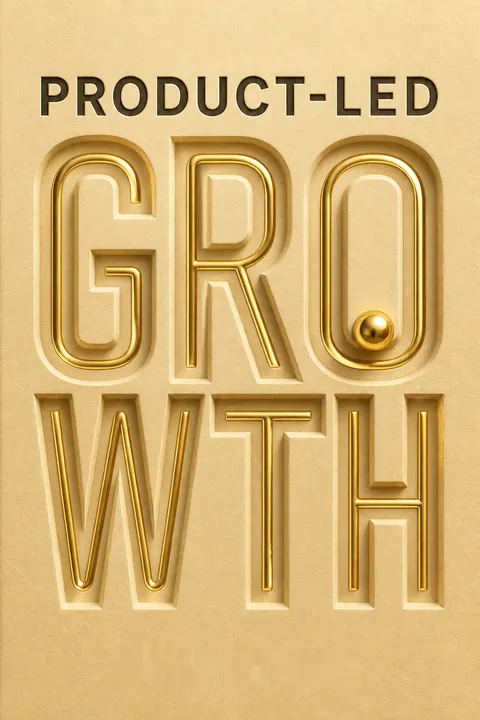

Punti chiave
1. Product-Led Growth: il Futuro del Successo nel SaaS
Il Product-Led Growth consiste nell’aiutare i clienti a percepire il valore continuo che il tuo prodotto offre. È un passaggio cruciale nel design di un prodotto di successo, e questo libro ti mostra come realizzarlo.
Un cambio di paradigma. Il Product-Led Growth (PLG) è una strategia di go-to-market che pone il prodotto al centro dell’acquisizione, attivazione e fidelizzazione dei clienti. Questo approccio sta diventando sempre più rilevante, soprattutto a fronte dell’aumento dei costi di acquisizione e della diminuzione della disponibilità a pagare per funzionalità. Il PLG risponde alle preferenze degli acquirenti moderni, che vogliono provare i prodotti prima di acquistarli.
I vantaggi del PLG:
- Funnel di acquisizione più ampio
- Costi di acquisizione cliente (CAC) più bassi
- Cicli di vendita più rapidi
- Maggior fatturato per dipendente
- Esperienza utente migliorata
Le sfide principali: Implementare il PLG richiede un cambiamento nella struttura organizzativa e nel mindset aziendale. Serve una profonda comprensione delle esigenze dei clienti e un miglioramento continuo del prodotto per offrire valore in modo rapido e costante.
2. Scegli con Cura il Modello di Product-Led Growth
Il modello freemium è come una spada samurai: se non sei un maestro nel suo uso, rischi di tagliarti un braccio.
Una decisione strategica. Scegliere tra prova gratuita, freemium o demo è fondamentale per la tua strategia PLG. La scelta dipende da diversi fattori, tra cui la strategia di mercato, le condizioni competitive, il pubblico di riferimento e il tempo necessario per far percepire il valore.
Il framework MOAT per decidere:
- Strategia di mercato: dominante, dirompente o differenziata?
- Condizioni di mercato: oceano rosso o blu?
- Pubblico: strategia di vendita top-down o bottom-up?
- Tempo al valore: quanto velocemente gli utenti percepiscono il valore?
Valuta anche modelli ibridi, come il lancio di un nuovo prodotto, la combinazione di freemium con prova gratuita o l’offerta di una prova gratuita seguita da un’opzione freemium. L’importante è allineare il modello agli obiettivi di business e alle esigenze dei clienti.
3. Comprendi, Comunica e Offri il Tuo Valore
Un brand forte e la prova sociale non bastano più per costruire fiducia nel compratore moderno. Devi permettere alle persone di provare prima di comprare.
Il framework UCD. Per costruire una solida base per il tuo business product-led, concentrati su tre elementi chiave: Comprendere il valore, Comunicare il valore e Offrire il valore (UCD).
Comprendere il valore:
- Identifica risultati funzionali, emotivi e sociali
- Definisci le metriche di valore
Comunicare il valore:
- Crea pagine di prezzo chiare e coinvolgenti
- Usa strategie di pricing basate sul valore
Offrire il valore:
- Riduci il debito di abilità
- Allinea l’esperienza prodotto alle aspettative degli utenti
- Migliora continuamente il tempo al valore
Padroneggiando questi tre elementi, potrai creare una strategia PLG efficace che risuoni con gli utenti e favorisca una crescita sostenibile.
4. Ottimizza la Strategia di Prezzo per la Crescita
Se vendi un paio di scarpe, la tua metrica di valore è “per paio di scarpe” e man mano che i clienti ne comprano di più, il tuo business cresce.
Prezzi basati sul valore. Adottare una strategia di pricing basata sul valore è essenziale per il successo del PLG. Questo approccio allinea il modello di ricavi con quello di acquisizione clienti, garantendo una crescita sostenibile.
Elementi chiave di una strategia di prezzo efficace:
- Usa metriche di valore per legare il prezzo al valore percepito dal cliente
- Implementa prezzi a livelli per soddisfare segmenti diversi
- Rivedi e adatta regolarmente i prezzi in base al feedback e al mercato
Evita errori comuni come:
- Pagine di prezzo troppo complicate
- Piani gratuiti senza incentivi all’upgrade
- Facilità eccessiva nel downgrade da parte dei clienti
Comunica sempre i prezzi in modo chiaro e trasparente, evidenziando il valore offerto a ogni livello.
5. Padroneggia l’Arte dell’Onboarding Utente
Le persone non usano un software perché hanno tanto tempo libero o trovano divertente cliccare bottoni.
Il framework Bowling Alley. Crea un’esperienza di onboarding fluida che guidi gli utenti a percepire rapidamente il valore. Questo framework si basa su tre elementi chiave:
- Definisci la linea retta: traccia il percorso più breve verso il valore per gli utenti
- Crea “bumpers” nel prodotto: usa guide in-app per mantenere gli utenti sulla giusta strada
- Costruisci bumpers conversazionali: utilizza comunicazioni esterne per guidare e riattivare gli utenti
Esempi efficaci di bumpers nel prodotto:
- Messaggi di benvenuto
- Tour del prodotto
- Barre di progresso
- Checklist
- Tooltip per l’onboarding
- Stati vuoti
Concentrati nel ridurre gli attriti e nel guidare gli utenti verso i risultati desiderati nel minor tempo possibile. Analizza e ottimizza costantemente il processo di onboarding per migliorare attivazione e fidelizzazione.
6. Crea un Sistema Potente di Bumpers Conversazionali
La funzione principale delle email di onboarding è fare ciò che il sito non può: raggiungere gli utenti dove sono e riportarli nell’app.
Segnali intelligenti. Sviluppa un sistema di bumpers conversazionali che si adatti al comportamento degli utenti e li accompagni nel loro percorso. Usa segnali intelligenti per inviare i messaggi giusti al momento giusto:
- Registrazione
- Vittoria rapida
- Risultato desiderato
- Cliente
Tipologie chiave di email:
- Email di benvenuto
- Email con suggerimenti d’uso
- Email di contatto commerciale
- Email con case study
- Email per migliorare la vita
- Email di avviso scadenza
- Email di sondaggio post-prova
- Email di benvenuto cliente
Crea percorsi email personalizzati basati sul comportamento e sull’engagement degli utenti. Punta a offrire valore e a guidare gli utenti verso i loro obiettivi, senza forzare conversioni immediate.
7. Aumenta il Ricavo Medio per Utente (ARPU)
In media, un cliente abituale spende il 67% in più rispetto a un cliente nuovo.
Qualità prima della quantità. Concentrarsi sull’aumento dell’ARPU permette una crescita efficiente dal punto di vista del capitale, massimizzando il valore dei clienti esistenti. Spesso trascurata a favore dell’acquisizione, questa strategia può influire significativamente sulla redditività.
Strategie per ottimizzare l’ARPU:
- Usa metriche di valore nel modello di prezzo
- Migliora i livelli di prezzo e elimina opzioni superflue
- Aumenta i prezzi in modo strategico
- Tratta gli utenti di alto valore in modo eccezionale
- Implementa tattiche efficaci di upselling e cross-selling
Ricorda che non tutti i clienti sono uguali. Punta ad attrarre e mantenere clienti di alto valore, perfettamente in linea con il tuo prodotto e con potenziale di crescita a lungo termine.
8. Sconfiggi il Mostro del Churn per una Crescita Sostenibile
Il churn è il killer silenzioso della tua azienda. Se non lo affronti presto, lavorerai duramente solo per restare fermo.
Un approccio olistico. Contrastare il churn è fondamentale per una crescita sostenibile. Misura e affronta il churn da più prospettive:
- Churn clienti: percentuale di clienti persi
- Churn ricavi: ammontare di ricavi persi
- Churn attività: utenti a rischio in base all’uso del prodotto
Strategie per ridurre il churn:
- Concentrati sulla consegna continua di valore
- Implementa iniziative proattive di customer success
- Usa dati di attività per identificare e riattivare utenti a rischio
- Raccogli e agisci regolarmente sul feedback dei clienti
- Ottimizza onboarding e adozione delle funzionalità
Ricorda che ridurre il churn è un processo continuo. Fissa obiettivi incrementali e lavora costantemente per migliorare la fidelizzazione in tutti i segmenti di clientela.
Sintesi delle recensioni
Product-Led Growth riceve per lo più recensioni positive, con lettori che ne apprezzano gli spunti pratici rivolti alle aziende SaaS. Molti lo considerano una risorsa preziosa per comprendere le strategie guidate dal prodotto, le tecniche di onboarding e i modelli di pricing. Il libro viene elogiato per il suo formato conciso, di facile lettura, e per i consigli concreti che offre. Alcuni professionisti esperti trovano i contenuti già noti, mentre altri ne apprezzano la panoramica completa. Qualche critica riguarda la mancanza di profondità o originalità. Nel complesso, è consigliato a chi opera nel settore SaaS, nella gestione del prodotto e nelle strategie di crescita.
Altri hanno letto anche








FAQ
What's "Product-Led Growth: How to Build a Product That Sells Itself" about?
- Core Concept: The book by Wes Bush introduces the Product-Led Growth (PLG) strategy, which uses the product itself as the primary means to acquire, activate, and retain customers.
- Methodology: It challenges traditional sales-led approaches by focusing on delivering value through the product, allowing users to experience its benefits firsthand.
- Target Audience: Primarily aimed at SaaS businesses, the book provides a framework for transitioning to a product-led model to drive growth.
- Outcome: By adopting PLG, companies can reduce customer acquisition costs, shorten sales cycles, and increase customer satisfaction and retention.
Why should I read "Product-Led Growth"?
- Industry Relevance: As the SaaS industry evolves, understanding PLG is crucial for staying competitive and meeting modern consumer expectations.
- Practical Frameworks: The book offers actionable strategies and frameworks, such as the MOAT and UCD frameworks, to implement PLG effectively.
- Case Studies: It includes real-world examples and case studies from successful companies like Slack and Dropbox, illustrating the benefits of PLG.
- Future-Proofing: Adopting PLG can help businesses future-proof their growth strategies against rising customer acquisition costs and changing buyer behaviors.
What are the key takeaways of "Product-Led Growth"?
- Product as a Growth Engine: The product should be the main driver of customer acquisition, activation, and retention.
- Customer Experience Focus: Prioritizing user experience in all aspects, from product design to marketing, is essential for PLG success.
- Value Delivery: Companies must understand, communicate, and deliver the value their product provides to users effectively.
- Strategic Alignment: Aligning all teams around the product and its value proposition is crucial for creating a cohesive PLG strategy.
What is the MOAT framework in "Product-Led Growth"?
- Market Strategy: Determine if your growth strategy is dominant, disruptive, or differentiated to guide your PLG approach.
- Ocean Conditions: Assess whether you are in a red or blue ocean market to tailor your strategy accordingly.
- Audience: Decide if a top-down or bottom-up marketing strategy suits your business model and target audience.
- Time-to-Value: Evaluate how quickly your product can showcase its value to users, which is critical for PLG success.
How does the UCD framework work in "Product-Led Growth"?
- Understand Your Value: Identify the functional, emotional, and social outcomes that motivate customers to buy your product.
- Communicate Your Value: Clearly convey the value proposition through pricing, marketing, and customer interactions.
- Deliver on Your Value: Ensure the product experience aligns with customer expectations to minimize the value gap.
- Iterative Process: Continuously refine your understanding, communication, and delivery of value to enhance the product-led experience.
What are the benefits of adopting a Product-Led Growth strategy?
- Lower CAC: PLG can significantly reduce customer acquisition costs by leveraging the product as the primary sales tool.
- Faster Growth: Companies can achieve faster growth by allowing users to experience the product's value firsthand.
- Higher Retention: A focus on delivering exceptional user experiences leads to higher customer satisfaction and retention rates.
- Scalability: PLG enables businesses to scale globally without the need for extensive sales teams, relying instead on the product's inherent value.
What are the best quotes from "Product-Led Growth" and what do they mean?
- "The future of growth belongs to product-led companies." This quote emphasizes the shift in business models towards PLG as a sustainable growth strategy.
- "Trying a product is and always will be an essential part of the buying process." It highlights the importance of allowing users to experience a product before purchasing.
- "Product-Led Growth isn’t just about disrupting 'how' SaaS companies sell, it’s how you survive." This underscores the necessity of PLG in adapting to changing market dynamics and consumer expectations.
- "A strong brand and social proof are no longer enough to build trust with the modern buyer." It points out the need for tangible product experiences to build trust and drive conversions.
How does "Product-Led Growth" suggest handling customer churn?
- Measure Churn: Track customer, revenue, and activity churn to get a comprehensive view of retention challenges.
- Onboarding Experience: Provide a robust onboarding process to ensure customers start on the right foot and experience value quickly.
- Usage Reviews: Send regular usage-review emails to remind customers of the value they receive from the product.
- Churn Prevention: Implement campaigns and strategies to proactively address potential churn and retain customers.
What is the Bowling Alley Framework in "Product-Led Growth"?
- Straight Line: Develop a clear path for users to achieve their desired outcomes with minimal friction.
- Product Bumpers: Use in-app guidance tools like product tours and checklists to keep users on track.
- Conversational Bumpers: Employ emails and notifications to re-engage users and guide them back to the product.
- Outcome Focus: Ensure that all efforts are directed towards helping users experience the product's core value.
How does "Product-Led Growth" address pricing strategies?
- Value-Based Pricing: Set prices based on the value provided to customers, rather than cost or competitor benchmarks.
- Pricing Tiers: Simplify pricing options to reduce decision fatigue and increase conversion rates.
- Value Metrics: Use metrics that align with customer value to determine pricing and drive revenue growth.
- Continuous Evaluation: Regularly assess and adjust pricing strategies to reflect changes in market conditions and customer needs.
What are the challenges of implementing Product-Led Growth according to Wes Bush?
- Cultural Shift: Transitioning to PLG requires a cultural shift within the organization, aligning all teams around the product.
- Complex Implementation: Successfully implementing PLG involves complex changes to product design, marketing, and sales processes.
- Risk of Cannibalization: Introducing free trials or freemium models can risk cannibalizing existing revenue streams if not managed carefully.
- Need for Expertise: Companies may need to invest in training or hiring experts to effectively execute a PLG strategy.
How does "Product-Led Growth" suggest increasing Average Revenue Per User (ARPU)?
- Value Metrics: Align pricing with value metrics that reflect the product's impact on the customer.
- Upselling and Cross-Selling: Offer additional features or products to existing customers to increase their spend.
- Pricing Adjustments: Regularly review and adjust pricing tiers to optimize revenue without alienating customers.
- Customer Segmentation: Focus on acquiring and retaining high-value customers who contribute more to ARPU.
Sull'autore
Scarica PDF
Scarica EPUB
.epub digital book format is ideal for reading ebooks on phones, tablets, and e-readers.








































