
Punti chiave
1. Le vite non vissute plasmano la nostra identità e i nostri desideri
Condividiamo la nostra esistenza con le persone che non siamo riusciti a diventare.
Vite parallele. Immaginiamo costantemente le vite che avremmo potuto condurre, ma che non abbiamo vissuto. Queste esistenze non vissute non sono semplici fantasie, bensì parti integranti della nostra identità. Rappresentano il nostro potenziale, i nostri rimpianti e i desideri più profondi.
Impatto sulla realtà. Le nostre vite non vissute influenzano profondamente la nostra esistenza reale:
- Modellano la percezione di noi stessi e le nostre relazioni
- Alimentano le nostre ambizioni e paure
- Colorano il modo in cui interpretiamo successo e fallimento
La tensione tra la vita reale e quella immaginata crea un paesaggio psicologico ricco che condiziona le nostre decisioni, emozioni e interazioni con gli altri.
2. Capire: La pressione di comprendere e appartenere
Nessuno vuole essere la persona che non capisce.
Imperativo sociale. Comprendere e sentirsi parte di un gruppo sono bisogni umani fondamentali. Sentiamo una forte pressione a “capire” – che si tratti di una battuta, di una situazione sociale o di un’idea complessa. Questa pressione nasce da:
- Paura dell’esclusione
- Desiderio di accettazione sociale
- Necessità di padroneggiare cognitivamente la realtà
Dissonanza cognitiva. Paradossalmente, resistiamo anche a comprendere davvero certi aspetti di noi stessi e del mondo. Questo genera una tensione costante tra:
- Il desiderio di sapere e appartenere
- La paura di ciò che potremmo scoprire su noi stessi
- Il conforto di concezioni familiari, seppur limitanti, di noi stessi
3. Non capire: Il valore della ingenuità e dell’ambiguità
Nulla di ciò che so conta più di ciò che non è mai accaduto.
Abbracciare l’incertezza. Non è sempre necessario sforzarsi di “capire”. Accettare l’ambiguità e coltivare l’ingenuità può portare a:
- Un pensiero più aperto e creativo
- Connessioni più profonde e autentiche con gli altri
- Libertà dalle aspettative sociali restrittive
Mettere in discussione le certezze. Dubitando della nostra necessità di comprendere e classificare tutto, possiamo:
- Scoprire nuove prospettive
- Evitare giudizi affrettati
- Apprezzare la complessità dell’esperienza umana
Questo atteggiamento non significa ignoranza volontaria, ma piuttosto la disponibilità a restare aperti a molteplici interpretazioni e possibilità.
4. Farla franca: Navigare tra moralità e successo
Svelare il segreto più profondo della moralità e della cultura significa sapere semplicemente: cosa evitare.
Ambiguità morale. Il concetto di “farla franca” mette in luce dinamiche complesse nella nostra comprensione di moralità e successo:
- Riconosce l’esistenza di regole pur celebrandone la trasgressione
- Sfuma il confine tra conquista e inganno
- Mette in discussione le nostre idee di giustizia ed equità
Implicazioni sociali. La celebrazione del “farla franca” riflette mutamenti culturali più ampi:
- Enfasi sui risultati più che sui mezzi
- Ammirazione per l’astuzia e l’ingegno
- Erosione degli assoluti morali tradizionali
Questo modo di pensare può favorire innovazione e progresso, ma rischia anche di minare la fiducia sociale e gli standard etici.
5. Uscirne: Le complessità della fuga e dell’evitamento
Kafka scrisse nel suo taccuino, gli Aforismi di Zürau. Uscirne, la possibilità che ci si apre e che potrebbe accordarsi con la nostra natura – e ciò che la psicoanalisi chiamerà poi ‘i meccanismi di difesa’ per sottolineare quanto i nostri evitamenti siano automatici, come una macchina nell’organismo – è sempre una perdita, qualunque altra cosa sia.
Fuga psicologica. Il desiderio di “uscirne” è un impulso umano fondamentale, che riflette il bisogno di:
- Evitare dolore e disagio
- Cercare nuove esperienze e crescita
- Affermare la propria autonomia e libertà
Conseguenze dell’evitamento. Se la fuga può essere necessaria e benefica, l’evitamento abituale comporta costi significativi:
- Opportunità di crescita e connessione mancate
- Accumulo di problemi irrisolti
- Sviluppo di meccanismi di coping disfunzionali
Comprendere l’equilibrio tra fuga necessaria e evitamento dannoso è cruciale per il benessere psicologico e lo sviluppo personale.
6. Soddisfazione: Il paradosso del desiderio e dell’appagamento
Molto dipende dal fatto se riusciamo a sopportare la frustrazione e se lo vogliamo.
Desiderio e delusione. La soddisfazione è uno stato psicologico complesso, spesso in contrasto con le nostre aspettative:
- L’anticipazione della soddisfazione supera spesso l’esperienza stessa
- Raggiungere la soddisfazione può generare nuove forme di insoddisfazione
- La ricerca della soddisfazione può diventare più gratificante del suo conseguimento
Implicazioni psicologiche. Il nostro rapporto con la soddisfazione rivela molto della nostra vita interiore:
- Come gestiamo la frustrazione e il rinvio della gratificazione
- La nostra capacità di contentezza e apprezzamento
- Il ruolo del desiderio nel plasmare identità e motivazione
Comprendere queste dinamiche può condurre a vite più appaganti e a rapporti più sani con i nostri desideri e aspettative.
7. Follia: Una lente per comprendere la natura umana e la società
Agire la follia significa interpretare un personaggio che diventa sempre più opaco a se stesso.
Specchio sociale. La follia, sia come concetto sia nella sua rappresentazione letteraria e teatrale, offre profonde intuizioni sulla natura umana e sulla società:
- Sfida le nostre idee di normalità e razionalità
- Rivela paure, tabù e strutture di potere sociali
- Esplora i confini tra identità individuale e appartenenza sociale
Rappresentazione artistica. La follia nell’arte e nella letteratura svolge molteplici funzioni:
- Permette l’esplorazione di stati emotivi e comportamenti estremi
- Critica norme sociali e istituzioni
- Offre catarsi e riflessione a creatori e pubblico
Esaminando la nostra fascinazione e rappresentazione della follia, otteniamo una comprensione più profonda del nostro inconscio collettivo e delle dinamiche sociali.
Sintesi delle recensioni
Missing Out ha ricevuto recensioni contrastanti. Alcuni ne lodano le idee stimolanti sulle vite non vissute e sulla frustrazione, mentre altri lo trovano denso e difficile da seguire. I critici apprezzano le intuizioni di Phillips sulla psicoanalisi e la letteratura, in particolare il suo uso di Shakespeare. Tuttavia, molti lettori si dicono delusi, ritenendo che il libro non mantenga la promessa di esplorare a fondo il concetto di opportunità mancate. Lo stile di scrittura viene descritto come brillante ma anche contorto: c’è chi ne coglie il valore nelle riflessioni filosofiche e chi invece fatica a trarre un senso dalla prosa complessa.
Altri hanno letto anche

FAQ
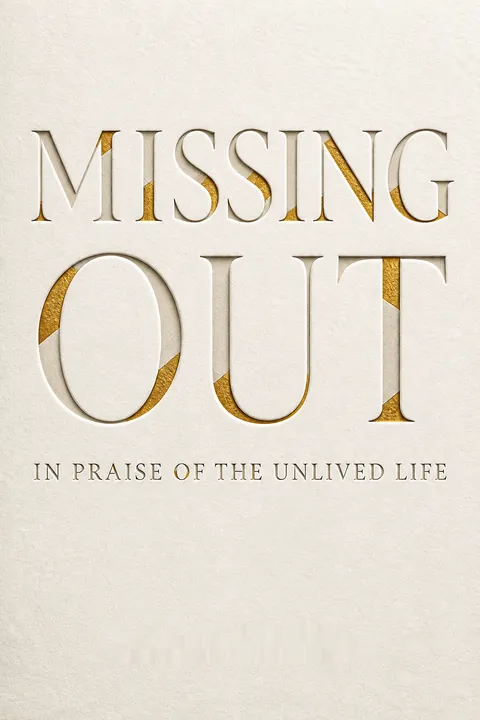
What's "Missing Out: In Praise of the Unlived Life" about?
- Exploration of Unlived Lives: The book delves into the concept of the "unlived life," exploring the lives we imagine for ourselves but never actually live.
- Psychological Insights: Adam Phillips uses psychoanalytic theory to discuss how our fantasies and desires shape our mental lives.
- Cultural Critique: It critiques modern culture's obsession with potential and the myth of self-fulfillment.
- Philosophical Inquiry: The book questions whether examining our unlived lives can lead to a deeper understanding of our lived experiences.
Why should I read "Missing Out: In Praise of the Unlived Life"?
- Self-Reflection: It encourages readers to reflect on their own desires and the lives they imagine but do not pursue.
- Insightful Analysis: Offers a unique perspective on how our fantasies and frustrations influence our real lives.
- Cultural Relevance: Provides a critique of contemporary culture's focus on self-actualization and potential.
- Engaging Writing: Adam Phillips is known for his engaging and thought-provoking writing style, making complex ideas accessible.
What are the key takeaways of "Missing Out: In Praise of the Unlived Life"?
- Unlived Lives Influence Us: Our fantasies about unlived lives significantly impact our mental and emotional states.
- Frustration and Satisfaction: The book explores the relationship between frustration and satisfaction, suggesting that frustration is essential for desire.
- Cultural Myths: It challenges the cultural myth of potential, questioning the idea that we can or should realize all our possibilities.
- Irony of Desire: Phillips suggests that our desires are often more about the fantasy of satisfaction than the reality of it.
How does Adam Phillips define the "unlived life"?
- Parallel Lives: The unlived life is seen as a parallel existence, a life we imagine but never live.
- Source of Frustration: It is a source of both frustration and inspiration, as it represents missed opportunities and unfulfilled desires.
- Cultural Construct: Phillips argues that the concept of the unlived life is a cultural construct, shaped by societal expectations and personal fantasies.
- Essential Part of Identity: Our unlived lives are integral to our sense of self, influencing how we perceive our lived experiences.
What is the relationship between frustration and satisfaction in the book?
- Frustration as a Catalyst: Frustration is portrayed as a necessary precursor to satisfaction, driving desire and creativity.
- Satisfaction's Double-Edged Sword: Satisfaction is often elusive and can be a form of self-deception, masking deeper frustrations.
- Irony of Fulfillment: The book suggests that the pursuit of satisfaction can sometimes lead to more frustration, as our desires are never fully met.
- Role of Fantasy: Fantasies of satisfaction often preempt real satisfaction, creating a cycle of desire and disappointment.
How does "Missing Out" critique modern culture's focus on potential?
- Myth of Potential: Phillips critiques the cultural obsession with realizing one's potential, suggesting it creates unrealistic expectations.
- Perpetual Dissatisfaction: The focus on potential leads to a sense of perpetual dissatisfaction, as we are always aware of what we haven't achieved.
- Cultural Pressure: There is immense pressure to live up to an idealized version of oneself, which can be paralyzing.
- Alternative Perspective: The book offers an alternative perspective, valuing the lives we don't live as much as the ones we do.
What are some of the best quotes from "Missing Out" and what do they mean?
- "The unexamined life is surely worth living, but is the unlived life worth examining?" This quote questions the value of reflecting on the lives we imagine but never live.
- "Our lives become an elegy to needs unmet and desires sacrificed." It highlights how our lives are often defined by what we lack rather than what we have.
- "The myth of potential makes mourning and complaining feel like the realest things we ever do." This suggests that the cultural focus on potential leads to a sense of loss and dissatisfaction.
- "We share our lives with the people we have failed to be." This reflects on how our imagined selves influence our real identities.
How does Adam Phillips use psychoanalysis in "Missing Out"?
- Freudian Concepts: Phillips employs Freudian concepts to explore the dynamics of desire, frustration, and satisfaction.
- Unconscious Desires: The book delves into how unconscious desires shape our fantasies and unlived lives.
- Therapeutic Insights: It offers therapeutic insights into how understanding our unlived lives can lead to personal growth.
- Critique of Psychoanalysis: Phillips also critiques psychoanalysis, questioning its focus on self-knowledge and its limitations.
What role does fantasy play in "Missing Out"?
- Fantasy as a Double-Edged Sword: Fantasy is both a source of inspiration and a form of self-deception, offering imagined satisfaction.
- Escape from Reality: It provides an escape from the limitations of reality, allowing us to explore alternative lives.
- Influence on Desire: Fantasies shape our desires, often leading to frustration when reality doesn't match our expectations.
- Cultural Construct: Phillips argues that fantasy is a cultural construct, influenced by societal norms and personal experiences.
How does "Missing Out" address the concept of self-actualization?
- Critique of Self-Actualization: The book critiques the idea of self-actualization, suggesting it creates unrealistic expectations.
- Unattainable Ideal: Self-actualization is portrayed as an unattainable ideal, leading to perpetual dissatisfaction.
- Alternative View: Phillips offers an alternative view, valuing the complexity of human desires and the acceptance of limitations.
- Cultural Pressure: The focus on self-actualization is seen as a cultural pressure that can be paralyzing rather than liberating.
What is the significance of the title "Missing Out: In Praise of the Unlived Life"?
- Celebration of Unlived Lives: The title suggests a celebration of the lives we imagine but never live, valuing them as part of our identity.
- Irony of Missing Out: It highlights the irony of "missing out," suggesting that what we don't experience can be as meaningful as what we do.
- Critique of Cultural Norms: The title critiques cultural norms that prioritize achievement and potential over acceptance and contentment.
- Invitation to Reflect: It invites readers to reflect on their own unlived lives and the role they play in shaping their lived experiences.
How does "Missing Out" redefine the concept of desire?
- Desire as Complex: Desire is portrayed as complex and multifaceted, influenced by both conscious and unconscious factors.
- Beyond Fulfillment: The book suggests that desire is not just about fulfillment but also about the fantasies and frustrations that accompany it.
- Cultural Influence: Desire is shaped by cultural norms and personal experiences, making it a dynamic and evolving concept.
- Role of Frustration: Frustration is seen as an integral part of desire, driving creativity and personal growth.
Sull'autore
Altri libri di Adam Phillips

Scarica PDF
Scarica EPUB
.epub digital book format is ideal for reading ebooks on phones, tablets, and e-readers.








































