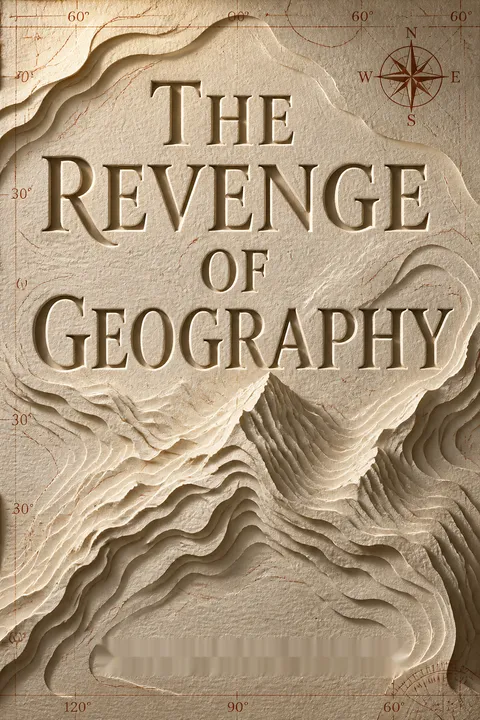

मुख्य बातें
1. भूगोल राष्ट्रों की तक़दीर और वैश्विक शक्ति संतुलन को आकार देता है
"भूगोल मानव इतिहास की पृष्ठभूमि है।"
भौगोलिक निर्धारणवाद: यह पूर्ण सत्य नहीं है, लेकिन भूगोल किसी राष्ट्र के विकास, सुरक्षा और वैश्विक स्थिति को गहराई से प्रभावित करता है। भूमि और समुद्र की भौतिक संरचना प्राकृतिक लाभ और बाधाएं पैदा करती है, जो राजनीतिक, आर्थिक और सैन्य रणनीतियों को आकार देती हैं।
ऐतिहासिक उदाहरण: पुस्तक में बताया गया है कि कैसे भूगोल ने विभिन्न सभ्यताओं को प्रभावित किया है:
- प्राचीन मिस्र की स्थिरता प्राकृतिक बाधाओं के कारण
- रूस की विस्तारवादी प्रवृत्ति उसके विशाल और असुरक्षित मैदानों से उत्पन्न हुई
- संयुक्त राज्य अमेरिका की शक्ति में वृद्धि, जो दो महासागरों के बीच अनुकूल स्थिति के कारण संभव हुई
लेखक का तर्क है कि भूगोल की समझ नीति निर्धारकों और रणनीतिकारों के लिए अंतरराष्ट्रीय संबंधों को समझने और भविष्य के वैश्विक रुझानों की भविष्यवाणी करने में अत्यंत आवश्यक है।
2. हार्टलैंड सिद्धांत: मध्य एशिया विश्व राजनीति का केंद्र
"जो पूर्वी यूरोप पर शासन करता है, वह हार्टलैंड पर नियंत्रण रखता है; जो हार्टलैंड पर शासन करता है, वह विश्व-द्वीप पर नियंत्रण रखता है; जो विश्व-द्वीप पर शासन करता है, वह विश्व पर शासन करता है।"
मैकिंडर का हार्टलैंड सिद्धांत: भूगोलवेत्ता हैलफोर्ड मैकिंडर द्वारा विकसित यह सिद्धांत कहता है कि यूरेशिया के "हार्टलैंड" (लगभग मध्य एशिया) पर नियंत्रण वैश्विक प्रभुत्व की कुंजी है। यह सिद्धांत समुद्री शक्ति की तुलना में स्थलीय शक्ति के रणनीतिक महत्व पर जोर देता है।
हार्टलैंड की विशेषताएं:
- विशाल संसाधन
- समुद्री शक्तियों के लिए पहुंच से बाहर
- स्थलीय बलों की त्वरित तैनाती की क्षमता
हालांकि सिद्धांत के कुछ पहलू पुराने हो चुके हैं, यह आज भी भू-राजनीतिक सोच को प्रभावित करता है, खासकर मध्य एशिया के वैश्विक रणनीति में महत्व को लेकर।
3. रिमलैंड: तटीय क्षेत्र वैश्विक प्रभुत्व की कुंजी
"रिमलैंड विश्व शक्ति की कुंजी था; मैकिंडर के हार्टलैंड नहीं, क्योंकि यूरेशिया पर प्रभुत्व के साथ-साथ समुद्री-उन्मुख रिमलैंड बाहरी दुनिया से संपर्क का केंद्र था।"
स्पाइकमैन का रिमलैंड सिद्धांत: निकोलस स्पाइकमैन ने मैकिंडर के सिद्धांत में संशोधन करते हुए कहा कि यूरेशिया के चारों ओर के तटीय क्षेत्र (रिमलैंड) हार्टलैंड से भी अधिक महत्वपूर्ण हैं। यह सिद्धांत स्थलीय और समुद्री दोनों शक्तियों के महत्व को रेखांकित करता है।
प्रमुख रिमलैंड क्षेत्र:
- यूरोप
- मध्य पूर्व
- दक्षिण एशिया
- पूर्वी एशिया
स्पाइकमैन के विचारों ने शीत युद्ध के दौरान नीतिगत प्रतिबंधों को प्रभावित किया और आज भी वैश्विक राजनीति में तटीय क्षेत्रों के रणनीतिक महत्व को समझने में सहायक हैं।
4. चीन का बढ़ता प्रभाव और रणनीतिक भूगोल
"चीन एक उभरती महाद्वीपीय शक्ति है, और जैसा कि नेपोलियन ने कहा था, ऐसे राज्यों की नीतियां उनके भूगोल में निहित होती हैं।"
चीन के भूगोलिक लाभ: पुस्तक में बताया गया है कि कैसे चीन का भूगोल उसकी वैश्विक प्रभावशीलता को बढ़ाता है:
- विविध संसाधनों वाला विशाल क्षेत्र
- लंबी तटरेखा जो समुद्री व्यापार मार्गों तक पहुंच प्रदान करती है
- एशिया के केंद्र में रणनीतिक स्थिति
भू-राजनीतिक प्रभाव: चीन की भौगोलिक स्थिति उसे सक्षम बनाती है:
- महाद्वीपीय एशिया और प्रशांत दोनों में प्रभाव डालने के लिए
- बेल्ट एंड रोड पहल के माध्यम से कनेक्टिविटी बढ़ाने के लिए
- एशिया-प्रशांत क्षेत्र में अमेरिकी प्रभुत्व को चुनौती देने के लिए
लेखक का तर्क है कि चीन के भूगोल को समझना उसके भविष्य के कदमों का अनुमान लगाने और अन्य वैश्विक शक्तियों के उचित जवाब तैयार करने के लिए आवश्यक है।
5. रूस का ऐतिहासिक विस्तारवाद और भू-राजनीतिक कमजोरियां
"रूस विश्व की प्रमुख स्थलीय शक्ति है, जो 170 डिग्री देशांतर तक फैला है, जो लगभग आधे विश्व का हिस्सा है।"
रूस की भूगोलिक चुनौतियां: रूस के विशाल यूरेशियाई मैदानों ने इसे ऐतिहासिक रूप से आक्रमण के लिए असुरक्षित बनाया है, जिससे सुरक्षा की निरंतर चिंता और रक्षा के लिए विस्तारवादी रणनीति अपनाने की प्रवृत्ति रही है।
रूसी भू-राजनीति के मुख्य कारक:
- पश्चिमी सीमा पर प्राकृतिक बाधाओं का अभाव
- गर्म पानी के बंदरगाहों की चाह
- क्षेत्र में फैले समृद्ध प्राकृतिक संसाधन
पुस्तक में कहा गया है कि ये भूगोलिक वास्तविकताएं रूस की विदेश नीति को आज भी प्रभावित करती हैं, चाहे वह पूर्वी यूरोप में हो, आर्कटिक में या मध्य पूर्व में।
6. मध्य पूर्व: भूगोल और राजनीति का जटिल मेल
"मध्य पूर्व विभिन्न प्रकार के राज्यों का मिश्रण है—राजतंत्र, सुल्तानत, धर्मशासित राज्य, लोकतंत्र और सैन्य तानाशाही—जिनकी सीमाएं मानो अस्थिर चाकू से बनी हों।"
भूगोलिक जटिलताएं: रेगिस्तान से लेकर पहाड़ों तक के विविध भू-भाग ने इस क्षेत्र की राजनीतिक विखंडन और लगातार संघर्षों में योगदान दिया है।
मध्य पूर्व की राजनीति को प्रभावित करने वाले प्रमुख भूगोलिक तत्व:
- रणनीतिक जलमार्ग (सुएज नहर, होर्मुज जलसंधि)
- तेल और गैस के भंडार
- कई क्षेत्रों में जल संकट
लेखक इस क्षेत्र की राजनीति और संभावित भविष्य को समझने के लिए भूगोल की गहरी समझ को आवश्यक मानते हैं।
7. अमेरिका की भू-राजनीतिक चुनौतियां: यूरेशिया, चीन और मेक्सिको
"अमेरिका के सामने तीन मुख्य भू-राजनीतिक दुविधाएं हैं: मध्य पूर्व में एक अशांत यूरेशियाई हार्टलैंड, एक उभरती और आक्रामक चीनी महाशक्ति, और मेक्सिको में गहरी समस्याएं।"
अमेरिका की रणनीतिक प्राथमिकताएं: पुस्तक में कहा गया है कि अमेरिका को अपनी वैश्विक प्रतिबद्धताओं के साथ-साथ अपने निकटवर्ती भूगोल पर भी ध्यान देना होगा।
मुख्य चुनौतियां:
- यूरेशिया में प्रभाव बनाए रखना, लेकिन अत्यधिक विस्तार से बचना
- एशिया-प्रशांत में चीन की बढ़ती शक्ति का मुकाबला करना
- मेक्सिको में अस्थिरता और आव्रजन संबंधी मुद्दों का समाधान
लेखक सुझाव देते हैं कि इन मूलभूत चुनौतियों, विशेषकर मेक्सिको की स्थिति पर ध्यान केंद्रित करना, दूरस्थ क्षेत्रों में हस्तक्षेप से अधिक महत्वपूर्ण हो सकता है।
8. समुद्री शक्ति का वैश्विक प्रभाव में महत्व
"समुद्री शक्ति उन राष्ट्रों के लिए उपयुक्त है जो स्थलीय युद्ध में भारी हताहतों को सहन नहीं कर सकते।"
माहन का समुद्री शक्ति सिद्धांत: पुस्तक में अल्फ्रेड थेयर माहन के विचारों पर चर्चा की गई है, जो वैश्विक प्रभुत्व में नौसैनिक शक्ति के महत्व को रेखांकित करते हैं।
समुद्री शक्ति के मुख्य पहलू:
- प्रमुख व्यापार मार्गों पर नियंत्रण
- वैश्विक स्तर पर शक्ति प्रक्षेपण की क्षमता
- स्थलीय खतरों की तुलना में कम संवेदनशीलता
लेखक बताते हैं कि जबकि स्थलीय शक्ति महत्वपूर्ण बनी हुई है, समुद्रों पर नियंत्रण वैश्विक प्रभाव का एक प्रमुख कारक है, जैसा कि अमेरिका की नौसैनिक श्रेष्ठता और चीन के ब्लू-वाटर नेवी निर्माण के प्रयासों से स्पष्ट है।
9. जलवायु और भू-भाग का सभ्यता विकास पर प्रभाव
"प्रकृति थोपती है; मन उसका प्रबंधन करता है।"
पर्यावरणीय निर्धारणवाद: पुस्तक में बताया गया है कि कैसे जलवायु और भू-भाग ने इतिहास में विभिन्न सभ्यताओं के विकास को प्रभावित किया है।
पर्यावरणीय प्रभाव के उदाहरण:
- नदियों की घाटियां जैसे नील, सिंधु, येलो रिवर ने प्रारंभिक सभ्यताओं को जन्म दिया
- कठोर जलवायु ने तकनीकी नवाचार को प्रेरित किया
- पर्वत श्रृंखलाएं प्राकृतिक सीमाएं बनकर सांस्कृतिक भेदों को आकार देती हैं
हालांकि यह पूरी तरह से निर्धारक नहीं है, लेखक का मानना है कि ये भूगोलिक कारक आज भी आधुनिक राष्ट्रों और उनके आपसी संबंधों को प्रभावित करते हैं।
10. जनसांख्यिकीय बदलाव और आव्रजन राष्ट्रीय पहचान को नया रूप दे रहे हैं
"संयुक्त राज्य अमेरिका की तक़दीर उत्तर-दक्षिण होगी, न कि महाद्वीपीय और देशभक्तिपूर्ण मिथक के अनुसार पूर्व-पश्चिम, समुद्र से समुद्र तक।"
परिवर्तित जनसांख्यिकी: पुस्तक में बताया गया है कि कैसे आव्रजन और जनसंख्या प्रवाह राष्ट्रों के सांस्कृतिक और राजनीतिक परिदृश्य को बदल रहे हैं, विशेषकर अमेरिका में।
प्रमुख प्रवृत्तियां:
- अमेरिका के दक्षिण-पश्चिम में हिस्पैनिक आबादी का बढ़ना
- विकसित देशों में जनसंख्या की वृद्धावस्था
- शहरीकरण और मेगासिटी का विकास
लेखक का तर्क है कि ये जनसांख्यिकीय बदलाव आने वाले दशकों में राष्ट्रीय पहचान, राजनीतिक गठबंधनों और वैश्विक शक्ति संतुलन पर गहरा प्रभाव डालेंगे।
11. तकनीक की भूमिका भू-राजनीतिक परिदृश्यों को बदलने में
"भूगोल 'भुलाया गया है, पर विजय नहीं पाया गया।'"
तकनीकी प्रभाव: भूगोल के स्थायी महत्व को स्वीकार करते हुए, पुस्तक में बताया गया है कि कैसे तकनीकी प्रगति भू-राजनीतिक वास्तविकताओं को नया आकार दे रही है।
तकनीकी प्रभाव के क्षेत्र:
- संचार ने दूरी के महत्व को कम किया
- साइबर युद्ध ने नई कमजोरियां पैदा कीं
- ऊर्जा तकनीकों ने संसाधन निर्भरताओं को बदला
लेखक का तर्क है कि तकनीक कुछ भूगोलिक सीमाओं को कम कर सकती है, लेकिन यह नई भू-राजनीतिक चुनौतियां और अवसर भी उत्पन्न करती है, जिनका नीति निर्माता ध्यानपूर्वक सामना करें।
समीक्षा सारांश
भूगोल की प्रतिशोध को मिली-जुली प्रतिक्रियाएँ मिली हैं। कुछ लोग इसकी भू-राजनीति और इतिहास तथा अंतरराष्ट्रीय संबंधों पर भूगोल के प्रभाव की गहन समझ की प्रशंसा करते हैं। पाठक कैपलन की विद्वता और विचारोत्तेजक दृष्टिकोण की सराहना करते हैं। हालांकि, आलोचक इसे जटिल और दोहरावदार लेखन शैली वाला मानते हैं, जिसमें स्पष्ट संगठन की कमी है। कुछ का तर्क है कि यह पुस्तक पुरानी सिद्धांतों पर अत्यधिक निर्भर करती है और सामान्यीकरण में अधिक हो जाती है। इन आलोचनाओं के बावजूद, कई पाठक कैपलन के वैश्विक मामलों पर दृष्टिकोण और विश्व घटनाओं के निर्माण में भूगोल के महत्व को मूल्यवान पाते हैं।
लोग यह भी पढ़ते हैं









अक्सर पूछे जाने वाले प्रश्न
What's The Revenge of Geography about?
- Geopolitical Analysis Focus: The book examines how geography influences political power and conflicts, arguing that geographical factors are often overlooked in political analysis.
- Historical Context: Kaplan uses historical examples to show how geography has shaped the rise and fall of empires, emphasizing its importance in predicting future political dynamics.
- Geography vs. Human Agency: While acknowledging human decisions, Kaplan suggests that geography provides a framework within which these decisions unfold, though it is not deterministic.
Why should I read The Revenge of Geography?
- Insightful Perspective: The book offers a unique lens on global politics, highlighting the importance of geographical context in understanding international relations.
- Rich Historical Examples: Kaplan draws on a wide range of historical events, making the book both informative and engaging, with connections between past and present geopolitical issues.
- Practical Implications: Understanding geographical underpinnings can inform better policy decisions, serving as a guide for policymakers and citizens to consider geography in global affairs.
What are the key takeaways of The Revenge of Geography?
- Geography Shapes Politics: Kaplan asserts that geography is a fundamental factor in shaping political power and conflicts, stating, "The only thing enduring is a people’s position on the map."
- Historical Patterns: The book highlights recurring historical patterns influenced by geography, such as the rise of empires and ethnic conflicts, which can help predict future trends.
- Crisis of Room: Kaplan discusses the "crisis of room" in a crowded world where resources and space are contested, underscoring the urgency of understanding geographical constraints.
What are the best quotes from The Revenge of Geography and what do they mean?
- "Geography does not argue. It simply is.": This quote emphasizes the unchanging nature of geographical realities, suggesting that while human decisions can be debated, geography remains a constant influence.
- "The more we look out over the span of the centuries, the more that geography plays a role.": Kaplan highlights the long-term significance of geography in shaping human history, essential for understanding current events.
- "Geography is destiny.": This encapsulates the book's thesis that geographical factors fundamentally shape political outcomes and national strategies, suggesting nations cannot escape their geographical realities.
How does Kaplan define the "Crisis of Room" in The Revenge of Geography?
- Concept Explanation: The "Crisis of Room" refers to increasing competition for space and resources in a densely populated world, intensifying geopolitical tensions.
- Historical Context: This crisis has historical precedents where territorial disputes led to conflict, exacerbated by the finite size of the earth.
- Implications for Policy: Understanding this crisis can inform policymakers about potential conflicts over resources, emphasizing the need to address geographical constraints for global stability.
What is the "Rimland Thesis" in The Revenge of Geography?
- Definition of Rimland: The Rimland Thesis, by Nicholas Spykman, posits that the coastal fringes of Eurasia are crucial for global power dynamics, essential for dominating the Heartland.
- Geopolitical Importance: The Rimland serves as a buffer against land powers like Russia and China, including key regions like the Middle East and Southeast Asia.
- Modern Relevance: The thesis remains relevant as geopolitical tensions continue in these regions, helping readers grasp the strategic importance of current conflicts.
How does Kaplan address the relationship between geography and culture in The Revenge of Geography?
- Cultural Influences: Kaplan discusses how geography shapes cultural identities and societal development, noting that geographical features can protect indigenous cultures.
- Geographical Constraints: Cultural practices are often influenced by geographical realities like climate and terrain, affecting a society's adaptability.
- Interconnectedness of Geography and Culture: Geography and culture are intertwined, influencing each other over time, crucial for understanding global politics.
What role does historical geography play in The Revenge of Geography?
- Foundation for Analysis: Historical geography provides context for understanding how geographical factors have shaped political events, used by Kaplan to analyze empires and nation-states.
- Patterns of Conflict: The book illustrates how historical geography reveals patterns of conflict, informing our understanding of contemporary geopolitical issues.
- Geography as a Tool: Kaplan argues that historical geography is vital for predicting future conflicts and understanding state motivations, offering insights into current dynamics.
How does The Revenge of Geography relate to contemporary geopolitical issues?
- Relevance to Current Events: Kaplan's analysis provides a framework for understanding conflicts in Ukraine, the Middle East, and East Asia, with geography as a critical factor.
- Strategic Implications: The book emphasizes geographical considerations in shaping foreign policy decisions, warning against miscalculations.
- Future Predictions: Kaplan's exploration of historical patterns and geographical factors allows for informed speculation about future geopolitical trends.
What is the significance of the "Eurasian Heartland" in The Revenge of Geography?
- Geopolitical Center: The Eurasian Heartland, as defined by Mackinder, is pivotal for global power dynamics, essential for dominating Eurasia.
- Historical Context: Kaplan discusses how empires have sought to control the Heartland, highlighting its enduring significance in strategy.
- Modern Implications: The Heartland remains relevant as Russia seeks influence in Central Asia and Eastern Europe, informing analyses of current conflicts.
What role does natural resources play in The Revenge of Geography?
- Power Dynamics: Nations rich in resources like oil and gas often have greater geopolitical power, leading to strategic advantages.
- Economic Leverage: Countries can leverage resources to influence others, creating dependencies that shape alliances and conflicts.
- Resource Conflicts: Competition for resources can lead to conflicts, making this aspect crucial for analyzing geopolitical tensions.
What are the implications of Kaplan's analysis for U.S. foreign policy?
- Strategic Awareness: Kaplan suggests U.S. policymakers must consider geographical realities to avoid miscalculations and ineffective strategies.
- Regional Engagement: The book advocates for understanding regional dynamics, encouraging engagement based on geographical contexts.
- Long-term Planning: Emphasizes the importance of strategic planning that accounts for geographical changes, essential for maintaining U.S. influence.
लेखक के बारे में
अन्य किताबें — रॉबर्ट डी. कैप्लान





PDF डाउनलोड करें
EPUB डाउनलोड करें
.epub digital book format is ideal for reading ebooks on phones, tablets, and e-readers.








































