
मुख्य बातें
1. संगठनात्मक संरचना सबसे कम प्रतिरोध वाले मार्ग को निर्धारित करती है
संरचना सबसे कम प्रतिरोध वाले मार्ग को निर्धारित करती है, और संगठन उन संरचनात्मक नियमों के अधीन होते हैं जो उनके व्यवहार को नियंत्रित करते हैं।
ऊर्जा संरचना का अनुसरण करती है। संगठन, प्रकृति के सभी प्रणालियों की तरह, सबसे कम प्रतिरोध वाले मार्ग का पालन करते हैं। यह मार्ग संगठन की अंतर्निहित संरचना द्वारा निर्धारित होता है। इस अवधारणा को समझना उन प्रबंधकों और नेताओं के लिए अत्यंत आवश्यक है जो सकारात्मक बदलाव लाना चाहते हैं।
संरचनात्मक गतिशीलता व्यवहार को नियंत्रित करती है। जैसे नदियाँ भूवैज्ञानिक शक्तियों द्वारा निर्मित मार्गों का अनुसरण करती हैं, वैसे ही संगठनात्मक व्यवहार उसकी संरचना से आकार लेता है। इसमें औपचारिक पदानुक्रम, अनौपचारिक नेटवर्क, प्रक्रियाएँ और सांस्कृतिक मानदंड शामिल हैं। जब नेता इन गतिशीलताओं को समझते हैं, तो वे ऐसी संरचनाएँ डिजाइन कर सकते हैं जो स्वाभाविक रूप से वांछित परिणामों की ओर ले जाती हैं।
- प्रमुख संरचनात्मक तत्व:
- रिपोर्टिंग संबंध
- निर्णय लेने की प्रक्रियाएँ
- सूचना प्रवाह
- पुरस्कार प्रणाली
- सांस्कृतिक मानदंड और मूल्य
2. संरचनात्मक तनाव संगठनात्मक प्रगति को प्रेरित करता है
जब संरचनात्मक तनाव किसी संगठन पर हावी होता है, तो संगठन प्रगति करता है।
तनाव गति पैदा करता है। संरचनात्मक तनाव वह गतिशील शक्ति है जो संगठन की वर्तमान वास्तविकता और उसकी इच्छित भविष्य की स्थिति के बीच के अंतर से उत्पन्न होती है। जब इस तनाव का सही तरीके से उपयोग किया जाता है, तो यह प्रगति और नवाचार का शक्तिशाली प्रेरक बन जाता है।
दृष्टि और वास्तविकता का संतुलन। प्रभावी संरचनात्मक तनाव बनाने के लिए, नेताओं को स्पष्ट रूप से दोनों—इच्छित परिणाम (दृष्टि) और वर्तमान स्थिति (वास्तविकता)—को परिभाषित करना होता है। यह तनाव फिर क्रिया के लिए एक संगठनात्मक सिद्धांत बन जाता है, जो स्वाभाविक रूप से संगठन को उसके लक्ष्यों की ओर खींचता है।
- संरचनात्मक तनाव के घटक:
- स्पष्ट रूप से परिभाषित दृष्टि या लक्ष्य
- वर्तमान वास्तविकता का ईमानदार मूल्यांकन
- अंतर को पाटने के लिए कार्य योजनाएँ
- नियमित मूल्यांकन और समायोजन
3. संरचनात्मक संघर्ष कंपन और ठहराव का कारण बनते हैं
जब संरचनात्मक संघर्ष किसी संगठन पर हावी होते हैं, तो कंपन उत्पन्न होता है।
प्रतिस्पर्धी शक्तियाँ अस्थिरता पैदा करती हैं। संरचनात्मक संघर्ष तब होते हैं जब संगठन के भीतर दो या अधिक तनाव-समाधान प्रणालियाँ एक-दूसरे के विरुद्ध प्रतिस्पर्धा करती हैं। इससे कंपन की एक प्रवृत्ति उत्पन्न होती है, जहाँ एक क्षेत्र में प्रगति दूसरे क्षेत्र में पीछे हटने का कारण बनती है।
सामान्य संगठनात्मक कंपन। कई संगठन अनसुलझे संरचनात्मक संघर्षों के कारण आवर्तक व्यवहार के पैटर्न का अनुभव करते हैं। ये केंद्रीकरण और विकेंद्रीकरण, विकास और लागत-कटौती, या नवाचार और मानकीकरण के बीच बदलाव के रूप में प्रकट हो सकते हैं।
- संरचनात्मक संघर्ष के उदाहरण:
- अल्पकालिक लाभ बनाम दीर्घकालिक निवेश
- व्यक्तिगत प्रदर्शन बनाम टीम सहयोग
- ग्राहक संतुष्टि बनाम परिचालन दक्षता
- नवाचार बनाम स्थिरता
4. केवल समस्या-समाधान से संगठनात्मक समस्याएँ ठीक नहीं होतीं
एक अपर्याप्त संगठनात्मक संरचना को ठीक नहीं किया जा सकता। लेकिन आप एक अपर्याप्त संरचना से उपयुक्त संरचना की ओर बढ़ सकते हैं।
मरम्मत नहीं, पुनः डिज़ाइन करें। पारंपरिक समस्या-समाधान के तरीके अक्सर अंतर्निहित संरचनात्मक समस्याओं को संबोधित करने में विफल रहते हैं। अपर्याप्त संरचना को "ठीक" करने के बजाय, संगठनों को अपनी प्रणालियों और प्रक्रियाओं को मूल रूप से पुनः डिज़ाइन करने की आवश्यकता होती है।
प्रतिक्रियाशील से सक्रिय बनें। समस्या-समाधान आमतौर पर प्रतिक्रियाशील होता है, जो उन चीज़ों को खत्म करने पर केंद्रित होता है जिन्हें हम नहीं चाहते। जबकि संरचनात्मक दृष्टिकोण सक्रिय होता है, जो उन चीज़ों को बनाने पर केंद्रित होता है जिन्हें हम चाहते हैं। यह मानसिकता में बदलाव स्थायी संगठनात्मक परिवर्तन के लिए आवश्यक है।
- समस्या-समाधान की सीमाएँ:
- लक्षणों का इलाज करता है, मूल कारणों का नहीं
- अस्थायी समाधान प्रदान करता है
- मौजूदा संरचनाओं को बनाए रखता है
- रचनात्मक सोच को सीमित करता है
5. प्रभावी व्यावसायिक रणनीति ग्राहक की प्रेरणा के अनुरूप होती है
ग्राहक को हमारे उत्पाद या सेवा खरीदने के लिए क्या प्रेरित करता है?
ग्राहक-केंद्रित रणनीति। सफल व्यावसायिक रणनीति ग्राहक की प्रेरणा की गहरी समझ पर आधारित होती है। यह केवल आवश्यकताओं की पहचान से आगे बढ़कर उन अंतर्निहित कारणों को समझने की मांग करती है जिनकी वजह से ग्राहक खरीद निर्णय लेते हैं।
मूल्य प्रस्ताव की स्पष्टता। संगठनों को एक स्पष्ट मूल्य प्रस्ताव प्रस्तुत करना चाहिए जो ग्राहक की प्रेरणाओं के अनुरूप हो। यह सभी रणनीतिक निर्णयों का आधार बनता है, चाहे वह उत्पाद विकास हो, विपणन हो या बिक्री की रणनीति।
- रणनीति विकास के लिए प्रमुख प्रश्न:
- हमारा प्रस्ताव क्या है?
- हमारे ग्राहक कौन हैं?
- वे वास्तव में क्या चाहते हैं?
- हम उनकी इच्छाओं और अपनी आवश्यकताओं के बीच कैसे मेल बनाते हैं?
- हमारे प्रस्ताव समय के साथ कैसे विकसित होंगे?
6. साझा दृष्टि और संरचनात्मक तनाव संगठनात्मक समन्वय पैदा करते हैं
जब लोगों के पास साझा दृष्टि—एक साझा गतिशील इच्छा—होती है, तो वे महान समन्वय पैदा कर सकते हैं।
सामूहिक आकांक्षा। साझा दृष्टि संगठन के भीतर एक एकीकृत शक्ति के रूप में कार्य करती है, जो व्यक्तिगत प्रयासों को एक सामान्य लक्ष्य की ओर संरेखित करती है। इससे एक शक्तिशाली समन्वय उत्पन्न होता है जो असाधारण उपलब्धियों को प्रेरित करता है।
दृष्टि से आगे संरचनात्मक तनाव। जबकि साझा दृष्टि महत्वपूर्ण है, साझा संरचनात्मक तनाव उससे भी अधिक प्रभावशाली होता है। यह तब होता है जब संगठन के सभी सदस्य न केवल दृष्टि को समझते हैं, बल्कि वर्तमान वास्तविकता और आगे के मार्ग को भी स्पष्ट रूप से जानते हैं।
- साझा संरचनात्मक तनाव के लाभ:
- प्रेरणा और संलग्नता में वृद्धि
- सभी स्तरों पर बेहतर निर्णय-निर्माण
- रचनात्मकता और समस्या-समाधान में सुधार
- चुनौतियों के सामने अधिक लचीलापन
7. नेतृत्व को अल्पकालिक लाभों से अधिक दीर्घकालिक मूल्य को प्राथमिकता देनी चाहिए
यदि लोग वही लोग हैं, तो वे नहीं हो सकते, इसलिए संरचना अलग होनी चाहिए।
भविष्य के संरक्षक। प्रभावी नेता संगठन के दीर्घकालिक स्वास्थ्य और सफलता के संरक्षक के रूप में अपनी भूमिका को समझते हैं। इसके लिए अक्सर ऐसे कठिन निर्णय लेने पड़ते हैं जो तुरंत परिणाम नहीं देते, लेकिन स्थायी मूल्य बनाते हैं।
हितधारकों के हितों का संतुलन। नेताओं को अल्पकालिक दबावों (जैसे त्रैमासिक आय) और दीर्घकालिक मूल्य सृजन के बीच संतुलन बनाना होता है। इसमें हितधारकों, विशेषकर शेयरधारकों, को स्थायी विकास रणनीतियों के महत्व के बारे में शिक्षित करना शामिल है।
- दीर्घकालिक मूल्य के लिए नेतृत्व की प्राथमिकताएँ:
- नवाचार और अनुसंधान एवं विकास में निवेश
- प्रतिभा और संगठनात्मक क्षमताओं का विकास
- मजबूत ग्राहक संबंध बनाना
- नैतिक प्रथाओं और प्रतिष्ठा को बनाए रखना
- वित्तीय स्थिरता और लचीलापन सुनिश्चित करना
8. "न्यू लीन" समस्या की बजाय परिणामों पर केंद्रित है
खराब प्रणाली बनाने के बजाय जिसे हमें बाद में ठीक करना पड़े, हम ऐसी नई प्रणाली बनाना चाहते हैं जिसमें उन सभी श्रेष्ठ डिज़ाइन सिद्धांतों को शामिल किया गया हो जो प्रक्रियाओं के लक्ष्यों के अनुरूप हों।
परिणाम-उन्मुख डिज़ाइन। "न्यू लीन" दृष्टिकोण अपव्यय को खत्म करने से हटकर ऐसी प्रणालियाँ डिजाइन करने पर केंद्रित है जो स्वाभाविक रूप से वांछित परिणाम उत्पन्न करें। यह सक्रिय दृष्टिकोण अधिक नवाचारी और प्रभावी समाधान लाता है।
जमीनी स्तर पर बदलाव को सशक्त बनाना। पारंपरिक शीर्ष-से-नीचे दृष्टिकोण के विपरीत, न्यू लीन मानता है कि कार्य के सबसे निकट लोग सुधार के लिए सर्वोत्तम अंतर्दृष्टि रखते हैं। यह सभी स्तरों के कर्मचारियों को प्रक्रियाओं और प्रणालियों को पुनः डिज़ाइन करने का अधिकार देता है।
- न्यू लीन के प्रमुख सिद्धांत:
- वर्तमान समस्याओं के बजाय वांछित परिणामों से शुरुआत करें
- सरलता और सुंदरता के लिए डिज़ाइन करें
- केवल अपव्यय समाप्ति नहीं, मूल्य सृजन पर ध्यान दें
- निरंतर सीखने और अनुकूलन को प्रोत्साहित करें
- प्रक्रिया डिज़ाइन में संरचनात्मक तनाव को शामिल करें
9. महान संगठन शक्ति का वितरण करते हैं और संबंधों का कुशल प्रबंधन करते हैं
शक्ति व्यापक और सुव्यवस्थित रूप से वितरित होती है।
विकेंद्रीकृत अधिकार। महान संगठन समझते हैं कि संगठन में शक्ति का व्यापक वितरण बेहतर निर्णय-निर्माण, अधिक नवाचार और बेहतर अनुकूलन क्षमता लाता है। इसके लिए विश्वास और जिम्मेदारी के सुव्यवस्थित तंत्र की आवश्यकता होती है।
प्रणालीगत संबंध प्रबंधन। सफलता केवल संगठन के व्यक्तिगत हिस्सों पर निर्भर नहीं करती, बल्कि इस बात पर भी कि ये हिस्से कैसे परस्पर क्रिया करते हैं। महान नेता इन संबंधों का प्रबंधन करते हैं ताकि एक सुसंगत, उच्च प्रदर्शन करने वाला समग्र संगठन बन सके।
- महान संगठनों की विशेषताएँ:
- निर्णय लेने के अधिकार का व्यापक वितरण
- नीतियों और क्रियाओं के लिए स्पष्ट सिद्धांत
- व्यक्तिगत और संगठनात्मक लक्ष्यों के बीच मजबूत संरेखण
- संगठन भर में संसाधनों का प्रभावी प्रबंधन
- लोगों को संगठन के उद्देश्य के साथ निरंतर संरेखित करने के प्रयास
समीक्षा सारांश
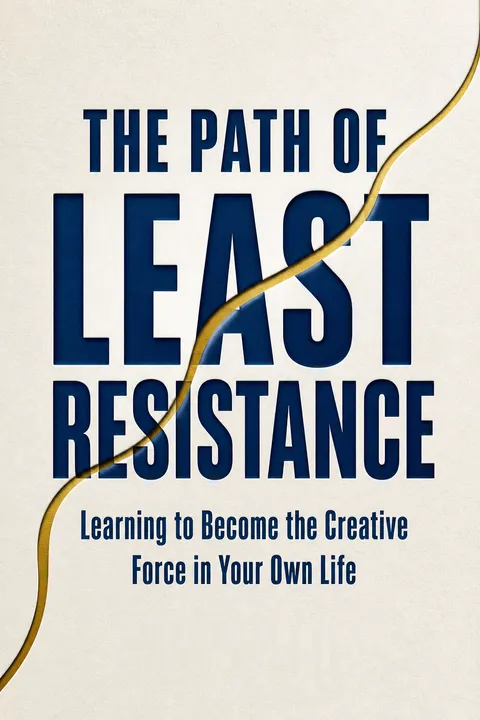
द पाथ ऑफ लीस्ट रेसिस्टेंस को मिली-जुली प्रतिक्रियाएँ मिली हैं, जहाँ कई पाठक इसकी रचनात्मकता और व्यक्तिगत विकास पर दी गई अंतर्दृष्टियों की प्रशंसा करते हैं। फ्रिट्ज के उस दृष्टिकोण को सराहा जाता है जिसमें वे बताते हैं कि संरचना व्यवहार और सृजनात्मक प्रक्रिया को कैसे निर्धारित करती है। कुछ पाठकों के लिए यह पुस्तक परिवर्तनकारी साबित हुई है, जबकि कुछ इसे दोहरावपूर्ण और व्यावहारिक सलाह की कमी के कारण आलोचना का विषय मानते हैं। समस्या समाधान से सृजन की ओर बदलाव की अवधारणा कई लोगों के साथ गूंजती है। आलोचक पुस्तक की लंबाई और स्व-प्रचार के पहलुओं को भी उजागर करते हैं। कुल मिलाकर, इसे विचारोत्तेजक माना जाता है, हालांकि कभी-कभी यह जटिल और लागू करने में चुनौतीपूर्ण भी हो सकती है।
लोग यह भी पढ़ते हैं









अक्सर पूछे जाने वाले प्रश्न
What's The Path of Least Resistance about?
- Focus on Structure: The book explores how understanding structural dynamics can help individuals and organizations achieve their goals more effectively.
- Creative Process: It presents the creative process as a fundamental approach to achieving goals, emphasizing the importance of designing structures that facilitate advancement.
- Organizational Dynamics: Fritz introduces concepts like "structural tension" and "structural conflict" to explain how these dynamics influence success and failure.
Why should I read The Path of Least Resistance?
- Insightful Management Techniques: The book offers unique insights into why some organizations succeed while others fail, making it essential for leaders.
- Timeless Principles: Despite being published over two decades ago, its principles remain relevant in today’s rapidly changing business environment.
- Transformative Approach: Readers will learn to shift from a reactive problem-solving mindset to a proactive creative process, leading to sustainable success.
What are the key takeaways of The Path of Least Resistance?
- Understanding Structure: The underlying structure of an organization determines its path of least resistance, influencing behavior and outcomes.
- Structural Tension vs. Conflict: Distinguishing between these two is crucial for implementing successful change and avoiding oscillation.
- Practical Tools: Fritz provides tools like Structural Tension Charting to help managers visualize and implement their goals effectively.
What is "structural tension" as defined in The Path of Least Resistance?
- Dynamic Force: Structural tension is the difference between what an organization wants to achieve and its current reality, creating a natural drive toward resolution.
- Key to Advancement: It leads to advancement within the organization by aligning efforts toward achieving goals.
- Foundation for Planning: This concept serves as a foundation for effective planning and decision-making, bridging the gap between current reality and desired outcomes.
How does The Path of Least Resistance address organizational oscillation?
- Oscillation Explained: Oscillation occurs when organizations experience repeated cycles of success and failure due to structural conflicts.
- Identifying Conflicts: Leaders are encouraged to identify and understand structural conflicts that contribute to oscillation.
- Creating Stability: The goal is to create a stable environment where structural tension drives advancement, allowing organizations to achieve long-term goals.
What are "The Nine Laws of Organizational Structure" in The Path of Least Resistance?
- Framework for Success: These laws provide a framework for understanding how organizational structures influence behavior and outcomes.
- Key Principles: Each law addresses different aspects of organizational dynamics, such as the relationship between goals and current reality.
- Practical Application: They serve as guidelines for managers to assess and redesign their organizations, ensuring all parts work harmoniously toward common goals.
What is the significance of "structural conflict" in The Path of Least Resistance?
- Definition and Impact: Structural conflict arises when two competing tension-resolution systems exist, leading to oscillation and instability.
- Examples of Conflict: Common conflicts include the tension between growth and capacity or between short-term and long-term goals.
- Need for Redesign: Structural conflicts require redesigning the organization to eliminate these conflicts and create a more effective structure.
How can I apply the concepts from The Path of Least Resistance in my organization?
- Implement Structural Tension Charting: Use this method to define goals, current reality, and action plans, visualizing the path to desired outcomes.
- Focus on Alignment: Ensure all departments and teams are aligned with overarching goals, fostering collaboration and reducing conflicts.
- Encourage a Creative Process: Shift from problem-solving to a creative process that emphasizes building and achieving goals for innovative solutions.
What are some of the best quotes from The Path of Least Resistance and what do they mean?
- "Without a change of underlying structure, any change effort will eventually fail.": Highlights the importance of addressing foundational structures for successful change.
- "Organizations either oscillate or advance.": Emphasizes understanding structural dynamics to progress or avoid cycles of failure.
- "The path of least resistance leads us to predictable patterns that, in the end, are self-defeating.": Warns against stagnation without conscious design and understanding of structures.
How does The Path of Least Resistance differentiate between "problem-solving" and "structural redesign"?
- Problem-Solving Limitations: Traditional approaches often lead to oscillation and do not address underlying structural issues.
- Focus on Redesign: Structural redesign involves rethinking foundational elements to support desired outcomes, fostering sustainable success.
- Creating Structural Tension: Establishing structural tension aligns efforts toward achieving goals rather than merely reacting to problems.
What is the significance of the dynamic urge in The Path of Least Resistance?
- Intrinsic Motivation: Represents intrinsic desires driving individuals and organizations to create and achieve meaningful outcomes.
- Alignment with Purpose: Aligning goals with dynamic urges fosters shared purpose and commitment, enhancing success.
- Creativity and Innovation: Harnessing this urge leads to greater creativity and innovation, empowering individuals to contribute to success.
How does Fritz suggest organizations can avoid oscillation in The Path of Least Resistance?
- Establishing Hierarchies: Create hierarchies among competing goals to resolve conflicts and maintain focus on important objectives.
- Leadership Commitment: Strong leadership ensures direction and support for chosen goals, requiring effective communication.
- Continuous Assessment: Regularly assess current reality and desired outcomes to ensure alignment and address emerging conflicts.
लेखक के बारे में
अन्य किताबें — रॉबर्ट फ्रिट्ज़

PDF डाउनलोड करें
EPUB डाउनलोड करें
.epub digital book format is ideal for reading ebooks on phones, tablets, and e-readers.








































